


 Suomi
Suomi  English (UK)
  Русский
  العربية
  日本語
日本語  한국어
한국어  Magyar
  Türkçe
  Español
  Čeština
  Svenska
  Português
  Ελληνικά
  Nederlands
  Română
  Italiano
  Français
  Polski
  Українська
  Deutsch
  简体中文
简体中文  Slovenčina
  Top Rafting Trips in Arizona – Best Whitewater & Scenic Rivers">

Choose the Grand Canyon route from Lee’s Ferry to Diamond Creek as your first Arizona rafting priority. Tämä 277 miles river corridor is a multi‑day epic known for iconic canyon walls, side canyons, and Lava Falls, one of the most challenging rapids in the region. Most outfits run 7–14 days, with floating days interleaved with hikes to remote camps. If you couldnt commit to a long expedition, look for next‑best options that focus on the lower canyon over 3–5 days and still deliver big whitewater and scenery.
Best scenic and whitewater mixes appear on the Salt River, Verde, and Oak Creek routes. The Lower Salt River near Phoenix runs about 6–12 miles depending on takeouts, with Class II–III rapids and four-season access; most trips run 4–6 hours, and some operators offer overnight riverbank camping with gear provided. For longer river days, the Verde River around Camp Verde provides 6–15 miles of accessible water amid cottonwoods, while Oak Creek near Sedona adds red‑rock drama on 6–10 miles of scenic float. If you want a lower intensity option, Oak Creek or the lower Verde segments fit best. Some outfitters even ferry gear across shallow sections to maintain a smooth pace, and guides tailor gear lists for warm days and cool nights. Whether you want a quick scenic float or a longer keel, you’ll find options next to town amenities to minimize hassle.
Gear up with proven guides for a safe, fulfilling river experience. These trips run year round, so you can plan a summer escape or a spring adventure. You’ll find options ranging from shorter scenic floats to longer whitewater expeditions. Your guides read the water, explain paddling strokes, and keep the group safe while you explore. Morning light on the canyon walls feels like an angel greeting the day, and each camp brings new scenery to photograph. Expect reliable gear, dry bags, wetsuits when needed, and overnight options if you opt for multi‑day itineraries.
Next, compare outfitters and tailor your plan to your group. If you’re a first‑timer, start with a 4–6 hour scenic float on the Salt or Verde and reserve a 2–3 day option later in the year. If you crave whitewater, verify the river section’s class range and the season; for Grand Canyon, prepare a longer commitment and discuss permits, food, and safety with guides. Ask about gear provided (PFDs, paddles, dry bags) and what you need to bring, and confirm whether the plan includes overnight camping or shuttle logistics.
Arizona Rafting Trips
Begin with a practical option: for a dependable, beginner-friendly choice, book a lower Salt River full-day float. You’ll paddle through calm pools, glide under shady cottonwoods, and spot wildlife along the banks. It’s easy for families and first-timers; you unplug quickly, share laughs with fellow people, and finish with a riverside picnic. Guides from licensed outfitters provide safety tips, loan gear if needed, and point out highlights along the way. salt experiences on the river help you connect with the desert in a single, memorable day.
For a more dramatic setting and a longer day, choose Verde River trips near Camp Verde or Cottonwood. Expect Class II rapids, tall red rock walls, and chances to see birds along restored banks. If you want extra solitude, an overnight option lets you paddle into the evening and sleep on a riverbank before a quiet morning return. You may even catch a small waterfall in higher flows, adding a breathtaking moment to the trip.
Colorado River through the Grand Canyon offers the pinnacle for many paddlers. A multi-day trip lets you cover long stretches, sleep on sandy shores, and watch sunrise from the rim. Permits require coordination with the National Park Service and a ranger briefing on safety and waste management. Some guests from ashland and their friend justin joined a deriemer-guided itinerary last season, and they loved the hands-on balance of paddling and geology talk.
Planning tips and gear: check pages from trusted outfitters for current water levels and trip options. If youre new to rafting, start with a lower Salt River or Verde run and will feel confident before attempting deeper canyons. Bring sunscreen, a light rain shell, sandals with straps, a dry bag for valuables, and a hydration plan. They will provide PFDs, paddles, and basic instruction; you only need to show up ready to paddle and unplug. With consistent practice, you’ll soon feel comfortable paddling with a group.
Bottom line: Arizona has trips for every preference. A quick lower Salt River float fits a full-day, a Verde itinerary offers scenic wild scenery with an overnight or day option, and Grand Canyon trips deliver a remote, unforgettable adventure for days on end. Youre in for memorable views, great people, and well-organized guides who keep safety first and the pace comfortable.
Grand Canyon Colorado River: Classic Multi‑Day Whitewater & Scenic Gorge
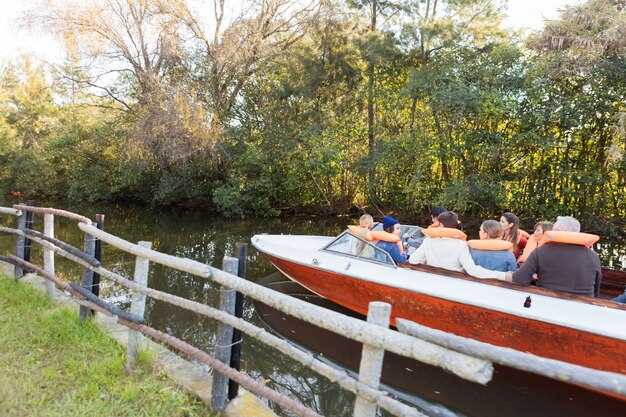
Book a five-day guided trip with a licensed outfitter to experience the Grand Canyon’s classic multi-day whitewater and scenic gorge. An experienced crew delivers asiantuntija safety briefings, comfortable meals, and smooth logistics from launch to takeout.
Boats carry you through a long, sculpted corridor of red walls, with most days delivering scenic views and manageable rapids that suit first-timers and seasoned paddlers alike. You’ll camp overnight on sandy beaches, waking to sunrise over the canyon and the calls of eagles. The area feels remote, providing a deep sense of nature away from towns, and the experience remains completely absorbing.
Guided itineraries pair safety with know-how; asiantuntija captains coach efficient paddling, rapid scouting, and river ethics. Some stretches require teamwork, but our crew helps everyone contribute–from pumping up rafts and gear in camp to sharing cooking duties. The pace works for most fitness levels, and you’ll leave with a sense of accomplishment.
Options include a five-day route or longer; if you couldnt commit to a five-day trip, some operators offer shorter, guided options. Offers vary by yritykset, but all include equipment, meals, and permits with a single booking. Today you can compare packages to find the best fit for your pace and budget. Always check the official источник of permit rules and safety guidelines; most details are managed by the outfitter in coordination with park authorities.
Ranger programs occasionally accompany camps along the river, adding context about geology and canyon life. You’ll glimpse eagles overhead, bright canyon walls, and vast nature shaping an area known for its scale and beauty. After the trip, planning a return trip makes sense–this area welcomes explorers year after year. If you want a definitive plan, contact trusted yritykset today to lock in a date, because ehdottomasti this adventure offers a once-in-a-lifetime experience.
Seasonal Windows for Arizona Rivers: Best Times for Salt, Verde, and Grand Canyon Runs
Plan Salt River rafting for late February through April for the best mix of stable flows and comfortable temperatures. From the phoenix metro, launch access is convenient and a full-day trip fits well with a city day. Oregon-based guides from ashland often tailor itineraries for adventurous travelers, offering diverse options that suit novices and seasoned rafters alike.
For Verde River rafting, aim for March through May when spring runoff keeps the water lively yet manageable and the air comfortable. The corridor features cactus-dotted banks, red-rock walls, and cottonwood shade, ideal for a class II–III float with spectacular scenery. Some trips run half-day; most operators offer full-day adventures to maximize views of rocks and cliffs. If a higher water year arrives, a few stretches can feel more difficult, but guides adapt the route to keep it safe and enjoyable.
Grand Canyon rafting windows hinge on dam releases, with the primary run in March–May for stable, high-volume conditions and a fall window in September–October when temps cool and crowds thin. Permits require planning well in advance; trips span from several days to two weeks, delivering breathtaking views of the canyon, side canyons, and iconic rock formations. A highlight is the changing light on canyon walls as the sun moves. Guides help with gear, safety, and optional hiking along the rim or within side canyons. The offering includes full-day, multi-day, and specialty itineraries; today’s availability changes weekly, so starting today you should confirm dates. Some outfits, including deriemer and areathey, list Grand Canyon departures; last-minute openings can appear, and with a good plan you can choose an itinerary that fits your pace. This option suits any person seeking a memorable desert river escape; the experience is adventurous, with exotic desert scenery, but remains accessible to most rafters who can handle the river’s mix of calm stretches and steeper sections.
Scenic Float Trips Near Phoenix: Salt River and Verde River Highlights
Start with a half-day float on the Lower Salt River from Granite Reef to Saguaro Lake for best wildlife viewing and easy, calm water; if you want more shade and scenery, pair with a full-day Verde River float from Cottonwood to Clarkdale to see forests along the river and dramatic canyon walls between red rocks.
Salt River highlights
- Lower Salt River, threading through the Tonto National Forest, offers easy put-ins near Granite Reef and Saguaro Lake and a relaxed float that’s great for people new to paddling.
- Wildlife can definitely steal the show: ospreys and herons overhead, turtles basking, and mule deer along the banks in the mornings.
- Starting points and logistics: outfitters offer tubes, kayaks, and small boats with shuttle service; should you bring water and sun protection, and choose footwear that grips on boat ramps.
- Difficulty and pace: not difficult, making it a category of trip that’s better suited for families and first-timers; couldnt be a smoother introduction to river time.
- What to bring and wear: sunscreen, a hat, polarized sunglasses, and a light jacket for shade breaks; this is an entire-day possibility if you combine with a Verde segment.
- Accessibility and tips: some ramps are ADA-accessible, and ashland-style shade trees line portions of the banks, offering comfortable spots to unplug for a moment.
Verde River highlights
- Full-day option from Cottonwood to Clarkdale reveals a broader landscape, tall cottonwoods, and a more expansive view of forests and canyon walls between the river and red rock cliffs.
- Starting times vary by outfitter, with sunrise starts common for photography; this route definitely offers better light early and late in the day.
- Logistics and safety: guided trips include shuttles, kid-friendly options, and gear; you should reserve ahead on weekends, especially during spring peak.
- Wildlife and scenery: beavers and otters along shaded bends, with birds of prey circling above; the Verde’s calm current makes it suitable for beginners and those seeking a relaxing float.
- Learning opportunities: guides explain local river ecology, riparian forests, and how the Verde connects desert and mountain ecosystems; learn about watershed health while you float.
- Extended pace and comfort: full-day trips include breaks and snacks; several outfits offer combinations that let you make a long day out of it without feeling rushed.
- Logistics note: Perkinsville to Clarkdale segments are popular starting points; some options combine a Verde float with a short hike to overlook points for extra perspective.
Practical perspective to maximize enjoyment
- People often ask which is better: Salt River offers quick wildlife fixes and easy mornings; Verde provides expansive forests and longer float times–you can pick a single segment or combine for a richer experience.
- Learn and unplug: use the day to observe wildlife, listen to water sounds, and leave devices off when possible; this helps you notice details you might miss otherwise.
- Category and planning: consider your group’s experience level when choosing between a relaxed Salt River float and a longer Verde River itinerary; starting with Salt River is a solid entry point, then expanding to Verde if you want a deeper immersion.
- Adrenaline level: both routes are predominantly scenic and tranquil, with little adrenaline-heavy action; if you crave dramatic rapids, plan a separate adventure elsewhere.
- DerieMer and local guides: many operators offer deriemer-backed itineraries that emphasize low-impact travel and safety; ashland-area guides also contribute to flexible start times and on-water tips.
- Hike options: some outings pair the float with a short trail hike at put-in or take-out for a fuller day; if you’re aiming for an entire excursion, this combination works well.
- Personal approach: bring a small daypack, a compact camera, and a snack; tailor the pace to your group, and make the most of shaded pauses along the banks.
Family‑Friendly Rafting: Easy Sections, Short Trips, and Safety Tips
Start with a Salt River float from the Phoenix area–2 to 4 miles, about 2 hours, with calm pools and gentle riffles that welcome first‑time paddlers. This stretch runs through the Tonto National Forest, where forests frame the water and eagles circle overhead, delivering a natural, exhilarating experience that is breathtaking for everyone.
For families seeking variety, Verde River trips near Camp Verde or easy lower Salt River runs offer short rides of 3–6 miles, finishing by midday. Guides provide a safety briefing, PFDs, and a steady pace, so they can join with confidence. The last mile tends to be the easiest and most scenic, a good moment to wrap up the outing. From tucson, a weekend escape to the area becomes a natural option for many families.
Safety tips: wear properly fitted PFDs, keep hands inside the boat, and stay seated during rapids. On rocky sections, a helmet is recommended; watch for lees that can trap a paddle or a foot. Check water levels and weather from the источник and local outfitters before you go, and have a plan so they and everyone else can miss a misstep and stay together.
What to bring: sunscreen, water, snacks, sturdy water shoes, and a dry bag for a camera. If you plan camping, choose established sites and confirm permits in advance; overnight options exist in wilderness zones, but for families with kids a long day on the water is safer. Some deriemer‑brand outfits tailor family trips with kid‑friendly boats and gear, making the planning simpler for busy parents.
To pick the right run, choose a section with calm water and gentle rapids, typically Class I–II and about 3–6 miles long. They can be a repeat option next season, allowing you to build confidence and try a longer, scenic leg. Plan a whole weekend by pairing a river day with a light hike through nearby natural areas; if you miss a day on the river, you can always come back for another exhilarating afternoon. The area around tucson and the Salt River offers a quick, easy outlet to nature, with white foam flaring on the edges of small rapids for a next‑level feel that is original and breathtaking.
Gear, Permits, and Planning: What You Need Before You Go
Start with a guided half-day briefing from a Phoenix-area outfitter to lock in gear, permits, and a season plan.
Gear must be completely prepared, and guides will outline what you bring versus what the operation provides. Most guided trips use inflatable boats, but you should still carry a PFD, helmet, water shoes with good traction, sun protection, a dry bag for valuables, a lightweight rain shell, and quick-dry clothing. Pack enough water for miles of paddling and snacks to keep energy steady. Operators offer lots of options for additional items, and they keep gear kept dry and organized within the boat or raft. For Salt River runs near Phoenix, tailor your kit to the season and river temperature, and trust the expert suggestions you receive from the guides.
Permits depend on the river segment and whether you travel with a licensed outfitter. If you book a guided trip, the operation typically handles permits and shuttle logistics; private trips or overnight explorations may require permits from the relevant land managers (BLM, USFS, or local authorities). Always verify current requirements with your outfitter at least two weeks ahead to avoid last-minute surprises; some day trips on popular stretches include no separate permit, while others restrict access depending on the season and location.
Planning details cover season windows, water levels, put-ins, take-outs, and shuttle options. Most half-day itineraries cover roughly 4–8 miles, while full-day trips span about 8–14 miles, with flow shaping what you can safely run. Talk with your guide about options to match your fitness and goals, whether you want quiet nature surroundings or a world-class rapid experience. Expect early starts if you’re pushing from the Phoenix metropolitan area, and coordinate pickups to fit your schedule, because reliable logistics save stress and maximize river time.
Secret knowledge from local experts helps you read geology and river features, spot cottonwood forests along the banks, and spot wildlife without leaving the river. An expert guide will walk you through ferry maneuvers, safe river crossing techniques, and the best places to observe salt formations or mineral signs along canyon walls. Ask about put-ins, take-outs, and safety drills so you can participate confidently, with plans clearly laid out in detail. The guidance from these guides is designed to keep your group coordinated and your trip enjoyable, whether you’re just starting or dialing in a full-day adventure.
All safety and permit details are kept within detail by the guide, and you’ll receive a concise checklist so nothing slips through the cracks. By combining gear readiness, permit awareness, and a solid plan, you’ll enjoy a smooth, informed experience that makes the most of Arizona’s forests, nature, and geology, while exploring miles of water and scenery in a responsible, driver-friendly way. Use this approach to compare options, stay within your budget, and approach every outing with confidence and calm.