


 Suomi
Suomi  English (UK)
  Русский
  العربية
  日本語
日本語  한국어
한국어  Magyar
  Türkçe
  Español
  Čeština
  Svenska
  Português
  Ελληνικά
  Nederlands
  Română
  Italiano
  Français
  Polski
  Українська
  Deutsch
  简体中文
简体中文  Slovenčina
  Top 25 Best Places to Visit in Australia – Travel Guide">

Start your Australian adventure with a 72-hour primer in Sydney, where must-see icons anchor a vibrant coastal scene. Stroll Circular Quay, photograph the Opera House from a harbourside vantage, and ride a ferry to Manly for a sunrise view over the water. This city anchors a practical first leg, letting you pace the rest of your itinerary, while you plan what comes next.
Then head north along the coast to the Great Barrier Reef, where barrier reefs meet turquoise water and thriving marine life. In Cairns and Port Douglas you can book a snorkel session to see corals and fish up close; allocate hours on the water, and explore surfers beaches that stay lively through the afternoon. The coastline hides lighthouse trails and dramatic headlands that let you cover kilometers of coastline in a single day.
From the reef, turn west to Western Australia’s Fortescue region, where red terrain merges with rugged coastlines and eucalyptus forests. The drive spans many kilometers of road, with lookout stops and fresh seafood along the way. A small lighthouse sits at a remote cape, offering a memorable sunset as you compare the day’s notes with fellow travelers.
In Kakadu and Arnhem Land, Aboriginal communities share stories through rock art, songlines, and guided walks. Plan hours with a local guide to learn about fire regimes, water sources, and traditional navigation. This immersion proves must-see for everyone who wants a tactile sense of how terrain and culture shape a country long before modern routes.
For international travelers, bangkok serves as a common gateway to Australia. Direct connections to Sydney, Melbourne, or Perth are frequent from regional hubs, with total flight hours often in the 9–12 range depending on layovers. From there, you can begin a coastal loop that links cities, forests, reefs, and desert systems.
Lastly, this guide frames a practical, enjoyable approach: balance time on the coast with inland exploration and keep pace with seasons, while respecting local cultures.
Discover Australia: Travel Guide and Taste of Australia
Recommendation: start with a seaside stay along tasmania’s east coast and pair it with a chef-led tasting tour to sample seafood, berries, and cool-climate wines.
From sunrise views on the northern coast to cliff-top meadows, drives along coastal highways deliver stunning scenery and easy stops at small towns where you can taste local produce within proximity of the ocean.
In national parks, you can spot rare species and watch rivers rush past granite outcrops; desolate shorelines reveal dramatic rising tides and wind-carved beaches.
Carry a light daypack and follow a well-marked path through cooling forests; many trails offer easy to moderate hiking options and scenic overlooks that fit a half-day plan.
In towns along the route, visit famous markets and seaside lanes, where local chefs present a Taste of Australia with grilled fish, bush herbs, and cheeses; pick up maps at the office to tailor your routes and book tours with local guides.
For international travelers, the northern cities offer quick flights from major hubs; book in advance, and plan multiple day visits that connect pylon-lined highways to alpine passes, coastal tracks, and river towns.
Sydney: 3-day city and harbor highlights with practical transport tips
Kick off with a sunrise ferry to Manly from Circular Quay and return by the late afternoon; this move launches a 3-day plan about harbor life and practical transport tips for a warm, efficient rhythm, named the Sydney Harbor 3-day loop.
Day 1 centers on Circular Quay, the Opera House and The Rocks. Capture the sails up close, then walk into the Royal Botanic Garden and climb the hill for a harbor panorama. In The Rocks, browse shops and hear a local story about the city’s early days and the peoples who helped shape it; the route is listed on the official map to keep you on track. Use an Opal card or contactless payment for ferries and trains to move smoothly between stops.
Day 2 shifts to the eastern coast. Take a bus or ferry to Bondi, swim in the surf, and follow the coastal path to Coogee for majestic views. Bondi offers trendy cafés with a byron vibe, while the Coogee stretch invites a slower pace amid sea spray. In the afternoon, ride the light rail to Surry Hills for boutiques and a club scene that stays lively late. If you want a documentary-style guide, pick up an audio track at the observatory stop on the way back. This day frames Sydney’s lifestyle of outdoor activity and cafe culture.
Day 3 balances city and harbor highlights. Compared with brisbane, Sydney’s harbor feels more central and walkable. Lastly, take a morning ferry to Taronga Zoo for epic skyline views, then return to stroll Darling Harbour. For a remote detour, hop a ferry toward a quiet cove for a swim or a watersports session in sheltered bays. Finish with a late dinner at listed venues overlooking the water, and cap the trip with a hill-top view from a nearby observatory if the sky is clear. If you crave a quirky local detail, a Wharton brochure points out a few hidden viewpoints and reminders about sinkholes near some coastal rocks.
Great Barrier Reef: Reef-safe snorkeling options and tour selection
Choose a small-group reef-safe snorkeling tour that uses moorings instead of anchors and requires reef-safe sunscreen. This approach protects formations and supports wildlife while you enjoy the spot.
- Group size and pace: aim for 6–12 snorkelers and a relaxed rhythm that lets you linger at each reef bit; whittled routes focus on the best bits without crowding and keep the experience comfortable for your group.
- Environmental practices: ensure the operator uses designated moorings, avoids stepping on covering coral, and follows local guidelines that protect history and marine life; look for conservation commitments and a clear protection policy.
- Gear and reef safety: verify masks, fins, and snorkels fit well, are cleaned between uses, and that sunscreen is reef-safe (zinc-based options are common).
- Route and accessibility: confirm the address of the departure point and choose options within a few kilometers of your base; ask about accessibility for kids or mobility needs.
- Local and Indigenous involvement: prefer Indigenous-led or locally operated tours that share knowledge about the reef’s history and protection measures.
- Cost and inclusions: compare what’s included (snorkel gear, guide, safety briefing, park fees) and how the price scales with the number of participants.
- Route flavor: some itineraries include a sheltered cove, others skim past cliff-backed sections; later in the day calmer conditions can reveal pink corals and sheltered bays.
What to expect on the water
- Formation details: coral formations formed over millennia, with branching, plate, and other shapes visible as you float above the reef; you’ll see bits of life move through the water column and the reef bars that separate calm pockets from open water.
- Spot selection: tours often cover a few kilometers of reef edge, selecting spots with healthy growth and minimal disturbance; the route is whittled to include the most reliable visibility and wildlife viewing.
- Scenic features: you may glimpse a cove tucked along a headland, a lighthouse in the distance, and sandstone cliffs that frame the lagoon; these elements add context to the reef’s protection history.
- Wildlife and safety: guides point out schooling fish, reef sharks at a respectful distance, sea turtles, and colorful pink sponges; always follow instructions to maintain safety and reef protection.
- After-snorkel note: some operators offer a short on-board tasting of a local wine or refreshments before they steam back to the dock, giving you time to reflect on the day’s bits and formations.
Uluru-Kata Tjuta National Park: Sunrise vs sunset viewing and park etiquette
Choose sunrise viewing for the most dramatic color reveal and a calm start; arrive 45 minutes before first light at the Uluru base viewing loop to secure a clear, uninterrupted view. However, if you prefer long shadows and cooler evening air, sunset offers a contrasting palette and a livelier atmosphere with other visitors along the same routes.
Sunrise paints the eastern face with warm pinks and apricots, while the rock catches the first light; sunset then deepens the western silhouette and casts a different glow across the desert. For a broader experience, consider a later stroll to Kata Tjuta; the tracks there deliver different highlights and a sense that mainland landscapes meet western horizons. Guides share stories that connect cultures with heritage, making the moment more meaningful and beautiful.
Park etiquette centers on respect for Uluru as a living cultural site. Do not climb the rock; follow custodians’ advice and posted closures. Stay on marked tracks, keep voices quiet near sacred spaces, and observe photography guidelines where signs indicate restrictions. Pack out all litter, carry ample water and sun protection, and wear sturdy footwear for the track portions of the day. This approach preserves both the hundred degrees of daytime heat and the cooler, reflective moments at dawn or dusk, ensuring the experience remains focused on heritage and respect.
Käytännön vinkit auttavat maksimoimaan kokemuksen. Suunnittele juomaan vettä ja tarkkaile lämpöä; lämpötilat voivat ylittää sata astetta fahrenheitia sesongin huipulla. Käytä leveälieristä hattua, levitä aurinkovoidetta ja ota kevyt takki mukaan iltaa varten. Ayers Rock Resortissa baarit ja oleskelutilat tarjoavat modernejä mukavuuksia, ja paikallisten viininmaistajaiset voivat olla rentouttava tapa rentoutua päivän seikkailujen jälkeen. Paikallinen opas, william, joka on kilsbyssä, johtaa usein pieniä auringonnousukävelyjä ja jakaa kulttuurista kontekstia, joka syventää ymmärrystä; tämä tekee vierailusta enemmän kuin pelkän valokuvan hetken.
Jos harkitset laajempaa reittiä, jotkut Walesistä tulevat matkailijat yhdistävät Ulurun rannikkoihin – Whitehaveniin ja muihin kauniisiin rantoihin – luoden muistoja eri ilmastovyöhykkeillä. Lännessä lähistöllä olevat koralliriutat ja surffauspaikat voivat tarjota myöhemmän retken niille, jotka haluavat yhdistää sisämaan perintöä ja valtamerellisiä kohtaamisia. Riippumatta järjestyksestä, pidä pääpaino kulttuurien ja perinnön kunnioittamisessa ja käytä kokemusta valaisemaan erilaisia tapoja, joilla tämä maa kohtaa ihmisiä, polkuja ja tarinoita mantereella.
Melbourne: 2 päivän ruoka-, kahvi- ja kujareitti

Begin with a vilkas Kahvilakävely Degraves Streetillä, sitten lyhyt kävely Centre Placeen leivonnaisia varten. Tilaa cortado Proud Marysta tai samettinen flat white Seven Seedsistä; limited istumapaikat tarkoittaa, että nappaat paikan ulkoa ja katsot kaupungin heräävän.
Kävele Hosier Lanen ja AC/DC Lanen läpi nähdäksesi eloisia muraaleja; the diverse värit nousevat katutasolta, jonka kanssa pylon siluetteja merkitsemässä raitiokiskoja. The kings Kahvikulttuurin keskeiset elementit ovat lähellä, valmiina syventämään tutkimusmatkaa.
Suunnittele keskiaamupäivä visit to the national Gallery of Victoria for a concise cultural hit, then walk toward the public Federation Squaren ja joenrantareitin taiteella täytettyjen käytävien. Huomaat sekoituksen alkuperäiskansojen ja nykytaiteen teoksia, ja experience asettaa sävyn elintarvikekeskeiselle iltapäivälle.
Lounaaksi kannattaa suunnata Queen Victoria Marketiin tai läheisiin kujamyymälöihin. short bites: Turkkilainen pide, japanilainen yakitori ja etiopialainen injera ovat vieressä italialaisten panini -leipien kanssa –diverse options with quick service. Afterward, stroll along the Yarra and consider a quick climb to a hill ylösnäkemys kaupunkinäkymästä.
Iltakuljetukset St Kildaan tarjoavat a rannikko tuuli, sekä sunset veden yllä ja mahdollisuus päästä ajamaan historiallisella raitiovaunulla takaisin. Se merellinen lopetus sopii hyvin myöhäiseen illalliseen Acland Streetillä tai lähialueen leipomoissa, kun pohdit hetken. epic flavor journey.
Päivä kaksi alkaa sunrise kahvia Fitzroyssä; mount lyhyt kiipeäminen lähistöllä hill nähdä siluetin muuttuvan kun valo osuu tiileen ja lasiin. Nopea walk takakujien läpi johtaa sinut kohti rochdale ja wharton kaistoja, joissa boutique-paahtimoita, itsenäisiä gallerioita ja vehreitä sisäpihoja on ryhmittynyt.
Grab a later pure ja tarttua public juna takaisin kohti kaupunkia, ja sen jälkeen joihinkin vihreisiin kehnäkohtiin alkuperäisten species seinämaalauksia ja rentoa kävelyä. Jos olet kiinnostunut pidemmistä tutkimusmatkoista, suunnittele short detour to vesiputoukset Dandenong-vuoristossa, tai kuvittele vierailu tasmania and the strait erottaminen mantereesta Tasmaniasta saarielämää varten – mantereesta Tasmaniaa erottava salmi tarjoaa terävän kontrastin kaupunkielämään, ja monet matkasuunnitelmat yhdistävät vierailun Melbournessa tulevaan saariin suuntautuvaan matkaan.
Tämä epic two-day plan compresses a real Melbourne experience tiiviiseen silmukkaan, jossa on sekoitus sunrise ja sunset hetkiä, ripeä walks, ja diverse makuja, jotka heijastavat vilkkaan kaupungin henkeä.
Tasmania: Keskeiset road trip -reitit, vuodenaikainen sää ja villieläinten turvallisuus

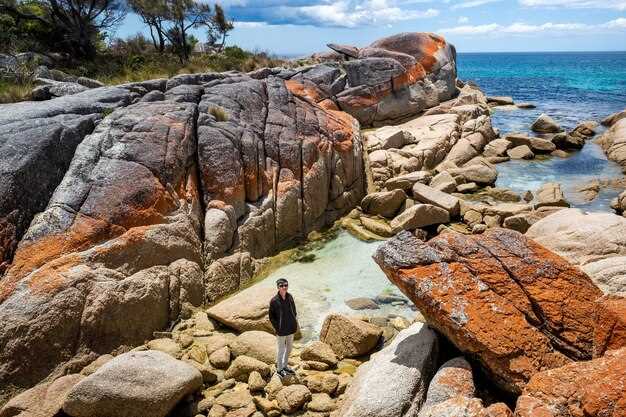
Suunnittele 9–10 päivän eteläkaakkoisen kierros: Hobart → Bruny Island → Port Arthur → Freycinet → Bay of Fires → St Helens → Launceston → Cradle Mountain → Midlands takaisin Hobartiin. Vietä 2–3 yötä kussakin tukikohdassa, jotta päivät olisivat ulkona ja rentouttavia. Käytä monikeskisiä reittejä päivittäisen ajamisen minimoimiseksi ja anna pohjoisen reitin paljastaa alppimaisemia, jotka ovat vihreitä ja taltuttamattomia. Vihreiden rannikkojen ja karun sisämaan muodostamat reitit sopivat täydellisesti ulkoiluretkille, ja luetteloidut pysähdykset on suunniteltu tasapainottamaan maisemia, keittiötä ja loistavia valokuvausmahdollisuuksia.
Vuodenaikojen sääkuva: Kesä (joulukuu–helmikuu) tuo päivän korkeimmat lämpötilat noin 21–26°C ja viileämmät yöt noin 12–15°C, mikä on ihanteellista rannikkouintiin ja patikointiin. Syksy (maaliskuu–toukokuu) viilenee 13–20°C:een; Talvi (kesäkuu–elokuu) asettuu 4–12°C:een ja yöpakkaset kohoreilla; Kevät (syyskuu–marraskuu) lämpenee 12–20°C:een ja sade pitää maisemat rehevinä. Pudonneet lehdet syksyllä luovat hiljaisempia reittejä, kun taas myöhäiskesän varmat patikoinnit tarjoavat pilvillä muotoiltuja näkymiä puurajan yläpuolella. Pakkaa kerrospukeutumista ja tuulenpitävä kuori; parhaat ulkoilupäivät keskittyvät myöhäisk kevääseen ja aikaisin syksyyn.
Villieläinten turvallisuus: kengurut vaeltavat usein maaseututeitä aamun ja illan hämärtyessä; hidusta nopeutta 60–80 km/h avoimilla osuuksilla ja pidä turvallinen etäisyys, älä koskaan ruoki niitä. Tarkkaile wombatoja ja Tasmanian paholaisia metsän reunoilla hämärän aikana, ja vältä kivikkoisia alueita sateen jälkeen, kun käärmeet voivat olla aktiivisia. Rannoilla ui vartioiduilla poukamilla ja noudata varoituskylttejä; pidä koirat kytkettynä luonnonsuojelualueilla. Ota mukaan vesipullo ja ylimääräinen kerros ylle yllättäviä sadekuuroja varten, ja käytä pientä varjopaikan allasta levähdysalueilla viilentääksesi ajojen välillä.
Paikalliset kutsuvat Bruny Islandia ehdottomaksi vierailukohteeksi, ja heidän käytännölliset vinkkinsä auttavat muokkaamaan niitä reittisuunnitelmia, joista oikeasti nautit. Tässä artikkelissa korostetaan rannikkokaupunkeja ja sisämaahan sijoittuvia laaksoja, joissa voit maistella ruokaa ja tavata ystävällisiä paikallisia. Nuorten matkablogit mainitsevat usein umpherstonin erikoisena pysähdyspaikkana valokuville, mikä havainnollistaa tunnelman vaihtelua karulta rannikolta trendikkäisiin kahviloihin. Yleinen tunnelma, johon sisältyy kuningatar‑tyylinen vieraanvaraisuus kaupunkien keskuksissa, pysyy lämpimänä ja turvallisena perheille ja yksin matkaaville tutkijoille. Luettelossa olevista reiteistä löydät vehreää maisemaa, koskemattomia rantoja ja upeita näköalapaikkoja, jotka tekevät jokaisesta tauosta vaivan arvoisen.
Matkasuunnittelun huomio: väsymyksen minimoimiseksi pidä päivittäiset ajomatkat 2–4 tuntia, käytä lyhyitä poikkeamia näköalapaikoille ja varaa oleskelut kahdessa tai kolmessa tukikohdassa yhden pitkän matkan sijaan. Perheille ja Tasiin ensimmäistä kertaa vieraileville monikeskinen lähestymistapa auttaa maistamaan erilaisia tunnelmia – viinialueista sademetsiin ja karuun rannikkoon – ilman kiirehtimistä. Tämä lähestymistapa sopii ulkoilun ystäville, jotka haluavat kokea paikallista ruokaa, villieläimiä ja lämpimää tasmanialaista vieraanvaraisuutta rennolla tahdilla.
| Reitin nimi | Pääkaupungit / pysähdyspaikat | Kokonaismatka (km) | <th Typical driving time per day <th Best season <th Wildlife highlights|||
|---|---|---|---|---|---|
| Klassinen Kaakkoislenkki | Hobart – Bruny Island – Port Arthur – Freycinet National Park – Bay of Fires / St Helens – Launceston – Cradle Mountain – Midlands – Hobart | ~930 | 3–4 | Spring–Autumn | Kangurut, merilinnut, wallabit, nyhjät |
| Hobart – Freycinet (Coles Bay) – Bicheno / St Helens – Launceston – Devonport | ~650–750 | 2–4 | Kesä–Syksy | Hylkeet, delfiinit, pingviinit rannoilla | |
| Länsi- ja Luoteispiiri | Hobart – Derwent Valley – Queenstown – Strahan – Burnie – Devonport – Launceston | ~1000–1100 | 3–6 | Kesä–Kevät | Taskmanianendot, kyyhkäiset, harvinaiset linnut |