


 Suomi
Suomi  English (UK)
  Русский
  العربية
  日本語
日本語  한국어
한국어  Magyar
  Türkçe
  Español
  Čeština
  Svenska
  Português
  Ελληνικά
  Nederlands
  Română
  Italiano
  Français
  Polski
  Українська
  Deutsch
  简体中文
简体中文  Slovenčina
  Top 10 Sailing Holiday Destinations in Europe for 2025">

Choose Croatia’s Dalmatian coast for your sailing holiday in 2025. Its sheltered coves, crystal clear waters, and island-hopping routes suit sporty crews and relaxed groups, while simple bookings and a friendly local vibe keep plans flexible.
The Aegean’s meltemi winds shape Greece’s island circuit, especially when moving in june. Sail between Santorini, Paros, and Mykonos to enjoy steady breezes, open-water horizons, and lively coastal towns. For family crews, calmer bays on Naxos ja Ios deliver easy anchorages after a day on the water.
Croatia’s Dalmatian coast is steeped in maritime history. It shines in february with milder winter days along the open sea. Short hops between Hvar, Brač, and Korčula keep sailing days compact, while medieval towns like Trogir and Dubrovnik provide memorable local culture and evening meals by the water.
The Balearics–Mallorca, Menorca, Ibiza–deliver sunny, coastal circuits with reliable late-spring winds. Look for kohokohdat such as sheltered coves, lively harbors, and farm-to-table meals after a day at sea. A small pleasure after sunset is to anchor in a quiet bay and listen to the sea. In this region, bookings for preferred boats tend to fill quickly; plan ahead.
For a wilder option, the Azores offer longer hops with rugged shores and prime whales watching in their Atlantic lanes. This arc suits seasoned skippers who want a bit more challenge but still enjoy day sails along volcanic coastlines and emerald islands.
For a broader horizon, some crews map open routes toward indonesia tai tai ryukyu archipelago, while windward days and currents around European shores keep voyages manageable, budget-friendly, and rich in local culture and marine life.
European Sailing Destinations for 2025: A Practical Roadmap Highlighting Greece’s Sustainable Sailing Push
Start 2025 with a Greece-first plan: hire a modern sailboat from experienced owners who operate with sustainable gear and a strict biofouling routine, and dock at eco-certified marinas that prioritize waste management and shore-based energy.
Base options and route logic: focus on a Cyclades loop (Paros, Naxos, Milos) with a start in Athens or Lefkada, add a Dodecanese leg (Kos, Symi), and allocate 7–10 days for late departures to keep crowds down and winds favorable.
Greece’s sustainable sailing push translates into tangible actions: eco-certified charters, port electrification, waste reporting, and responsible anchoring practices that protect seabeds and reefs. The fact remains that a disciplined approach by owners and skippers yields cleaner anchorages and happier local communities.
Highlights along the coast include Santorini’s cliffside towns, the Kameni volcano, Milos’ dramatic rock formations, and Paros’ sandy coves. Anchoring near islets reduces pressure on busy beaches while leaving space for gentle swims and on-shore walks through archaeological sites and coastal formations.
Wildlife and sea-life add a layer of interest: watch tuna schooling in deeper channels and, during migration windows, humpback sightings along the open coast. Inland nature experiences may be quieter, but the marine life delivers majestic views at sea.
Practical gear and packing tips: choose a sailboat with a robust hull and reliable radar, bring a pack with reef-safe sunscreen, biodegradable soap, and a compact biofouling kit; carry spare parts and a small first-aid kit, and travel light to minimize waste while cruising.
Across Europe for 2025, consider sweden’s archipelagos for a calm substitute or complement to Greek routes. For inland sailing, river itineraries such as the Danube offer cultural depth and sheltered waters. The Canaries provide iguanas on some islets and potential offshore wildlife, plus year-round options for late-season sailing. Whereever you sail in Europe, this approach emphasizes eco-friendly operations, responsible anchoring, and robust safety gear.
Selection Criteria: How We Ranked Europe’s Sailing Spots for 2025
Recommendation: prioritize eco-conscious, protected routes in the ionian or mljet as your core for 2025. These zones offer ideal balance between calm anchorages and luxury amenities, ideal for either a lazy day on deck or a brisk afternoon sail, delivering grandeur and captivating marine life for every place you visit.
We score each spot on five criteria: weather reliability, sheltered harbours, environmental stewardship, anchorage options, and access to amenities. In the ionian, expect sustained breezes of 12–18 knots in July–August with seas near 1–2 m, while central Adriatic routes near mljet and surrounding islets offer 10–16 knots with more predictable conditions. Shelter comes from protected bays and cliffside inlets, reducing surge and anchoring risk. Anchoring policies and marine protection zones keep posidonia meadows safe and boost long-term appeal. Accessibility covers mooring capacity, provisioning options, and shoreline services, while cultural appeal captures local markets, cuisines, and festivals that keep guests engaged throughout the year.
Environmental criteria emphasize posidonia protection and eco-conscious management. We award higher scores to places with no-anchor zones, reef-friendly practices, and clear signage for responsible boating. The measure of attraction weighs coves, lagoons, and cliffside trails that offer captivating scenery without crowding the core harbours.
In numbers, top routes offer more than a thousand moorings across hubs, yet august demand climbs sharply. Early booking and flexible itineraries help you enjoy smoother sailing days and access quieter bays or cays while keeping central routes convenient. This state of demand is increasingly pronounced, underscoring the need for planning ahead and choosing routes that balance effort with reward.
Culture and experience drive the overall verdict: destinations that pair luxury with authentic charm, from cliffside villages to bustling ports. In the ionian and mljet zones, you can enjoy fresh seafood markets, scenic coastlines, and easy access to protected coves–a little carnival vibe in peak season that heightens the sense of adventure for boating enthusiasts and families alike.
Bottom line: for 2025 we favor ionian- and mljet-centric itineraries that balance ideal sailing days, eco-conscious practice, and captivating scenery. Look for routes with robust services, thoughtful green policies, and enough variety to keep you returning year after year, looking forward to the next voyage.
Seasonality and Conditions Snapshot: Best Months for Each Destination
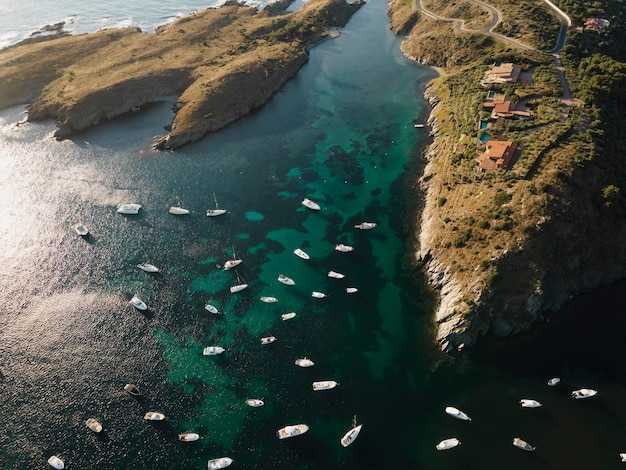
Plan May–June sails in greeces to enjoy calmer winds and warmer water. On board your yacht, you skim along the shoreline and pause at sandy coves perfect for snorkeling. This window is the symbol of tranquility, with about half the crowds you’d see in July and August. Arrive relaxed and ready for the attractions you’re keen on experiencing.
For the dazur coast, target May–June or September–October for the best balance of warmth and crowd avoidance. Sea temperatures hover around 20–23°C and air climbs into the mid‑20s, making every day on board pleasant. Low‑season rates and quieter harbors let you explore without the crush, a welcome escape from peak season. Watch for the occasional Mistral gust along exposed corners and plan sheltered routes along the shoreline to keep conditions favorable.
Head to the Balearics in May–June or September for clear water and reliable winds. Sea ranges 18–23°C with steady breezes around 12–22 knots, perfect for both relaxed hops and sporty day sails along sandy coves. Snorkeling takes you closer to the marine life, and you’ll find quieter harbors in these months, encouraging an unhurried pace along the coast.
Sail the Dalmatian Coast in Croatia during May–June and September for the best blend of warmth and fewer boats offshore. Sea temps sit around 18–21°C and Maestral winds arrive on cue at 12–18 knots, ideal for protected calms near inlets and along the shoreline. You’ll notice dramatic limestone cliffs, hidden coves, and an attraction‑filled coastline that’s easier to experience while you’re escaping crowds.
The Canary Islands offer steady conditions year‑round; proper windows are March–May and September–November. Trade winds hold robust at 15–25 knots, delivering dependable sailing for windward legs along volcanic coasts. Temperatures hover in the comfortable 19–26°C range, with snorkeling opportunities in sheltered bays and lagoons during calmer afternoons.
Madeira shines from April through October, when water sits around 18–22°C and winds stay friendly at 15–22 knots for relaxed to sporty passages. Inland hikes and cliff‑top views complement coastal cruising, so you can alternate between on‑board days and explore moments on land before the next sail.
The Algarve peaks in May–June and September for pleasant seas and fewer crowds. Water runs 16–19°C, while consistent 15–25 knot sessions along open coast deliver true sporty routes. You’ll enjoy rocky headlands punctuated by long sandy beaches, and the shoreline offers accessible anchorages for easy day hops and late‑day swims.
Corsica presents its best balance in May–June and September, with water around 18–22°C and variable winds from 10–25 knots. The coastline blends dramatic rocky sections with sandy bays, giving you scenic runs along windward shores and sheltered pockets to anchor. This half‑weight period keeps crowds modest and the sailing feels authentic, ideal for experiencing the island’s rugged beauty.
Sardinia follows a similar rhythm: May–June and September provide warm days and clear seas, with water near 18–22°C and breezes that ease between 12–20 knots along the Costa Smeralda and other shorelines. The shoreline offers renowned sandy coves and pristine beaches, making every stop feel like a new attraction and a perfect backdrop for on‑deck meals.
Malta works best from April to June and September–October, when air pleasant and water between 16–20°C make snorkeling and swims comfortable. On land you’ll find intriguing inland history and scenery, while on board you can cruise between blue‑lagoon coves and cliff‑top viewpoints. Use mariana and maya markers on your planning map to visualize long hops, and you’ll feel confident arranging half‑day hops that arrive with energy and a sense of discovery.
Greece Case Study: Policy Levers Driving Sustainable Sailing
Adopt a fixed network of 12 eco-certified anchorages around paros and nearby shores, with clearly numbered mooring buoys and a €25 daily fee that funds habitat protection, waste management, and enforcement. Pair this with a clearly published sustainable route to steer trips toward culture-rich sites and minimize crowding, guiding adventurers to spots wherever possible while reserving some routes for something explored by researchers.
Require charter licenses only for operators who submit an environmental management plan and implement a waste-disposal protocol; conduct six-month audits; publish quarterly usage data. Install thin, weatherproof bins along narrow access corridors to keep beaches clean. The policy provides transparency and channels funds to shoreline restoration, seagrass beds, and oyster habitat protection, with explicit targets for each site.
Benchmark Greece against Bequia’s conservation fund model, where a portion of charter revenue supports reef protection and lobster monitoring; Greece can adapt a cruz levy on trips that pass through paros and the Cyclades, ensuring the plan steeped in local culture. The approach gives freedom to sailors while sustaining resources for locals and sites that need it most.
Early pilots in 2024 show an 18% rise in eco-certified trips and a 34% drop in anchor damage events on sensitive shores. Operators report a 12% reduction in average fuel use due to shorter, more efficient routes, and crews increasingly include longer itineraries that highlight culture and cuisine, including oyster menus on selected trips and lobster tastings at coastal tavernas. Howler calls from seabirds remind operators of biodiversity along the route.
Engage local fishing communities with afield workshops to capture feedback on access to anchorages and protection of lobster grounds. Publish a map showing anchorages, spots, and preserved cultural sites; maintain a list of must-visit sites steeped in history and tradition for every season. The policy ensures adventure remains balanced with conservation and respect for local name and heritage.
Climate shifts and monsoon-like wind patterns in the Aegean require adaptive timing for permits and flexible route planning. Schedule seasonal permit windows to avoid peak risk periods and protect habitats; use real-time weather data to adjust routes and allocate resources. Update the anchorages network each year based on ecological indicators and user feedback.
Name the program the Aegean Stewardship Plan and roll it out over 24 months with clear milestones for anchorages, route updates, and stakeholder reviews. This framework yields more opportunities to explore sites with less impact, while respecting culture and shores for future trips.
Port Infrastructure and Sailing Access: What to Expect in Greece and Other Hotspots
Valitse tukikohdaksi suuri satama, kuten Pireus tai Korfu, jotta varmistat täydellisen pääsyn polttoaineeseen, veteen, maasähköön ja sisämaan palveluihin pysyen samalla saarten läheisyydessä. Kreikassa eurooppalainen purjehdus yhdistää historialliset satamat moderneihin palveluihin, jolloin voit hakea helpotusta ruuhkaisista ankkuripaikoista tunnelmasta tinkimättä.
- Pireus/Lavrion (Ateenan portti): syväsatamapaikat 4–9 m, AIS- ja VHF-navigointi, polttoainetta paikan päällä, 125 A maasähkö, luotettava vesihuolto, pesula- ja korjaustelakat sekä nopeat maayhteydet metroon. Läheinen tori ja rantatavernat tarjoavat helpon illallisvaihtoehdon, ja vankka rannikko suojaa tuulenpuuskilta tarjoten erilaisia ruokailu- ja ostosmahdollisuuksia jokaiselle.
- Korfun ja Jooniansaarten keskukset: pitkät aallonmurtajat, joiden syvyys on 6–8 metriä, lukuisia vierasvenelaitureita ja helppo pääsy pikkusaarille, kuten Paxokselle ja Antipaxokselle. Palveluihin kuuluvat suihkut ja vuokra-autot, joilla pääsee tutustumaan sisämaan nähtävyyksiin; leppeät illat ja rauhallinen ilmapiiri houkuttelevat vierailijoita, ja laiturialueilla on täydellisiä paikkoja rannikkoelämästä nauttimiseen.
- Kreeta (Iraklion, Hania): vankat satamajärjestelyt, luotettava muonitus ja sisämaan tiet merkittäville nähtävyyksille. Sisämaan kaupunkeihin pääsy mahdollistaa perinteisten illallisten nauttimisen ja markkinoilla kuljeskelun merellä vietetyn päivän jälkeen; monet purjehtijoiden vierailemat satamat raportoivat yhdenmukaisista kiinnityspaikoista ja ystävällisestä satamahenkilökunnasta, mikä mahdollistaa paikallisen kulttuurin todistamisen.
Muut suositut paikat tarjoavat samankaltaista luotettavuutta: Kroatian Split ja Dubrovnik tarjoavat suojaisat satamat, pitkät laiturit ja venesatamat 3–12 metrin syvyyksillä; Espanjan Mallorca ja Menorca tarjoavat suojattuja altaita ja tehokkaat polttoainelaiturit; Porto Cervo Sardiniassa ja Ajaccio Korsikassa yhdistävät ylelliset kartanot ja vankat kiinnityspaikat. Näissä paikoissa pienet saaret, rannikot ja elävät näkymät luovat monipuolisia paikkoja erilaisiin reitteihin, paikkoja, jotka vetoavat kaikkiin, ja kutsuvan ilmapiirin nauttia.
Tuulen käyttäytyminen vaihtelee satamittain, ja ulvovat puuskat voivat pyyhkäistä paljaat rannat; valitse altaat, joissa on vankat aallonmurtajat, kun ennusteet lupaavat kovempia tuulia. Varaa Kreikan ja Euroopan suosituimpien kohteiden vilkkaista satamista laituripaikat hyvissä ajoin sesonkiaikana, tarkista navigointilaitteet ennen pimeää ja käytä sisämaan reittejä tasapainottamaan merellä vietettyjä päiviä markkinavierailuilla ja illallisilla rannalla. Jokaisesta pysähdyksestä tulee täydellinen luku, jossa voit nähdä uuden nähtävyyden, vierailla pikkusaarilla ja pohtia hyvin suunnitellun matkasuunnitelman rauhaa, joka sopii kaikille matkailijoille ja perheille.
Matkailijan suunnittelupakki: Budjetti, turvallisuus ja vastuulliset matkailukäytännöt
Suositus: Aseta päivittäiseksi kulutuskatoksi 120–180 EUR, varaa kiinnityspaikat etukäteen ja valitse avoimia, luontopainotteisia reittejä, joissa yhdistyvät luodot, sisämaan satamat ja intiimit poukamat. Näin saat tasapainoisen suunnitelman, joka maksaa huomattavasti vähemmän kuin päämäärätön harhailu.
Ruokailujen ja muonituksen järjestämiseksi suosi paikallisia toreja, joista löydät kulinaarisia herkkuja ja ostereita. Yhdistä rennot välipalat muutamiin erinomaisiin kokemuksiin, jotta kustannukset pysyvät ennakoitavina ja maku on täyteläinen. Tämä lähestymistapa tukee kreikkalaistyylisiä pysähdyksiä, joissa yhdistyvät pienet putiikit, tuoreet raaka-aineet ja kevyet rannikkoateriat.
Suunnittele lähdöt kesäkuun puoliväliin, jotta voit hyödyntää pidempiä päiviä ja tyynempiä tuulia, ja laadi sitten reitti, joka tuntuu pienten satamien, harvinaisten ankkuripaikkojen ja villien rantaviivojen leikkikentältä. Siellä voit luoda yhteyden luontokeskeisiin hetkiin pitäen samalla matkasuunnitelman helposti lähestyttävänä ja intiiminä.
Turvallisuuden perusta on kompakti paketti: VHF aluksella, pelastusliivit koko miehistölle, yksinkertainen sääennusteiden tarkistusrutiini ja kahden hengen vahti avovesillä. Yksinkertaisuus vähentää riskejä ja tekee rantautumisista rennompaa sisävesillä tai suojaisissa lahdissa.
Vastuullinen matkailu korostaa mahdollisuuksien mukaan kiinnittymistä laituriin merenpohjan elinympäristöjen suojelemiseksi, pienten putiikkien ja paikallisten oppaiden tukemista sekä sellaisten matkanjärjestäjien valitsemista, joilla on avoimet jätehuoltokäytännöt. Vältä ankkurointia herkille meriruohoniityille tai koralleille, etsi sukeltajia ja luonnonvaraisten eläinten huomioivia reittejä, ja älä koskaan jätä jälkiäsi. Näiden valintojen ansiosta tarjolla on runsaasti vaihtoehtoja harkittuun ja helposti lähestyttävään matkaan, joka kunnioittaa sekä ihmisiä että paikkoja, siellä täällä kun pyrit parempaan tasapainoon jokaisella etapilla.
| Category | Käytännön vinkki | Arvioidut kustannukset (EUR) |
|---|---|---|
| Kiinnitys ja ankkurointi | Varaa suosittuja satamia etukäteen; käytä virallisia kiinnityspoijuja suojellaksesi merenpohjaa; budjetoi 25–60 EUR yöltä satamasta ja palveluista riippuen. | 25-60 |
| Tarjoilu ja ateriat | Käy paikallisilla toreilla; varaa 60–90 EUR päivässä kahdelle; maistele ostereita ja mereneläviä; suunnittele kaksi kevyttä lounasta ja yksi runsas illallinen yhdistääksesi vaihtelua ja vastinetta rahalle. | 60-90 |
| Turvavarusteet ja -käytännöt | Pidä pelastusliivit kaikille; pidä VHF kannella; tarkista sääennusteet kahdesti päivässä; luo yksinkertainen kahden hengen vahti avomeriosuuksille. | – |
| Vastuulliset matkailukäytännöt | Suosi kiinnityspoijuja ankkuroinnin sijaan herkissä elinympäristöissä; tue pieniä putiikkeja ja paikallisia oppaita; vältä suojelualueita, kun se ei ole välttämätöntä; kunnioita sukeltajia ja villieläimiä; valitse mahdollisuuksien mukaan vastuullisia toimijoita. | – |