


 Suomi
Suomi  English (UK)
  Русский
  العربية
  日本語
日本語  한국어
한국어  Magyar
  Türkçe
  Español
  Čeština
  Svenska
  Português
  Ελληνικά
  Nederlands
  Română
  Italiano
  Français
  Polski
  Українська
  Deutsch
  简体中文
简体中文  Slovenčina
 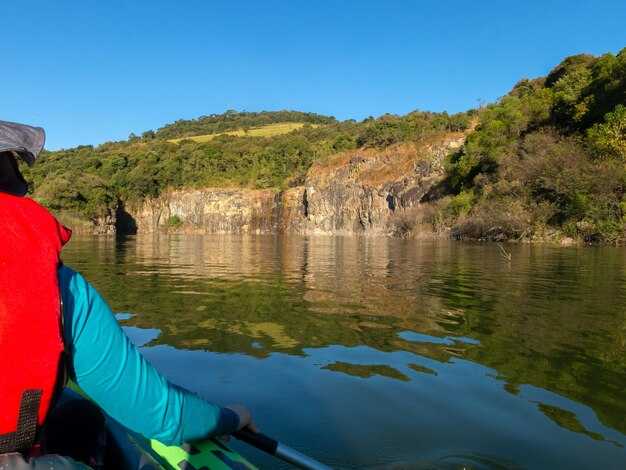 Top 10 Fly Fishing Destinations in the American West – Best Rivers for Anglers">

Recommendation: Begin with missouri River for a versatile West fly-fishing kick-off. This route unfolds through rugged plains and scenic canyons, and the upper reach offers long runs and backwaters where trout rise reliably. Expect browns and rainbows in broad waterways, with lakes nearby feeding the main flow. Plan 4–6 days and use affiliate gear guides to compare rods for big river fishing. Before you go, track the seasonal change and the outwatch for flow shifts that affect access and parking.
Madison River in Montana delivers a classic float with a scenic backdrop and dependable fishing. Hatches of caddis and mayflies spark nouse events for both browns and rainbows, especially in spring and early summer. Use a 9-foot 5-weight and target certain stretches from West Yellowstone area to Bozeman passes; this stretch turns days on the water into adventures for anglers of all levels.
The Gallatin River, a short drive from Bozeman, offers diverse waterways and dramatic scenery near the Yellowstone corridor. Upper sections yield eager browns and rainbows with stonefly and mayfly hatches, while calmer pools hold fish through late summer. Access near towns is straightforward, and a light setup with streamers helps when the drift boat drifts through deeper runs.
The Yellowstone River features a long, scenic profile from Yellowstone National Park outward into Montana’s plains. Summer mornings bring rising trout in fast riffles and slow bends; use a balanced rig to cover tailouts and side channels. Expect big, wary rainbows and browns that pressure a fly line along the current seams in pacific country air.
Deschutes River in the pacific Northwest anchors a strong fishing scene. Lower Deschutes sees busy riffles and drift boats, while the upper sections offer accessible wading and dry‑dropper setups. From July through September the hatch calendar peaks–PMD, caddis, and stoneflies create reliable rise opportunities. Nearby lakes and reservoirs feed cold water that keeps trout active, including rainbows and cutthroat, in a diverse mix of runs.
The Snake River runs through Idaho with running water that carries anglers through dramatic canyons and river towns. Focus on the Hells Canyon corridor or the Teton foothills, where rainbows, cutthroat, and a few browns rise to midges in cool mornings. Spring flush brings strong hatches; plan with an outfitter to coordinate boat access and safety in remote sections.
Rogue River in Oregon presents a scenic, year‑round option with a solid game fish population. The middle stretch near Grants Pass hosts browns and rainbows in fast riffles and slower pools; in winter and spring the river offers steelhead, while summer dries bring reliable rises for fly fishers. Tarpon aren’t here; this is freshwater trout country, but the thrill is real when you spot a big brown settle into a seam.
Yakima River in Washington provides steady dry‑fly fishing for end‑summer and fall, with big browns and robust rainbows near Ellensburg. Hatch activity includes PMD and caddis, and a classic streamer run can trigger a strong rise if you time a hatch. For readers in York area towns, this river pairs nicely with coastal days for a compact, scenic itinerary.
San Juan River in New Mexico offers one of the West’s iconic winter adventures. Concentrated trout, often larger than average, rise to midges and baetis in certain pools; anglers switch to longer leaders and heavier tippets to handle clarity and tailouts. The San Juan supports a stable fishery, and many guides offer packaged trips with affiliate lodges for winter slots.
Gunnison River in Colorado closes the list with reliable water and easy access from the valley floor. The lower canyon holds a mix of browns and rainbows with pocket water, while the upper runs give a more forgiving wading scene through late spring and summer. If you seek a scenic, varied trip that blends river sections with nearby lakes, Gunnison fits well and keeps the action diverse.
Top River Destinations in the American West for the Practical Angler
Target the Deschutes River in Oregon as your first stop for reliable late-summer action. The waters offer a mix of riffles, runs, and deeper pockets that stay readable as flows shift, and wading near Bend keeps trips efficient. Use a versatile rig–the dry/dropper or tight-line nymph–and stay flexible to switch patterns with hatch timing; this approach turns a short day into steady success and fuels the dream of a better score.
Columbia River system, Washington and Oregon provides practical options across a broad reach. Begin with lower Columbia tailouts for midges and baetis, then slide into mid-channel seams for bigger trout, and explore the Klickitat and Yakima corridors for closer access to guides. Plan trips that balance river miles with park-and-fish stops, and keep a quick video log of hatch windows to build a favorite pattern library for later quests. The calls of the river reward anglers who stay patient and exact with the casts.
Snake River, Idaho delivers aggressive water and long flats ideal for drift boats. The upper stretches near Jackson and Hell’s Canyon hold feisty cutthroat and rainbow complexes; bring a sturdy nymph rig and a few larger streamers for tailouts. This river rewards deliberate reads of seams and structure, and the canyon scenery adds an impressive backdrop to every day on the water.
Green River, Utah flows through red-rock canyons and offers healthy, clear water with deep pockets and slow tails. Target midrange nymphs and stonefly dry-dropper rigs in spring and fall, and switch to light dries when the wind cooperates for topwater takes. Access points from surrounding parks and canyons let you tailor trips that keep you exploring natural pockets without chasing long drives. Later adventures in this system reveal even deeper pools and quieter runs.
Madison River, Montana ja Gallatin River, Montana offer different tactics for thoughtful anglers. The Madison shines with classic nymphing and streamer work in spring and early summer, while the Gallatin yields fast-water runs and productive riffles for long casts and tactical dries. Map Ennis and Big Sky access as anchors, then rotate patterns to stay ahead of hatches; in late summer, frog patterns can trigger surface takes in slower pockets, making for rewarding flips of the switch and stronger days on the water.
Rogue River, Oregon combines timbered banks with a mix of spring creeks and lower-river runs. Dry patterns draw active takes on morning seams, and streamer work powers the afternoon through bends where water speeds up. Guided days help lock in sections with steady fish; the canyon walls rise like a cape around the channel, making every drift memorable. You’ll leave with a favorite pattern and a fresh story to tell, often after a day that feels almost effortless.
Yakima River, Washington near Ellensburg offers healthy trout and reliable hatches from late winter into fall. Start with the lower river for midges and baetis, then move higher for March browns and PMDs; bring a small box of nymphs and a few lighter dries. In select pockets, avoid plastics and keep the line light to improve float. Close-in access makes it a practical choice for weekend trips, and the water is forgiving enough to build confidence across multiple beats.
weve learned that keeping two anchor rivers in rotation, with clearly mapped access points and hatch windows, yields the most consistent results. Share notes about hatch timing with a guide, and use a lightweight camera to capture video logs for later review and better choices on future trips.
Seasonal windows and hatch highlights for the West’s top rivers
Plan your trip for late May through July to maximize hatch activity on Yellowstone’s, Madison’s, and Henry’s Fork’s waters, while Snake River sections and Green River reaches show their strongest action. With temperatures climbing from the mid-40s into the 60s Fahrenheit, insect activity peaks and fish feed aggressively in the warm afternoon windows. This truly guides a masterclass in timing that’s accessible from park towns and high-country bases alike.
Across the mountain creeks and big rivers, the seasonal rhythm is consistent: spring hatches light up the mornings, summer brings sustained caddis and PMD action, and fall settles into smaller mayflies and terrestrials. Dont overlook the value of reading a local hatch chart and matching your tippet to the hatch size; a few precisely tied dries or slow-sinking nymphs can turn ordinary days into incredible counts of rising trout near the riverbanks, just an hour from your place.
From Idaho’s upper forks to Utah’s redrock edges and Colorado’s canyon flats, you’ll find predictable windows that let you pair a short trip with a focused hatch plan. If your base is in upstate Idaho or a park lodge near Yellowstone, you’ll benefit from nearby access, early-morning rises, and the opportunity to vary your tactics as temps shift. In Alaska’s regions, alaskas offer different schedules, but the approach–watch the water, read the hatch, and shift patterns accordingly–remains the same. And for a different flavor, the Chesapeake and coastal fly-fishing philosophies remind us that patient observation and precise casts pay off, even if you’re miles inland from saltwater rivers.
| River | Spring hatch highlights | Summer hatch highlights | Fall hatch highlights | Temps & access notes |
|---|---|---|---|---|
| Yellowstone River (MT/WY) | PMD nymphs and Trico spinner falls; early mornings offer solid rising activity | Caddis and PMD patterns; evenings good for dries along eddies | Blue-winged olives (BWO) and light nymph activity; terrestrials become productive | Water 45–60°F; early start, boat ramps near park entrances; near park access, predictable flows |
| Madison River (MT) | Green Drake season ramps; Trico spinners before dawn | PMD and caddis flights; consistent mid-day risers in pocket water | BWO and late mayfly subsurface trends; hopper patterns pick up | Water 46–62°F; accessible from Big Sky corridor; use a 5–6wt for streamy runs |
| Henry’s Fork (ID) | Green Drake early-season window; Trico early morning visibility | Trico fades; caddis and PMD activity on slower sections | Blue-winged olive and fall mayflies; terrestrials in the shallows | Water 44–60°F; classic launching points from and around the park towns |
| Snake River (ID) | BWO/PMD pulses; blue-winged olives on warmer days | Caddis and stonefly canopies; lower sections host salmonfly events | Small mayflies and midge play; longer drag-free drifts pay off | Water 42–64°F; access via river ramps and public land; keep wind in mind on big water |
| Green River (UT) | Salmonfly window sometimes appears; early caddis and PMD activity | Heavy caddis and PMD cycles; large patterns succeed on washed-out days | BWO and fall stonefly patterns; cooler mornings bring risers | Water 45–60°F; Desolation Canyon and surrounding access points require permits or guides |
| Colorado River (AZ/UT) | Spring BWO and PMD emerge; spring-fed pockets respond well to nymphs | Mid-summer caddis and PMD; dry-dropper setups shine along shorelines | Fall mayflies with smaller patterns; trico emerger setups still productive | Water 48–64°F; high-country access can vary with releases; plan around dam schedules |
In Alaska’s rivers, consider late-summer windows for coho runs and associated fishing, which contrasts with the trout-focused action of the lower 48. The key is to align gear and flies with the hatch schedule you’re chasing, stay flexible, and enjoy the incredible scenery–from alpine meadows to canyon walls–while keeping your approach simple and effective. With smart planning, you’ll find the opportunity to cast in places that feel truly iconic, and your season will become a memorable masterclass in timing and technique.
Access points, parking, and launch options for prime river sections
Start at Madison Junction for quick access to the lower Madison; it’s the most reliable starting point here, with a defined lot and a short carry to water. Park early in peak season, because spots fill fast, and use the pullouts along the highway for late starts. From this location you can explore a three- to six-mile sequence of riffles, springs, and slow runs, with take-outs near Ennis or downriver at public access points well marked on the map. This setup brings you close to the action, minimizes drive time, and keeps your day focused on the river.
Missouri River behind Great Falls offers a dependable trio of put-ins that are easy to reach and easy to park. Giant Springs State Park provides ample parking and a straightforward paddle to several classic runs, Black Eagle Park gives a shorter carry but a cleaner ramp, and Rotary Park presents generous space for rigs with several pullouts nearby. Rights of way along this stretch are clear, the ramps are well maintained, and you can loop between sections without a long shuttle. If you’ve got only a half day, start here and cover a massive, productive segment with minimal backtracking.
The Deschutes River near Bend offers multiple concrete ramps at public parks and city facilities, plus relaxed parking near the Old Mill District. Tomlike runs exist just downstream, while the Bend urban area puts in a few easy options within a short drive. Here you can shift from the upper to the middle Deschutes in minutes, letting you tailor a moderate six- to eight-mile float with dependable put-ins and clean take-outs. The river corridor is friendly to beginners and seasoned anglers alike, so you’ll find parking that fits your rig and a launch with little carry.
Fryingpan River access at Basalt and nearby public ramps along the Fryingpan corridor provide short carries and well-marked pullouts. Basalt’s ramp area gives you a short, direct route onto a fast, technical section that’s famous for nymphing and streamer action, while Ruedi Reservoir offers a higher-volume option with longer miles. Parking is typically ample at the main ramps, though weekends can see crowding, so arrive early to lock in a spot and a smooth launch.
Gunnison River access around Blue Mesa and near Montrose supplies a few reliable launch sites with clear parking patterns. Expect well-kept ramps at state parks and county facilities, plus pullouts along the highway for quick shuttles. You can target a bigger water section here, then pick a take-out at a friendly riverside park or a public boat ramp 4–8 miles downstream. The setup here tunes nicely to longer days on the water with options to switch between deep runs and shallower, feeding riffles.
San Juan River sections near Farmington and Pagosa Springs provide straightforward launches from public ramps with ample parking during peak seasons. Here you’ll find accessible pullouts and shorter carries, ideal for a half-day plan or a quick follow-up session after a morning elsewhere. If you’re chasing a “big river” feel with consistent feeding lanes, this stretch offers reliable, user-friendly access and near-town conveniences that save miles on shuttle drives.
Snake River segments around Jackson Hole and the Idaho border balance dramatic scenery with practical access. Put-ins along the highway corridors give you short, well-marked carries to fast-water runs or slower tail-outs. Parking ranges from curbside spots to dedicated lots at public ramps; you’ll find that near-town locations keep rights-of-way clear and allow you to move between sections with minimal road time. If you’re after bigger water and a longer loop, this area has you covered.
Yellowstone’s upper and mid-river sections present dependable, well-maintained access with established public ramps and pullouts. Here you can plan shorter trips of two to four miles or longer stretches that let you string together more miles as you learn the water. Parking is typically ample at main access points, with a few tougher days when crowds swell, so aim for early starts here to keep your focus on the fishing and the scenery.
Across these prime sections, the common thread is straightforward access: public ramps, town parks, and BLM or state land that preserves your rights to float and fish. Bring a map, note the mileage between put-ins and take-outs, and plan a loop that minimizes shuttle time. In this American West, you’ll explore a lifestyle that blends big-water opportunities with intimate, intimate-water moments, and you’ll find that many sections offer exceptional, world-class options in a compact area. Youve found a region where massive runs and feeding lanes converge, with more miles of water to explore than you expect, and plenty of parking to keep your day moving smoothly. For anglers chasing kings and other iconic species, these sections deliver action, variety, and the chance to connect with friendly local people who love the sport as much as you do, right here in the heart of the American landscape.
Gear kit: rod, line, and fly selections by river
Start with a 9’0″ 5-weight rod, a weight-forward floating line, and a 9′ leader ending in 4x tippet as your default kit; carry a short sink-tip or a 3- to 5-foot sinking line for deeper runs, and switch to a 6-weight when a river calls for a bit more punch. This setup will handle most june through august days, letting you adjust quickly as hatch timing shifts along your route here in the west.
Madison River (Montana): keep the 9’0″ 5-weight, add a 9′ leader with 4x tippet, and pair a floating line with a 3-foot sink-tip for late afternoons. Patterns focus on PMD and BWO emergers (#14–18), small caddis (#14–16), and a team dry/dropper rig with a #14 Adams or #16 parachute attractor. Have a small box of nymphs in sizes #12–16 (Pheasant Tail, Prince Nymph) and a streamer or two (brown Woolly Bugger) for morning browns along the miles of water around the park and wilderness reaches.
Henry’s Fork (Idaho): use a 5- to 6-weight for bigger runs and braided currents; pair with a long leader (9–12 ft) and both a floating line and a 3- to 5-foot sink-tip for deeper slots. Nymphs shine: #12–16 Prince Nymph, Pheasant Tail, and Zebra Midge in #16–#20; dries like a size #14 Elk Hair Clydesdale or parachute mayfly; streamers in a #8–#12 range for early light. This river will bring you to productive sections quickly, especially in the canyon country here, where the flow can change and what you pick will depend on water clarity and temperature.
Deschutes River (Oregon): a versatile 5- or 6-weight covers quick riffles and deeper pockets; float line with a 9′ leader, plus a 3–4 ft sink-tip for mid-column nymphing. Dry/dropper rigs work well with #12–16 PMDs and #14–18 stonefly nymphs; attractors in #12–#14 for the shade meters, and orange or olive body colors. For late afternoon, swing a streamer or two (brown and olive Woolly Bugger) to target healthy rainbows and occasional browns along the long water stretches of the Bend area.
Green River (Utah): expect bigger flows and wider channels; go with a 6-weight rod for control and mends; pair a floating line with a longer 9–12 ft leader and a short sink-tip for pockets and runs. Use stonefly and attractor patterns in #8–#12, along with caddis and PMD nymphs in #14–#18. A solid option is a bright green or Kona brown streamer for early morning thrash, plus a trailer dry for the flat sections. The river’s length and flow demand precise casts and a robust setup, but the outcome can be amazing if you keep your presentation clean through the current and riffles.
Snake River (Idaho/Wyoming): carry a 5- to 6-weight with a heavy leader (9–12 ft) and both floating and sunk lines (3–5 ft sink-tip). Nymph patterns shine here: Prince Nymph, Pheasant Tail, and Hare’s Ear in #12–#18; dries in #14–#16 (Caddis and small mayflies); streamers in olive or brown in #6–#10 for bigger fish. Expect long stretches of fast flow and deep buckets, so your rig should be able to cut through the current while staying in the strike zone for model browns and cutthroat alike.
Fryingpan River (Colorado): a 5-weight works well on this high-country tailwater; use a floating line with a long leader and a 3- to 4-foot sink-tip for mid-depth work. Best bets: #12–#16 PMD and caddis nymphs, #14–#18 princes and hare’s ear for dropper rigs, and #10–#14 streamer patterns when you see pods of rising trout in the seams. The water here is clear and the ecosystem pristine–your accurate casts through the riffles will pay off with healthy, long-distance takes.
Gallatin River (Montana): keep your kit light and adaptable: 9’0″ 5-weight with a floating line and a 9–12 ft leader, plus a 2–4 ft sink-tip for mid-depth chunks. Dry fly halo patterns in #12–#16 (Yellow Stimulator, Parachute Adams) and prospecting nymphs in #14–#18 (Hare’s Ear, Pheasant Tail) cover most hatches. Add a small streamer in brown or olive for early morning cruising browns along the banks, especially in the park or wilderness corridors that line the river here.
Smith River (California): a reliable 5-weight setup with a floating line and a long leader (9–12 ft); keep a 3-foot sink-tip for leaf-litter pockets and mid-current pockets. Dry patterns: #12–#16 Elk Hair Cleyone or Parachute mayflies; nymphs: #14–#18 Leadwing Flies and Pheasant Tail; streamers in #6–#10 for the more aggressive specimens. The river’s healthy browns and rainbows along the canyon walls offer a solid opportunity to cast into strong pockets and pull fish through the runs along the far bank.
Location choices and color notes: when you want extra contrast, try Kona brown for streamers and nymphs; brown tones often trigger strikes in clear water. Pack a compact box with Adams, PMD, and caddis patterns, plus a couple of larger spinners for oversized browns. Whether you’re chasing miles of river or a single, long run, this gear kit will stay aligned with your west coast trips and the varied conditions you’ll encounter in june, july, and august. Your best days come from a calm carry, a clean drift, and the confidence to switch lines and flies as the flow shifts and bugs emerge. This combination keeps you ready for the country’s best waters and the parks and wilderness corridors that frame them, offering outstanding fishing in every season among these river systems. Here, the plan is simple: match the water, the bugs, and the movement, and your odds of a memorable brown or rainbow rise. Okeechobee or Kona hues aside, your setup will stay consistent, and the opportunity will remain strong as you explore the West’s most iconic waters.
5 Clear Lake – California: seasonality, tactics, and access tips
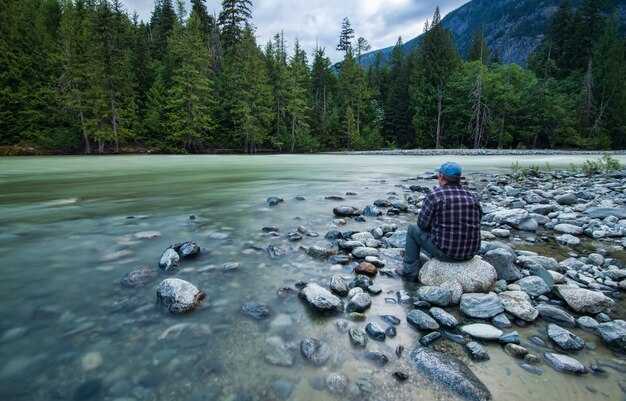
Recommendation: target rainbow trout along weed edges from late winter into early spring using slow, deliberate casts with small spoons or bead-headed nymphs, and pair that with a reliable 9-foot, 5-weight setup. Create a simple plan that alternates boat and shore sessions, and always check today’s access rights and third-party permissions before landing. Keep a location map handy to pick easy, public spots and to avoid private shoreline restrictions.
Seasonality, at a glance
- Winter (Dec–Feb): trout concentrate in shallow coves after stocking; keep rigs light and casts short, using midge patterns and small spoons near weedlines at dawn or dusk.
- Spring (Mar–May): warming water pushes fish to mid-depth edges; reach channels and drop-offs with longer casts, then switch to deeper retrieves as sun climbs; be ready for top-water surface activity on calm days.
- Kesä (kesä–elokuu): syvimmässä vedessä on tasaisinta taimenen toimintaa; käytä uppoavaa tai täysin uppoavaa siimaa, kalasta ennen aamunkoittoa ja myöhään illalla vesikasvien reunojen ja niemien läheisyydessä; lusikat ja pienet streamerit ovat loistavia näissä olosuhteissa.
- Syksy (syys–marraskuu): viilenevät lämpötilat aktivoivat uudelleen pintatoiminnan lahdissa ja poukamissa; kohdista hyökkäykset vesikasvillisuuden lähelle hitaammilla sisäänvedoilla ja kevyemmillä perukkeilla, ottaen huomioon iltapäivän tuulet.
Taktiikat ja varusteet
- Välineet: 9-jalkainen, luokan 5 vapa on monipuolinen; pidä mukana kelluva siima sekä lyhyt uppokärkinen siima; 4–6x perukkeet sopivat surviaissääskille, nymfeille ja pienille lusikoille; ylimääräiset siimapuolat mahdollistavat taktiikoiden nopean vaihtamisen.
- Esittely: heitä kohti vesikasvien reunoja tai kärkiä, siimaa korjaten ylläpitääksesi tasaisen linjan, ja nyi tai sykytä sitten perhoa hitaasti houkutellaksesi taimenia; jos näet pintovia kaloja, heitä perho lyhyellä, harkitulla heitolla taskukohtiin.
- Perhot ja vieheet: pienet helmipää nymfit, surviaissääskikuviot ja mikrostreamerit toimivat ympäri vuoden; lusikat ovat tehokkaita matalissa lahdissa; ole valmis vaihtamaan hieman isompaan malliin, jos parvikala paine kasvaa.
- Vinkkejä saavutettavuuteen ja sijaintiin: ota mukaan perhonsidonnan työkalupakki nopeita säätöjä varten paikan päällä sekä pienikokoinen kamera luodaksesi muistoja jaettavaksi seikkailuistasi; keskity julkisiin pääsypaikkoihin ja helppoihin rantaviivoihin minimoidaksesi ajelehtimisen ja ajelehtivan veneen valmisteluajan.
Access tips
- Clearlake-järven ja pohjoisrannan ympäristössä on yleisiä luiskia ja helppo pääsy rannalle; käytä Clear Lake State Park -puistoa ja paikallisia yleisiä veneluiskoja luotettavina vaihtoehtoina; tarkista ajankohtaiset olosuhteet ja mahdolliset sulkemiset ennen kuin lähdet tänään.
- Säädösten tarkistus: Varmista ajantasaiset säännöt Kalifornian kala- ja villieläinministeriöltä (California Department of Fish and Wildlife); tarkista mahdolliset muutokset lupiin, rajoituksiin tai kausittaisiin rajoituksiin koskien kirjolohta Clear Lakessa ennen kalastusta.
- Kulkuoikeudet: selvitä kolmansien osapuolten kulkuoikeudet, kun lähestyt rantatontteja; joillakin alueilla voit rantautua yleisiltä vesialueilta, kun taas toisilla alueilla tarvitset luvan yksityisiltä maanomistajilta.
- Varusteet ja valmistautuminen: Pidä varusteesi järjestyksessä, jotta voit vaihtaa nopeasti ranta- ja veneasetusten välillä; ota mukaan varapuola, pieni perhonsidontapakkaus ja kartta, josta voit tunnistaa kuuluisat lahdet ja rakenteet etelä- ja itärannoilta.
- Paikan etsintä: keskity lahtiin, joissa on vesikasvillisuusrajoja, niemiä ja poukamia; käytä yksinkertaista "vesihuolto"-lähestymistapaa, jolla katat sekä matalat että syvemmät alueet yhdellä reissulla; kokenut perhonsitoja voi rakentaa kompaktin setin, joka kattaa molemmat taktiikat.
- Valmistelut tälle päivälle: jos suunnittelet matkaa useisiin kohteisiin, kartoita reitti läntisten vesistöjen alueella olevien tekojärvien kautta, rannikolta sisämaahan päin Platten ja Madisonin alueille; tämä lähestymistapa auttaa luomaan tasapainoisen aikataulun seikkailuille ja helppoja päiväretkiä varten.
Moitteeton kuvio ja laajempi konteksti
Clear Lake tarjoaa mahdollisuuksia, jotka sopivat hyvin yhtenäiselle läntiselle matkasuunnitelmalle, jossa kalastajat tutkivat useita paikkoja rannikolta sisämaan tekojärviin. Jos suunnittelet useamman pysähdyksen matkaa, ajattele järveä keskeisenä paikkana laajemmassa seikkailusarjassa, joka voi sisältää kuuluisia kalastuspaikkoja Madisonin ja Platten vesistöalueilla tai jopa aavikon lounaisosissa. Jokainen retki opettaa tärkeitä taitoja – heittorytmiä, siiman hallintaa ja varusteiden tarkistusta – jotka pätevät sekä tekojärvillä että puroissa, muuttaen yhden matkan käytännönläheiseksi löytöretkeksi kertaluonteisen päivän sijaan.
Säännökset, luvat ja saaliskiintiöt, jotka sinun on tiedettävä
Ensimmäinen konkreettinen askel: hanki kalastuslupa ja mahdolliset tarvittavat lisämerinnät ennen kalastamista.
Säännöt vaihtelevat osavaltioittain ja jokiosuuksien mukaan, joten tarkista virallisten luonnonvaravirastojen sivuilta tarkat säännöt ennen lähtöä. Oregonissa useimmilla joilla sovelletaan makeanveden sääntöjä, kun taas tietyt rannikko-osuudet ja Columbia Basin vaativat alueellisia lupia; pidä ostokuitti mukanasi ja varaudu rutiinitarkastuksiin puistoissa ja tieyhteyksien varrella, mikä auttaa vähemmän ruuhkaisina vuodenaikoina. Näihin toimenpiteisiin liittyvä vastuu on saanut inspiraationsa luonnonsuojelutavoitteista; pidä dokumentaatiosi valmiina aina.
Saalisrajoitukset ja -ajat riippuvat lajista ja sijainnista. Useimmissa vesistöissä on päivittäinen saalis- ja hallussapitorajoitus taimenelle, joillakin alueilla on vain vapautuspakko, ja joissakin erikoisvesistöissä on tiukemmat rajoitukset puro- tai ruskeataimenelle; jos olet saanut erityisen suuren kalan, vapautussäännöt ovat voimassa, ja sinun tulee tarkistaa ajantasaiset taulukot välttääksesi seuraamuksia, joita sääntöjen noudattamatta jättämisestä aiheutuu, ja jotka voivat pilata matkan, kun olet myöhemmin syväsukeltamassa ison ruskean toivossa.
Kalastusvälineitä koskevat säännöt vaikuttavat siihen, mitä voit käyttää. Väkäsettömät koukut ovat yleisiä monilla joilla; jotkin osuudet rajoittavat lusikoiden tai muiden kuin perhovieheiden käyttöä, toiset sallivat monipuoliset tyylit, ja lähellä suistoja vuorovedet vaikuttavat kalastusikkunoihin; jos jahtaat massiivisia taimenia kivikkoisilla alueilla, selvitä rajoitukset ja noudata puiston rajoja. Suistoissa, joissa vaellussadot elävät, vuorovedet määräävät myös, milloin voit heittää.
Osta luvat virallisten kanavien kautta ja pidä digitaalisia kopioita mukana mahdollisuuksien mukaan; yhteistyökumppaniliikkeet ja paikalliset varusteliikkeet voivat ohjata sinut oikeille sivuille, mutta tarkista aina säädöksiä valvovalta viranomaiselta. Tässä nopea tarkistuslista: lupa ja merkinnät, mahdolliset lajikohtaiset leimat ja ajantasaiset sulkemisilmoitukset; Oregonin puistoihin tai muihin ikonisiin kohteisiin kannattaa suunnitella etukäteen, jotta vältät sakot ja konfliktit valvojien kanssa. Jos sinulla on kausikortti tai käytät digitaalisia kopioita, olet hyvin valmistautunut.
Jos sidot perhoja, keskustele paikallisen sitojan kanssa, niin saat tietoa toimivista malleista niille joille, joilla aiot käydä. Tietoon perustuva lähestymistapa auttaa sinua sopeutumaan kyseisiin vesiin. Deschutes-, Madison- tai Snake River -jokialueilla kalastusmääräykset ja saalismääräykset muuttuvat vuodenaikojen mukaan, joten pysy ajan tasalla ja kunnioita kieltoja. Suosikkiseikkailusi pysyvät uskomattomina ja hyvin valmisteltuina, kun noudatat sääntöjä ja olet kärsivällinen.