


 Suomi
Suomi  English (UK)
  Русский
  العربية
  日本語
日本語  한국어
한국어  Magyar
  Türkçe
  Español
  Čeština
  Svenska
  Português
  Ελληνικά
  Nederlands
  Română
  Italiano
  Français
  Polski
  Українська
  Deutsch
  简体中文
简体中文  Slovenčina
  The Complete Sailing Trip Packing List – What to Pack for Your Voyage">

Pack jackets for every crew member first. This move provides missing precision when winds shift and spray hits the deck. It keeps you warm on night watches and prevents scrambling through damp bags that are made to dry quickly.
Layering is built around fabrics that dry quickly and move moisture away. They have quick-dry properties, and cotton next to skin stays damp. For warmth, include two hooded pieces and a compact wind shell you can wear over a base layer. In florence-style conditions, think florence mornings when the marina is calm; a light shell and microfiber lining keep you comfy in gusts, and if you sweat, these fabrics wick it away fast.
Pack by category, then tailor to your voyage. Include personal items like sunscreen, medications, and a waterproof bag for damp gear. Keep swimsuits handy for quick dips, and plan for a few changes so you never run out of clean options. The crew can swap outfits between salt days and calm days, and theyre quick to adjust when the breeze shifts.
For limited cabin space, keep a compact kit with spare socks, a small towel, and a micro-dry towel. Label bags clearly so you never search in rough seas. Talk through the packing plan with your teammates; theyre likely to appreciate a fixed routine and faster checks during setup, which boosts confidence ja focus on safety and navigation.
The Complete Sailing Trip Packing List
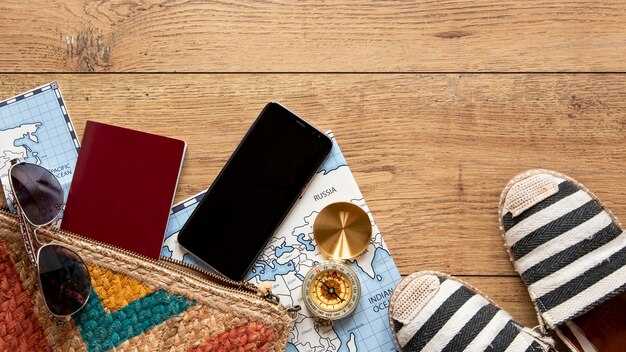
Start with a quick-dry base kit: pack a pair of moisture-wicking shirts, one warmer layer, a lightweight shell, and a compact rain jacket. These pieces stay comfortable as you move around the cockpit and below deck, and they reduce chafing on longer passages.
Protect your body and face from sun and salt: a wide-brim hat, sunglasses, reef-safe sunscreen cream SPF 50, lip balm, and a buff. Include a life jacket and a harness for safety when you move along the rails or step to the bow.
Documentation and credit: keep your passport, licenses, boat papers, and insurance in a waterproof pouch; carry two credit cards and some cash in a separate pocket for shore visits.
Accessories and gear: invest in compact, multi-use pieces: a headlamp, a small multitool, a spare carabiner, a dry bag, and packing cubes. A compact, waterproof camera housing helps capture the voyage without bulky gear.
Entertainment on deck: books, a waterproof speaker, playing cards, a tablet with downloaded movies; these entertainment options keep morale high during calmer evenings on a catamaran.
Groceries and provisioning: plan meals for the voyage, list groceries for the time you sail; stock coffee, tea, canned foods, pasta, rice, canned fish, oil, and spices. Shopping in advance saves time and reduces last-minute runs at ports while traveling.
Clothing for water activities: pack a pair of swim trunks, a rash guard, water shoes, and snorkel gear; fins for snorkeling or diving slip on easily and improve performance.
On-board laundry and drying: carry quick-dry towels, a compact clothesline, a damp-dry bag, and a small bottle of detergent. Do laundry when you reach a dock to keep humidity down and your kit fresh.
Living aboard on a catamaran: store items in watertight lockers and use labeled containers; when you live aboard, you learn to pack lighter and rotate gear to fit around the main salon and cabins.
Footwear and shipboard comfort: choose non-slip deck shoes, neoprene socks for cooler mornings, and a bigger dry bag for wet clothes when you go ashore.
Safety and health kit: include a first-aid kit, seasickness remedies, a whistle, a flashlight, anti-chafe cream, and spare batteries. Keep sun protection close to your sleeping area and a face covering for dusty ports.
What to do with route planning: stamp a concrete packing checklist around the equipment locker; verify documentation and fuel safety for each waypoint; keep maps and digital backups offline and accessible during travel.
Traveling with crew: divide tasks to optimize space, rotate cooking duties, and share provisioning lists; if you have lived on a sailboat before, you know how to pace packing and keep the cabin tidy.
Navigation and Communication Tools
Carry a portable VHF radio and a backup handheld GPS to stay connected when marina signals drop. For bareboat skippers, this combo keeps the whole crew safe during night passages and in remote anchorages. Your setup depends on these factors, depending on your boat size, power availability, and how remote your planning grounds are.
Mount units in the weatherproof cockpit locker, and keep a windbreaker nearby to shield them from spray. Have a back spare battery tucked in the cockpit, and ensure the devices are applicable to your vessel’s power system and data-sharing setup. Having a quick-access backup charger helps keep you going if you lose shore power. dont rely on a single device in rough weather; test the backup under load before departure.
Prepare a carry-on kit with chargers, adapters, a compact solar panel, and spare cables. Store it in a dry bag so you can grab it in a pinch. posts from coast guard and meteorological updates before each leg help you spot changes in routing or weather.
In port, wear a windbreaker and pack sun protection for the crew; avoid cotton fabrics for active layers, which can stay damp and chill you. Dress the whole crew in lightweight, quick-dry clothing to prevent sunburn. In busy harbors, have a mask handy for crowded lines and checks. dont forget a small inventory of groceries so youre not chasing supplies at the marina store.
Prepare for off-grid days by storing a back-up plan and keeping the crew informed via a simple, shared log; this reduces confusion if comms shift to standby channels. Practice basic calls on deck, confirm channels for each leg, and assign a clear who-contacts-who on the move. dont hesitate to adjust gear as you gain experience across different seas and winds.
Weather-Ready Layering and Footwear
Start with a lightweight, moisture-wicking base layer around 150 g/m2 that sits close to your skin; this fabric moves sweat away from every inch and keeps you comfortable on every watch. For exposed skin, apply sunscreen to the face and chin, and stash deodorant for long watches on deck.
Add a mid-layer fleece (200–300 g/m2) to trap heat without bulk. This fleece should be breathable and quick-drying, so it doesnt soak through when spray hits you. These layers help you stay warm as conditions shift, and theyre easy to shed when the sun strengthens.
Finish with a waterproof, breathable outer shell that blocks wind and spray while venting excess heat. Look for a jacket with a secure hood, adjustable cuffs, and a reliable function that you can operate with gloves. Sunscreen stays put on the face and neck when you button up, and a light beanie adds further protection.
Footwear should deliver grip and water resistance. Choose deck shoes with non-marking, siped soles or lightweight waterproof boots with solid tread. Pair with moisture-wicking socks; avoid cotton because it holds water and irritates skin. For trousers you wear on deck, ensure cuffs clear the tops of boots to prevent snagging and keep spray out of your ankles. Back protection: tuck trousers into boots if spray is heavy.
Pack a compact weather kit: deodorant, sunscreen, lip balm with SPF, and a small amount of face cream. Have a favorite pair of lightweight gloves and a beanie; theyre helpful when spray chills your hands and chin. Maintain precision in packing: roll items, then list by activity, and keep this list handy so you know what you need every time. Recent forecasts guide adjustments; if rain threatens, pull up the hood and swap to a wetter shell.
Deck Gear: Lines, Fenders, and Safety Equipment
Keep a dedicated deck gear kit on board and review it before every trip. This simple check ensures youve got what you need to handle different berthing scenarios quickly and safely.
Lines: Lines stay organized in a labeled bag: two full sets of mooring lines, each 15-25 m long and 12-16 mm in diameter, braided nylon for strength and stretch. Include a pair of spring lines for fore and aft control, plus a stern line as backup. Store these in a sleeve or dedicated rack near the bow for fast access when you arrive at a dock.
Fenders: Carry at least four fenders, sized 6×9 inches or 8×12 inches, with a durable foam core. Place them at bow and stern and keep spare in a fender bag. Use fender sleeves to protect the hull and reduce chafe, and inflate to the manufacturer’s recommendation. Check for wear after each trip and replace any cracked or compressed units.
Safety equipment: Equip life jackets for everyone onboard, plus a throwable buoyant cushion within reach. Include a compact whistle and a loud air horn, a high-luminosity flashlight, and a fire extinguisher that’s in date. Maintain a first aid kit with basic supplies, an EPIRB or PLB, and spare batteries for signaling. Consider a MOB line and harness for crew working at the rail.
Medications and customs: Store medications, including seasickness tablets, in a dry, labeled sleeve within the medicine kit. When traveling internationally, declare required items at customs to avoid delays. Having these items ready helps traveling crews stay comfortable and on schedule.
Organisaatio ja nopea pääsyLuo yksinkertainen laminoitu opas kannen varusteille, jossa luetellaan varusteiden nimet ja sijainnit. Tämä auttaa uutta henkilöä löytämään varusteet ilman, että hänen tarvitsee penkoa paikkoja tai pusseja. Kiinnitä opas lähelle ohjaamoa tai sisäänkäyntiä, jotta kukaan aluksella oleva voi poimia tarvittavat varusteet nopeasti. Tämä virtaviivaisempi lähestymistapa toimii veneessä, jahdissa tai eri kokoonpanoissa.
Käytä tätä kansikoneistointiin tarkoitettua rutiinia joustavana tarkistuslistana, jota voit muokata. Näin parannat turvallisuutta ja vähennät viivästyksiä matkustaessasi veneellä tai jahdilla. Pidä tarvikkeet helposti saatavilla, merkitse sarjat ja tarkista salkut, köydet ja kaiteet säännöllisesti kulumisen varalta.
Ruoka, vesi ja kannettava ruoanlaittosetti
tässä sama lähestymistapa pitää ateriat yksinkertaisina ja luotettavina vartiovuoron jälkeen: kevyt, tuulenpitävä liesi, sisäkkäiset astiastot ja taitettava vedenkeitin kuivassa matkatavarassa nopeaa käyttöä varten. Rajallinen matkatavaramäärä tarkoittaa, että valitset pienikokoisia komponentteja ja priorisoit monikäyttöisyyttä. Olitpa ankkuroituna tai ankkurissa, pidä asennus nopeana ja yksinkertaisena.
Vesisuunnitelma on yksinkertainen: tavoitteena 3–4 litraa henkilöä kohden päivässä, enemmän kuumissa tai kosteissa olosuhteissa. Kannata mukanasi 1–2 litran pullo päiväreppuun ja kokoontaitettava 2 litran säiliö kuivapussiin. Käytä pientä vesisuodatinta tai puhdistustabletteja täydennyksiin turvallisissa paikoissa. Merkitse säiliöt sekaannusten välttämiseksi ja pidä dokumentaatiota satamarajoituksista valmiina puhelimessasi.
Ruuanlaittovälineet pitävät sinut ketteränä: kahden kattilan sarja kansineen, pieni paistinpannu ja kokoontaitettava vedenkeitintulppa riittävät useimpiin aterioihin. Lisää tuulisuoja ja kevyet polttoainekasetrit; suuremmat kattilat vievät tilaa ja hidastavat sinua. Sisällytä muutama astiasetti pitävien kahvojen kanssa, jotta saat ohjat hallintaan, kun kädet ovat märät, sekä vara tiiviste ja pieni pyyhe siivousta varten. Säilytä rasvaiset jäämät omassa pussissaan ristisaastumisen välttämiseksi kuivan varustuksen kanssa. Jollekin merellä kokkaamiseen vasta tutustuvalle tätä kokoonpanoa voidaan laajentaa yhdellä ylimääräisellä kattilalla, jos epäilet pidempiä matkoja. Muista tarkistaa kokeneiden kapteenien julkaisut satamakohtaisia vinkkejä varten. Pidä kulutukset kurissa pitämällä kiinni kompakteista, monitoimitoiminnallisista tuotteista sen sijaan, että hankkisit suurempia tuotteita. Ja huomioi, mitä puuttuisi, jos jättäisit jonkin kohteen väliin – tarkista lista kahdesti, jotta et unohda tavaroita.
- Stove ja polttoaine: tuulenpitävä retkikeitin, kaksi kevyttä kaasupalloa, kompakti tuulisuoja
- Astianvalikoimat: pinottavat kattilasarjat kannilla, paistinpannu, kokoontaitettava vedenkeitin
- Astiat ja kahva: astiasto kahvakahvoilla
- Varastointi ja siivous: kuivapussi, tiiviit säiliöt, pyyhe
- Vesijärjestelmä: pullot ja säiliö, puhdistustabletit tai kompakti suodatin
- Ruokavaihtoehtoja: kuivaruokailtapalat, puuroa, pastaa, riisiä, quinoa, tölkissä olevia kaloja/papuja, pähkinöitä, kuivattuja hedelmiä, tortilloja
- Vaatteiden yhteensopivuus: merinovillaiset aluskerrastot, kevyet liivisetit, tuulenpitävä takki
- Dokumentaatio ja turvallisuus: dokumentaation kopiot, satamäsäännöt, perustiedot ensiapua varten
Ensiapu, lääkkeet ja henkilökohtainen hygienia
Pidä aina mukanasi pieni, vedenpitävä ensiapu kit within arm’s reach on deck. This simple list- of items saves time and nerves: sterile bandages, antiseptic wipes, adhesive tape, sterile gauze, small scissors, tweezers, a CPR barrier device, pain relievers, antihistamines, antiemetic tablets, and a digital thermometer. Refresh the kit after each voyage and replace used items before you depart, so joku voi vastata nopeasti onnettomuuden sattuessa. Tämä nopea valmistautuminen antaa mielenrauhan.
Lääkkeet: Kuljeta kaikki määrätyt lääkkeet niiden alkuperäisissä pakkauksissa, joissa on luettavat etiketit, sekä kirjallinen list- annostelusta ja ajankohdista. Ota mukaan tarpeeksi koko matkaa varten ja lisäksi kaksi ylimääräistä päivää, ja säilytä ne cooler tai ilmastoidussa laukussa estämään lämmön ja kosteuden heikentämistä. Jos asuit aiemmin laivalla, tiedät vara-varaston arvon, jotta voit tutkia pidempiä satamia huolestumatta. Älä unohda perustarvikkeita: kipulääkkeitä, pahoinvointilääkkeitä, aurinkorasvaa SPF 30 tai korkeammalla ja antihistamiinia. Käytä electric pillerin järjestäjä ja noudata vaiheittaista lähestymistapaa lajitteluun types ja kertoja, jotta et koskaan unohda annosta.
Henkilökohtainen hygienia veneessä vaatii pienikokoisia ja kevyitä varusteita. Pakkaa biohajoava saippua, hammastahna, hammasharja, hammaslanka ja pieni pyyhe, sekä käsihuuhde, kosteuspyyhkeet ja huulirasva SPF:llä. Valitse tapausta made jotta kostea, suolainen ilma pitää tavarat järjestyksessä ja pitää nesteet jossain. cooler tai kuivauslaukku lämmön ulottumattomissa. Ota mukaan muutama kevyt liivit aurinko- ja tuulisuojaksi peseytymisen ajaksi, ja varaa mukaan sadetakki äkillisiä sadekuuroja varten. Pysähdys Firenzessä voi olla hyvä tilaisuus täydentää varastoja, joten pidä tavarat yhdessä kuivassa, roiskevedenkestävässä setissä, jotta pysyt puhtaana ilman sotkua kannella. Lyhyet matkat tai pidempi sekä hyötyvät yksinkertaisesta rutiinista: huuhtele tuoreella vedellä aina kun mahdollista, puhdistaen välillä uimisten ja pyrkien pysymään mahdollisimman mukavana pyyhkeisiin kääriessäsi. Jos teet. fishing rannikkoa pitkin kulkiessa, pidä pieni antiseptinen pyyhe saatavilla.