


 Suomi
Suomi  English (UK)
  Русский
  العربية
  日本語
日本語  한국어
한국어  Magyar
  Türkçe
  Español
  Čeština
  Svenska
  Português
  Ελληνικά
  Nederlands
  Română
  Italiano
  Français
  Polski
  Українська
  Deutsch
  简体中文
简体中文  Slovenčina
 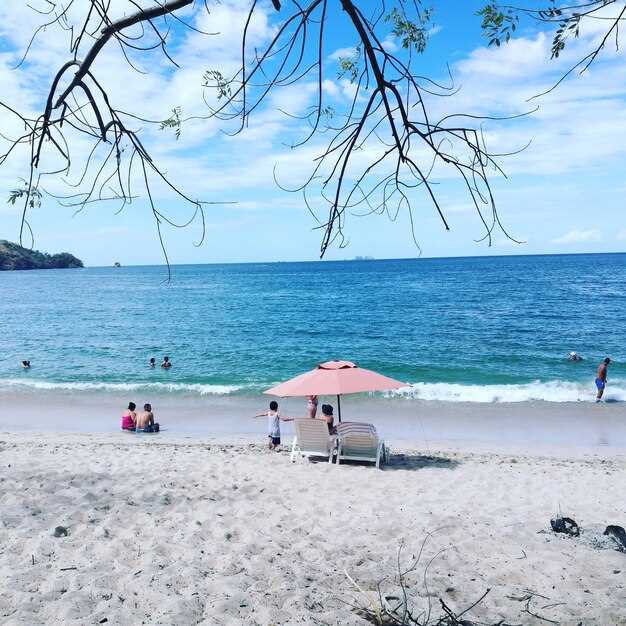 Shell Island – Parhaat rannat Panama City Beachissä">

To start your plan, rent a sturdy marine vehicle and hire a local guide for first-light access to the islet off the gulf coast. Each leg of the route reveals different vantage points for reels and memories; the ultimate itinerary centers on a 6-8 hour window with a midday break on shore. Think through wind forecasts and tide cycles–the captain said dawn sessions with light offshore breeze typically run from 6:00 to 9:00, when calmer conditions improve visibility and safety.
What makes the shoreline here memorable is the blend of marine life, calm lagoons, and wind-sculpted dunes. A carillon on a distant pier marks the time, while a short hike reveals shells and footprints that turn into long memories; you can google tide charts and plan a window with low wave action for easier entry to the sands. Rent a snorkel set and a shallow-water mask to explore the reef flats without exhausting yourself, keeping your break frequent enough to monitor weather shifts. Each moment offers something worth capturing with a compact reel and a waterproof case.
Seasonal windows show several opportunities: late spring and early fall often bring smoother seas and daylight extending up to 12 hours, allowing you to pace the day and still cover the whole route. Marine guides emphasize safety and environmental care, so avoid trampling seagrass beds and keep engines quiet to minimize disturbance to wildlife. The grouper populations populate the reef edges, with water clarity often 6-12 meters on sunny days; you might spot dolphins and pelicans, and even sea turtles during migration seasons. Memories from those moments linger long after the trip.
What to pack for a day on the water: lightweight reef-safe sunscreen, plenty of water, a compact camera, a headlamp for return after twilight, and a sturdy belt bag. Pre-load maps on your smartphone with a opas‘s notes on anchor points and the most accessible entry points. If you plan to fish legally, bring light tackle and a spare line reel. Always respect local regulations and monitor the weather: a sudden shift can turn an ordinary session into a short break. This being one of the most rewarding experiences you can have, you’ll return with a pocket full of memories and renewed appreciation for the coast.
Practical Planner for a Seaside Day Trip

Book a pre-arranged shuttle and arrive by 8:30 to secure your parking address and join a crystal-clear ride to the offshore shoal.
Departure windows vary by year; that plan relies on schooners leaving the marina roughly every 50 minutes; plan to be back before noon to maximize return options.
What to bring: dry bag, water, snacks, sun protection, hat; the gear you purchased at the dock can be picked up for a small fee.
Equipment notes: bring a reel if fishing is part of the plan; for diving or snorkeling, pack a well-fitting mask, fins, and snorkel.
Walk the surrounding shoreline every foot, scan for shells, and keep a slow pace to savor every view.
Dining and drinks: after your return, showcase local seafood choices at nearby restaurants; mexico-inspired tacos appear on many menus; you can order a dinner with fresh catches.
Tickets and timing: purchased online saves dock time; note the pickup address and confirm the voyage window the day prior; overcast mornings can shift times, so check the marina notices.
Leave-no-trace rule: leave no waste on shore, pack out everything you brought, and rinse gear at the dock before returning.
Tip: beachcamp setups can extend your stay; bring shade and a small chair to enjoy the calm water.
Memory plan: capture a reel of calm waters, and tally every foot of shoreline explored; after the day, dine on seafood and remember the surrounding scenes.
Getting There: Boat, Shuttle, and Charter Options
Recommendation: Book a half-day private charter to maximize time on the offshore sandbar and minimize transfers. Typical duration is 4 hours, with capacity for 6–12 passengers; rates generally range from $550 to $900 depending on season and vessel type. This approach keeps contents together and offers a smooth start to an unforgettable day.
Boat options include public tours, fishing charters, and fully private excursions. Shared trips run 2–3 hours and cost about $40–$85 per person. Anglers can add saltwater gear and a licensed captain; non-fishing groups still enjoy sightings of dolphins and shorebird flocks, and the light of dawn or dusk can elevate photos. Captains use navigational maps to locate shallow channels and safe anchorage. An angel of calm seas tends to greet early departures, making morning trips smoother for first-timers.
Shuttle services operate daily from major lodging clusters to the shore access points. Group sizes commonly range 4–15 passengers; round-trip fares often fall between $25 and $60 per person. For big parties, a private shuttle keeps the group together and avoids extra stops aside from the main route. Size configurations start at compact 4-passenger vehicles and scale up to 18 to fit your crew.
Charter types and sizes: speedboats, catamarans, and pontoon rigs. Small boats suit intimate groups; larger ones can handle 12–18 passengers. A complete half-day charter includes snorkel gear, cooler contents, and a stop for shelling along low-tide dune zones. For night departures, some operators extend to 6–8 hours so you soak in twilight light and a saltwater breeze; this is the ultimate option for a group seeking a calm, uninterrupted session led by an expert. Every option relies on skilled crews and well-maintained vehicles, ensuring a back-to-back, smooth experience for any itinerary.
Extras and tips: arrive early, check a tide map and marine forecast; low-tide windows improve shelling and snorkeling, especially near dune fields. Pack light but bring a change of clothes for soaking and sun protection; a small dry bag keeps contents safe. Some mornings, a carillon from a nearby coastal camp rings at night, offering a memorable soundscape. Being mindful of tides helps you target shelling windows and plan the day around maps and wind conditions, ensuring a wonderful, worry-free outing.
Best Beach Areas on Shell Island for Families
Recommendation: Head to the western dune belt at first light for a safe, kid-friendly escape that stays calm without crowds. Located a short 8–12 minute boat ride from the public launch, this zone offers knee-high water, white sand, and clear pockets ideal for beginners. An angel-colored dawn paints the scene, and helen, a longtime local, confirms it absolutely remains the best option for years. Take a compact shade canopy and a light snack to stay comfortable. While they splash, you can relax in the shade.
In the middle area behind a moving dune lies a hidden, knee-deep pool with great visibility. The water stays clear for most of the day, and at low tide the walk extends far. Here youll see crabs along the edge and tiny fish flashing in a shallow image; a google image search shows a similar view if you want a quick preview. Welsh families and helen, a longtime local, also confirm this as a safe spot. Being near the shore helps keep younger visitors engaged and curious. Bring shade, towels, and a small net; keep the trip light, especially with younger kids. For them, this spot does offer full immersion with minimal risk.
On the eastern flank near a pier, the shelf stays shallow even at high tide, keeping kids within arm’s reach. This zone is full of small shells and offers chances to catch what youll catch–tiny crabs, minnows, and occasional shrimp–without rough surf. Being near the shore helps keep younger visitors engaged and curious. Bring a small shovel to uncover hidden structures in the sand, and take care not to disturb wildlife. What youll need for the day is sunscreen, water, and a light snack.
Practical tips: Year after year, plan for low-tide windows, bring water, snacks, and a sun shelter; avoid peak party hours to keep the mood calm; pack out all trash and keep an eye on younger visitors so they can safely explore the white dunes and clear shallows. This strategy does work, and visited families often return with great memories; being mindful of currents helps you catch more moments with them.
Packing List: What to Bring for a Day on Shell Island
Kick off with hydration: pack two liters of water per adult and one liter per child, plus a compact cooler with ice packs for perishables and a waterproof dry bag for phones and wallets. A light shade canopy or compact umbrella keeps you comfortable during the morning heat and helps protect toes from hot sand.
Protect skin and comfort: reef-safe sunscreen SPF 30+, lip balm with SPF, sunglasses, and a wide-brim hat. Include wet wipes, hand sanitizer, and a small first-aid kit. Bring a towel or microfiber cloth for quick drying after a dip, and a light jacket for breezy early hours as the temperature shifts.
Mobility and accessibility: several day-trippers rely on wheelchairs or other aids; plan dock transfers with your captain or charter team. If you’ll be bicycling, choose a compact, sand-friendly bike and carry a portable pump. Pack a few spare tires or patches for quick fixes on the go.
Wildlife and terrain: prepare for sandpipers along the shore and possible dolphin sightings during the morning sail. Explore the dune near Andersons Dune to see their different habitats; bring a map to avoid getting lost in the dunes and keep to marked trails. Such exploration reveals a complex coastal tapestry without disturbing their delicate balance.
Food, adventures, and timing: energy-dense snacks and a light lunch keep you going through the great outdoors. If you plan dinner after exploring, pack compact, non‑messy options and a reusable cutlery set. For anglers, amberjack is a common catch in these waters–check local rules and bring any required licenses if you decide to cast a line.
Communication and gear: a waterproof phone case, camera or binoculars for wildlife, and a small dry bag for valuables ensure you can capture memories without worry. Remember to collect memories, not souvenirs that harm wildlife, and leave the shore as pristine as you found it.
| Item | Qty / Per Person | Why | Huomautukset |
|---|---|---|---|
| Water | 2 L per adult; 1 L per child | Hydration; heat management | Keep in a cooler; refill as needed |
| Sunscreen SPF 30+ (reef-safe) | 1 tube per group | Protect skin; prevent sunburn | Reapply every 2 hours |
| Lip balm with SPF | 1 | Prevent chapping | Keep in easy reach |
| Wide-brim hat & sunglasses | 1 each | Shade and eye protection | Opt for UV 400 |
| Towel / microfiber cloth | 1–2 | Kuivaus; nopea siivous | Kevyt ja nopeasti kuivuva |
| Water shoes or sandals | 1 pair | Suojaa jalat märkillä/kuonankulumilla. | Luistamaton pohja |
| Dry bag / waterproof case | 1 | Arvojen suojaus | Puhelin, avaimet, lompakko |
| Snacks & lunch | 1 pieni pussi | Energia liikkeessä | Siistit vaihtoehdot |
| Cooler with ice packs | 1 | Pidä pilaantuvat tuotteet kylminä | Helppo kuljettaa |
| First aid kit | 1 | Minor injuries | Sideharsoja, antiseptistä, puhdistuspyyhkeitä |
| Kosteuspyyhkeet & käsidesinfiointi | 1 paketti kutakin | Siivoukset; hygienia | Hajoavaa mahdollisuuksien mukaan |
| Vaatteiden vaihto | 1 set | Veden altistuksen jälkeinen mukavuus | Ohut kerros |
| Varjokatos tai sateenvarjo | 1 | Lisää suojaa auringolta | Kompakti taitettuna |
| Kiikarit tai kamera | 1 set | Wildlife viewing | Vedenpitävä, jos mahdollista |
| Puhelimen vedenpitävä kuori | 1 | Laitteiden suojaus | Pidä käden ulottuvilla |
| Kalastusvälineet (valinnainen) | 1 kit | Amberjack-mahdollisuudet; tarkista säännöt | Lisenssi tarvittaessa |
| Pyörätuolit / liikkumisen apuvälineet (tarvittaessa) | Kuten vaadittu | Esteitä joillekin vieraille | Koordinointi kapteenin tai sataman henkilökunnan kanssa |
| Roskapussi | 1 | Vie kaikki pois; pidä alue siistinä | Älä jätä mitään jälkeesi |
Ajoita vierailusi: Vuorovesi, sää ja väkijoukko
Suunnittele viikonpäivän vierailut laskuveden aikaan päästäksesi paljastuneille hiekkapohjille harvemmalla katsojayleisöllä ja upealla mahdollisuudella havaita delfiinien kohtaamisia rannalta.
- Vuorovesi ja kulku: On kaksi päivittäistä vuorovesi sykliä; suurin esiintymisjakso kestää noin 2–3 tuntia matalan veden aikaan. Vuoroveden vaihtelu on tyypillisesti 2–4 jalkaa, ja se vaihtelee kuun mukaan. Maksimoidaksesi kasteluaikaa, lähde 60–90 minuuttia ennen ennustettua merta matalaa ja palaa 60–90 minuuttia sen jälkeen. Suuntautumista varten, paikanna saaret ja kanavat kartoilla ja wikimedialla, ja tutki carillon-alueen rannikkoa; kun vesi laskee, paljastuvat hiekkakarit kasvavat.
- Sää ja meriolosuhteet: Kesähelteet nostavat lukemia ylöspäin; meriveden lämpötilat vaihtelevat 24–29 C välillä (mid-70s to mid-80s Fahrenheit). Ukkosmyrskyt ovat yleisiä toukokuusta lokakuuhun; suunnittele rauhalliset aamut ja seuraa tutkaa. Pakkaa kevyet vaatteet, korallinystävällinen aurinkosuoja, hattu ja kompakti sadetakki äkillisiä sadekuuroja varten.
- Ihmiset ja saavutettavuus: Viikonloput ja pyhäpäivät houkuttelevat enemmän katsojia; viikkomatkailu on rauhallisempaa. Operaattorit tarjoavat aikataulutetut retket saarille; julkisten lauttojen lisäksi yksityinen vuokra-alusta voi räätälöidä ajat ja reitit. Lähellä Carillonia ja sen viereisiä rantoja on vältettäviä lahtia.
- Mitä mukaan ja mitä pukea päälle: Ota mukaan vettä, pientä purtavaa ja vedenpitävä pussi arvotavaroille. Käytä vesikenkiä; nauti auringosta turvallisella hiekalla, kun varpaat pysyvät suojattuina teräviltä roskilta. Pakkaa pyyhe, kevyt varjosuojain ja kamera zoomilla etäisten eläinten kuvaamista varten.
- Villieläinten tarkkailu ja etiketti: Tarkkaile kunnioittavalta etäisyydeltä; älä jahtaa delfiinikohtaamista tai muuta villieläintä. Näiden olentojen tarkkailu rannalta tai veneestä on loistavaa muistojen vaalimista varten. Pidä melu alhaisena ja vältä rajoitettuja alueita, erityisesti yksityisomistuksen lähellä.
- Suunnitteluvälineet: Ennen matkoja tarkista vuorovesi taulukot ja viimeisin sää. On lukuisia asioita, jotka on tiedettävä, mukaan lukien yksityinen pääsy ja julkiset reitit. Asettelun ja reitin suunnittelun osalta tutustu karttoihin ja wikimedia-sivuihin; tällaiset resurssit heijastavat vuosien kenttähavaintoja. Jos olet epävarma, aloita opastetulla vaihtoehdolla ja laajenna monipysähdysmatkoihin kokemuksen kasvaessa; Carillonin käytävällä sijaitsevat operaattorit voivat auttaa suunnitelmien tarkentamisessa. Jos olet siellä, tulet löytämään lisää vuosien varrella.
Turvallisuus, Villieläimet ja Leave-No-Trace-ohjeet
Toki, saavu ennen auringonnousua saadaksesi leveimmän alueen laskuveden aikaan; useiden vierailujen jälkeen kävijät ovat nähneet, miten vesi liikkuu ja miten rannikko kiristyy päivän lämmetessä. Tarkista paikalliset vuorovesiennusteet löytääksesi –4 tunnin ikkunan ja suunnittele reitti, joka minimoi tungoksen suosituilla paikoilla. Pakkaa pieni laukku, jossa on vettä, auringonsuojaa ja kevyt välipala, jotta pysyt virkeänä rannikkoa pitkin kulkiessasi.
Jalkojen suojaus on tärkeää: käytä tukevia sandaaleja tai kenkiä suojataksesi itseäsi simpukoita ja teräviä kuoria vastaan; ole tarkkana liukkaiden levä-alueiden suhteen reunalla; vältä kävelyä suurissa kuopissa ja pidä lapset käden ulottuvilla. Väärä askel voi vahingoittaa jalkaa.
Villieläinohjeet: pidä ainakin 50–75 metrin etäisyys pesivistä linnuista tai kahlaajista; tarkkaile hiljaa nimetyltä tarkkailupaikalta; älä koskaan ruoki villieläimiä; jos kohtaaminen sattuu, taantumaan hitaasti ja rauhallisesti. Kunnioita ruokinta-aikoja ja vältä äkillistä liikkumista, joka voi säikäyttää lintuja rannalla.
Leave-No-Trace -käytännöt: pakkaa pois kaikki roskat; käytä palvelutiloja pääsypisteissä; vältä tähteiden tai kalastusviivojen jättämistä; ota kaikki hiilihappovesi-tölkit tai -pullot mukaasi; kanna varasäkki roskien keräämiseen jälkiä jättämättä. Pysy merkityillä poluilla kasvillisuuden ja eläinten reittien vaikutuksen minimoimiseksi; nämä ovat käytännöllisiä tapoja pitää vaikutus minimaalisena.
Lemmikit ja ihmiset: Pidä lemmikit aina kytkettynä ja ota mukaan jätöspusseja; älä koskaan päästä eläimiä pesimäalueille tai lähelle lepääviä lintuja; suunnittele pitkä, erillinen reitti karvaisille kumppaneille villieläinten tarkkailupolkujen ulkopuolelle; varmista, että jokainen perheenjäsen kunnioittaa tilaa villieläinasukkaille.
Villieläinten historia ja käyttäytyminen: vuosittaiset vapaaehtoisten laskennat auttavat seuraamaan rannikkolintujen määriä; samalta alueelta voi ilmetä kausittaisia muutoksia saapumisaikojen ja kokoisten joukkojen timingissa. Jos huomaat epätavallista toimintaa tai hädissään olevia lintuja, siirry kauemmas ja ilmoita havainnostasi oppaalle tai vartijalle. Aikaiset havaintosi voivat tukea jatkuvia suojelutoimia rannikon herkille alueille.
Opastetut vaihtoehdot: Kapteeni tai kokenut opas voivat valita turvallisia reittejä ja jakaa vinkkejä vastuulliseen tarkkailuun. He selittävät, missä seistä, miten ylläpitää etäisyyttä ja mitkä vyöhykkeet ovat parhaita merieläinten ja rantakirjojen tarkkailemiseen ilman häiriöitä. Pienen ryhmän liittyminen tekee leikistä houkuttelevaa pitäen samalla häiriöt vähäisinä.
Käytännön opas: suuntaa tunnetuille kulkuväylille ja pysy merkityillä reiteillä; pidä katseesi maassa ja vältä hiekkadyynien kasvillisuuden talloamista; nesteytä itsesi vedellä tai kuplavesiä; suunnittele lyhyitä pysähdyksiä katselua varten ja nopea illallispysähdys merkityillä alueilla; vierailun jälkeen pese kädet ja kerää roskat pussiin, jotta muutkin voivat nauttia samasta kokemuksesta.