


 Suomi
Suomi  English (UK)
  Русский
  العربية
  日本語
日本語  한국어
한국어  Magyar
  Türkçe
  Español
  Čeština
  Svenska
  Português
  Ελληνικά
  Nederlands
  Română
  Italiano
  Français
  Polski
  Українська
  Deutsch
  简体中文
简体中文  Slovenčina
 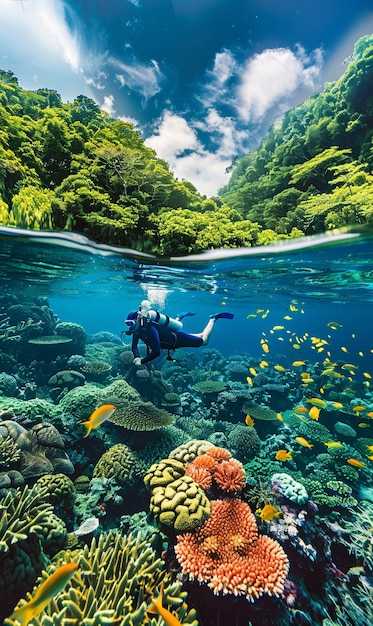 Scuba Diving in Tahiti – The Best Spots Across the Islands">

Chose tiputa as your anchor for Tahiti’s best scuba adventures, and book a hotel with quick boat access to the pass around these islands. If you chose tiputa, you’ll unlock superb sites with strong currents, multicolored life, and around-the-clock opportunities for great underwater moments.
Across these destinations, popular sites spread around Bora Bora, Moorea, and Rangiroa’s tiputa Pass. For beginners, shallow lagoons offer enough ease, while strong channels invite divers with more experience to test buoyancy and timing. Local hosts run reliable boat crews, and many hotel packages include guided underwater excursions with clear safety briefings.
Tiputa’s drift zones stand out for encounters with reef sharks, manta rays, and schools of fusiliers, with multicolored reefs looking superb at dawn. Hidden coves and channels around these spots feel alibaba-like, tucked behind reef walls and offering chances to shoot macro life and big pelagic species over these reefs. For divers who want variety, a mini itinerary works well: three sites in a day balance travel time and reef look, with enough rest at the hotel between sessions.
To maximize your time, choose operators with clear safety briefings and gear included; these hosts tailor each day to currents, tides, and weather so you stay comfortable and focused. A well-chosen hotel puts you within easy reach of the boats, making it possible to squeeze in multiple experiences without long transfers.
Bottom line: Tahiti’s islands offer destinations with a robust mix of underwater habitats, friendly crews, and accessible access from a hotel base. For a first-time visit, start with Tiputa, then expand to nearby atolls and small passes to build a superb portfolio of memories that show these reefs are truly special for divers.
Tahiti Diving Across the Islands: Practical guide to top sites, seasons, and trips
Begin with Rangiroa for the best overall visibility and consistent drift encounters that satisfy experienced divers and beginner travelers alike. This atoll cluster offers a vibrant mix of pelagic life, reef sharks, garden corals, and photogenic passes, with flexible options for single-day trips or multi-day itineraries.
Seasonal guidance helps: the dry season (roughly May to October) brings clearer waters and calmer evenings, while the wet season (November to April) warms the waters and draws more abundant wildlife, though currents can vary. For an amazing balance, target May or September, when cost stays reasonable and visibility remains excellent.
Across rangiroas, combine Rangiroa with adjacent islands to build an itinerary suited to your level. Begin with two days around Tiputa Pass and Avatoru Pass for drift experiences, then add two days on Fakarava’s South and North Passes for schooling sharks, and finish with Moorea’s coral garden and Bora Bora’s lagoon for colorful reef encounters. Photographers benefit from early morning light and rose sunsets, while evening sessions tend to be calmer and offer great color in the shallows, having ample opportunities for sunset shots.
Lunch is often served aboard between spots, helping keep the pace, and giving you time to read the marine environment as they change with sunlight. Beginners can opt for guided small-group trips, while experienced divers may choose private charters to maximize the array of sites visited.
Note on cost: costs vary by operator, season, and whether you reserve a private boat. Booking in advance yields better rates, especially for a 4–5 day itinerary that spans rangiroas, Fakarava, and Moorea or Bora Bora.
| Site | Island | Best Season | Depth (m) | Highlights | Activity Type |
|---|---|---|---|---|---|
| Tiputa Pass | Rangiroa | May–Oct | 6–25 | Sharks, manta, strong drift | scuba experiences |
| Avatoru Pass | Rangiroa | May–Oct | 5–20 | Clear channels, pelagics | scuba experiences |
| South Pass | Fakarava | Aug–Oct | 8–25 | Schooling sharks, vibrant reefs | scuba experiences |
| North Pass | Fakarava | May–Oct | 6–20 | Macro life, coral gardens | scuba experiences |
| Coral Garden | Bora Bora | May–Oct | 2–15 | Colorful gardens, rays, turtles | scuba experiences |
Best beginner-friendly dives on Tahiti Nui and Tahiti Iti
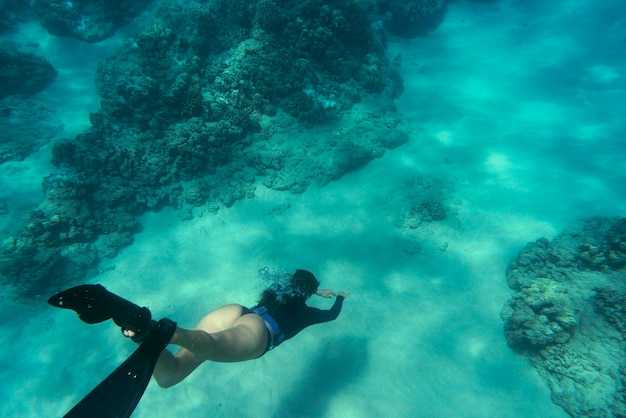
Start with a shallow lagoon session off Tahiti Nui’s west coast: 6-12 m depth, visibility 15-25 m on good days, and a nonchalant current that keeps you moving without effort. This setup offers plenty of marine life, including tiger wrasse and garden inhabitants, making it ideal for aloittelijat who want an idyllic first experience without crowds. You cant miss the calm access from shore, then look around and quickly feel confident.
On Tahiti Nui, two standout options prove better for a trip. The Aquarium-like garden off the western coast sits in protected lagons, with 6-12 m depth, easy entrance from shore, and a diverse crowd of reef life–plenty of color, including tiger wrasse, parrotfish, and turtles. For a quick, relaxed session, Taapuna reef lagoon offers shallow passages, easy swimming, and clear sightlines for observe and explore.
Tahiti Iti offers a calmer alternative. Tumakohua, a sheltered reef on the Iti coast, hosts a shallow 6-10 m slope where aloittelijat can observe schools of small fish and garden corals. A typical session lasts 25-40 minutes, and many shops pair the underwater exploration with a short hiking option up to a lookout. A local host can tailor the times to tides, helping you spend less energy and relax more.
Practical tips: pack a 3-4 mm wetsuit, plan two experiences on a Tahiti Nui trip–one in the morning for calm light and one in the early afternoon if winds ease–check tides and currents, and book with a local host to ensure the best times. Keep spending in check by choosing concise sessions that fit your rhythm and comfort, then return to shore ready to relax.
Overall, this approach offers a diverse, easy pathway for aloittelijat osoitteeseen Tutustu tahitian waters, observe idyllic lagoons, and build confidence on a memorable trip. The combination of gentle lagoons, a garden of life, and a friendly host creates a quick progression: you look forward to the next times and then return to shore smiling, with time expanding rather than shrinking. Dragonflies hover by the shore as you wrap up, and the sense that time flies only adds to the charm of Tahiti’s beginner-friendly adventures.
Manta, shark, and ray sites around Bora Bora, Moorea, and Tetiaroa
Plan an offshore plongee itinerary around Bora Bora, Moorea, and Tetiaroa to meet manta, tiger sharks, and hammerheads across wide reef walls and offshore channels. The chance to swim with these species is real when the right tides align, and guides with local knowledge ensure safe, direct interactions. Snorkel sessions along shallow flats complement the deeper experiences, letting you stay above the action while pelagic life moves past the drop-offs.
Bora Bora sits at the heart of the route, with wide passes that funnel currents toward the lagoon. Here tiger sharks and hammerheads often cruise along the outer shelf, and mantas drift in to feed on plankton blooms at the channel mouths. For the best results, book a morning plongee with a licensed operator and follow the guide’s direct instructions about distance and safety.
Moorea offers steady manta and ray action along reef edges, with hammerheads occasionally joining the deeper offshore zones. A short snorkel reveals graceful silhouettes above the sand, while a longer plongee explores the drop-offs where pelagic life concentrates. If conditions permit, there are garuae passes where currents concentrate life and provide memorable sightings.
Tetiaroa presents calmer conditions and a high chance of manta and reef rays near the channels. Offshore flats to the south and east form wide, blue seas where mantas glide above the sand. A single plongee around the atoll’s passes yields a direct encounter, then finish with a relaxed snorkel on the shallows above the reef crest.
To broaden the experience, add a stop on Rurutu for an archaeological day on land, then return to the water world. This archaeological angle adds variety to your voyage and can be paired with a final plunge to see manta, tiger sharks, and other species–an exceptional sighting spread that appeals to wildlife lovers and culture enthusiasts alike.
Seasonal visibility, currents, and water temperature by island
Go Rangiroa in March for the clearest window, warm water, and direct currents. youll notice conditions shift with the lunar cycle and trade winds, but this month offers a balanced forecast for three standout spots across atolls and throughout Tahiti’s archipelago, with easy travel between villages.
- Tahiti and Moorea
- Visibility tends to be 15–25 m in the dry season (April–October); it can dip to 10–18 m in wetter months, with more color in the afternoon light.
- Water temperature sits around 26–28°C year‑round, rising slightly in March–April.
- Currents remain gentle in sheltered bays but outer channels show moderate flows when tradewinds pick up.
- Seasonal pattern shifts throughout the year; from May to July you’ll notice clear windows near coastlines and in lagoons, while coastal villages offer colorful settings for travel photography.
- Spot highlights:浅 reef edges near villages provide easy access for exploring, while nearby passes attract a range of pelagics; plan a few trips to sample both shore and deeper spots.
- Bora Bora
- Visibility around 20–30 m in lagoon edges; 15–25 m in deeper passes.
- Water temperature ~26–29°C, warmest in March–April.
- Currents are calm inside the lagoon and stronger in outer passes, especially when winds rise.
- Best months for comfortable travel: May–October; you can book dives from the main resort area and easily reach colorful reef spots.
- Spot notes: the motu ring creates vivid backdrops; you’ll find dives that are filled with schools of reef fish and graceful sharks; some trips migrate between nearby islets for varied experiences.
- Rangiroa
- Visibility: 25–40 m in the main passes; 15–25 m nearshore during wetter periods.
- Water temperature: 27–29°C in March; cooler 25–27°C in late winter.
- Currents: strong through the passes; plan direct routes and use forecasted current levels to time drift opportunities.
- Best months: March–May and August–October; three top spots include the Tiputa and Avatoru passes and the surrounding lagoons.
- Huomioitavaa: Tämä atolli houkuttelee mantarauskuja ja riuttahaita; varaa opastetut sukellukset ja retket etukäteen, niin saat asiantuntevat paikalliset isännät; ajaminen kylien välillä tarjoaa ikkunan tahitilaiseen elämään ja kulttuuriin.
- Fakarava
- Näkyvyys: 20–35 m pohjois- ja eteläväylissä; laguunin reunat tyynempiä.
- Veden lämpötila: 25–28 °C, korkeimmillaan maalis–huhtikuussa.
- Virtaukset: voimakkaita eteläisessä salmessa muuttoaikojen aikana; suunnittele ajelehtivia retkiä, kun ennusteet lupaavat tyynempiä vesiä.
- Parhaat kuukaudet: touko–lokakuu, jolloin olosuhteet ovat ennustettavat ja molemmille solille pääsee luotettavasti.
- Huomautuksia: atollielämä houkuttelee monenlaisia pelagisia lajeja; seinämien ja kanavien tutkiminen tarjoaa värikkäitä, vauhdikkaita kokemuksia, jotka houkuttelevat matkailijoita kylistä ja kauempaakin.
- Rurutu
- Näkyvyys: 12–22 m matalammilla alueilla; tyynempinä aikoina avovedessä paikoitellen jopa 25 m.
- Veden lämpötila: 23–26 °C, viileämpää eteläisellä talvikaudella.
- Virrat: yleensä lauhkeita suojaisissa lahdissa; ulkoriffeillä kohtalaisia virtauksia tuulen yltyessä.
- Parhaat kuukaudet: touko–heinäkuu, jolloin vesi on kirkkaampaa ja merenkäynti vakaampaa.
- Huomautuksia: Kulttuuripysähdykset kylissä rikastavat matkakokemusta; kotimaanlennot tai laivayhteydet mahdollistavat useiden kohteiden tutkimisen värikkäine markkinoineen ja tahitilaisine vieraanvaraisuuksineen.
Huippusivustot, joissa on syvyys, koordinaatit ja tärkeimmät ominaisuudet
Aloita Bora Boran Manta Pointista; se on upea, aloittelijaystävällinen vaihtoehto ensimmäiselle snorklausretkellesi Ranskan Polynesiassa. Ne, jotka tunsivat Tahitin hyvin, aloittavat usein täältä lämmitelläkseen ennen useamman saaren matkaa.
-
Bora Bora – Manta Point
Syvyys: 6–12 m • Koordinaatit: -16.50°, -151.74° • Vedestä poistuminen loivan luiskan kautta. Parhaimmillaan lokakuussa, kun pintanäkyvyys on parhaimmillaan.
- Avainominaisuudet: paholaisrauskut puhdistusasemilla, kristallinkirkas vesi, matalat salmet, helppo snorklaus kaikenikäisille.
-
Moorea – Korallipuutarha (lähellä Temaeta)
Syvyys: 3–8 m • Koordinaatit: -17.53°, -149.87° • Poistu hiekkaiseen kohtaan, jossa voit levähtää pinnalla nopeasti.
- Tärkeimmät ominaisuudet: elävät kivikorallit, meriviuhkat, kilpikonnat, satunnaiset riuttahait; erinomainen perheille ja ensikertalaisille; hieno rentouttavaan snorklaukseen.
-
Tahiti – Lagoonarium (lähellä Papeetea)
Syvyys: 2–8 m • Koordinaatit: -17,57°, -149,60° • Poistu vesipisteeltä puukannelle; kätevä lapsille.
- Tärkeimmät ominaisuudet: valikoidut altaat useilla laguuneilla, monipuolinen kalasto, helpot reitit ja suojattu aloitus pintasukellukselle; snorklausreitit on merkitty hyvin.
-
Raiatea / Tahaa – Korallipuutarhan virtaus (Motu Onéa -alue)
Syvyys: 4–12 m • Koordinaatit: -16.89°, -151.20° • Poistu rantapolkua pitkin huuhtoutumaan ja virkistymään.
- Tärkeimmät ominaisuudet: värikäs korallipuutarha, kalaparvet, satunnaiset riuttahait; osa useamman saaren matkaohjelmaa; löydä tyyni laguunin reuna lokakuussa tai muina rauhallisina aikoina; garuae-tuulet pyyhkäisevät joskus pinnan yli lisäten suolaista vivahdetta.
-
Rangiroa – Tiputa-solmu
Syvyys: 8–20 m • Koordinaatit: -14,95°, -141,00° • Poistu matalaan, suojaisaan veteen lopettaaksesi sukelluksen.
- Tärkeimmät ominaisuudet: voimakkaat virtaukset, runsaasti haita ja rauskuja, pelagisia kaloja; erittäin aktiivinen vesi, paras tyyninä aamuina; snorklauselämykset ovat alueen vertaansa vailla.
Matkasuunnittelu: päiväretket vs. sukellusveneet, varusteet ja turvatarkastukset
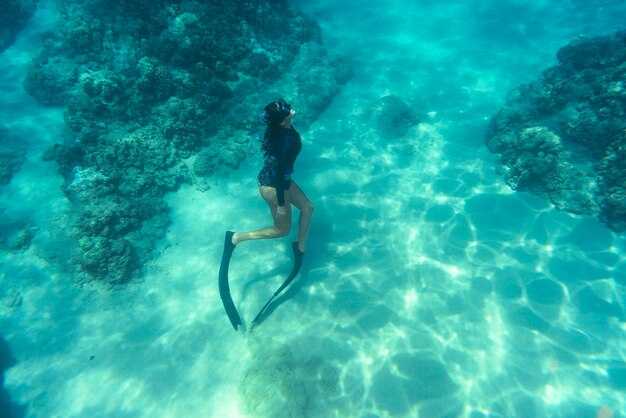
Valitse usean saaren liveaboard-vaihtoehto, jotta saat parhaan tasapainon vesillä vietetyn ajan ja helpon logistiikan välillä. Katat kolme vyöhykettä Tahitin saaristossa, vältät päivittäiset hotellisiirrot ja saat jatkuvan pääsyn ikonisiin paikkoihin, kuten Tiputa Passiin. Francisco koordinoi tiukat turvallisuustiedotukset siellä, auttaen sinua tulkitsemaan virtaus- ja pintaolosuhteita, jotta voit keskittyä hetkeen. Pääset nauttimaan aamuista tyynellä vedellä, haiden partioimassa ulkorifeillä ja kotkarauskujen liitäessä ohi; tämä lähestymistapa on todella erinomainen matkailijoille, jotka haluavat ennustettavuutta joulukuun suunnitelmaan, sillä joulukuu tarjoaa yleensä hyvän näkyvyyden.
Jos päätät pitää asiat yksinkertaisina, päiväretket keskeisestä tukikohdasta, kuten Papeetesta tai Bora Borasta, toimivat hyvin, 2–3 retkeä päivässä ja rantataukoja sessioiden välissä. Tukikohdan vieressä voit varastoida ruokaa kaupungissa pitkien siirtymien minimoimiseksi. Jos sinulla on aikaa nopealle vaellukselle, sisällytä maaretki merisessioiden väliin jalkojesi venyttämiseksi ja saaren nähtävyyksistä nauttimiseksi.
Varusteluettelo kattaa molemmat vaihtoehdot: hyvin istuva maski ja räpylät, snorkkeli, 3–5 mm märkäpuku tai ihosuoja joulukuun lämpöä varten, käsineet viileitä aamuja varten, kelluva pintamerkkipoiju (SMB) pitkällä kelalla, varapintaviestintälaite, riuttaystävällinen aurinkovoide ja pienikokoinen vedenalainen taskulamppu iltahavaintoja varten. Pakkaa kuivapussi, varatiivisteet ja kamera tai taulu muistiinpanoja varten. Ota mukaan pieni nesteytysreppu ja perusensiapupakkaus meripahoinvointitabletteineen.
Turvallisuustarkastuksiin ennen jokaista retkeä kuuluu virran, tuulen ja näkyvyyden vahvistaminen miehistön kanssa sekä sisään- ja uloskäyntisuunnitelman läpikäynti. Vaadi parijärjestelmää, selkeitä pintamerkkejä ja noudata ajelehtimisääntöjä tiputan ympäristössä. Jos olosuhteet muuttuvat, vaihda vaihtoehtoiseen paikkaan aikataulussa ja ilmoita siitä viipymättä kapteenille tai oppaalle. Hait ovat osa näiden vesien ekosysteemiä; pysy valppaana ja kunnioita niiden tilaa.
Joulukuu tuo usein lämpimän veden ja miellyttävän ilman, ja näkyvyys voi olla erinomainen laguuneissa. Parhaan mahdollisuuden nähdä isoja lajeja saat varaamalla aamusessioita ja pitämällä suunnitelman joustavana usean saaren matkasuunnitelmassa. Toinen tai kolmas päivä Tiputan salmien ja lähistöllä sijaitsevien riuttojen läheisyydessä lisäävät mahdollisuuksiasi; sinulla on runsaasti tilaisuuksia nauttia akvaariomaisesta kirkkaudesta tietyillä matalikoilla. Jos mainitsit haluavasi hyvin keskittyneen aikataulun, tämä lähestymistapa toimii.