


 Suomi
Suomi  English (UK)
  Русский
  العربية
  日本語
日本語  한국어
한국어  Magyar
  Türkçe
  Español
  Čeština
  Svenska
  Português
  Ελληνικά
  Nederlands
  Română
  Italiano
  Français
  Polski
  Українська
  Deutsch
  简体中文
简体中文  Slovenčina
  Sailing With a Baby – The Ultimate Guide by a Sailing Family">

Begin with a fixed nap and feeding plan: two short naps around 9:00 and 15:00, each lasting 60 to 90 minutes, and keep them consistent even when onshore. This rhythm brings comfort to the baby and steadies the crew, making relaxation easier for adults ja them. earlier trials with flexible times were harsher, and we already saw that these days were not productive. they were often disruptive. The setup is rich in predictability, the documents for what works stay handy in the cabin, and the result is amazing sleep and smoother afternoons.
Turn one cabin bedroom into a safe sleep nook: blackout curtains, a compact travel bassinet, and a secure strap. Keep blankets to a minimum, use a breathable fitted sheet, and set a dedicated night light to ease bedtime in rough seas. This setup reduces motion and keeps the deck free of clutter. The gear used on deck stays minimal and lightweight, so it stays put even when the boat heels.
Safety first: Always wear a properly fitted infant PFD whenever afloat, keep it snug. Check weather 48 hours ahead and plan routes within 3 miles of shore when seas are choppy. If wind exceeds 20 knots or waves rise, shorten routes and consider staying anchored near a protected bay. Cap speed at 4 to 6 knots in light seas to minimize motion for little sleepers.
Split chores between two adults; rotate watches every 2 to 3 hours and keep a calm routine aboard. Prepare a small relaxation kit with white noise, a dimmable light, and a favorite stuffed toy. For meals, assemble easy-handling foods: pre-mashed fruit pouches, single-serve formula, and ready-to-heat baby food; store in a cooler bag to avoid spoilage.
Onshore days, choose sheltered anchorages or bays with shallow water for easy landings. Reserve time for beach play and use a compact stroller or carrier. Keep a one-page documents folder with baby medical records, vaccination info, insurance, and boat papers; store in a dry, accessible pocket.
Kanssa skywalker mindset, you can keep life aboard organized even with a baby, and the kids adapt quickly as you explore sunlit horizons together. You’ll often find amazing moments, from calm mornings to sunset reflections, that make the whole crew grateful for this shared routine.
Life jacket fit, safety checks, and tethering basics
Always secure every crew member with a properly fitted life jacket before stepping on deck, including the little ones. Use the two-finger rule for fit: you should be able to slip two fingers between the strap and the chest; the chin strap should sit snugly without pinching; and the crotch strap should hold the jacket down during active movement. The fit should be quite snug, but not restrict breathing.
- Choose weight- and age-appropriate PFDs; for babies and small children use infant/child models with a secure fastener. Look for accepted standards and a qualified device from a reputable maker. Sizes vary by brand, so verify weight limits and adjust accordingly.
- Inspect before every voyage: check foam integrity, seams, buckles, and zippers; replace any damaged unit immediately.
- Test buoyancy in calm water and confirm the head stays above water when seated; adjust straps to keep movement comfortable, not restrictive.
- Hygiene and care: rinse with fresh water after saltwater, air dry away from direct sun, and store flat to preserve shape. Keep a charged whistle and a small flashlight in the jacket pocket or dry bag for quick signaling or illumination.
- Carry a spare jacket for a quick swap and a few spare straps and buckles in your bareboat gear kit to reduce downtime if a part fails.
Tethering basics help us stay connected without tripping or snagging. Clip every person to a fixed line when moving in the cockpit, and never rely on a life jacket alone as a tether. Plan the path to avoid lines crossing winches or heavy gear.
- Install a marine-grade jackline along the chosen deck path, anchored at strong, rated points; check fittings and line wear regularly.
- Give each person a harness and a teether (tethers) configured to the jackline; clip using a locking carabiner or shackle; avoid clipping to clothing only.
- Keep line length around 1.5–2 meters so you can reach handrails without stepping over the line; test movement in calm water before heavy seas.
- Clip in last and release first; learn a safe routine so you can maintain three points of contact when moving.
- Inspect lines and hardware weekly for frays or knots; replace ends as needed.
- When a MOB situation occurs, practice retrieval with a helper and assign roles among family members to maintain calm and speed.
We practice these steps often, because they make a wonderful difference for a family at sea. They support hygiene and stability, keep the little ones loved and safe, and reduce stress on everyone. Our friends and crew–hostess, those sharing watches, and even a chat with carl on a calm evening–stay steady as we sail around sporades or near switzerland. This approach also helps charge days with warmth, especially on quite breezy or warmer afternoons aboard a bareboat, and keeps our understanding of safety firmly in focus.
Proper infant life jacket fit: chest size, shoulder straps, and growing room
Choose a USCG-approved infant life jacket sized by weight (0-30 lbs) and test the fit on your baby before any trip. Fit the jacket snugly around the chest, with enough growing room to last through the year. Fasten the crotch strap and adjust the back strap; the jacket should stay secure when you move or when the deck shifts. You should not be able to pinch more than a small amount of fabric at the chest.
Align the shoulder straps so they sit flat and even; adjust until you can slide two fingers under each strap to check slack. Keep straps straight, and ensure no twists or folds under the arms. If the arms lift, the jacket should stay in place rather than roll up toward the chin. Also check that there are no rolls of fabric at the shoulder area.
Growing room: these features give growing room that can cover a year of growth. Look for models with adjustable shoulders and a flexible chest belt; always verify the label for the weight range (0-30 lb for infants, 30-50 lb for toddlers). On yachts, where the deck shifts and passages roll, test the fit beside your gear during a dry run. Have a drink of water nearby as you practice the fit. These checks help save time during trips and keep life secure. Finished, USCG-approved designs from brands you trust work best; the team behind the product should be qualified. These checks stay practical for a sailing family.
Inside cabins or on the deck, store jackets in a dry, accessible spot so you can grab one without delay. Drop the jacket into a locker near the door after a trip and keep a spare ready for rain and rough passages. Inspect straps, seams, and buoyancy foam weekly; if you notice wear or foam shifting, replace it. Check every week to maintain safety and ease of use. These popular models are designed to resist salt and sun, and they are used by many sailing families. Right there on the deck, you can secure the infant quickly and move on to the next task. Anchor these checks as routine; it saves time and adds peace of mind.
On-deck tethering: how to secure a baby while moving between cockpit and cabin
very practical rule: move only with the baby secured in a snug carrier when you traverse the space between cockpit and cabin. Attach a very short tether to a fixed, rated anchor point on the cockpit coaming; avoid rails or winch frames. A tight fit keeps the child kept close and reduces the risk of unexpected shifts as the boat heals in harbours, giving you confidence in busy back-to-back moves.
Before you start, check that the carrier supports correct airway and breathing; ensure the baby’s face is visible, chin up, and the harness lies flat against the body. Verify the chest clip is snug but comfortable, and that the carrier sits high enough to prevent slipping. If you have a crew, practice the move in calm, clear conditions to establish a smooth onboard routine, using sites around harbours to test transitions.
During the move, step slowly, keep one hand on a fixed handrail, and use the other to steady the carrier and keep the tether taut but not restrictive. The tether length should stay around 0.6–1 meter to minimize sway and maintain control. If a gust or wake hits, pause and recheck that the baby remains in view and the airway is clear.
In a crewed boat, this becomes an amazing safety habit that protects the child during daily life onboard; priority stays on keeping the little one safe while you manage the rest of the deck. If you sail as a couple or with a crew, designate roles so one helps with the transfer, while the other monitors the surroundings and keeps bags out of the way.
On longer passages, plan routes with calm segments between the cockpit and cabin, especially in harbours and at sites with crowded moorings. Keep bags out of the walk path and store gear back in lockers when not moving. The baby’s needs stay front and center, and many families find that a lighter, breathable carrier keeps a young child comfortable for longer.
carl helps with the daily safety check and logs how each move goes, so you can tune the process. With practice over time, this becomes automatic. When you go on holiday, practice in calm conditions first, and always keep the living space clear of obstacles. Being a couple or part of a larger crew makes this routine easier, and ours becomes a smooth rhythm.
Time to reflect: after you gain confidence, repeat the drill in varied conditions to build muscle memory while keeping a gentle pace that feels natural on a moving boat.
Harness vs. life jacket: choosing the right option for calm waters and active decks
On calm waters, the right choice is for your baby to wear a snug lifejacket while you stay close, and to switch to a valjaat with a tether during active deck tasks. Keep those items organized in the cabins, with lifejackets stocked near the helm and harnesses folded in a labeled bag for quick access.
Lifejacket guidance: choose a USCG-approved infant lifejacket sized to your baby’s weight, with a secure crotch strap and, if possible, head support. Ensure a proper fit by placing the jacket under the chin and lifting the child’s shoulders; the jacket should stay in place without slipping. Test every morning before you head out, and replace worn straps or faded materials. Store lifejackets in a dry, ventilated spot and keep spare packages handy for a season of sailing.
Harness usage on busy decks: attach the harness to a fixed jackline or lifelines along the rail, using a short tether of about 1 to 1.5 meters to keep your baby within arm’s reach. Check the harness and straps for twists, adjust the chest and waist belts, and fold the excess strap neatly. Use a harness that distributes weight evenly and is comfortable for long wear, so your baby isn’t fighting the gear as the boat moves. Keep lifelines clear and free of loose gear that could trip you on every deck step.
Gear management: today, keep a combined kit that includes lifejackets and harnesses in a centralized, friendly spot. This makes it easy to grab and go during a shower, washing, or a quick sail. If you’re traveling light, rental lifejackets are a popular option at marinas, but having your own properly fitting gear offers the best security. Packages with multiple sizes help you adjust as your baby grows. Train with your partner to respond to moves in the cabin or on deck, and maintain an organized flow so those items stay secure and within reach.
Pohjalta katsottuna: for calm waters, wear the lifejacket when supervising and switch to a harness during active deck duties to keep the baby secure. The combination is friendly to both baby and crew and makes attention to safety routine easy. Landmarks along the coast help you time transitions, and simple reminders like a labeled shelf in the cabins keep the gear stocked. A well-planned system makes your day smoother, keeps the wash-down and showers simple, and helps you stay entertained today. This balance lets you appreciate each moment on deck as you sail.
Rapid donning: quick-check routine to speed up gear before heading out
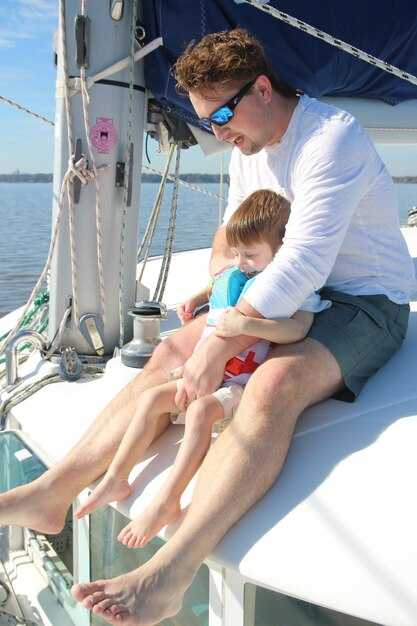
Recommendation: Run a 5-minute rapid-donning sweep to speed up gear before heading out. Create a fixed line of gear from the cabins to the cockpit to cut time, reduce stress, and handle loads more smoothly on a bareboat charter with a baby. This saves money by avoiding delays and extra trips to fetch items.
Step 1: Pre-check documents and information Gather documents, insurance, and emergency contacts on a labeled mat near the door. This does help you think faster and avoids last-minute searches, while nappies and wipes stay close for quick changes during a sandy wind shift. If a quick shower is needed before heading out, a compact wash kit stays in the same line for easy access.
Step 2: Line up space and equipment Lay out life jackets, tethers, a compact first-aid kit, sun cream, hats, smaller spare clothes, and a small bag for the baby’s nappy changes. Keep nappies, wipes, and an extra outfit within arm’s reach to reduce trips below deck and save time on departure.
Step 3: Don gear in a set order Dress in an order that minimizes movement: base layer, weather layer, life jacket, baby carrier or harness. Secure all loose items with clips or small bags so space stays clear as you move between cabins and the deck. Think of your gear line as your express lane.
Step 4: Baby-focused prep Place nappies and wipes in a dedicated pocket, add baby sunscreen, a sunhat, and a small toy to keep the little one looking calm. A friendly routine with support from a partner keeps the process efficient and makes the holiday inclusive for family moments on the water.
Step 5: Final safety and headcount check Do a quick look over the deck to ensure loads are secured and nothing is likely to shift during motion. Confirm each crew member and baby is accounted for, and re-check between cabins earlier in the routine before you head out.
Maintenance and inspection: cleaning, storage, and replacing worn components
Before nights at sea, clean and inspect all equipment and replace worn components to keep lines and fittings safe.
Set up a simple cleaning routine: rinse decks, winches, and hatches with fresh water after every passage, then wipe with a soft cloth. Use a marine-safe soap on stubborn grime and check for corrosion on fittings. On gulets, store a compact kit in the bow locker so you can clean without moving around the cabin. This approach makes upkeep easier and helps keep clothing and baby gear dry; it doesnt take long and it keeps the bedroom neat for nights on board. With practice, it gets quicker to run checks.
After cleaning, pack items in labeled bins to stay organized and keep loads manageable. If you need to adjust, re-label bins to fit new gear. Dry gear must be kept in a vented locker; bottles of sealant, spare rope, and first-aid supplies should be stored away from heat and sun. Keep two small bags ready for short trips so you can grab basics quickly and stay organized on the move.
Inspect lines, halyards, shackles, and blocks on every check, looking for fraying, corrosion, or stiffness. If you find any wear, replace before it affects safety. Carry spare anchors, fenders, and small fittings; a basic kit helps you avoid a last-minute shopping spree. On longer journeys, planned replacements fit your budget and reduce the chance of breakdowns on gulets or other boats.
Maintain a simple log: date, checks, replacements, and next checks. This record could grow into a quick reference that helps you plan replacements and checking tasks. Use reminders tied to forecast or sailing schedule. A written record helps you spot growing wear and decide when to upgrade equipment or garments; it also makes it easier for another parent to step in if you are busy. Keeping notes keeps you organized and safer.
In the bedroom and cockpit, maintain a small kit with bottles and baby-friendly wipes, and inspect harnesses or life jackets for wear. If you tried a checklist last season, you know what works. When you pack clothing, choose a suit with easy access and keep toys to keep the child entertained during checks. A practiced routine reduces stress, keeps nights calmer, and helps parents stay focused on safety while keeping the baby safely involved.
Staying organized with a practical routine keeps loads manageable, helps you rest, and lowers the chance of missed checks. On every trip, confidence grows as you maintain the rig and keep it in good condition, with spares ready for use. This approach makes sailing with a baby more enjoyable and safer for the whole crew, from calm days to busy nights on gulets.