


 Suomi
Suomi  English (UK)
  Русский
  العربية
  日本語
日本語  한국어
한국어  Magyar
  Türkçe
  Español
  Čeština
  Svenska
  Português
  Ελληνικά
  Nederlands
  Română
  Italiano
  Français
  Polski
  Українська
  Deutsch
  简体中文
简体中文  Slovenčina
  Sailing Vacations and Boating Getaways – Relaxing on the Water">

Recommendation: Valitse rannikkopohjaisia, miehistöineen toteutettavia matkoja, joissa on sisältyvä varustus kohteeseen huoleton voyage.
Käytännössä valitse useamman kohteen kattava matka; jäsenet vaihtavat hyttejä matkan edetessä, samoin lelut, vesiurheiluvälineet, snorkkelit, included Kuivapussit tarjoavat välitöntä tekemistä.
Perinteinen vaihtoehdot tarjoavat elämyksiä rannikkoreitillä: rentoja baareja, vilkkaita yökerhoja, rauhallisia poukamia, toreja, maisemallisia näkymiä aaltojen yli.
Coastline keskukset järjestävät turvallisuuskatsauksia, välineiden tarkastuksia, merellisiä urheiluklinikoita; tämä rakenne pitää matkat luottavaisina, ateriat ennustettavina, aikataulut joustavina.
Included palvelut kattavat kuljetuksen satamien välillä, majoituksen hytissä, pääsyn baareihin ja yökerhoihin; voit tutustua eri kaupunkeihin ja palata kotiin matkamuistojen kanssa.
A different tuntea, valita reittejä monipuolisilla rannikoilla; perheenjäsenet arvostavat leluja, snorklaussettejä, huoletonta aikataulua jälleen.
Valitse oikea vene miehistöllesi ja taitotasollesi
Valitse 40–45 jalan kahden hytin sluuppi, jossa on yksinkertainen riki ja luotettavat järjestelmät; jos ryhmässä on monenlaista kokemusta, valitse miehitetty vaihtoehto, jotta sinun ryhmäsi voi nauttia seikkailujen ja kohteiden löytämisestä samalla, kun kansitehtävät pysyvät yksinkertaisina. Erinomainen valinta tasapainon kannalta.
Etsi vene, jossa on tilava kansi ja liukastumattomat pinnat, tukeva ankkurivarustus ja kunnollinen jolla, johon mahtuu pieni miehistö; miehistön kanssa tai ilman tehtävät järjestelyt vähentävät riskiä Karibian satamien tai Santorinin satamien lähellä, ja antavat sekä aloittelijoille että kokeneille purjehtijoille mahdollisuuden tuntea olonsa mukavaksi siirtyessä ankkuripaikoilta toisille.
Veneen tyypit ja miehistön dynamiikka
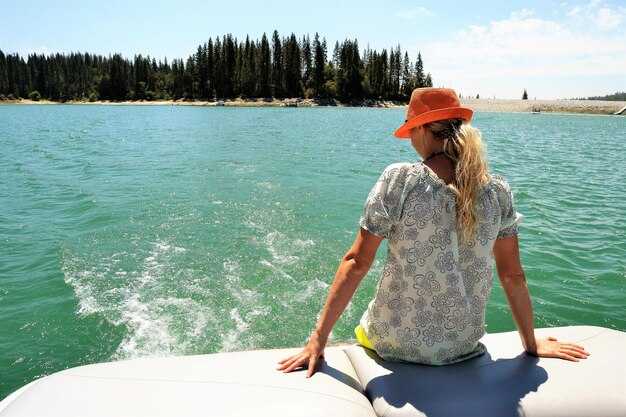
Flotilla-kokoonpanoissa veneet purjehtivat yhdessä, mutta tarjoavat silti henkilökohtaista tilaa; valitse tuulilautailijoille tai sukeltajille pohjaratkaisu, jossa on helppo pääsy ohjaamosta mereen ja riittävän suuri apuvene.
Jos ryhmissä on lapsia tai isovanhempia, valitse kolmen hytin pohjaratkaisu, läpikuljettava kansi ja suojaisa ohjaamo, jotta päivät sujuvat mukavasti. Jos ryhmä on seilannut aiemmin, miehistö tai kippari tuo turvaa hankalissa lahdissa.
Esimerkiksi kahden hytin malli tasapainottaa yksityisyyden ja jaetun asuintilan.
Tarkistuslista ennen varausta
Tunne alkuperäinen budjetti ja lentosuunnitelmat, jos sinun on päästävä määränpäähän lentäen; Karibian tai Santorinin kohteet vaativat usein lentoja solmukohdista, joten kysy operaattorilta hyväksi havaittuja reittejä ja suositeltuja satamia, mukaan lukien vierailtavat kaupungit ja yöpymiset satamissa.
Suunnitellessa, kartoita lyhyitä etappeja lahtien yli pitkien matkojen minimoimiseksi. Kysy, missä ankkuroitua ja missä kiinnittyä seuraavaksi tuulen, vuoroveden ja satamamääräysten perusteella.
Kysy turvavarusteista: pelastusliivit kaikille, luotettava kumivene moottorilla, VHF, EPIRB ja kansisuunnitelma pitämään köydet järjestyksessä; varmista, että kansipinnat ovat liukastumattomat ja että miehistö osaa hoitaa peruspurjehdus- tai moottoriongelmia järjestelmien pettäessä.
Koska suunnitella purjehdusviikonloppureitti kotisatamani lähellä?
Suositus: valitse lähellä oleva, kompakti lenkki home satama, 40–95 km, paluu ennen auringonlaskua, sisältää saaria, pysähdyksen rannalla sekä sataman asiakkaille.
Suunnittele kaksi tai kolme reittiä: aamupäivät rannikkoa pitkin, iltapäivät avomerellä, saarihyppelyä rennolla tahdilla; sisällytä kaksi satamaa polttoaineelle, aterioille ja lepoa varten.
Pidä huoli, että tarpeet ovat riittävät: ennuste, vuorovesiajat, päivänvalo, varusteet. Nämä tarkistukset auttavat kaikkia aluksella olevia tuntemaan olonsa valmistautuneiksi. Käytä tulostettavaa suunnitelmaa, jossa on yhteystiedot, ankkuripaikat ja kurssit. Mukana olevat kohteet ovat hyödyllisiä.
Ystävällinen miehistö toivottaa kaikki tervetulleiksi; vieraat mukaan lukien, unelmien matka käytännön askelilla. Säilytä rauhalliset liikkeet; nämä kurssit varmistavat turvallisen edistymisen.
Reititillesi osuvat saaret tarjoavat piilossa olevia poukamia, hiekkarantapysähdyksiä lähellä kotia, ystävällisiä laitureita; leppoisia tavernoita aterioille.
quote Paikallisten mukaan: “Rannikko rauhallinen, tuuli lempeä, jokainen vieras lähtee hymyillen.”
Näillä elementeillä viikonlopusta lähellä kotia tulee ikimuistoinen, se vetoaa eri taitotasoihin ja sopii ystäville, perheelle sekä pienelle porukalle.
Muistio: Lähiympäristön suunnittelu auttaa välttämään pitkiä matkoja, kustannuksia ja laitteiden rasitusta.
Nämä kierrokset tarjoavat kodin ulkopuolisen tunnelman säilyttäen samalla etäisyyden pienenä logistiikan helpottamiseksi.
Pakkaa kevyesti mutta valmiina: pakkauslista mukavaan oloon laivalla
Aloita pienellä setillä: 3 yläosaa, 2 alaosaa, 1 ohut fleece, 1 uimapuku; 1 nopeasti kuivuva pyyhe; varasukat; aurinkohattu; snorkkeli pienessä pussissa; hygieniatarvikkeet kuivapussissa; etsi tuotteita, joilla on useita käyttötarkoituksia säästääksesi tilaa; suunnittelu pitää aikataulusi sujuvana.
Säilytä tavarat pakkauskuutioissa; kuivapussi pitää hygieniatarvikkeet kuivina; varausdokumentit, laturi, varavirtalähde, ensiapupakkaus, aurinkovoide, korvatulpat mahtuvat pieneen suojataskuun; juomapullo käden ulottuvilla lisää käyttömukavuutta; päiväreiteille on helppo tarkistaa asiat ennen yövuoroa; aseta tavarat järjestykseen.
Kreikan reiteille pakkaa kevyt sadetakki, aurinkosuoja, kompakti pyyhe, makuutarvikkeet; pidä nämä tavarat erillisessä pussissa; tämä järjestely vähentää sotkua, tekee purjehdusmatkoista mukavampia; purjehdusvalmistelut tuntuvat yksinkertaisemmilta, mikä lisää itseluottamusta.
Mitä mukaan mukavuuden takaamiseksi

Vaatteet: 4 kevyttä paitaa; 2 nopeasti kuivuvaa alaosaa; 1 fleece; 1 sadetakki; 1 uimapuku; 1 unimaski; 1 kompakti tyyny; yöpöytäjärjestäjä; mikrokuitupyyhe.
Jalkineet: sandaalit; kansikengät; 1 varapari.
Hygieniatarvikkeet: matkakokoinen pakkaus; hammasharja; hammastahna; aurinkovoide; antiseptinen pyyhe; säilytä pienessä vetoketjupussissa.
Elektroniikka: laturi; varavirtalähde; puhelimen suljettava suojakotelo; kartta tai offline-reitit; muistikirja; kynä.
Sebastus-miehistö arvostaa järjestettyjä varusteita; koulutus kasvattaa itsevarmoja merimiehiä; nämä asiat tukevat seuraavien matkojen suunnittelua; yövuororutiinit vaativat ripauksen kodin tuntua; ehkä tarkistaa varauspalveluiden alavalikko; seuraava askel näyttää käytännölliseltä tarkistuslistalta.
Saapumiskäytännöt, kosketukset
Yövartiot; seisovartio; pienet valomerkit tarkastuspisteissä; snorklausvälineet ulottuvilla; reittien tarkastaminen; rentoutumista vuorojen välissä; järjestetty varustus vähentää stressiä; sebastuksen miehistö hyötyy tehokkaista palveluista; koulutus pitää merimiehet luottavaisina; seuraavat vaiheet sisältävät päiväsuunnitelman kartoittamisen; ehkä tunnet olevasi valmis seuraavalle matkalle.
Sääolosuhteiden suunnittelu ja turvallisuustarkistukset, jotka voit tehdä etukäteen
Luo sääriskien tarkistuslista 24 tuntia etukäteen; tämä vähentää yllätyksiä ensimmäisellä osuudella ja tukee turvallisia valintoja.
- Ennustelähteet: seuraa luotettavien palveluiden virallisia säämalleja tuulen, puuskien, merenkäynnin ja näkyvyyden osalta; vertaa vähintään kolmea ennustetta; dokumentoi tosiasioihin perustuvat luottamustasot; tiedät sen vähentävän riskiä huomattavasti.
- Veneet, tuulet, aallot ja näkyvyys: jätä liikkumavaraa; vältä lähtöjä, kun puuskat ylittävät 12–15 m/s tai merenkäynti on yli 3 metriä; jos havaitaan syöksyjä, lykkää tai reititä uudelleen rauhallisempiin vaihtoehtoihin tänään.
- Turvavarusteiden tarkistus: varmista, että pelastusliivit sopivat kaikille; varmista heittoliinojen saatavuus; testaa VHF-radio, GPS, AIS; varmista, että varaparistot ovat ladattu.
- Navigointivalmius: varmista, että kartat ovat ajan tasalla; tarkista vuorovesitaulukot ja virtaukset; suunnittele reitit etukäteen saarille, Santorinille, rannoille, kaupunkeihin ja upeisiin kohteisiin; merkitse turvasatamat venesatamissa tai ankkuripaikoilla.
- Valmistaudu purjehdus- ja katamaraanilomaan: ota mukaan varaosia, tarkasta rikit, varmista ankkurivarustus, pilssipumput ja pelastuslautta; varmista sataman tai ankkuripaikan palvelut; varmista paikallisten sääntöjen ja vuokrausehtojen noudattaminen.
- Hazard awareness and schedule flexibility: study local history of storms and squalls; again, take note to avoid night passages in unfamiliar waters; today maintain flexible plan; keep option B ready for each leg; sounds like a plan, which makes everyone confident.
- Communication and safety culture: share route with a trusted contact; establish daily check-ins; use AIS or VHF for updates while keeping music playing during briefings to maintain focus.
- Documentation and backup: carry copies of charts, permits if needed, weather warnings; have digital backups; this practice ensures everything remains accessible; dream itinerary becomes feasible; always prefer local facilities at destinations with good marina services.
Save money on rentals, moorings, and provisioning
Recommendation: join a flotilla to lock in bulk berthing rates; provisioning charges drop; schedules stay flexible.
Moorings cost breakdown: small craft near coastlines 25–45 EUR nightly; mid sized slips 50–90 EUR; larger marinas 100–180 EUR; peak season upcharges 20–35%.
In Dubrovnik harbor, nightly berthing commonly sits around 70–120 EUR for mid range vessels, with peak season upcharges 20–40%; some ports require qualifications for mooring; confirm with marina desk before arrival; port authorities have strict checklists.
Provisioning tips: pre plan meals using fixed menu from markets; order online for marina delivery to dinghy dock; stocking full supplies reduces trips ashore; bring snorkel gear to avoid rental costs; this keeps overall spend lower.
Power management: prefer dock power packs; stand by load limits; monitor consumption; many marinas charge per kWh; this saves when fridge idle only during long passages; maintain minimal consumption while docked; then relax knowing costs stay low.
Budget options: prefer flexible docking windows at marina, reduce idle time, request power from dock only when needed; whether budget cap or comfort priority, matter is total spend across moorings, provisioning, fuel, port charges; wont waste money by neglecting bundled deals; enquire about bundled deals that pair dinghy transfers with marina days, watersports passes included; theres benefit from planning, smooth hops between anchorages, friendly harbors, whale sightings, wide fjords, arctic mornings, waterways; love of exploration.