


 Suomi
Suomi  English (UK)
  Русский
  العربية
  日本語
日本語  한국어
한국어  Magyar
  Türkçe
  Español
  Čeština
  Svenska
  Português
  Ελληνικά
  Nederlands
  Română
  Italiano
  Français
  Polski
  Українська
  Deutsch
  简体中文
简体中文  Slovenčina
  Sailing Vacation Planning – Differences Between Bareboat Charter, Captained Charter, and Flotilla">

Recommendation: Rent a captained charter for a stress-free start and let the skipper handle the navigation while you navigoida the coastlines, arrive at famous anchorages, and enjoy unforgettable voyages and captivating bays. In september-october the seas calm and marinas ease into the schedule, making this option especially appealing for first-time crews and families.
Bareboat charters reward experienced sailors who can manage routing, provisioning, and weather decisions. You must hold a valid sailing license and be prepared to check local regulations and safety gear before departure. Expect to rent a 40–45 ft sailboat for roughly 2,000–3,800 EUR per week in popular bases, with fuel, marina charges, and dinghy rental on top. If you want a flexible pace and the thrill of exploring, this option offers autonomy; otherwise consider a captain or flotilla.
Captained charter balances independence with support. A skilled captain manages local tides, routes, and paperwork, giving you time to relax, dine ashore, or assist at the helm in short legs. English-speaking captains are common in famed bases around the Ionian and Aegean; they can serve as a local guide for hidden coves near ithaca and the Ionian. Expect daily rates around 150–300 EUR for the captain, plus boat rent, with discounts for multi-week trips–great for families or newcomers who want a calm yet perfect pace.
Flotilla navigation groups share the helm under a lead skipper, with coordinated itineraries, port checks, and group social events. You’ll enjoy the camaraderie, while still having room to lie on deck and soak up the scenery. Flotilla costs vary by boat size and route, but expect roughly 1,000–2,000 EUR per boat per week for the rent, combined with crew meals and marina dues. Lefkada, Corfu, and the biggest Ionian hubs host flotillas in the september-october window, with strong dealer networks for gear and support.
Tips for planning: Start with a short list of anchors and check the city where you’ll base your trip. If you want to explore ithaca, plan a route that links Lefkada, ithaca, and other coves with regular tender service. Check with a local dealer about gear and maintenance, and confirm an english-language contact for emergencies. If weather events happen, adjust your plans with the flotilla or captain. If your plans include a trip to the wight coast, factor ferries and overnight passages into the schedule. Arrive a day early to check in, stock the boat, and meet the crew; this reduces stress and sets you up for a smooth start. For best results, align your choice with september-october conditions and book early to secure berths in popular towns.
Choosing the right charter type for a May Amalfi Coast voyage
Choose a captained charter for a May Amalfi Coast voyage to maximize comfort and flexibility. A seasoned skipper guides you through the Sorrentine Channel, unlocks access to crowded coves, and facilitates exploring island havens like Capri and Ischia while you savor the coast’s nautical charm and cuisine.
Bareboat works only if your crew is experienced and ready to manage varying winds across the area. Without a skipper, you must master weather windows, plan offshore legs, and handle entry into busy ports along the coast, where access can be limited. Mastering weather patterns allows you to explore with confidence while you enjoy the cuisine and scenery.
A flotilla offers a social, guided option that still lets you explore on your own days. You stay in rhythm with the lead boat, enjoying stops in white-washed towns across the west coast and access a calmer cove near Praiano, Conca dei Marini, and Li Galli areas. This format blends safety in numbers with the freedom to linger where you want and to sample local cuisine in each port.
Sample May route: base in Sorrento, day trips to Capri island for a swim in clear waters, then a coastal arc to Positano and Amalfi, with stops in Praiano, Fiordo di Furore, and Conca dei Marini for short anchor stays in coves. For longer legs, cruise offshore to Procida and Ischia, or loop along the coast to explore the west coast towns with their white-washed architecture. May’s window offers gentle seas, but winds can shift, so a captain or flotilla lead helps you maintain a steady pace and keep to a sensible schedule with several stops.
september-october brings calmer seas and fewer crowds, making it ideal for deeper exploring along the italy coast and nearby islands. If you’ve been considering broader itineraries, you could compare options in spain or turkey later in the season.
Decision tips: a captained charter suits you if you want mastering the waters with a local expert on hand and a focus on exploring, cove stops, and island visits; some skippers even compare the solent routes for handling tides with the Amalfi coast when planning training. Bareboat requires proven experience and careful planning; flotilla balances guidance with freedom, ensuring you can enjoy the white-washed charm and cuisine without sacrificing safety. Consider your comfort with access to offshore routes, and pick the option that best fits the number of area stops you want to cover and the pace you want to keep down the coast of italy.
Bareboat Charter Requirements: Licenses, Experience, Documentation
Obtain a recognized bareboat skipper license before you book. This ensures you meet the usual requirements and reduces surprises at the check-in when you charter in grenada, the west Mediterranean, or the greek Sporades. A modern credential from a respected body demonstrates your competence and lets you explore with confidence, starting with beach approaches and dinghy handling.
Licenses and endorsements. Charter operators usually require a valid certificate from a recognized authority (for example RYA, ASA, or ICC) with coverage for the vessel size you chartered. Carry the original document, a translated version if needed, and a short listing of your helm experience. For boats up to about 40 feet, many bases accept a certificate of competence; larger yachts typically demand longer logged sea time and, in some cases, a supervising skipper for the first legs.
Experience and proof of competence. Build a logbook showing mastering helm skills during coastal passages and short crossings. Seasoned skippers usually hold 100–200 days at sea and have navigated a variety of wind and sea conditions, more varied than a single coastal hop. If this is your first bareboat renter, limit the first voyages to short hops between villages and beach towns, then add a couple of longer hops as confidence grows. This approach suits holidays with family or friends and works well in destinations such as the sporades, italy, and greek coastlines, where routes mix calm days with occasional sailing between corner ports and points along the coast.
Documentation pack. Prepare your passport (valid at least six months beyond your return), a current ID, and proof of insurance. Bring the charter agreement, the license, and emergency contact information. Operators may require a medical statement or a simple declaration of fitness to sail. Have crew lists ready for the stops and harbour calls, and ensure radio equipment and safety gear are in order for peaceful harbours and open-water sailing.
Destination planning tips. For holidays in grenada or the greek isles, check local rules in advance, as some bases require extra endorsements or a local briefing. Have an alternative plan for each day, including a shorter route to a sheltered beach or village if winds shift. A well-prepared plan helps you cover voyages and keep the experience comfortable for a diverse sailing community, from west winds to east bays, and along the coast toward the coast of italy.
Captained Charter: Onboard Roles, Captain Responsibilities, Safety
Book a captain-led charter and insist on a written onboard roles chart and a 30-minute safety briefing before departure. This setup clarifies who handles charts, watches, and guest comfort, reducing times when decisions stall. With a dedicated captain at the helm, crews know who calls the shots during calm seas and rough weather, and you can settle into the serenity of the voyage with predictable routines along coastline towns, cliffside harbors, attractions, and a touch of dolce vita on every voyage.
Onboard roles: The captain holds ultimate responsibility for navigation, safety, and adherence to routes. He or she sets the watch schedule, reviews weather updates, and makes contingency calls. The mate runs deck operations, handles mooring lines, checks the engine and electrical systems, and guides guests through safety procedures. Supporting crew such as a steward or cook stores provisions, serves meals, and keeps cabins tidy. With the captain in charge, crews rotate through watch duties in defined times, and this structure gives a couple and families a clear rhythm while sailors maintain readiness and comfort.
Safety specifics: The captain ensures safety gear is aboard and in date–life jackets for all guests, a life raft, an EPIRB, and fire extinguishers. Each voyage starts with a muster drill and a quick radio check on VHF. The skipper outlines emergency procedures, rendezvous points, and who to contact in port. Anchor plans consider coastline segments from irish shores to italy isles and the norwegian coast, choosing stable anchorages that protect gear and passengers. When the boat ties to a cliffside mooring, the captain coordinates a careful approach to minimize wake and keep guests comfortable. The crew keeps the galley organized, checks bilge pumps, and maintains clear lines of communication to preserve serenity during sailing and at anchor.
Differences: Compared with bareboat or flotilla, a captained charter centralizes decisions and safety in a single skipper, reducing miscommunication. The captain manages weather, anchorage choices, port calls, and provisioning with partner companies, and can tailor voyages to your preferences–whether a couple seeking charm in citys with waterfront attractions or a family exploring irish shores and italy isles. Though the upfront cost includes captain’s time and crew service, you gain steady routines and predictable schedules, with clear responsibilities for each leg and more time to enjoy serenity and the coastline without juggling every detail.
Flotilla Sailing: Group Coordination, Lead Boat, and Social Flow
Plan with a single lead boat (skipper) who coordinates the fleet using a dedicated VHF channel and a messaging app; this keeps maneuvers predictable and reduces confusion.
Before you sail, map a plan that links each stop to shelter options and markets for provisioning; choose a favourable harbour or open cove for each night, and if you pass through citys you can stock up.
Lead boat tasks include navigating the group, marking the route on shared charts, and maintaining a buffer for varying wind and currents; though itineraries vary, keep a core safety routine and dock procedures clear for every port.
Beginners benefit from pairing with an experienced skipper; youve got a faster learning curve when the lead boat demonstrates simple routines and clear signals you can manage yourself.
Sosiaalinen virtaus on tärkeää: suunnittele kevyt työvuorosuunnitelma, avaa kansi keskustelulle ja nimitä hankkija järjestämään varustusta markkinoilta – näin ruoka pysyy tuoreena ja aikataulutus ennustettavana heinäkuussa tai muina huippusesonkeina.
Paikan monimuotoisuuden havainnollistamiseksi voit kuvitella reittejä Alonissoksen lähellä avoimine poukamineen tai ikonisia pysähdyspaikkoja Scillyn ympärillä, missä historiantäyteisistä luolista tulee valokuvaushetkiä; jopa matkat Guadeloupen tai Boran markkinoille voivat valaista kotimaassa noudattamiasi vauhti- ja turvallisuusstandardeja.
| Time | Reitti/Ankkuri | Johtovenetoiminta | Sosiaalinen/Muistiinpanot |
|---|---|---|---|
| 08:00-12:00 | Avovesiosuus läheiseen avoimeen poukamaan Alonissoksen lähellä | Navigoi laivaston mukana, pidä 1-2 veneen väli. | Kahvitauko ja nopea turvallisuustarkastus |
| 12:30-15:00 | Lounasankkuripaikka suojaisella lähestymisellä | Tarkista provisiointi jälleenmyyjän kanssa | Aurinkoa, uintia, kevyttä jutustelua |
| 17:00-19:00 | Palaa satamaan tai suotuisaan satamapaikkaan | Laiturikoordinointi, peräköyden järjestys | Ryhmäillallinen kannella |
Sää ja meriolosuhteet Amalfirannikolla toukokuussa
Varaa toukokuun vuokraus kipparilla, joka pystyy käsittelemään vaihtelevat meriolosuhteet ja pitämään risteilysi joustavana.
Toukokuussa Amalfin rannikko siirtyy kohti lämpimämpiä päiviä ja tyynempiä aamuja, kun taas meriolosuhteet tarjoavat edelleen vilkkaita purjehduksia niille, jotka etsivät ikimuistoista kokemusta. Voit odottaa miellyttäviä lämpötiloja, ja vesi lämpenee riittävästi alkukauden pulahdukselle suosituissa paikoissa. Käytä seuraavia tietoja pikaohjeena kevään rauhallista ja maagista merimatkaa suunnitteleville.
- Ilman lämpötila pysyttelee 23–26 °C:ssa kuumimpien iltapäivien aikana, öiden viiletessä 15–18 °C:een. Kuukauden loppua kohden lämpimämmät päivät vievät kohti kesän mukavuutta, mutta illat voivat tuntua raikkailta rannikoiden ja kukkulakaupunkien lähellä.
- Meriveden pintalämpötilat vaihtelevat noin 18–21 °C:n välillä nousten toukokuun edetessä. Säännöllistä uintia suunnittelevat kokevat veden yhä houkuttelevammaksi, erityisesti suojaisissa poukamissa.
- Tuulet ovat tyypillisesti heikkoja tai kohtalaisia, merituulten voimistuessa myöhään aamupäivällä. Useimpina päivinä tuuli on 8–15 solmua, joskus voimakkaampina päivinä tai etelästä tulevien sirocco-tuulten aikana jopa 18–22 solmua. Aamut ovat yleensä rauhallisempia ja iltapäivät tuulisempia.
- Merenkäynti on yleensä tyyntä tai kohtalaista. Lyhytaaltoiset aallot rauhoittuvat nopeasti suojassa, kun taas avoimet osuudet voivat tarjota miellyttävää aallokkoa kokeneille kippareille. Voimakkaat aallot ovat harvinaisia, mutta mahdollisia säärintamien muuttuessa.
- Sääennusteet muuttuvat päivittäin; luota paikalliseen tietoon ja satamaviranomaisten sekä kokeneiden kipparien yhdistettyihin ennusteisiin. Tarkista luotettava ennuste joka aamu ennen lähtöä, varsinkin jos aiot suunnata Caprille tai Li Gallille.
- Tyrrhenanmeren rannikon vuorovedet ovat vähäisiä, joten virtaukset eivät juurikaan vaikuta suunnitteluun. Ankkurointipäätökset riippuvat enemmän tuulen muutoksista ja suojasta kuin vuoroveden vaihtelusta.
- Parhaat purjehdusajat ovat myöhäisestä aamupäivästä alkupäivään, jolloin tuuli voimistuu ja merenkäynti on tasaisempaa, mikä mahdollistaa sujuvammat matkat kuuluisien paikkojen ja viehättävien kaupunkien välillä.
Käytännön suunnitteluvinkkejä toukokuun purjehdukselle Amalfin rannikolla:
- Valitse vuokravene kipparilla tai liity purjehduslaivueeseen, jotta seurueesi voi sopeutua muuttuviin tuuliin tinkimättä nautinnosta noissa rakastetuissa rannikkopaikoissa.
- Suosi suojaisia poukamia ja lahtia – Praiano, Fiordo di Furore ja Conca dei Marini – erityisesti tuulisina päivinä, jotta ankkuripaikat pysyvät rauhallisina ja yöt turvallisempina ja mukavampina.
- Aloita päiviä aikaisin nauttiaksesi tyynemmistä vesistä ja viileämmistä aamuista; varaa iltapäivät rannoille ja viehättävillä kujilla kävelyyn levollisen purjehduksen jälkeen.
- Suunnittele vierailuja paikkoihin, joissa yhdistyvät upeat näköalat ja hyvät rannat, kuten Positanon rannoille ja Amalfiin rantakadulle, ja siirry sitten Caprille tai Li Gallille sään salliessa.
- Kaupunkien, joissa on maineikkaat viinit ja ruokakulttuuri, iltoja kannattaa varata kulinaarisiin elämyksiin lyhyiden purjehdusten jälkeen ankkuripaikoista; nuo hetket syventävät tietämystäsi paikallisesta kulttuurista ja mauista.
Ankkurointi- ja reittinäkökohdat kohdekohtaisesti:
- Positano ja Praiano: syviä poukamia ja suojattuja ankkuripaikkoja lähellä kaupungin satamia, ihanteellisia seesteisiin öihin ja vaivattomiin kumiveneilyihin viehättäville kujille.
- Amalfi ja Atrani: suojaisat satamavaihtoehdot, joista on helppo pääsy kuuluille katedraaliaukioille ja laaja valikoima vuokraveneitä pienistä soutuveneistä suurempiin tilausveneisiin.
- Conca dei Marini ja Fiordo di Furore: rauhallisempia paikkoja dramaattisine kalliorantoineen, täydellisiä seesteisiin aamuihin ja valokuvaukseen rannikon jokaisessa kolkassa.
- Capri ja Li Galli: suunnittele pidempiä etappeja, kun tuuli ja meri ovat suosiollisia; käytä hyvämaineisia kippareita navigoimaan oikukkaissa virtauksissa ja vilkkaissa venesatamissa.
Kaiken kaikkiaan toukokuu tarjoaa taianomaisen tasapainon miellyttäviä lämpötiloja, hallittavia meriolosuhteita ja rauhallista rytmiä, joka sopii monenlaisiin purjehduskokemuksiin, rennosta vuokrauksesta kunnianhimoisempaan risteilyyn. Lämpimien päivien, tyynempien aamujen ja muutamien tunnettujen, aivan rannikon edustalla sijaitsevien paikkojen ansiosta ne, jotka suunnittelevat huolellisesti, voivat nauttia paratiisimaisesta rannikkokokemuksesta – jossa jokainen nurkka paljastaa uuden kauneuden ja jokainen päivä yhdistää viininpehmeät illat auringon valaisemiin purjehduksiin.
Matkasuunnitelman luonti: Caprin, Positanon, Amalfiin ja Sorrenton kohokohdat
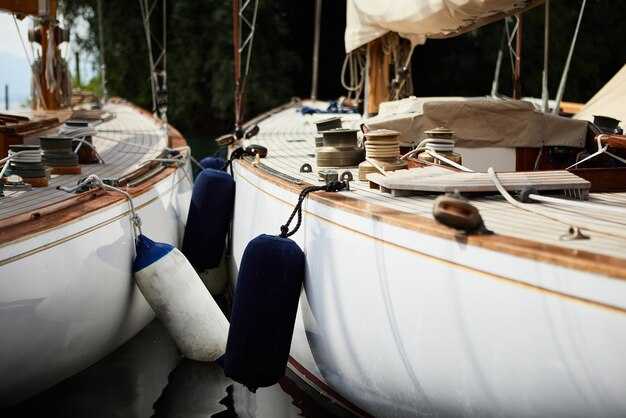
Aloita Capri-painotteinen matkasuunnitelmasi saapumalla aamunkoitteessa Marina Grandeen, laske ankkuri suojaisaan poukamaan ja suuntaa purjevene Pozitanoon päin leppoisassa tuulessa maaliskuussa tai lokakuussa.
Capri tarjoaa lumoavia merimaisemia, aitoja makuja ja lämpimiä kokemuksia, jotka yhdistävät suolaisen merituulen rinteiden viehätykseen. Anna miehistösi kuulla rannikon äänet liitäessänne kohoavien kallioiden ohi, pysähtyen hetkeksi suojaisaan poukamaan uimaan ja nauttien paikallisten tuottajien raaka-aineista valmistetun lounaan. Ajattele Ithacan reittejä ja Plymouthin muonitusta, mutta anna Caprin pysyä tämän osuuden ankkurina.
Caprilta purjehditaan lyhyt matka Positanoon kapeikkoa pitkin niemenkärjen ja meren välissä, taustanaan värikkäät rinteessä olevat talot. Tämä osuus on monien miehistöjen ehdoton suosikki, etenkin maaliskuussa ja lokakuussa, kun valo on lempeä ja kaupunki tuntuu eloisalta, mutta hallittavalta. Horisontti avartuu lahden yllä, kun ihmisiä kuhisevat kadut paljastavat kahviloita, portaita ja näköalapaikkoja.
Seuraavaksi risteile Amalfin kaupunkiin ja ankkuroi lähelle historiallista satamaa, kävele rantakadulla ja maistele sitruunaisia makuja rantakadun trattoriassa. Rannikolla on näköalapaikkoja, joita merimiehet ovat ihailleet sukupolvien ajan. Iltapäivällä suuntaa Sorrentoon ja nauti rannikolla kasvaneiden oliivien ja mereneläväpastan lämpimästä tuoksusta katsellessasi lauttojen kulkevan kanavaa pitkin. Voit myös kävellä lyhyen matkan näköalapaikalle auringon valaiseman lahden ylle ja palata sitten laituripaikallesi.
Sorrentoon palattuasi voit perustaa tukikohtasi uudelleen ja suunnitella sitten ympyräreitin takaisin Caprille tai poiketa Alonisokseen, jos aika sallii. Varmista, että karttaasi on merkitty matalat salmet ja turvalliset alueet, ja pidä aamut rauhallisina siirtymien helpottamiseksi. Halutessasi voit pidentää reittiä Alonisokseen kreikkalaiselle sivupolulle. Auringonlasku horisontissa, elävä siluetti ja kuhisevat kadut päättävät tämän rannikkoreissun aitoihin kokemuksiin ja makuihin miehistöllesi.
Budjetointi ja sisällytykset: Maksut, polttoaine, kiinnitykset, muonitus
Aseta viikoittainen budjettikatto 900–1200 USD venettä kohden, 7-day peruskirja ja varaus 15–25% of the base rate as an APA for provisioning and crew gratuities. This keeps life on board predictable and creates a clear window for fresh provisions in grenada and along the grenadines.
Fees include the base charter price plus an APA, security deposit, and any marina or port dues. For captained charters, add a 5–10% tip; flotillas often use a small per-person contribution. If you sail with a norwegian-flag operator, confirm which inclusions are guaranteed and which costs remain extra to avoid surprises.
Fuel is usually charged separately or capped. Expect 8–12 L/hour on a 40–45 ft boat, yielding roughly 60–150 L across a 7-day period depending on wind and engine hours. A(n) adventurous itinerary with crossing between islands can push consumption higher. Plan ahead for fuel at grenada or other island stops, and reserve a small buffer to cover unplanned delays, as wind shifts may require engine use along a coastline that is picturesque ja dramatic.
Moorings vary by location. Expect 30–60 USD per night for standard marina berths in the busy coast zones; premium spots rise to 70–150 USD. Private moorings in secluded bays can be 15–30 USD, but services are limited. For british crews, confirm hours and safety procedures before arrival; many popular coasts are known for busy schedules, so book early to avoid infamous price spikes week after week. Always check if a mooring field accepts boats of your length and draft, and prefer safe options to ensure you travel safely along the coastline.
Provisions: In grenada, source authentic, tuoreet produce at markets to keep meals varied and affordable. Plan a provisioning window of 48–72 hours before departure to stock staples, dairy, meat, and fresh fruit, then top up in grenadines ports as needed. Keep a mix of fresh items (bread, greens, fruit, fish) and long-lasting staples (pasta, rice, canned goods). For italy-inspired meals, stock olive oil, canned tomatoes, and pasta. Align provisions with your coastal route along warm, picturesque coastlines and secluded anchorages, and divide shopping duties to match crew abilities while maintaining tranquillity laivalla. Tämä lähestymistapa auttaa sinua nauttimaan jokaisesta hetkestä turvallisesti. crossing ja tarjoaa joustavan elämän merellä.