


 Suomi
Suomi  English (UK)
  Русский
  العربية
  日本語
日本語  한국어
한국어  Magyar
  Türkçe
  Español
  Čeština
  Svenska
  Português
  Ελληνικά
  Nederlands
  Română
  Italiano
  Français
  Polski
  Українська
  Deutsch
  简体中文
简体中文  Slovenčina
 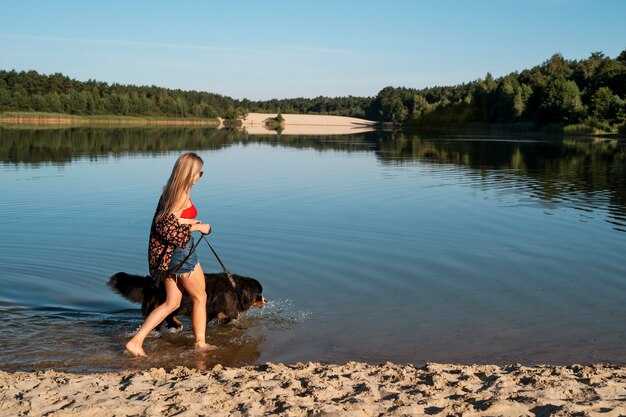 Safety Tips for Boating with Your Dog – A Practical Guide">

Begin with a properly fitted life vest on your dog before every launch, and keep a short, secure leash handy. This single action dramatically reduces risk if a wave hits or the boat lurches. For dogs of all sizes, the vest should fasten securely and have a handle for quick retrieval from the water; ensure breathing remains steady by avoiding bulky gear that blocks the chest.
Keep essentials on board: a collapsible water bowl, treats for positive reinforcement during practice, a canine first-aid kit, a leash, and information cards with your vet’s contact. Attach a small waterproof bag to the rail to prevent loss, and use color-coded gear to speed up retrieval.
Monitoring breathing and body language is crucial on every trip. If you notice heavy panting, drooling, or a pale tongue, shorten the ride and give water and shade. On warm days, aim for under 30 minutes on calm water until your dog stays relaxed; use a shaded rest stop mid-trip to reset.
Teaching your dog basic on-board commands on land creates a calm on-water routine. Practice being responsive to your cues with short sessions: sit, wait, and come when called, then reward with treats. A well-taught dog stays closer to your side and stays away from the bow when underway.
Track your dog’s position using a tether in the cockpit or on a safe deck zone to prevent down hazards and keep paws from slipping. Do not leave the dog unattended at any time, and keep the leash clipped to your belt or life vest so you can move quickly if needed. Plan a quick exit path in case of weather changes.
Launch on calm days and schedule short sessions at first: 20–30 minutes on quiet water, with pauses for water, shade, and paddling rest. Gradually extend the duration if your dog keeps a relaxed posture, a regular breathing rate, and shows willingness to stay with you. Keep fresh water on hand and avoid letting the dog drink seawater.
Information from boating safety guides show that most incidents involve dogs not secured or monitored during rough water or sudden maneuvers; use a simple pre-launch checklist that covers PPE, tethering, water, and breaks. A quick review at the dock keeps the experience predictable for everyone.
Tämä opas helps you plan with confidence: print a brief checklist, save a vet contact, and share the plan with fellow boaters. By keeping your dog safe, you protect your crew and create more joyful voyages with being on the water together.
Incorporate Plenty of Breaks During Boat Trips
Schedule breaks every 60 to 90 minutes during boat trips and adjust to heat, shortening to 30-45 minutes on very warm days. Before departure, complete a pre-trip checklist: a shaded spot, a collapsible water bowl, a spare leash, and a plan for reboarding after each rest. This routine keeps your dog relaxed and makes it easier to read their signals.
Watch for cues of stress: rapid panting, glassy eyes, reluctance to move, or limping. If these appear, stop at the next break, move into shade, offer small sips of water, and gradually cool down. These actions help reduce overheating and distribute weight more evenly on joints. In rough seas, shorten breaks and stay near calmer sections of the boat. This is the point where breaks matter–especially in amazon heat or humidity, increase breaks and provide shaded rests.
During breaks, let your dog explore on the deck, sniff the air, and rest on a clean mat. Take a quick photo to monitor posture and comfort, and watch for any scratches on paws after docking. Use familiar cues–sit, stayja come–to keep your dog relaxed and under control while the boat moves.
Keep the environment friendly: shade, fresh water, and ventilation reduce overheating risk. When traveling through different states with heat, plan extra breaks and monitor the dog closely. Know their weight and adjust activity to avoid fatigue. Use a proper life jacket for dogs and non-slip surfaces to support safety, while a quick, calm routine on each break helps your dog stay smart about the experience. When you see signs of discomfort, pause and reassess to prevent a stressful trip.
Select a USCG-approved dog life jacket with a snug, adjustable fit
Choose a USCG-approved dog life jacket that fits snugly around the chest behind the front legs and sits high on the neck. It should have two adjustable straps, a sturdy grab handle, and a reliable D-ring for a leash aboard. Confirm the weight and chest girth ranges on the label, and verify the approval is current (up-to-date).
Size ranges: XS chest 8–12 inches (20–30 cm); neck 8–10 inches (20–25 cm). S chest 12–16 inches (30–40 cm); M 16–20 inches (40–50 cm); L 20–24 inches (50–60 cm). For your small dog, pick chest girth at the lower end of the range and use the two adjustable straps to tailor the fit. If between sizes, choose the smaller and tighten with straps; ensure there is room to move but no slack that lets the jacket slide off.
Fit on dry land before water time: put on, fasten all straps, and lift by the grab handle to simulate a fall. The jacket should stay in place on board and not ride up, while the neck opening stays comfortable. Check that your dog can drink and breathe easily, and snap a quick photo of the fit to compare with the size chart and verify coverage.
On the water: mindful operation matters. Keep your dog within view, avoid crowds, and use the jacket during longer trips on a national lake or when docked. A jacket that stays put during splashes reduces accidents and keeps your dog calmer. Store a spare right-size jacket in your gear bag; inspect seams, buckles, and foam after every outing to ensure right protection and reintegrate as needed.
Maintenance and storage: rinse after exposure to salt, chemicals, or sunscreen; air-dry away from sun; collapse a collapsible jacket and store it in a dry bag aboard when docked. Inspect seams, buckles, and foam after each outing and replace worn parts as needed. Keep extra jackets on long trips and practice fitting on land so youre ready for water time with your small dog.
Attach a secure harness and use fixed tether points on deck
Secure a strong harness on each four-legged boat-dog and attach it to fixed tether points on deck. Choose a padded, adjustable harness that fits snugly without restricting movement; verify two-finger clearance at the chest and ensure quick-release buckles. Connect to a designated anchor using marine-grade carabiners; never rely on a loose line. Keep a bowl of water on deck and within reach as part of your gear, so hydration is ready and the dog stays calm. If the dog gets excited, use a calm, clear voice and steady motions to reassure them.
Install fixed tether points at designated locations along the coaming or near the cockpit. Use non-slip mats under hardware to prevent shifting as the boat heels. Each tether should be four to six feet long to allow the dog to sit, lie, or stand without hitting hatches or lines; use a single line to reduce entanglement and shorten quickly if needed. For planning, mark positions ahead of time and train your dog to stay in that zone. A seasoned captain says to keep the boat-dog mindful and close to you; keep a phone within reach for emergencies.
During trips, teaching the dog to stay near the tether and respond to cues helps keep everyone safe. Watch the eyes and body for signs of stress; if the dog gets tense or wagging stops, shorten the tether and reposition calmly. Keep sessions short, rewarding calm behavior, and gradually extend time as the dog gains confidence. Tips from experienced crews emphasize consistency and staying aware of footing and movement to prevent trips or slips.
| Vaihe | Action | Gear/Notes |
|---|---|---|
| 1 | Fit a strong, padded harness on each dog and attach to a fixed deck point | Harness: padded; two-finger fit; fixed point: designated cleat/pad eye; connector: marine-grade carabiner; bowl nearby |
| 2 | Set tether length and position | Length: four to six feet; keep path clear of hatches; use non-slip deck mat |
| 3 | Train and reinforce cues for staying near the tether | Commands: sit, stay; eyes on handler; teaching sessions with praise |
| 4 | Monitor comfort and adjust as needed | Seuraa vilinää tai levottomuutta; lyhennä tarvittaessa talutinta; pidä puhelin valmiina nopeita puheluita varten |
| 5 | Huolto ja turvallisuustarkastukset | Tarkasta valjaat ja teline viikoittain; vaihda kuluneet varusteet; varmista kiinteät ankkuripisteet kovien matkojen jälkeen |
Perusta varjostettu, hyvin ilmastoitu alue aluksella, jossa on jäähdytysvaihtoehtoja.
Peitä varjoisat kannen nurkat hengittävällä katoksella auringon estämiseksi ja lämmön kertymisen vähentämiseksi; varmista, että tila pysyy viileänä, pitäen koirasi mukavana heti, kun lähdet liikkeelle.
Asenna pienikokoinen, akulla toimiva tuuletin pitämään ilman liikkeessä ja sijoita se niin, että turvallinen tuulenpuuska ylettyy koiraan ilman, että se puhaltaa suoraan tassuille; ota mukaan pieni vara-akku ja kiinnitä johdot, jotta ne eivät yllä koiran ulottuville tai pääse takertumaan.
Valmistele viilennysasema: matala kulho raikasta vettä, kostea pyyhe tai viilennysalusta ja valinnaisesti kylmäpakkauksia; tämä vähentää ylikuumenemisriskiä ja antaa nopeaa helpotusta.
Pidä tarvittavat varusteet lähellä: takit tai kevyet viilennystakit lämpimiin päiviin, talutin ja tunnistetunnisteet istuvaa kaulapantaa vasten; valvo pentua tai aikuista koiraa jokaisen siirtymän aikana.
Rajoita riskejä: käytä lyhyttä taluttimen pituutta liikkuessasi, pidä koira poissa kaiteiden läheisyydestä ja estä putoamiset laidalta; tarkista tassut naarmujen varalta auringolle ja kannen lämmölle altistumisen jälkeen.
Tämä opas auttaa sinua suunnittelemaan harjoituksia älykkäästi ja säätämään varjoa, ilmankiertoa ja nesteytystä koirasi kokemuksen, koon ja takin sietokyvyn perusteella.
Pidä säännöllisiä taukoja veden, pissaamisen ja koiran levon vuoksi 30–60 minuutin välein.
Aseta ajastin ja aikatauluta tauot vedelle, ulkoilulle ja levolle 30–60 minuutin välein, suunnittele etukäteen kuumuus ja varjo, ja pidä rutiini normaalina lemmikkisi stressin vähentämiseksi.
Jokaisen pysähdyksen aikana tarjoa tuoretta vettä kannettavassa kulhossa ja anna niiden ottaa pieni, tasainen hörppy: suunnilleen 60–120 ml pienille koirille, 120–250 ml keskikokoisille koirille tai 250–500 ml suurille koirille koon ja lämpöaltistuksen mukaan. Anna sitten heille pissaustauko turvallisella, kuivalla alueella; valitse mahdollisuuksien mukaan varjoisa paikka. Pidä talutin löysällä, jotta ne voivat liikkua luonnollisesti ja saavuttaa mukavan asennon. Kartoita reitti eteenpäin ja merkitse, missä seuraava vesipiste sijaitsee, jotta pysyt oikealla tiellä. Nämä ovat painon mukaan määritettyjä arvoja ohjeeksi.
Kuuman sään aikana ole tarkkana väsymyksen tai ylikuumenemisen merkkien varalta, kuten voimakkaan hengityksen, syljenvuodon tai horjumisen. Jos oireet viittaavat ylikuumenemiseen, tarkista niiden lämpötila tunnustelemalla sisäkorvaa tai tassua, siirry varjoon ja käytä kosteaa pyyhettä tai viilentävää takkia. Vähennä aktiivisuutta ja anna niiden levätä rauhallisella ja mukavalla alustalla; harkitse hengittävää takkia tai viilentävää kääreettä, jos altistuminen auringolle on korkea. Pidä ne rauhallisempina, rentoutuneina ja suojattuina pelolta tai äkillisiltä energiapurkauksilta.
Ennen lähtöä, ota mukaan kevyt takki tai viilennysliina, kunnollinen valjaat (ei tiukka kaulus) ja pieni tunnistusmerkintä, jossa on osavaltiosi ja yhteystietosi. Pidä mukana kannettava vesipullo täyttöä varten ja kuiva pyyhe nopeita pyyhkäisyjä varten. Käytä positiivista vahvistusta tasaisista tauoista ja sujuvista siirtymistä palkitaksesi; jos he ovat mukavia rutiinin kanssa, he todennäköisemmin pysyvät rauhallisina.
Turkisten turkkien tai paksun turkin osalta aikatauluta tauot ylimääräisen veden ja varjon kanssa, ja vältä suoraa auringonpaistetta kuumimman kuuman ajanjakson aikana. Jos koira vaikuttaa levottomalta tai peloissaan, hidasta vauhtia, puhu pehmeällä äänellä ja anna sen levätä pidempään varjossa. Oikea suunnitelma pitää lämmön altistuksen alhaisena ja tekee matkasta suojatun ja miellyttävän onnelliselle, rentoutuneelle ystävälle.
Kannettavia juomakuppeja ja helposti pyyhittäviä pyyhkeitä nopeaa virkistystä varten
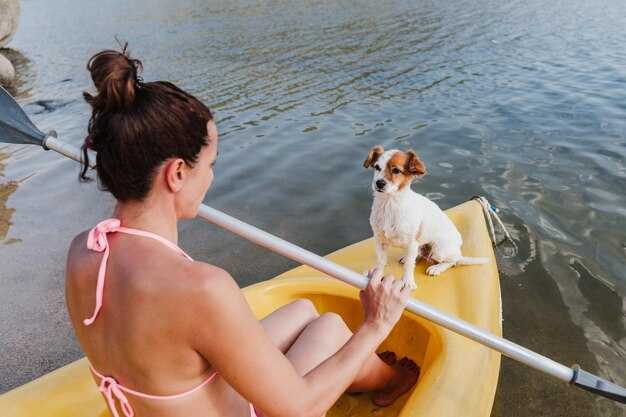
Pidä taskussa tai lukukopissa kaksi pientä, roiskumattomia, kannettavia juomakuppia ja pino pyyhittäviä pyyhkeitä. Tämä yksinkertainen järjestely vähentää nestehukan riskiä auringossa, suihkussa ja uinnin jälkeen ja auttaa kaikkia laivalla luomaan muistoja mahdollistamalla nopean virkistämisen koirallesi pitkillä vesilläolo päivinä.
Valittaessa kulhoja, valitse kaupalliset vaihtoehdot, joissa on liukumaton pohja ja tukevat kannet, jotta roiskeet eivät pääse syntymään kovassa vedessä. Taitettavat silikonikipot säästävät tilaa; ruostumattomasta teräksestä valmistetut kulhot ovat kestäviä ja helposti sanitoitavissa. Pyri 350–450 ml:n tilavuuteen per kulho ja pidä mukana yksi varakulho kuivassa pussissa yllätysvieraita varten. Aseta kulhot liukumattomalle matolle tai kannalle, jotta ne pysyvät tukevasti ja suojaamaan korvia ja päät äkillisiltä nykäyksiltä.
Parikoi kulhot nopeasti kuivuvien pyyhkeiden kanssa: noin 30×50 cm kokoiset mikrokuitupyyhkeet toimivat hyvin kannettavuuden kannalta. Pidä kolmea pyyhettä kiertoon: yksi kuivaamiseen, yksi korvien pyyhkimiseen uinnin jälkeen ja yksi varalle. Pyyhi pois suola, aurinkovoide ja hiki vähentääksesi kutinaa ja ahdistusta sekä nopeuttaaksesi koirasi paluuta kannelle.
Käyttöohjeita: Esittele virkistysrytmi lepotauoilla tai telakointien jälkeen lämmön ja janon reaktioiden vähentämiseksi. Kuivaa takki huolellisesti, erityisesti korvien ympäriltä, kosteuden kertymisen estämiseksi. Tarjoa vettä 20–30 minuutin välein lämpimissä olosuhteissa ja ajoita virkistys varjoisaan paikkaan vaarallisen altistumisen välttämiseksi kiskoilla tai suorassa auringonpaisteessa. Tämä lähestymistapa vähentää stressiä ja tekee matkoista sujuvampia kaikille.
Tarkistuslista ja huomioitavat asiat:
- Kaksi kannettavaa vesikuppia (taitettavaa silikonia tai ruostumatonta terästä) liukuesteillä.
- Kolme pyyhittäväksi tarkoitettua (mikrokuitu) pyyhettä kuivaamiseen, korviin ja varaosia varten.
- Nonslip-matto tai kansipinta kulhojen alla
- Pieni pullo raikasta vettä täyttöön
- Koira-anorakki, pelastusliivi ja perus ensiapupakkaus
- Biohajoavat roskapussit ja kannen puhdistusliinat
- Säännökset ja lisenssimääräykset: tarkista paikalliset säännöt; pidä kopiot veneessä
- hankkia ohjeita viranomaisilta ja pitää ne saatavilla
- Rokotustodistukset, jos ne ovat vaadittuja asuinpaikkasi lakien mukaan.
- Harkitse veneen pohjaratkaisua ja valitse kulhoja ja pyyhkeitä, jotka sopivat tilaasi.
- Nyt on aika nopealle tarkastukselle ennen lähtöä, jotta voidaan esitellä tämä rutiini ja vähentää ahdistusta.