


 Suomi
Suomi  English (UK)
  Русский
  العربية
  日本語
日本語  한국어
한국어  Magyar
  Türkçe
  Español
  Čeština
  Svenska
  Português
  Ελληνικά
  Nederlands
  Română
  Italiano
  Français
  Polski
  Українська
  Deutsch
  简体中文
简体中文  Slovenčina
 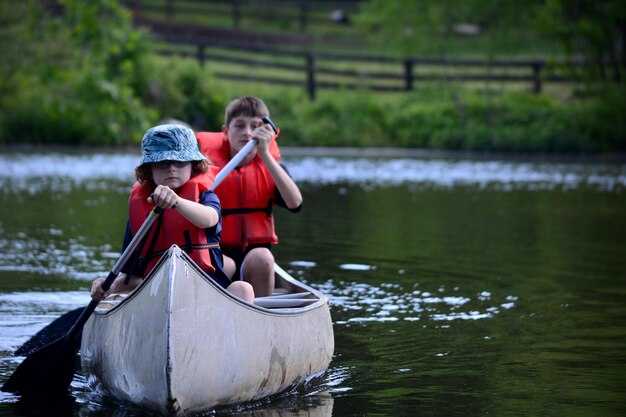 River Boating Do’s and Don’ts – Safety Tips for a Fun, Safe River Trip">

Always check the forecast, water level, and potential issues before launch. In direction planning, confirm a clear route, identify anchor points, and review operating procedures. Before you begin, youll familiarise yourself with the essentials and practice making quick decisions under changing conditions. Prepare a concise plan covering times, distance, and contingencies to prevent delays.
Survey the channel for obstacles, and mark hazards on your navigation device. Know how to conduct pre-launch checks, and secure an anchor line that can handle current. Use a ready resource list to maintain a sufficient distance from shallows, eddies, and other risks around lakes and bends.
During launch and operations, maintain distance from moored craft and wildlife. Verify your navigation device is charged, and confirm anchor deployment and retrieval steps. The times of day and tides matter–plan for daylight, keep a margin for maneuvering, and have needed back-up procedures in case weather shifts.
In a merenkulku setting, dress warmly for cold water exposure and carry extra layers in a waterproof container. Keep a concise list of issues that could degrade control, such as gear malfunction, loss of power, or drifting lines. A compact resource kit with a mirror, whistle, and basic signaling devices helps you maintain communication, while a simple distance rule reduces risk around other craft and shorelines.
Remember: you must review your plan at checkpoints, and familiarise with local regulations and lake rules. This procedure approach reduces issues and keeps the excursion aligned with best practices. In case of a malfunction or a novel obstacle, stay calm, review the resource, and adjust your course to avoid entanglement with banks or debris.
River Safety and Boating Guide
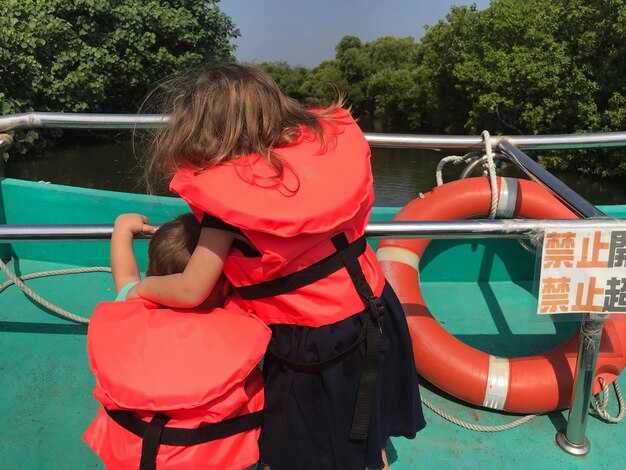
Always perform a pre-launch checklist: wear life jackets; verify hull integrity; test communications; ensure a throwable device is within reach; check navigation lights if early hours; secure hatches; secure loose items. Maintain a steady pace to keep going smoothly.
Know procedures established by authorities; designate a skipper who remains sober; conduct operations with a plan reflecting weather; assess navigational current; include contingencies against changing conditions; avoid restricted zones; monitor traffic including yachts; avoid actions that cause risk in tight sections.
Be aware of natural habitats along the waterway; keep distance from nesting sites; anticipate variable currents; maintain plenty of space when yachts approach; reduce speed near wildlife; practice situational awareness in busy stretches; be prepared to adjust in any situation.
Avoid alcohol during travel; alcohol impairs judgment; designate a crew member to monitor controls; keep a sober observer posted during launch; if alcohol has affected decision making earlier, withdraw from the channel.
Monoxide risk arises from exhaust; ensure hatches opened after engine stops to vent air; maintain ventilation in enclosed spaces; install detectors where needed. A brief venting period reduces monoxide exposure.
Test life jacket inflators; verify signaling devices; confirm anchor gear readiness; conduct quick drills on docking operations.
| Item | Minimum Arrangement | Huomautukset |
|---|---|---|
| Life jackets | 1 per person | Type II or III; wear at all times on deck |
| Communication devices | Charged VHF or equivalent | Backup power; test on deck |
| Lighting | Working navigation lights | Check before dusk; replace bulbs |
| Signaling gear | Whistle; mirror; flares | Inspect; replace expired items |
| Anchor and line | Ready; length appropriate | Practice retrieval |
| Ventilation; detectors | Hatches opened after engine stops | Monoxide detectors where needed |
Do a Pre-Trip Safety Check: Life Jackets, Lights, and Documentation
Verify life jackets fit properly and are in good condition, confirm navigation lights operate, and collect documentation before launch. Plan a quick check with designated assistance; youll have a calmer, safer proceed.
- Life jackets: Inspect each PFD for torn straps, damaged buckles, and buoyancy labeling. Ensure correct size for each person; replace any device nearing expiration. If inflatable, verify the inflation system works and the CO2 cartridge is fresh. Designate a central spot for quick access and keep spare units within easy reach, especially when movement increases on deck. Weight distribution matters, so match gear with person wearing a PFD to maintain balance.
- Lights and power: Test forward and stern signals, deck lights, and any onboard beacon. Check battery levels, bring spares, and confirm power wiring is dry and protected from moisture. Working lighting reduces misreads from docking forces and increases visibility to others on the waterway.
- Documentation and records: Carry vessel registration, operator license, and any required permits. Include medical notes for crew and emergency contacts. Store duplicates in a waterproof case and designate a single pocket or pouch for fast access. Keep digital copies on a phone or tablet to reduce search time if needed.
- Extinguishers and safety gear: Ensure extinguishers are rated for potential fuel fires, with gauges in the safe zone. Confirm mounting is secure and reach is immediate. Check seals and pressure, replacing or recharging as required, to avoid loss of effectiveness during a critical moment.
- Signals and communications: Verify audible signaling devices (whistle, air horn) and test any onboard radios or phones. Designate a primary communicator and establish clear hand signals to use when noise levels are high or during rapid movement.
- Launch procedures and roles: Run through step-by-step actions from approach to water, through clearance and into the channel. Assign a lead, designate additional assistants, and rehearse bail-out and return maneuvers. This procedural wrap minimizes hesitation and streamlines responses under stress.
- Environmental awareness: Known hazards ahead include dams, low-water zones, and strong force from current. Check weather updates, forecast winds, and water temperatures; adjust route as conditions change. Remain prepared to alter direction quickly to stay on a safer path.
- Weight and securing: Tie down loose gear, secure heavy items low, and balanced weight to prevent tipping. Verify tiedowns and storage compartments are functioning; secure anything that could shift during launch or if contact with water occurs. This reduces unexpected movement that could cause loss of control.
- Final wrap-up: Review outcomes with the crew, confirm everyone understands procedures, and verify assistance remains available. Youll finish with confidence, reducing chances of aggravation and keeping the mood happy during the voyage–this increases readiness for unexpected events.
Wear Life Jackets Correctly and Keep Them Accessible
Put on a properly fitted life jacket prior to entering the waterway. A snug, adjustable vest with secure closure prevents riding up during a sudden wake shift. Examine each piece for wear, frayed straps, or damaged fasteners; replace any item showing compromise. Choose a type that matches weight and chest size; verify the label and regional license-type requirements if applicable.
Keep jackets within arm’s reach; do not stash below gear piles. They should be mounted near entry points, grab handles, or seat backs so a person can grab one during moving or minor emergencies. Regularly train crew or companions to grab a jacket quickly; ensure straps are working smoothly.
Visibility matters in daylight; select bright colors plus reflective shapes to aid detection. Some models include lights; test them, replace batteries, ensure power for evening use. In Canada authorities may specify the allowed type and labeling for each user; boaters should verify compliance before departure. This article provides practical steps to keep everyone secured.
Wearing a jacket lowers hypothermia risk during immersion; maintain planned communication with other boaters, crew; this helps respond quickly if someone moves or becomes separated.
Plan includes below steps: inspect jackets; maintain power for lights; carry spare batteries; verify anchor line; rehearse communication signals; use a simple checklist; changing weather requires quick action by all crew; they must know how to alter positions quickly without losing buoyancy.
Scout the River for Obstacles and Currents Ahead
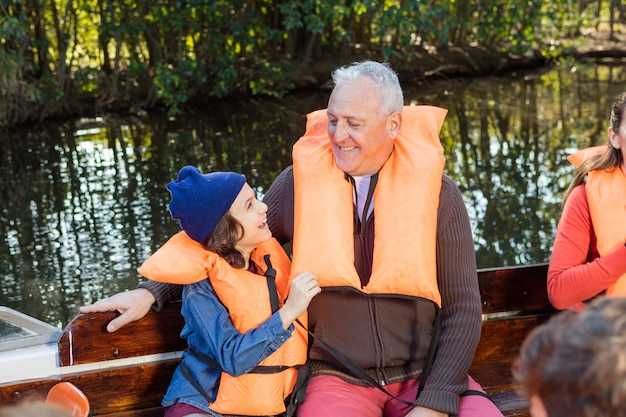
Take a proactive approach: identify routes down safe channels; note obstacles; assess currents above submerged hazards; plan exit points near shore; keep a mental note about potential hazards along the line.
Needed items before launch: pfds, wearing properly; whistle; signaling device; extinguishers on maritime craft; spare fuel; rope; first aid kit; map; battery-powered light.
Conduct a quick shore check; taking note where logs accumulate; identify where eddies form; note depth changes significantly; currents could cause shifts through gusts; note where debris took shape as it drifted into eddies; time your approach around bend sections to minimize exposure to currents.
Respect natural resource habitats along the shoreline; keep plenty of distance from nesting sites; operate at a low speed to reduce wake; maintain surface calm; observe wildlife above water; avoid disturbing aquatic flora or fauna.
Anchoring strategy: select a sheltered, non-obstructed anchor spot; deploy anchor with adequate scope; secure line with a cleat; conduct a drift check before resuming; shut throttle when close to hazards; monitor surface movement; note wind shifts could cause drift toward banks; monitor risk of collisions with shore or other craft; fuel reserves kept at least a quarter tank; time buffers added to plan.
Take It Slow: Speed Management and Wake Control
Set throttle to no-wake within 50 meters of shore or moored vessels. Increase speed only after the path is clear of people and obstacles, and the wake footprint remains contained.
Inspect conditions before departure: current, winds, daylight, traffic, and submerged hazards. Make adjustments to speed based on those conditions to keep wakes manageable.
Alter course as needed to steer around swimmers, paddlers, and eddies; a gradual bend reduces risk of stern wash sweeping nearby craft.
Sober operation must be upheld; designate a sober observer; ensure the boater crew uses PFDs and moves slowly when near shore.
Maintain safe distances: around children and floating objects, keep roughly 50-100 feet behind others; slow in congested zones and in narrow passages.
Propeller safety: inspect the propeller and intake for damage; never approach a mooring or swimmer with engine on; turn off when necessary.
Use a speedometer device to monitor tempo; winds influence speed choice; select a tempo that keeps wake within a smooth envelope.
Daylight conditions matter: operate primarily in daylight; low-light increases misjudgment risk; ensure navigation lights are ready if light fades.
Hypothermia risks rise with immersion: even minor events require quick action; wear dry-suit or layered gear; a well-fitted life jacket lowers exposure.
источник: course notes
Know Local Rules and SC Boat Safety Requirements
Always verify current South Carolina requirements prior launch; pfds must be worn by all moving passengers. This could help prevent hypothermia in difficult situations on waterways during season changes, ensuring everyone stays protected.
- Regulatory scope: know areas around your route; rely on marked channels; SC DNR publishes rules; inland waterways rules apply; season changes affect flows; season-specific limits apply; border scenarios with canada require extra checks; use official sources.
- Flotation equipment: pfds must be worn; pfds must be accessible; children under 12 wear while underway; choose pfds types based on conditions; Type I offers buoyant support; Type II keeps you afloat in calmer waters; Type III enables quick mobility; ensure proper fit; check expiration; keep spare pfds around cabin; note potential buoyancy differences by weight.
- Onboard gear: working extinguishers on vessels with fuel engines; verify accessibility; replace if needed; carry a horn; install monoxide detector if cabin present; keep detectors working.
- Operation practices: downstream currents; moving vessels; speed limits; keep distance from shore; avoid marked restrictions; if unclear, slow down; currents likely rise during high water; maintain situational awareness; use marked buoys; stay in designated channels.
- Cold water awareness: hypothermia risk exists after a slip; dress in layers; keep dry clothing nearby; carry blanket; in a sudden situation pull to shore; avoiding exposure to cold water.
- Cross-border notes: trips near border areas could touch waters shared with canada; assess risks; verify permits; carry identification; follow both SC requirements; check provincial guidelines when applicable.
- Emergency readiness: plan overboard rescue; in sudden situations with poor cell coverage, use VHF radio; know nearby rescue numbers; keep gear accessible; run crew drills; ensure pfds usage; keep a safety plan aboard.