


 Suomi
Suomi  English (UK)
  Русский
  العربية
  日本語
日本語  한국어
한국어  Magyar
  Türkçe
  Español
  Čeština
  Svenska
  Português
  Ελληνικά
  Nederlands
  Română
  Italiano
  Français
  Polski
  Українська
  Deutsch
  简体中文
简体中文  Slovenčina
 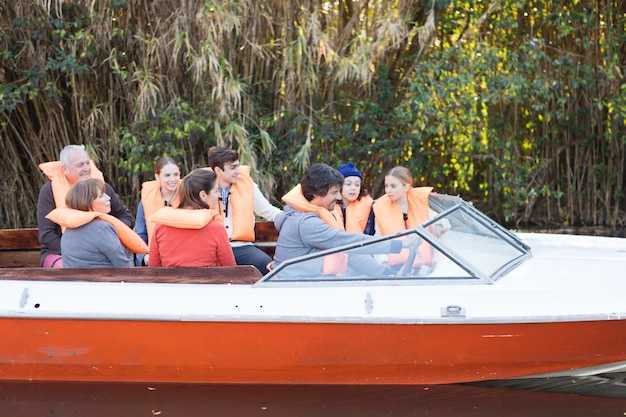 Rent the Boat, Own the Moment – Ultimate Guide to Boat Rentals">

Rent the boat today to lock in the best options and begin your trip with confidence. Modern booking systems connect you with trusted operators, making pricing, availability, and safety records transparent. Choose a wooden hull for classic charm or a high-performance fiberglass design for efficiency; both should come with preservation-minded maintenance logs so you know the craft stays reliable.
Know what you plan to do on the water–sailing, cruising, or fishing–and collect input from fellow boaters to fine-tune your choice, whether you plan a day trip or a weekend cruise. Look for vessels with strong wind handling, intuitive controls, and clear operation manuals. Even on breezy days, a well-balanced hull helps you move smoothly and safely. If you’ll move between coves or channels, confirm mooring options and check that the on-board systems include a reliable GPS and safety gear.
Safety and upkeep demand a practical approach: keep fuel and safety gear in check, verify insurance coverage, and review the skipper requirements. Preservation of the hull and rigging matters, and keeping the craft dry and clean prevents corrosion. Be aware of restrictions on animals aboard in some harbors; tiny creatures on shore can prompt different rules, so plan ahead because some marinas require quiet hours and leash rules.
To rent without stress, confirm a flexible cancellation policy and a detailed equipment list. Use filters to pick hull type, engine power, and cancellation terms. using reviews and direct operator responses help you compare handling, stability, and your needs for solo or family trips, which gets you through tight schedules.
With the right choice, you own the moment: step aboard, feel the wind, and set your pace for a memorable outing that respects your time and budget. The process keeps you aware today of options, and lets you share the experience with friends who ride along.
Practical Roadmap for Boat Rentals and Eco-friendly Charters
Book a reef-safe charter with a published waste policy and a clear commitment to preservation; this simple move reduces cigarette litter on board and protects on-water beauty.
If you travel with a group, define your group size and trip style, then rent a vessel that fits your needs and minimizes environmental impact; prefer more sustainable options such as electric or hybrid engines, and verify engine efficiency and waste handling during the charter.
Look for operators who are committed to transparency and acknowledge local culture and regulations; a short responsibility agreement helps ensure everyone understands rules and waste practices.
Move slowly near reefs, use established moorings instead of dragging anchors, and keep noise and wake to a minimum; reef-safe cleaning products on board reduce chemical runoff and protect habitats.
Plan provisioning to be sustainable, including farmed seafood from reputable sources, local produce, and packaging-free items; bring reusable water bottles and bags; discourage cigarette litter and single-use plastics.
After the trip, acknowledge results with the operator and share feedback; this will assist operators in improving ships and services, supporting a culture of responsible chartering and helping communities and reefs.
| Vaihe | Action | Outcome |
|---|---|---|
| 1 | Define group size and boat type | Better fit, reduced wake, same comfort |
| 2 | Verify reef-safe policy and waste plan | Lower environmental risk |
| 3 | Pre-trip responsibility agreement | Clear expectations and responsibility |
| 4 | On-water practices | Preservation of reefs and habitats |
| 5 | Provisioning and waste strategies | More sustainable meals, reduced packaging |
Choosing the Right Boat Type for Your Trip
Choose a pontoon for travel with a group of 6–10 to enjoy stable lounging and easy boarding near bays. The wide deck, shaded seating, and forgiving handling make holidays comfortable for families and first-time skippers. Look for models with a sunshade, cooler space, and enough seating to avoid crowding; map your route to sheltered spots and follow buoys for safe navigation. As an example, plan a loop that stops at two or three bays for swimming and seafood tastings, keeping the pace relaxed and enjoyable.
If your plan centers on watersports, select a center-console or deck boat with a wide beam and a sturdy swim platform. These boats handle wake well, store wetsuits and gear neatly, and let you split time between tubing, snorkeling, and shore visits. If you believe in shared fun, try a watersport side by side with a friend. Leave a comment with your favorite spots and tips for beginners; sharing helps travel groups learn faster.
For overnight trips, a cabin cruiser or roomy sailboat lets you sleep aboard, cook meals, and ride out variable climate. These craft provide protection from wind and spray, ideal for holidays that stretch into multiple days. They also honor coastal heritage by letting you anchor near historic ports, and they support green practices on board–use reusables, avoid plastics, and pick up litter to protect the shoreline.
For fishing and coastal exploration, a sportsfisher or robust center-console with rod holders and ample deck space stays close to shore and helps you reach productive spots early. This option gives an absolute edge for anglers and explorers alike and pairs well with calm bays, scenic views, and the chance to sample seafood at a harbor restaurant.
To choose confidently, confirm the boat size, fuel type, and capacity before you sign. Check the weather and plan around climate and wind patterns; ensure safety gear is on board and accessible. Watch for lies in ads about speed or capacity; verify specs in the contract. Keep plastics off the deck, pick up litter, and treat the coast with care. Think about something practical you can do today to protect the coast, and you will be enjoying every moment of your holidays and travel, creating an excellent memory while honoring green practices and the environment.
Understanding Rates, Deposits, and Budgeting for Boat Rentals
Set a budget cap of 20% above the base daily rate to cover deposits, taxes, electricity, mooring, and holidays surcharges. This clear rule will help you compare options and stay in control as you book your sailboat adventure.
- Rates components: Base rate varies by sailboat type and size; for a sailboat under 35 ft, expect roughly $180–$450/day, while larger or premium models can reach $500–$900/day during holidays on popular routes to islands. Taxes and service fees usually add 6–12% depending on location.
- Crew and equipment: If you hire a skipper or crew, plan $150–$350/day on top of the base rate. Some fleets include safety gear and life jackets, while others charge separately for upgraded equipment.
- Mooring and marina: Mooring or marina fees run about $20–$60 per night in many destinations; in high-demand areas near busy islands, expect $70–$100 per night.
- Electricity and fuel: If charged separately, electricity can be $15–$60/day, and fuel for the auxiliary engine varies with itinerary. Some fleets bundle limited electricity into the base rate, which saves surprises.
- Provisioning and delivery: Provisioning services can be $50–$200, and delivery to an island or remote mooring may add $100–$300 depending on distance and timing.
- Deposits and payments: Most operators request a refundable security deposit of $500–$2,500, held as a card pre-authorization or cash; the amount depends on boat size and safety history. Payment terms commonly require 20–50% upfront, with the balance due before departure; confirm the exact schedule in the contract.
- Cancellation and refunds: Expect a tiered policy–full refund 30–60 days before departure, 50% refund 14–29 days, and limited refund within 14 days; some operators offer weather-related or force majeure waivers, but read the terms carefully.
- Hidden costs to watch: check for additional charges like dockage during special events, fuel surcharges, mandatory safety briefings, and kids’ safety gear rentals, which can affect the total budget.
- Define your scope: choose the general size of the sailboat and the route, then estimate the base rate and days of your trip.
- Forecast extras: add mooring, electricity, fuel, skipper if needed, provisioning, and any holiday surcharges tied to your dates.
- Sum and compare: include taxes, insurance or waivers, and the refundable deposit; compare itemized quotes from local operators to keep the footprint small and support the surrounding community.
- Suunnittele etukäteen: jos mahdollista, lukitse sesongin ulkopuolella olevat ajankohdat jotta hinnat pysyvät vakaina ja loma-ajoissa sekä seuraavissa matkoissa on enemmän joustavuutta.
Siellä, selkeällä suunnitelmalla, voit tasapainottaa arvoa ja kokemusta. Kun valitset paikallisen toimijan, yhdistät itsesi ympäröivään kulttuuriin ja vanhimpiin laivastoihin, mikä usein tarkoittaa sujuvampia tarkastuksia ja parempaa tietämystä saarista, kiinnityspaikkoista ja yleisestä turvallisuudesta. Tämä lähestymistapa auttaa sinua pitämään tarpeesi mielessä, pysymään ryhmäsi tahdissa ja etenemään luottavaisesti samalla kun vertaat, mikä sopii budjettiisi ja mikä tarjoaa ikimuistoisen puoliksi sekavan matkasuunnitelman lomillesi.
Turvallisuus, vakuutukset ja oikeudelliset vaatimukset paljaisiin ja miehitetyihin vuokrauksiin
Paljaisiin vuokrattuihin veneisiin vaaditaan pätevöitynyt kapteeni ja kirjallinen vakuutuspolicyssa, jossa vuokrasopimus nimetään vakuutetuksi, rungon ja vastuun kattavuus sekä ympäristövastuu ja dokumentoitu pelastussuunnitelma. Varmista, että vakuutus kattaa moottorin ja järjestelmät ja sisältää hinaussisäyksen, jos sää muuttuu. Pidä todistus valmiina sisäänkirjautumista varten ja käy se läpi paikallisen toimittajan kanssa linjataksesi sen meripuiston sääntöjen ja koralliriuttasäännösten kanssa.
Turvavarusteet ja -menettelyt: Tarjoa pelastusliivit jokaiselle vieraalle, VHF-radio, toimiva EPIRB, sammutin, ensiapupakkaus ja kamera merenelävien suojelemiseen tähtäävien käytäntöjen tallentamiseen. Suorita lähtöennakkotarkistus moottoriin, pumppuihin, navigointilaitteisiin ja turvajärjestelmiin yllättävien tilanteiden estämiseksi, kun olet liikkeellä.
Miehistölliset charterit: varmista, että miehistöllä on voimassa olevat lisenssit ja selkeät tehtävät; varmista, että kapteenilla on kokemusta alueesta ja hän tuntee reittisi. Tarkista lepoajat, laivalla suoritettavat turvallisuusharjoitukset ja moottorin ja polttoainejärjestelmien huoltolokit. Kysy varaavien polttoainejärjestelyistä ja suunnitelmasta tankata kantaman sisällä viivästysten välttämiseksi.
Oikeudelliset vaatimukset: varmista aluksen rekisteröinti ja mahdolliset vuokrausluvat; tarkista paikalliset määräykset meripuistoihin pääsemiseksi ja koralliriuttojen suojelua koskevat säännöt. Vaadi vaatimustenmukaisuustarkastus ennen lähtöä ja pidä yksinkertainen kirjanpito reiteistä, ajoista ja tapahtumista pysyäksesi sopusoinnussa viranomaisten ja vakuutusyhtiösi kanssa.
Riskienhallinta ja kustannukset: neuvottele ehdot, jotka kattavat lääketieteellisen evakuoinnin ja kolmannen osapuolen vastuun; varmista rajat ja poikkeukset ja varmista, että kattavuus sisältää ympäristötapaukset. Käytä käytännöllistä miehistöohjelmaa hätätilanteissa, säänmuutoksissa ja turvallisessa paluussa satamaan. Pidä yllä budjettia polttoaineenkulutukseen ja suunnittele polttoaineet siten, että moottori ja järjestelmät ovat tasapainossa.
Käytännön vinkkejä perintöön ja vastuulliseen veneilyyn: kunnioita purjehdusyhteisöjen perintöä ja valitse palveluntarjoajia, jotka painottavat riutta-ystävällistä ankkurointia, poijuja ja korallien välttämistä. Etsi paikallisia ohjelmia, jotka tukevat meren suojelua, ota mukaan uudelleenkäytettäviä kuppeja ja minimoi jätettä. Vietä aikaa paikallisissa puistoissa tai satamissa, jotta voit olla yhteydessä miehistöön ja vieraisiin samalla kun pidät käytetyn polttoaineen kurissa ja suunnittelet tankkausta suojellaksesi riuttaa merielämälle ja jotta vieraat voivat muistaa charterinsa ikuisesti.
Ekologisen lupauksen tunnistusmerkit: Mitä etsiä
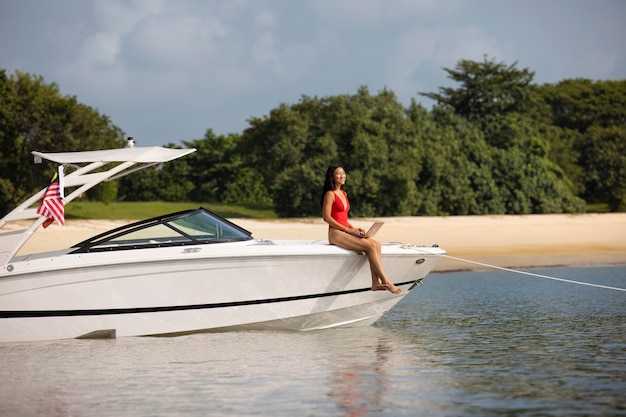
Valitse charter, joka julkaisee läpinäkyvän ympäristöpolitiikan mitattavilla olevilla tavoitteilla ja kolmannen osapuolen tarkastuksella, suojellen valtameriä ja rannikkoalueita.
Mitä tarkastaa: jätehuoltokäytännöt, energiantarve ja ankkurointitavat, jotka turvaavat puistot ja riuttaelimistöt; dokumentoi, miten toimijat minimoivat öljyvuodot ja muovin käytön, ja miten miehistöt koulutetaan käsittelemään hätätilanteita.
Kysy vieraiden päivien määrää ja erittelyä laivastossa oleville aluksille, sekä kojelauta, jossa näkyy polttoainetehokkuus, propulsio vaihtoehdot ja etäreittimallit.
Tarkista aluksen järjestelmät varmistaaksesi, että jätteet säilytetään turvallisesti, minimoidaan päästöt ja harmaavesi ohjataan hyväksyttyyn käsittelyyn; etsi vähäpäästöisiä moottoreita, hybridiratkaisuja ja maasähköliitäntöjä satamissa generaattorien käytön vähentämiseksi.
Tarvikkeiden tulisi olla peräisin kestävyyttä silmällä pitäen; aluksella käytettyjen tuotteiden tulisi olla vastuullisesti hoidetuista toimitusketjuista, ja paikallisesti viljeltyjä aineksia tulisi käyttää aina kun mahdollista perinteen ja pienten talouksien tukemiseksi.
Miehistö omaksuu ekologiset käytännöt, esimerkiksi ei-ankkurointia herkissä merenpohjissa sekä vastuullisia saaliita, ja kokemuksia ja tarinoita jaetaan veneilijöiden kanssa havainnollistaakseen tuloksia ja opittuja läksyjä.
Lomille valmistautuminen edellyttää kysymistä ennen varausta: mitä miehistö muuttaisi, miten he keräävät palautetta ja mitä toimenpiteitä voit tehdä jätteen vähentämiseksi ja elinympäristöjen suojelemiseksi.
Unelmoitko ympäristöystävällisistä lomista? Esimerkki matkasuunnitelmasta näyttää, kuinka miehistö omaksuu kestäviä käytäntöjä, käyttää etäistä rantavoimaa ja kertoo tarinoita elinympäristöjen suojelemisesta samalla kun keräät muistoja.
Onboarding-kokemus: Pakkaaminen, etiketti ja mukavuudet

Pakkaa kompakti päiväreppu, jossa välttämättömät tavarat vain: vaatteiden vaihto, koralliriutta-turvallinen aurinkovoide, leveäläinen hattu, sunglasses, kuivapussi, kevyt sadetakkija uudelleenkäytettävä vesipullo. Pieni kosmetiikkapussi ja pienikokoinen pyyhe jättävät paljon tilaa varusteille. Tämä minimalistinen asetus mahdollistaa sinun... Tutustu pieltäisten ja vesien keskellä, minimoiden samalla jätteen määrän.
Lähtöä ennen, varmista että number of travelers ja veneen järjestely isäntäsi kanssa boatsetter; tämä selkeä tarkistus välttää yllätyksiä ja nopeuttaa matkan suunnittelua. Jos tuot watersports Säilytä varusteet erillisessä pussissa sotkun välttämiseksi; vaihtoehtoisesti harkitse vuokraamista laivalla, jos mahdollista.
Laivan etiketti keskittyy turvallisuuteen ja kohteliaisuuteen. Move varovasti portaissa ja kansilla; pidä äänet moderate after dark; pyyhi jalat ennen mökkeihin menoa; palauta turvavarusteet paikoilleen. jäte laitetaan vain asianmukaisiin astioihin ja tiivistetään kierrätysmateriaaleja tilavuuden vähentämiseksi. Jos sinulla on a comment miehistölle, sano kohteliaasti ja reaaliajassa; whether you travel solo or with a group, a calm tone smooths the trip.
Amenities and systems: most boats offer shaded seating, a compact galley, freshwater tanks, basic navigation systems, USB ports, and a simple cooling area. Look for solar or wind options to extend range without fuel use. In whitsunday waters, check for protected zones and obey restrictions to protect coral and wildlife. For watersports, arrange storage and put on life jackets before any activity; move the gear as a single load to keep deck space minimal. Cook with local produce when possible and keep plastics to a minimum to respect earth by avoiding waste.
Trip planning tips: pack light, plan meals that reuse ingredients, and share gear among tourists to reduce clutter. Pack different layers for changing conditions and water temperatures; a small towel and a compact rain layer can make a big difference on a windy day. On a trip rental through boatsetter, read reviews to gauge how crews handle education during trips and whether amenities meet your needs. Pack confidence, respect, and a sense of adventure; produce memories together while you travel, Tutustu, and learn.
Itinerary Planning, Weather, and Seasonal Tips for Rentals
We recommend booking a 3-day rental with one weather day built in to adjust plans if conditions shift.
- Plan duration and routing
- Choose a classic loop that covers 2–3 anchor ports; keep daily legs under 4 hours to preserve energy and allow time for tiny coves and wildlife watching.
- For renters with children, design shorter hops and frequent shore breaks to stay comfortable and engaged.
- Include an authentic stop to explore local culture; spread activities to avoid fatigue and keep evenings free.
- Once weather catches you off guard, rely on a built-in weather day to rework the schedule and stay safe.
- Routes are based on tidal windows and marina schedules, with flexibility to swap ports if needed; ensure metal fittings and safety gear are in good order before departure.
- Weather and forecasts
- Check a trusted источник for forecasts and wind outlooks; dependable alerts from harbor offices add a layer of safety.
- Carry a compact weather kit and a dimmable light for early departures in low-visibility mornings.
- Monitor sea state, especially when planning wildlife sightings; adjust plans to avoid rough patches.
- Seasonal tips and safety
- Spring: lighter winds and longer days create excellent conditions for exploring various bays; wear layers and pack sunscreen.
- Summer: book ahead at popular coves; depart early and return before peak heat; hydrate and shade aboard.
- Autumn: winds shift to stronger gusts; favor sheltered routes and larger harbors for safer stops.
- Winter: decks stay slick when wet; maintain traction and warm clothing; enforce no cigarette smoking on board and store litter properly.