


 Suomi
Suomi  English (UK)
  Русский
  العربية
  日本語
日本語  한국어
한국어  Magyar
  Türkçe
  Español
  Čeština
  Svenska
  Português
  Ελληνικά
  Nederlands
  Română
  Italiano
  Français
  Polski
  Українська
  Deutsch
  简体中文
简体中文  Slovenčina
  Portorosa Sicily Sailing Itinerary – The Ultimate Guide to Western Sicily Cruising">

Base Portorosa for this suggested western Sicily sailing vacation. Use it as your hub for a flexible loop toward Filicudi and Lipari, with reliable shelter, easy provisioning, and calm mornings before you head into open water today.
From Portorosa you ride the winding lanes of the Tyrrhenian coast, with the wind behind you and the sea ahead. Plan an early start to reach Filicudi before the heat of noon, and leave yourself time for a splash or a reef pass if the weather has changed during the night.
Filicudi rewards careful planning with sheltered bays, crystal-clear water, and sea caves accessible by dinghy. Anchor near Pecorini or along the western shore to explore a tonnarella ruin and watch the last light fade over dramatic cliffs; a quick swim is especially refreshing.
Next, sail to Lipari for markets, harbor life, and volcanic scenery. The lanes around the quay bustle with locals selling olives, citrus, and fresh seafood; stay long enough to sample shellfish and then refill freshwater at the marina. If Lipari seems crowded, Salina offers calmer anchorages and views that are nicer than you expect, with basil and tomatoes that taste sweeter than on the mainland, and evening strolls along the waterfront.
On the last leg back toward Milazzo or Capo d’Orlando, summon a taxi for provisioning in town and a quick walk along the old fortifications. For a 5–7 day plan, allocate four anchorages, stay flexible as winds shift, and let the sailors decide which hidden bays offer the finest things to do at sunset away from the crowds.
Practical Breakdown for a Portorosa to Western Sicily Cruise
Book an early-morning start from Portorosa to catch calm seas and a quiet harbor; in the wake of dawn you reach Favignana for a warm swim at spiaggia Cala Rossa and an authentic dip before the winds pick up.
Travelers should follow this best-practiced pattern: sail mornings, anchor by early afternoon, and spend cool hours ashore. This keeps you refreshed for night moorings and avoids crowded harbors.
kate will remind you to stay flexible: keep your berths booked, but stay ready to swap stops if a favored cove looks better at first light. Armstrong, a seasoned sailor, adds that checking the forecast twice daily and keeping a simple plan will cut stress and make the days spent on deck more fantastic.
Anchorage strategy centers on lee shores with good holding and easy stern lines. Only bring the essentials to the boat to maintain deck space for swimming gear and spare lines. Springs should be rigged so you can adjust the boat to rolling seas without waking the crew in rough weather. Sailors who plan the night in sheltered bays report warmer evenings and less motion, which helps visitors sleep and wake ready for another day of exploring.
| Stop | Distance (nm) | Typical Time (h) @ 6–7 kn | Anchorage Tips | Huomautukset |
|---|---|---|---|---|
| Favignana (from Portorosa) | 28–34 | 5–6 | Sheltered south coast near Cala Rossa; choose a calm night if possible | Excellent swimming; plan an evening wake to enjoy sunset silhouettes; visitors will love the first taste of Western Sicily |
| Levanzo | 10–16 | 2–3 | Quiet coves along the west shore; use stern springs for steadying | Short hop, great for a relaxed afternoon swim and a warm meal ashore |
| Marettimo | 16–22 | 3–4 | Sheltered bays on the north coast; protect from sirocco with an exposed reef nearby | Fantastic snorkeling; second-largest anchorage option in the archipelago gives a comfortable night if winds shift |
| Trapani | 28–40 | 5–7 | Harbor within easy reach of provisioning; consider a quick road run to the fish market | Gate to western Sicily cuisine; best for a longer stop with a city night |
| Palermo | 90–110 | 16–20 | Palermo port or nearby Cala Marina; verify pilot charts and harbor regulations | Huge culinary scene for travelers; book ahead if you plan a city day ashore |
Leaving Favignana and beyond, plan two clear overnight legs and reserve a day for the best beaches and quiet coves. Mount a quick dinghy ride for a sunrise swim, and always check shore access rules at each stop so you stay respectful to locals and staying boats. The route is filled with authentic coastal landscapes, and you’ll find warm waters and fantastic dining along the way.
Your crew gains momentum with each harbor, and the itinerary can bend to conditions and your group’s mood. By staying flexible and packing light, you’ll discover why this coast remains a favorite for visitors and sailors alike, with sunlit days that linger into night and a rhythm that invites you to spend more time on deck.
Day-by-Day Leg Planning: Distances, Timing, and Overnight Stops
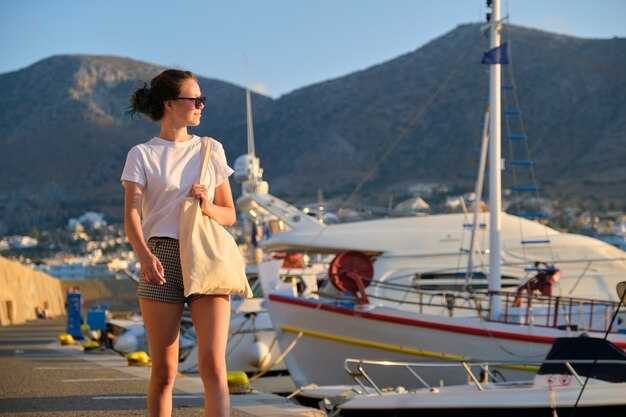
Begin Day 1 with a 38–40 NM hop from Portorosa to Castellammare del Golfo, targeting 6–7 hours of sailing at a steady pace. The refreshing breeze tends to rise mid-morning, letting you head in with daylight remaining. Overnight in Castellammare del Golfo harbor, where a wonderful evening stroll along the waterfront leads to peppers on a seafood-focused menu at a local star restaurant. This base leg is listed as the recommended start in the itinerary.
Day 2 takes you Castellammare del Golfo to Trapani–roughly 28–34 NM, about 4–6 hours depending on wind. Start after breakfast and weave along the coast, keeping a steady course to the west. Dock near Trapani’s old town to enjoy a beautiful sunset over the salt pans and the tuna market. Evening events or a casual aperitif in the marina are easy to arrange. Overnight in Trapani; use a central base to ease morning departure for Day 3.
Day 3 covers Trapani to Favignana–about 18–25 NM, 3–5 hours. Depart after a hearty breakfast and reach Favignana by midday. Spend the afternoon snorkelling at Cala Rossa or Cala Azzurra, then take a short hill hike to a vantage point above the town. The island’s form and coastline weave a brilliant backdrop for island wandering. Stay in Favignana’s marina; two nights here help you savor the next leg of the itinerary.
Day 4 ferries Favignana to Levanzo–8–12 NM, 2–4 hours. Morning breeze makes for an easy hop to Levanzo. Anchor near the village or in a sheltered cove, then spend the afternoon snorkelling in crystal-clear water and exploring hillside trails with a gentle hill climb for views over the channel. An evening on the quiet pier offers a refreshing contrast to busier ports, with peppers showing up in a simple, seafood-forward dinner by the water.
Day 5 routes Levanzo to Marsala–25–35 NM, 4–6 hours. Set a course along the western coast, arriving mid-afternoon. Base in Marsala to wander the historic center, visit a cantina to sample the local wine, and enjoy a sunset walk along the waterfront. The dining options include a star restaurant that highlights fresh seafood and local produce; a brilliant memory forms as you savor a glass of Marsala with the sea breeze. If time allows, a brief snorkelling session in the shallow bays completes the day; there are often events listed in the marina bulletins.
Optional detour for rinella: If you extend to the Aeolian Islands, stop at rinella on Salina for a sheltered night. The next morning, a short hop to Lipari yields a full island loop before returning toward Portorosa along the coast, weaving together a complete program with hikes and snorkelling opportunities. This extension adds a refreshing twist to the itinerary and can be planned for next time on the water.
Anchorage, Mooring, and Docking Options in Salina, Lipari, and Stromboli
Start with Rinella, Salina, for a dependable, consistent anchorage that keeps your crew calm before you sail to Lipari and Stromboli.
Salina offers two practical options: Rinella’s sheltered waters near the main harbor, ideal when winds shift from the north, and Pollara, a little bay with a stunning setting that works well in calm seas. If you need mooring buoys, check with the local fishermen’s association ahead of time, and always verify bottom quality and depth with the harbor master. You can enjoy a delicious lunch ashore at an agriturismo near the hill towns, then return to the boat with fresh provisions and a brilliant sunset to cap the day–everything feels easy when the wind cooperates.
In Lipari, choose Marina Corta for proximity to the old town, fuel and water, and easy access to provisioning. If you prefer more buoy space, Marina di Lipari (the larger harbor on the east side) offers longer berths and better protection from sirocco, though it can be busier. Both harbors handle bareboat charters well, and you’ll often find crews ashore sampling vibrant seafood dishes and Neapolitan-inspired pizzas after a day on the water. Make sure you’re listed with the harbor master to secure a slip or buoy, especially in peak season; otherwise you’ll be left circling with the plots of crowded yachts and advertisement boards overhead.
Stromboli presents a different rhythm: Porto di Stromboli handles limited berths, so many sailors alternate between the protected harbor and a land-based option in the little isla of Ginostra or Cala di Ficogrande. If you plan to anchor off Stromboli, prefer Cala di Stromboli or the area near Punta Lazzaro when winds are favorable, and land using a dinghy for landings. Because of the volcano, currents and sudden gusts can surprise you, so always check the latest notices and keep a spare anchor as a backup. Youre best off booking ahead during high season and coordinating with the local coast guard for safe entry paths and docking options near the volcanic coast.
Practical planning tips: during the pandemic era, some harbors require pre-arrival confirmations and health declarations; always call ahead to confirm mooring availability and any limits on guest numbers. For bareboat crews, carry updated charts, a robust anchor kit, and a reliable VHF channel to contact the harbor master. On all three islands, consider a staggered schedule to avoid peak times and enjoy consistent access to services, fresh seafood, and friendly help from Sonia and other local skippers who know the best anchorage angles, the little details of tides, and where to drop lines without disturbing nearby reefs.
Food and stay options enrich the cruise: on Salina, pick an agriturismo with garden-fresh produce and delicious regional dishes; on Lipari, sample fantastic local dishes–including Neapolitan-inspired touches–at waterfront eateries that love to showcase fresh fish. The largest harbors on Lipari make it easy to resupply and plot future legs, while Stromboli’s volcanic backdrop adds a brilliant, ever-present soundtrack to every sail. If you need a compact itinerary, you could sail Rinella → Lipari (Corta or Lipari) → Stromboli, then adjust for weather and currents. This route keeps the experience consistent and enjoyable, avoiding crowded spots and keeping you close to reliable services, whether you’re a seasoned bareboat captain or a first-timers’ crew looking to savor the islands’ iconic foods and volcanic scenery.
Waypoints and Scenic Highlights: Salina to Panarea and Stromboli
Anchor at Santa Maria, Salina, for a refreshing swim in clear acqua and a first briefing on the route ahead. Tie a short stern-to near Pollara’s shore and enjoy the fine light over the vented coast as Monte Fossa delle Felci rises inland. This Leg sets a desirable pace for a solo cruise or a relaxed family voyage today, with straightforward moorings and a solid plan.
- Salina (Santa Maria to Pollara) – a 5–7 nm hop. Stop for a solo swim in sheltered waters, then explore Pollara’s hidden crater bay. The coastline shows the deposito of ancient eruptions and a calm, easy approach into the lee. A brief walk to the lookout over the island’s Monte Fossa delle Felci adds culture and a clear perspective before you depart.
- Panarea (San Pietro, Cala Junco) – about 5–7 nm from Salina. Drop anchor off San Pietro or Cala Junco, where the water stays fine and the waterline reveals white (bianca) houses along a refined shore. Visit a small island museum if time allows, and check in with a local guide to learn their history and craft. The hidden coves near Cala Junco reward a dinghy excursion, and the long, smooth coast invites a relaxed stroll along the quay while you plan the next leg.
- Stromboli (Sciara del Fuoco view, Scari or Ginostra) – a longer leg, roughly 10–12 nm depending on wind. Approach Stromboli’s north coast to keep seas gentle, then anchor near Scari or Ginostra for shore access. In the late afternoon or after dark, the yellow glow from the crater offers a dramatic scene you won’t forget. Optional sunset walk to vantage points above Sciara del Fuoco provides a practical, unforgettable finale; later, a short tender ride back to the boat seals the experience. A quick visit to a small museum on the island deepens your understanding of local culture and volcanic activity.
Käytännön huomioita: suunnittele perusteellinen sään ja virtausten tarkistus ennen pitkää ylitystä Stromboliin, ja varaa talletus Panarean kiinnityksiin, jos aiot yöpyä. Saaret ovat ryhmittyneet yhteen, tarjoten paremman suojan, jos asetat linjan pidemmän, rauhallisemman vesialueen kanssa ja säästät vilkkaan sataman viimeiselle päivälle. Tämän päivän reitti tasapainottaa veden kirkkauden, kulttuuripysähdykset ja mahdollisuuden uida piilotetuissa poukamissa, mikä tekee tästä osuudesta todellisen kohokohdan Salina–Panarea–Stromboli -reitilläsi.
Sään ikkunat, virtaukset ja turvallisen merenkäynnin huomioiminen
Suunnittele Portorosasta Sisilian länsipuolelle suuntautuvat osuudet toukokuulle tai syyskuulle, jotta voit hyödyntää luotettavia aamuja, kevyitä tai kohtalaisia länsituulia ja suotuisia meriolosuhteita rannikolla. Tämä ajankohta sopii Filicudin, Cannan, Vulcanon ja muiden Italian länsirannikon "bello"-paikkojen rennon tempoiseen tutkimiseen.
Weather windows
- Parhaat ajankohdat: Touko–kesäkuu ja syys–lokakuu, jolloin tuulet ovat yleensä 8–18 solmua lännestä luoteeseen ja meren aallonkorkeus rannikolla 0–1,5 m.
- Päivittäinen aikataulu: aloita auringonnousun jälkeen; odota iltapäivällä merituulen voimistuvan vähitellen 6–10 m/s, jolloin voit valita osuuksia, jotka myötäilevät tuulta Portorosasta Favignanaan tai Filicudiin.
- Ennustekuri: tarkista ARPA Sicilian ja meriennusteet Windgurusta tai Meteo.itistä 48 tuntia eteenpäin; soita satamaviranomaisille saadaksesi päivityksiä; kate suosittelee pitämään pienen puskurin aikataulussa.
- Logistiikka: sovita venevaraukset ajoissa; varmista venepaikat ja talletukset satamissa etukäteen; suunnittele varasuunnitelma rantapysähdystä varten, jos olosuhteet muuttuvat.
Currents
- Egadien saaristo: tyyninä aikoina virrat ovat heikkoja (0,5–1,5 solmua) Favignanan ja Levanzon ympärillä; tuulisimmissa olosuhteissa ne voivat nousta 2–3 solmuun pohjoisrannikolla, joten suunnittele siirtymät hyödyntämään vuorovettä itään päin mentäessä.
- Aioliansalmet (Filicudi, Canna, Vulcano): virtaukset ovat vaihtelevampia; tyypillisesti 1–2 solmua, mutta puuskissa 3–4 solmua tuulten suuntautuessa uomiin; ajoita saarten väliset ylitykset päivänvalolle ja seuraa paikallisia tiedotteita pysyäksesi turvassa.
- Paikalliset pyörteet ja kerrostumat: tarkkaile Zottan ja muiden niemekkeiden läheisyydessä olevia muodostumia; ne voivat hidastaa osuutta, jos leikkaat mutkia ja pysyttelet lähellä rantaa.
- Vinkkejä: Hyödynnä myötätuulta pidemmillä matkoilla, mutta pysyttele suojaisilla reiteillä, jos tuuli kääntyy kohti tulivuoria tai muita kivikkoisia rannikkoja.
Turvallisen merenkäyntitilan huomioiminen
- Sääolosuhteiden rajat: avovesiosuudet merenkäynti 0–3; vältä avoimien kanavien ylittämistä merenkäynnissä 4+ tai kun puuskat ylittävät 25 solmua; sirocco-tuulet voivat nostaa merenkäyntiä länsirannikolla ja tulivuorten ympärillä 2–3 metriin.
- Varusteet ja miehistö: varmistakaa pelastusliivien käyttö purjehduksen aikana; kiinnittäkää kansivarusteet; pitäkää perusteellinen lähtöä edeltävä tiedotustilaisuus laivueelle; varusteiden tarkistuksen terapeuttinen rituaali auttaa miehistöä pysymään rauhallisena.
- Navigointivarovaisuus: suosi päiväsaikaan tehtäviä matkoja avoimien väylien läpi; tarkkaile aallokkoa ja virtauksia; laadi varasuunnitelma lähimpään satamaan poikkeamiseksi olosuhteiden heikentyessä.
- Satamatoiminnot ja -kustannukset: tarkista laituripaikkojen vakuusmaksut, erityisesti pienissä satamissa, kuten Filicudin tai Zotan lähellä olevissa; tee varaus Boatbookingsin kautta välttääksesi viime hetken stressiä; suunnittele rantapäiviä rentoutumiseen.
Länsirannikon ja Liparisaarten välillä sopiva ajankohta tekee purjehduksesta todella nautinnollista virkistävine näkymineen ja mahdollisuuksineen tutustua rannikkoon. Italian länsirannikolla on useita suojaisia lahtia ja ankkuripaikkoja, joista voi nauttia Cala del Portosta Zotan lähellä oleville rannoille; tämä reitti on suunniteltu leppoisaan laivasto-vauhtiin, jossa voit nauttia saarten bella scenasta ja pitää miehistön kiinnostuneena tutkimisesta ja purjehduksesta. Perusteellinen valmistelu, joustava suunnitelma ja tasainen yhteydenpito satamaan etukäteen tekevät matkasta Bellon.
Reitin varusteet, turvavälineet ja paikalliset määräykset
Varatkaa kolmen päivän vesimäärä ja hyvät muonat Portorosasta ennen lähtöä; tyytyväinen miehistö aloittaa levänneenä ja hyvin ruokittuna.
Proviantti: laadi ketterä juoni Sisilian kesän matkasuunnitelmalle, keskittyen säilyviin elintarvikkeisiin sekä tuoreisiin lisukkeisiin koillisten markkinoilta. Pidä suuri kylmälaukku täynnä pastaa, oliiveja, juustoa, säilyketomaatteja, leipää ja hedelmiä sekä tilaa caponatalle tai parille, joista voi nauttia spiaggia-tauoilla. Pakkaa kompakti liesi tai grilli, varasto kertakäyttöisiä ruokailuvälineitä ja muutama tonnikala- tai sardiinipurkki nopeita aterioita varten, kun merenkäynti on vilkasta. Ota mukaan muutama energiaa antava välipala, pieni pullo oliiviöljyä ja luotettava kahvinvalmistussetti pitämään moraalin korkealla pitkien satamavälien aikana. Pitkillä etapeilla sekoita mukaan kevyitä ja helppoja vaihtoehtoja, jotta ateriat pysyvät tasapainoisina ja maukkaina, ja suunnittele pari lihatonta iltaa tasapainottamaan juonta.
Turvavarusteet: jokainen aluksella olija käyttää pelastusliivejä matkan aikana; pidä vara-liivi valmiina ohjaamossa. Hanki kaksi sähkö- ja keittiöpaloihin tarkoitettua sammutinta, heitettävä kelluntalaite, ensiapupakkaus ja hyvin varusteltu veitsisetti. Pidä toimiva VHF-radio DSC:llä ja varaparistokäyttöinen yksikkö, sekä ajantasaiset merikartat ja kompassi. Säilytä soihtuja tai pyroteknisiä välineitä kuivassa kotelossa ja EPIRB- tai PLB-lähetin pidempiä matkoja varten koillisrannikolla. Sisällytä pilssipumppu, käsikäyttöinen pumppu ja muutama lepuuttaja veneiden suojaamiseksi kiinnityksessä. Snorklaushetkiä varten ota mukaan maski, snorkkeli, räpylät ja varasarja miehistölle, jotta kaikki voivat nauttia piilotetuista poukamista ja riutataskuista rauhallisessa kesäliikkeessä.
Paikalliset määräykset: pidä veneen voimassa olevat asiakirjat, vakuutus ja omistustodistus mukana; säilytä kopioita saatavilla satamien, kuten Portorosan ja Capo d’Orlandon, läheisyydessä tehtävien tarkastusten varalta. Kipperillä tulee olla rannikkopurjehdukseen vaadittava pätevyys; kun käytät VHF- tai DSC-puhelinta, noudata paikallisia lupavaatimuksia tai käyttäjäsääntöjä. Jotkin suojelualueet vaativat luvan tai erityisilmoituksen ennen ankkurointia lähellä rantaa (spiaggia) tai merkittäviä faraglione-kivimuodostelmia; tarkista ajantasaiset ohjeet satamaviranomaisilta tai venesataman henkilökunnalta. Noudata rannikon nopeusrajoituksia, kunnioita villieläimiä ja pesimäalueita sekä vältä ankkurointia rajoitetuilla merenpohjilla. Koillisosan venesatamatoimistot voivat antaa ajantasaisia neuvoja siitä, minne kiinnittyä, mitä huomioida ja mitkä mahdolliset kausittaiset sulkemiset vaikuttavat reittiisi.
Reitin kohokohta: Koillis-Sisilian osuus tarjoaa upeita rannikkoja, piilotettuja poukamia ja helmiä, kuten dramaattisia kallionkielekkeitä ja läheisiä spiaggia-poukamia. Kesällä ensivalo sinisen veden yllä avaa näkymät faraglioni-kivimuodostelmille ja rauhallisille lahdille, joissa snorklaushetkestä voi tulla päivän kohokohta. Suunnittele pysähdyksiä paikkoihin, joissa voit nähdä paikallisten kalastajien työskentelyä, maistella caponataa merinäköalatavernassa ja pitää miehistön vauhdin tasaisena, ottaen huomioon sekä sään että paikalliset säännöt. Näiden näkymien kokeminen hyvin varustellusta veneestä, oikeilla varusteilla ja asianmukaisilla luvilla, takaa turvallisen ja nautinnollisen matkan koko miehistölle, jota yhdistää yhteinen rakkaus mereen.