


 Suomi
Suomi  English (UK)
  Русский
  العربية
  日本語
日本語  한국어
한국어  Magyar
  Türkçe
  Español
  Čeština
  Svenska
  Português
  Ελληνικά
  Nederlands
  Română
  Italiano
  Français
  Polski
  Українська
  Deutsch
  简体中文
简体中文  Slovenčina
 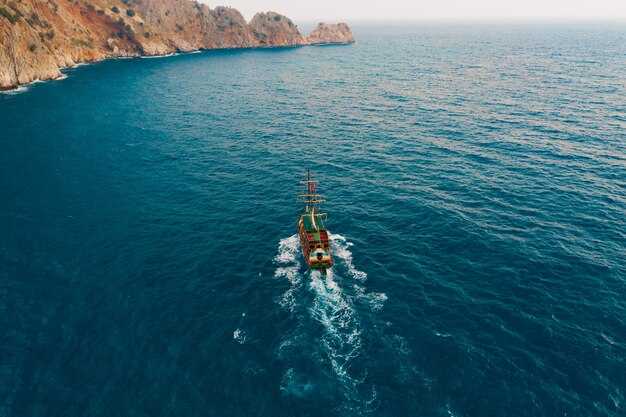 One Week Sailing the Aeolian Islands – Lipari, Vulcano &">

Aloita viikkosi laskemalla ankkuri Liparin suojaisaan satamaan aamunkoitteessa, aseta vakaa kurssi kohti Vulcanoa ja aloita rauhallisella aamulla vesillä.
Liparissa kylä kohoaa satamasta kapeille kujille, joilla valkoiseksi kalkittu arkkitehtuuri kehystää merinäköaloja ja poijut merkitsevät turvallisia kiinnityspaikkoja pitkin laituria.
Liparilta purjehditaan Vulcanoon myöhään aamupäivällä, hyödyntäen kalderan tuulta; iltapäivällä voi ankkuroida Cala Vulcanellon edustalle, kävellä kraatterille ja pulahtaa mineraalivesialtaisiin ennen paluuta veneelle.
heres tiivis vinkkilista: tarkista tuuliennusteet päivittäin, ota mukaan varaankkuri, huomioi seitsemän poijua tuliperäisen rannikon ympäristössä ja vahvista Bottaron kallion paikat satamakapteenilta ennen lähtöä.
Illat rauhaa kun kylänaukio hehkuu; norman kaaret kehystävät satamakirkkoa, kun taas Bottaron kahvilasta virtaa sitruunaista spritziä ja merimiehet vaihtavat kuulumisia; Bottaro nousee esiin paikallisten puheissa suosikkina iltapysähdyspaikkana, ja sinun on suunniteltava rauhalliset yöpymispaikat ja turvalliset lähdöt.
Filmimäinen valo maan ja meren yllä saa jokaisen purjehdusosuuden tuntumaan ratkaisevalta; eivätkö kaikki päivät ole yhtä tyyniä, mutta kun kiertelet saaristoa, keräät Sisilian rannikosta seitsemän lukua.
Joustavalla suunnittelulla voit säätää reittejä tuulen, vuoroveden ja varjon mukaan; Sisilian Eoliansaaret palkitsevat tarkkaavaiset kapteenit rauhallisilla poukamilla, kirkkaalla vedellä ja vastapyydystetyillä merenherkuilla jokaisessa pysähdyksessä, mikä todella kannattaa.
Purjehdussuunnitelma, Aeolian Islands
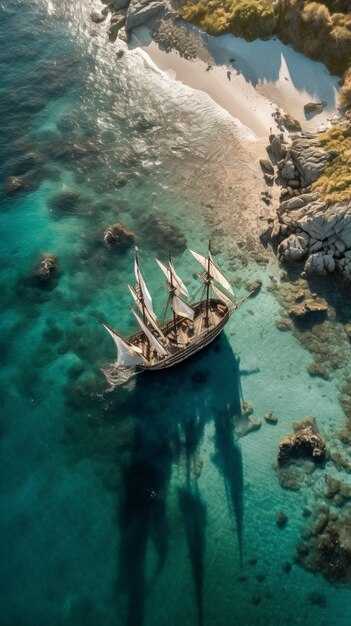
Varmista Liparin kiinnityspaikat ensimmäiselle yöksi ja suunnittele myötäpäiväinen reitti Vulcanon, Panarean, Strombolin, Salinan, Filicudin ja Alicudin kautta ennen paluuta. Tämä suunnitelma perustuu seitsemän päivän matkaohjelmaan, jossa on 4–6 tuntia purjehdusta päivässä sekä aikaa satamien tutkimiseen, uimiseen ja ruokailuun. Kiinnitys fees vaihtelevat sataman ja vuodenajan mukaan, tyypillisesti 30–60 EUR per yö; varaa käteistä laiturimaksua varten hours ja virallisia tarkastuksia. Käytä peräköydet varmistaaksesi veneen ja pakataksesi riittävästi vettä päivien risteilyä varten. Olet valmis nauttimaan upeasta pätkästä pitkin sicily‘pohjoisrannikolla.
Päivä 1 – Lipari: Perustuu Liparissa voit varmistaa kiinnityksen suojaisista satamista Marina Cortan tai Porto Pignataron läheltä ja lähteä peräköydet vakaan vakaata yötä varten. Maissa elintarvikkeiden hankinta on helppoa, ja restaurant on helpon ulottuvilla. Lyhyt kävelymatka zimmari-alueelle tarjoaa rauhallisen esikatsauksen saarielämään, jota seuraa auringonlasku kannelta.
Päivä 2 – Vulcano: Purjehdus Vulcanoon, joka on kuuluisa vulkaaninen maisemaa ja mustahiekkaisia rantoja. Aloita aamulla kraateri vaeltaa viileämpään ilmaan ja uida sitten lämpimissä lähteissä ennen paluuta kiinnityspaikkaan. Iltapäivällä voit vierailla satamassa restaurant lounaalle ja tarkista hours tulivuoripuiston, jotta voit suunnitella auringonlaskun purjehduksen takaisin tyynille vesille.
Päivä 3 – Panarea: Lyhyt matka Panarealle; kiinnittyminen San Pietron satamaan on suoraviivaista ja peräköydet turvallisen. Panarean valkoiset kujat ja intiimit kaupat tarjoavat wonderful toimintaa Vulcanoon verrattuna. Jos tuuli painaa päälle, ankkuroi lähelle zimmari-aluetta ja nauti illasta rantautuneena kevyen ravintola-aterian merkeissä.
Päivä 4 – Stromboli: Tulivuorisaari hallitsee horisonttia. Kiinnityspaikat sisäsatamassa suojaavat puuskilta; liity lisensoidulle kraatterivaellukselle myöhään iltapäivällä nähdäksesi hehkun yötaivasta vasten. Palattuasi ruokaile satamassa restaurant. Monitori fees ja viimeiset tarjousajat viivästysten välttämiseksi.
Päivä 5 – Filicudi tai Alicudi: Tuulesta riippuen suuntaa Filicudille meriluolien ja kirkkaan veden perässä, tai Alicudille rauhallisemman ja perinteisemmän tunnelman vuoksi. Filicudin satama tarjoaa luotettavia kiinnityspaikkoja ja kävelyetäisyyden pariin ruokapaikkaan; fees soveltaa samalla alueella. Rannikko kutsuu tutkimalla kumiveneellä ja auringonlaskulla veden yllä.
Päivä 6–7 – Paluu Liparille: Pysähdys Morton matalikolla, jos olosuhteet sallivat rauhallisen uinnin ja viikon kruunaamisen viimeisellä silmäyksellä sicily rannikkoa. Palaa Liparille täydellä lastilla ja muistoilla upeasta viikosta, jonka vietit matkustaen Eolisilla saarilla.
Päiväkohtainen matkasuunnitelma: Lipari, Vulcano, Panarea
Ankkuroi Liparin Marina Cortaan luotettavaa tukikohtaa varten ja kävele sitten ylös Castellolle ja Aeolian museoon orientoituaksesi. Olemme oppineet, että kompakti kaupunkikierros – kujat, laituri, näköalatasanne – tuntuu täydeltä ilman kiirettä. Illalla postinkantaja toimittaa edelleen viestejä satamaan, kun nautit tuoretta pesceä laiturin varren tavernassa.
Liparilta purjehditaan Vulcanolle ja ankkuroidaan Porto Levanten lähelle, jotta La Fossa -kraatterille pääsee nopeasti. Vaella kraatterin reunalle ihailemaan avaria näkymiä ja lieviä rikkihöyryjä; varaa tähän 60–90 minuuttia suuntaansa. Rentoudu sen jälkeen Vasche di Venere -kuumissa lähteissä ja huuhtoudu meressä viilentääksesi itseäsi. Näkyvyys veden alla Vulcanon rannikolla on yleensä riittävän hyvä lyhyeen snorklaukseen laavan muodostamien riuttojen lähellä, joissa uiskentelee pieniä kaloja rauhallisemmilla alueilla.
Seuraavaksi odottaa Panarea: laske ankkuri San Pietron edustalle ja aloita Panarean pienen satamakaupungin tutkiminen. Pientä seikkailua varten vuokraa pieni vene ja tutustu läheisiin pieniin saariin Basiluzzoon, Dattiloon ja Spinazzolaan, ja risteile sitten Cala Juncoon lyhyelle merivaellukselle pitkin karua rannikkoa. Panarea tarjoaa kolme poukamaa ja rennon tempon, jota turistitkin suosivat valkoisiksi kalkituilla kujilla ja muutamilla leipomoilla, jotka tekivät pysähdyksestä aidon tuntuisen.
Päivä neljä ohjaa sinut tutustumaan Panarealle laajemmin: snorklaa Cala Juncon ja Diomedeen luotojen ympärillä ja kiipeä sitten Punta del Corvolle kallionkielekkeelle, josta avautuu laaja näkymä rannikolle. Liparisaarelaiset kutsuvat läheisiä luotoja nimellä Diomedee, ja voit myös järjestää toisen venekyydin Basiluzoon ja Dattiloon, jos tuuli sallii, jolloin Panarean rannikosta paljastuu kolme puolta.
Palaa Liparille viidentenä päivänä ja asetu pohjoiseen satamaan. Valitse rannikkovaellus Quattro Straden suuntaan, ja suuntaa sisämaahan polkua pitkin, joka nousee loivasti ja palaa merinäkymin varustettuna toiselta puolelta. Reitti korostaa Liparin maanläheisiä laavakiviä, pensaikkoa ja pieniä lahtia, joissa voit pysähtyä nopealle uinnille. Turistiystävällisen tasapainon saavuttamiseksi voit myös yhdistää vaelluksen lounaaseen satamakahvilassa ja kävelyyn vanhassakaupungissa.
Päivä kuusi keskittyy vedenalaiseen maailmaan ja leppoisaan merelliseen vauhtiin. Aamupäivälle on suunniteltu snorklausretki Liparin suojaisissa poukamissa, minkä jälkeen purjehdimme läheiseen kiinnityspoijuun nauttimaan lounasta kannella. Poijujen verkosto tekee kiinnittymisestä helppoa, ja tyynet meret mahdollistavat täyden keskittymisen merenpohjaan – värikkäisiin kaloihin, merisiileihin ja laavan muotoilemiin halkeamiin. Ota myös kevyt kamera mukaan, jotta voit ikuistaa auringon heijastuksen vedessä ja saarten siluetit.
Seitsemäntenä päivänä päätä loma Liparin museoon ja viimeiseen rantakävelyyn ennen paluumatka purjehduksella. Maan värit, basalttista valkoiseen hohkakiveen, tuntuvat jälleen eloisilta, kun tarkastelet laavan muovaamia kallionkielekkeitä sataman varrella. Olemme nauttineet seitsemästä päivästä tutkimusretkiä, tuulta ja suolaa, ja matkasuunnitelma voi helposti muuttua ikimuistoiseksi rauhoittumishetkeksi ennen viimeistä yötä merellä.
Satamavaihtoehdot ja kiinnitysmenettelyt Liparilla ja Panarealla
Varaa paikka Marina di Liparista, jossa on tarjolla täysi valikoima palveluita, kuten vesi, sähkö ja rantatilat. Alhaisempiin kustannuksiin ja suurempaan joustavuuteen kannattaa hyödyntää poijukiinnityksiä ulkosatamissa, kun tuuli suosii avovesialueita.
- Lipari – Marina di Lipari: moderni, henkilökuntaa paikalla ja lähellä kaupunkia. Tarjoaa vettä, sähköä, polttoainelaiturin, suihkut ja hätäapua. Satamat tarjoavat sekä vieraspaikkoja että tilapäisiä kiinnityspaikkoja; muutama paikka on avoinna sesonkiaikojen ulkopuolella, mikä tekee siitä suositun valinnan risteilijöille, jotka tarvitsevat luotettavuutta ja nopean pääsyn rannalle.
- Lipari – Porto di Lipari (outer/old harbour area): guest pontoons and buoy fields serve those seeking a cheaper option or a quick stop. Use a bow line to a buoy and a stern line to a secure ring; always deploy fenders and keep your crew ready for rapid adjustments if surge rises.
- Panarea – Porto di Panarea and nearby buoy field: a compact harbour with limited services and clear access to shore facilities in the village. Mooring buoys are common here; plan a short stay if the quay is crowded, and be prepared for basic toilet and fresh water provisions on land.
Procedures and practices to follow on both islands ensure smooth mooring and quick departures, especially during the peak season when seven-day charters rotate through harbours and bays.
- Prepare in advance: confirm vessel length, draft, and clearance. Check the seven-day forecast and observe crystal waters around the coast for smooth entries; the shore and vegetation along the island are particularly scenic in the afternoon light.
- Contact the Harbour Master on VHF channel 16 to request entry, confirm available buoy space or a slip, and obtain any local instructions. Those who appear at the quay with proper paperwork are released to a mooring promptly.
- Choose your mooring type: buoy or quay. Buoys typically offer lower fees and easier departures; quay berths provide direct shore access, but require precise line handling and longer preparations.
- Approach carefully: follow channel markers, keep a safe speed, and stay clear of fishing operations. Position the bow toward the buoy or dock as directed by shore staff; avoid repeating sharp turns that could damage hulls or fenders.
- Secure correctly: attach a bow line to a cleat or bollard, add a stern line to a secure point, and deploy two spring lines if space allows. Use durable lines and ample fenders; if surge increases, adjust tension steadily rather than jerk the lines.
- Pay and obtain receipts: finalize mooring fees at the marina office or through the harbor authority; keep the receipt until departure and note the required cancellation window for a later stop.
- Waste and discharge rules: use designated waste disposal points and never discharge bilge water or residues into the waters that surround the islands; crystal water conceals how close the coast is to magma below and highlights the volcanic scenery around volcanoes and stromboli in the distance.
- Departure plan: signal your release to the Harbour Master when ready; untie lines carefully, pull in fenders, and proceed outward with a short, controlled turn to avoid other vessels or moorings. Never leave a mooring unattached without proper authorization.
For a side trip, stromboli is a popular add-on; plan the excursion for the afternoon when the volcanoes appear dramatic against the sky and the waters become even more stunning. Lipari remains the largest hub and provides the most options, while Panarea offers a tiny, charming harbour with a dramatic backdrop–both harbours deliver beautiful access to the island’s coast, its crystal waters, and the unique atmosphere of this volcanic group.
Weather windows and wind patterns for inter-island hops
Target a dawn departure from Lipari to panarea to reach the next destinations within a light breeze and calm seas. This time window supports 8–15 knots, keeps seas beautiful, and the panoramic light as the sun rises over the volcanoes guides your first hops.
In the aeolian archipelago, wind patterns follow a diurnal rhythm: mornings bring light easterlies or northerlies, giving way to sea breezes by afternoon. If a forecast shows 12–18 knots in the morning, you can cruise Lipari → panarea comfortably; plan shorter legs to sheltered bays tucked along the coast when winds shift. If you sailed these waters before, you know how the wind can shift with the day. Watch for sirocco gusts from the south on hot days, which can bubble up quickly and slow you down. For reliable connections between destinations, keep the time of day in mind and use the quiet morning window to start a leg to Vulcano or Stromboli.
Seasonal guidance: The best season for inter-island hops is late spring through early autumn when the seas stay responsive and the air is clear to explore and film. From the birth of Aeolian navigation, these routes shaped coastal life; today you can visit panarea, Lipari, Vulcano, Stromboli, Filicudi, and Alicudi with a flexible plan. For planning, most legs run 1.5–3 hours Lipari → panarea, 2–5 hours panarea → Stromboli or Vulcano, and 1–2 hours for short hops around Lipari. If you prefer exploring the entire arc, set aside 5–7 days and allocate time to stop in sheltered coves, sample foods, and enjoy the viewpoints. The entire route rewards cruising with a mix of wind and sunshine, revealing a beautiful, panoramic coastline seen best at sunrise, when the sea remains calm and the bubbling vents around Vulcano provide a visual treat for your film crew or your own memories.
Practical takeaways: We suggest starting with Lipari → panarea to lock in the simplest window. Take the most stable window and avoid racing into a shift; have 2–3 alternate legs ready, so you can reach all your destinations even if a front arrives. From Lipari you can loop through panarea, Vulcano, Stromboli, Filicudi, and Alicudi, and still return to Lipari if weather holds. Your plan should reserve time for exploring anchorages tucked along coves, tasting foods in harbor tavernas, and recording your trip for a season film collection. If you lose a day, use it to linger in a beautiful bay and watch the volcanic activity, and adjust your itinerary accordingly. The aeolian winds rise and fall with the seasons, so staying flexible is the best strategy for cruising the entire week along the coast.
Anchoring spots, depth notes, and approach tips around Vulcano
Anchor just outside the Vulcano Porto moorings in 7–9 m, sandy bottom with patches of ash. Use 30–40 m of chain and a stern line to shore if winds push from NW; this keeps you clear of the ferry lane and makes the early evening more relaxing.
Spot A – West of the volcanic village: depth 8–12 m, bottom sand with lava gravel. Holding is solid in winds from the NE to SE; if gusts reach 20–25 knots, add a second anchor 40–50 m away to keep the swing within a sheltered arc. Approach from 045°, stay clear of the rock stacks, and keep at least 60 m from the shore where the streets and bars begin. From here you enjoy incredible sunsets and can stroll the village afterward, creating memories that last hours and days.
Spot B – Southeast shelf near the caldera rim: depth 12–18 m, bottom mud and sand with sporadic lava patches. Current is usually gentle, but set up with a 60–70 m Rode to limit swing. Drop anchor in 10–15 m during slack water for the easiest settle, then drift a few meters if you need to reposition. The coast here offers fantastic views of the volcanic coast from the boat, a great place to plan a short hike the next morning.
Approach tips: enter from the open water on a NE to E course to stay clear of lava outcrops and reef. Once you reach the outer shelf, ease to 8–12 m and drop the primary shot, testing holding by a soft reverse after set. Keep VHF Channel 16 in use to monitor traffic, ferries, and local guidance. Leave ample space for other boats and don’t rush the maneuver; a careful approach saves hours and reduces risk when conditions swell.
Moorings and logistics: there are a handful of buoys outside the harbor used by day charters; if you see active moorings, tie off for a quick reset or swap to a spare anchor when the wind shifts. In the village you’ll find relaxing shoreside options, where you can wander the coast, catch a drink at a bar, and explore the narrow streets. After a windy afternoon, a nighttime walk along the coast creates memories the entire crew will recall for days, and the volcanic village feels welcoming from the moment you step ashore until night falls, when the harbor lights theatrically frame the bay and the waves add a soundtrack to your stay.
Gear, provisioning, and budgeting for a week afloat
Start with a concrete plan: seven days afloat demand a compact provisioning kit for two, covering six breakfasts, seven lunches, seven dinners, plus snacks. For least disruption, rely on 60% long-life staples and 40% fresh produce, with a 2–3 day reserve in a cooler. If you are a first-time cruising pair, keep meals simple and use on-board cooking to stay flexible after nights at anchor on winding coastlines. When you shop, ashore trips on foot let you refill bread, fruit, and veg at named markets without slowing cruising progress.
Onboard gear and provisioning essentials: two PFDs per person, a sturdy anchor with 50 m of nylon line, 4 fenders, a 10 L potable water can, a compact stove with spare gas canisters, a first-aid kit, a waterproof dry bag for shore trips, and a reliable torch for nights. Pack a small tool kit, spare impeller, duct tape, and a bilge pump. Bring a navigation chart, a whistle, and a waterproof pouch for your phone plus a power bank. Carry a reusable bottle and a water filter bottle to keep crystal water onboard; a bubbling mud visit on Vulcano can become part of your memories ashore. For cruising Lipari and Vulcano, choose gear that stows quickly when a squall calls you back to the boat and you want to stay comfortable during long days of explore.
Budgeting for seven days below reflects two people, with options for anchored stays or marina nights: provisioning for dry goods and fresh items, fuel, mooring or anchorage, and a small reserve for extras. Plan at least a 10–15% buffer for price shifts in peak season and for spontaneous refills after long hikes along the coastlines.
| Category | Suositeltava laajuus | Estimated cost (EUR) | Huomautukset |
|---|---|---|---|
| Food and beverages | Dry staples for seven days; fresh produce for 3–4 days; coffee/tea | 200–260 | Two people, self-catering; include 2–3 on-board meals that are quick to prepare |
| Water and ice | Drinking and cooking water | 15–25 | Tap filters or bottled water as backup |
| Fuel and stove fuel | Propane/butane canisters; stove轴 | 16–25 | 1–2 canisters cover a week for two; check stove compatibility |
| Safety and spares | PFDs, flares, first-aid supplies, basic tools | 40–80 | Keep a spare impeller and tape for quick fixes |
| Mooring and port charges | Anchoring free; marina nights if chosen | 60–180 | Depends on nights in slips; some bays allow free anchorage |
| Miscellaneous | Charts, maps, guidebooks, small comforts | 20–40 | Lightweight items that improve routine and safety |
With this plan, you reach a balance between on-board meals and ashore refills, keeping costs predictable. The allure of the seven days lies in days spent cruising calm sea, nights under stars, and the chance to explore ruins and cliff-backed coves along coastlines. You’ll return back with memories of crystal water, black rock silhouettes, and first-time discoveries that appear almost theatrically vibrant against the earth-toned shore.