


 Suomi
Suomi  English (UK)
  Русский
  العربية
  日本語
日本語  한국어
한국어  Magyar
  Türkçe
  Español
  Čeština
  Svenska
  Português
  Ελληνικά
  Nederlands
  Română
  Italiano
  Français
  Polski
  Українська
  Deutsch
  简体中文
简体中文  Slovenčina
  On-Water Boating Skills Courses – Essential Training for Safe Handling, Navigation, and Docking">

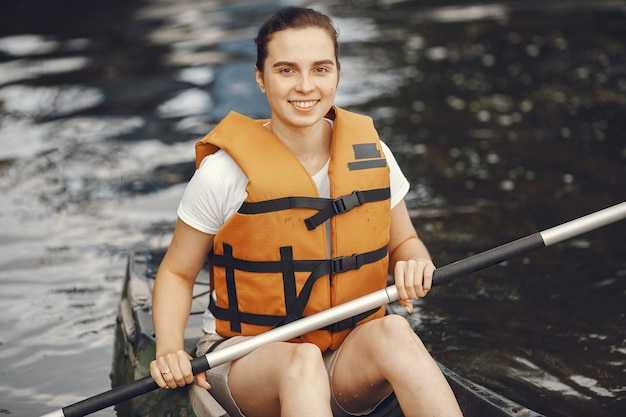
Suositeltu: enroll in a certified on-water skills course before you operate any small craft underway. While you learn, wear a properly fitted life jacket and keep gear secured. The version of the curriculum you pick should be up to date and aligned with the latest safety practices. A complete program provides fundamental skills for safe handling, navigation, and docking.
They provide practical training with canoe and other small craft, emphasizing hands-on steering, line handling, and controlled docking. The program provides clear personal safety routines, pre-trip checks, and weather awareness. dashboards offer a simple way to see instrument statuses while you practice. The association issues certification after meeting a standards-based evaluation, and a robust set of resources supports ongoing learning.
Underway practice reinforces helm control, situational awareness, and clear crew communication. They learn to operate the helm confidently, keep distance from other vessels, and secure equipment to prevent shift. The module introduces nav1 radio basics, reading simple charts, and plotting a short, safe course. Completing the module yields certification that you can verify with the association and use on your personal resources.
To start, choose a program that aligns with your boating style–canoe, kayak, or motorized small craft–and review the version of materials, the resources, and the certification options. A well-structured course provides practical, repeatable steps that you can apply underway or at the dock, helping you stay within safety guidelines without overcomplicating routine tasks.
On-Water Boating Skills Courses: Safe Handling, Navigation, and Docking
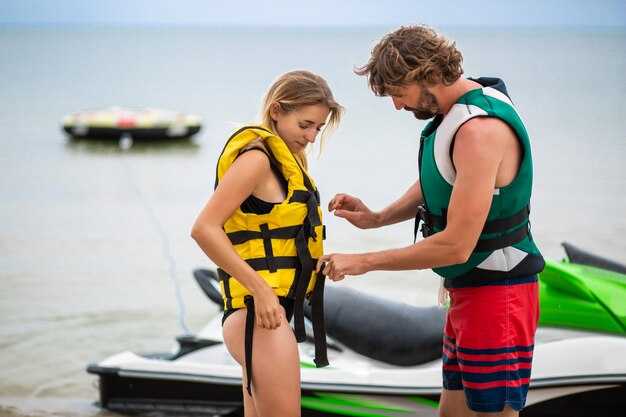
Enroll in a hands-on on-water skills course as a refresher to gain practical control of your boat and confidence in safe handling, navigation, and docking.
The program covers steering, line handling, and approach to a slip using real craft on the water, with personnel observing your technique and providing immediate feedback.
Bring navionics charts and other mapping tools to plan along shore routes; the schedule pairs on-water drills with brief data reviews so you can apply what you learn.
The course is recommended for youth and recreational boaters and is accessible to anyone interested; vouchers are available through the association to support your training.
After completing, they complete a practical assessment, and you receive a concise checklist to avoid common errors in steering, docking, and life-jacket usage; this data-oriented feedback helps you improve your skills.
Canoeing and other craft can benefit from the same fundamentals, making the program valuable for your broader boating life and interests.
Practical Training Modules for Paddlesports and Small Watercraft
Run a combined 12 hours of training, split into two 6-hour sessions, that cover paddlesports and small watercraft handling, and provide printable checklists for each student to track progress.
Module 1 focuses on beginner-level safety, seamanship, and equipment checks. Students learn to select a personal flotation device, inspect craft and paddles, read weather cues, and communicate with the team. A calm-water court drill demonstrates signals and line-of-sight coordination, followed by a detailed log entry on a printable form, with progress visible on dashboards as they complete each detail.
Module 2 concentrates on maneuvering and control. They practice paddle strokes, edging, and turning, then transfer skills to a small powerboat in a controlled area to illustrate effects of weight, propulsion, and wake. Instructors provide real-time feedback, enforce a steady pace, and document results on the dashboards for later review–they really emphasize readable notes and quick checks.
Module 3 covers docking, launching, and line handling. Learners work on approach angles, wind and current compensation, and securing craft with bow and stern lines. Sessions occur in a designated calm stretch treated as a practice court, with a 60-minute hands-on block followed by a 15-minute debrief and notes on a printable schedule.
Module 4 teaches self-rescue, capsizing recovery, and re-entry. Participants wear PFDs, practice controlled flips, recover to a stable position, and re-enter the craft from the water. The drills emphasize seamanship, safe fallbacks, and calm communication, earning praise for saint-like patience from mentors.
Module 5 introduces navigation basics and on-water rules. The whats required for safe conduct are explained, along with simple route planning, signals, and respect for other craft. The content references printable maps, quick-reference checklists, and a short practical test, with results logged in dashboards and the azgfd code used to track completion.
Final assessment and schedule alignment. Instructors conduct a practical show of skills, verify operate capabilities across paddlesports and small watercraft, and confirm who can safely handle personal equipment unsupervised. They issue a printable certificate, summarize what each student learned in the review, and set the next steps for those who want to advance beyond beginner-level content.
Personal Safety Gear, PPE Checks, and Pre-Launch Routine
Put on a properly fitted PFD before stepping onto the dock, and keep it on until you’re back home on shore. Start your routine with a concrete directive: each person must wear a PFD that matches their size, and adjust the strap snugly to prevent a slip in waves. Run a PPE check immediately, as you would in a school or course refresher, and verify that all equipment is readily accessible, in good condition, and stored in open, clearly labeled parts of the boat.
Before launch, perform a PPE checklist for every person: ensure a single life jacket per person, confirm a working whistle, test a compact light, and verify that a spare battery is charged. Inspect the equipment for wear in the strap, seams, and fastenings; check the visibility marker and the throw bag; record the numbers of items and the size of each vest. Mark replacements with azgfd as a quick reference so crews know what has been updated.
For a sailboat or canoe, perform a pre-launch routine that covers open hatches, bilge pump function, and lines or paddles within easy reach. Check the rigging and trim to keep weight balanced along the cockpit, test the handle grips, and confirm that the anchor or mooring lines are stowed but ready. This hands-on step helps you learn to react immediately if a slip or sudden gust occurs, and it keeps every part of the craft ready for safe handling.
During training in a real course or school, aged students and instructors will practice along the shoreline, in states such as naples region mockups, using a common checklist tailored to sailboats and canoes. youll learn how to receive feedback, adjust your technique, and build a ready habit through numbers-based checks that stay simple to execute at home or on the water. youll gain confidence by doing the actions hands-on, and youll appreciate the quick, practical routines that reduce risk at the dock.
Fundamental Boat Handling: Steering, Strokes, and Balance
Always keep a firm grip on the helm and execute slow, deliberate steering before increasing pace. This approach builds precision in response and reduces risk of collisions or abrupt maneuvering. In class and on the water, students learn to read weather, wind, and current and adjust rudder input and throttle with calm, measured strokes.
Steering fundamentals emphasize predicting turning circles and applying smooth, coordinated inputs on a wheel or tiller. Start with gentle corrections, then progress to controlled pivots while keeping the boat on a stable track along your plan along the shoreline or mark points you choose.
Balance and body position matter across boat types. In a canoe or small planing craft, shift weight along the centerline, switch between seated and kneeling as needed, and keep jackets snug but comfortable. Practice forward and reverse strokes to stabilize trim along the water line and maintain precise maneuvering authority.
Maintain readiness with a refresher and align with state-level rules and registration requirements. Certified instructors provide clear guidance on planing, speed, and maneuvering to minimize risk during docking and in traffic. The version of the course materials includes real-world scenarios and weather changes to help learners apply topics to on-water problems.
| Drill | Focus | Duration | Huomautukset |
|---|---|---|---|
| Steering drill | Keep track, prevent oversteer | 5 min | Use wind and current cues |
| Strokes cadence | Balance power and trim | 4 min | Coordinate with rudder |
| Balance practice | Weight distribution | 6 min | Alternate seating; jackets |
| Docking approach | Slow, precise contact | 5 min | Practice in calm water first |
Basic Navigation: Reading Waterways, Landmarks, and Aids
Follow markers and landmarks on every trip; start with small practice legs near sheltered bays to build skills for their board and for family outings. An nsbc-certified trainer will review what you see at each point, from channel markers to fixed landmarks, so you can react quickly and stay safe.
Read the waterway by noting current direction, depth changes on the chart, and the position of aids to navigation. Markers like red and green buoys, day shapes, and light signals indicate the preferred channel and where hazards lie. If you are new, pick two nearby landmarks along the shore and track how your vessel’s position shifts as you pass each waypoint. Keep charts handy, because orientation matters on busy waterways.
Anchoring and docking require calm-water practice: test a short anchor scope in sheltered water and confirm the set with a gentle pull on the line. When approaching a dock, slow to idle, use your reverse to manage speed, and align your bow with a fixed landmark or a piling on the finger. Use the wind and current to plan a controlled turn so your powerboats stay off the pilings.
A fundamental certification establishes the framework for on-water navigation. Look for vouchers or discounts offered by local clubs or boating schools, and choose combined classroom and on-water sessions with a trainer who understands their local waters, including naples area routes. This approach builds lifetime skills and keeps their confidence high while you grow as a skipper.
Docking and Mooring: Approach, Tie-off Strategies, and Fender Placement
Do this now: approach the dock at idle speed with a single certified crew member at the helm and ready equipment deployed, then prepare fenders and lines before you reach contact distance.
On-the-water practice with a boat, whether motorized or sailboat, reduces hull impact and helps you learn to keep the craft steady. This approach tells you exactly how to position the boat, assign roles, and execute the tie-off without abrupt movements.
Approach and positioning
- Align the bow with the cleat or fairlead you will use, and approach from a close, controlled angle to avoid wide swings.
- Maintain a slow, steady pace (idle) and use small steering inputs to trace a predictable arc toward the dock.
- Keep the helm hands ready, and communicate clearly with the crew so everyone knows when to ready lines or fenders.
- Adjust for wind or current by slightly angling the hull into the dock, then ease toward contact to minimize drift.
- Use a printable refresher checklist from your school to verify steps and roles; this prevents omissions and speeds up decision making.
- Remember that safety comes first for every boat type, whether a powerboat or a sailboat; if conditions worsen, delay contact until you can reassess.
Tie-off strategies
- Have at least one primary line ready to lead to a forward cleat; this single line becomes your main restraint as you settle in.
- As you approach, switch to a bow line and secure it with a cleat hitch or a figure-eight; keep tension moderate to avoid snapping or snatching.
- Run a stern line or spring line from amidships or stern to a dock cleat to control fore‑aft movement and keep the boat from piling into the face of the dock.
- In mixed conditions, use a backup line so you can leave immediately if the hull begins to drift again; always have a plan B in hand.
- If the dock features croix cleat patterns, orient the line so the turn sits neatly in the cross groove, reducing effort and slippage.
Fender placement and dock contact
- Place fenders on the most exposed hull zones–bow, midship, and stern–so contact points remain soft and the boat rides free from rubs.
- Position fenders slightly higher than the waterline when tides are high, and lower when the slip is deeper to maintain a consistent cushion.
- Use multiple fenders on wider hulls to distribute pressure and eliminate hotspots; check alignment as you secure the last line.
- During leaving, slide fenders inward or relocate them to avoid snagging, then toggle back to ready lines so you can move away smoothly.
- For anchoring or mooring after tie-off, verify that lines run cleanly through chocks or fairleads and do not chafe against the hull or cleats.
Post-dock quick checks
- Inspect all lines for wear or chafe; replace any worn sections before the next operation, and keep spare parts readily accessible.
- Confirm that fenders remain in effective positions and the boat sits evenly with the dock as wind or current shifts.
- Record observations from this session in a printable refresher note, helping you answer questions quickly in future on-the-water practice.
- Consider a short anchoring drill to reinforce mooring skills during downtime, so you stay confidently prepared for varying scenarios.
Emergency Procedures and Self-Rescue Techniques
Put jackets on now and run a quick MOB drill every outing. A boater keeps calm, assigns a spotter, and deploys a throw-line or buoyant throw cushion to reach a person in the water quickly. Practice a two-minute response with all aboard to build a clear rhythm, offline or on a calm day. navionics provides map-based planning with updated version charts, showing close safe anchorages or shore access. Schedule these drills for hours so every crew member gains confidence when trouble arises. Practice repeatedly; calm action beats panic, and confidence grows faster than fear. Follow safety rules for PFD use and orderly movement aboard. They practice until these maneuvers become automatic.
If a person goes overboard, first shout to attract attention and point toward the swimmer, then throw a flotation device within arm’s reach. Keep the swimmer visible and maintain a safe distance to avoid collisions; move to a position where you can maneuver toward the person without capsizing. For returning aboard, time this as a controlled sequence: reduce speed, place the craft in a stable stance, and use a ladder or gunwale to assist re-entry. For a canoe, entrance is simpler with a stable kneeling stance; pull up the bow until the hull clears the water, then slide over the gunwale while keeping the paddle secure. If help is needed, request transport or medical aid through a VHF radio or cellphone in a waterproof case.
When capsized, keep hold of a PFD and maintain a grip on the hull; if you must leave the boat to swim, do so only near shore or in shallow water to minimize drift. Once you reach rescue, re-enter via a stable entry point: climb onto the hull, then haul yourself aboard using a sturdy line, or use a cleat or transom step if available. In a canoe, flip orientation to bring your torso over the gunwale, then slide into the cockpit while kicking to clear the water. A small boat designed with flotation aids can be re-righted by pulling the gunwale and lifting your weight in a controlled maneuver; leaving the water should occur only when you can reach shore safely. Practice with a partner to build confidence hours of practice.
Self-rescue maneuvers vary by craft: in a canoe, keep your weight low, face the hull, reach over the gunwale to pull yourself up, then spin back to a paddling position. On a larger craft, stabilize by bracing against the gunwale, keep a clear exit path, and use a boarding ladder or step when re-entering. In either case, maintain a calm tempo so you conserve energy, and work with your crew to minimize collision or entanglement. A real approach blends practiced drills with situational awareness, favoring safety over speed, while keeping you aboard during operations. Keep a calm spirit and readiness to adapt along the deck line.
Gear aboard: a throw-line, spare PFDs, a whistle, a flashlight, a signaling mirror, and a compact repair kit. Plan fueling stops away from active work zones; never refuel on the water with engines running. The design of your training, certification, and practice schedule should include MOB retrieval, radio usage, and signaling drills. navionics charts help identify safe harbor points and fueling stops; update your plan when version charts change before long trips. Leave the dock with a clear plan and review safety procedures during hours of instruction to stay aligned with club guidelines or court-approved standards.