


 Suomi
Suomi  English (UK)
  Русский
  العربية
  日本語
日本語  한국어
한국어  Magyar
  Türkçe
  Español
  Čeština
  Svenska
  Português
  Ελληνικά
  Nederlands
  Română
  Italiano
  Français
  Polski
  Українська
  Deutsch
  简体中文
简体中文  Slovenčina
 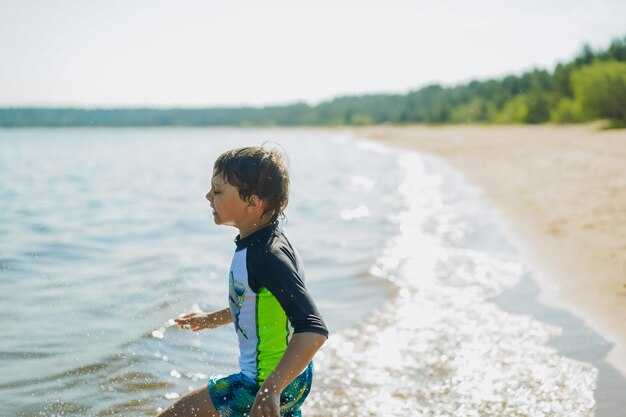 Ocean Safety Tips for Children, Teens, and Adults">

Always supervise children within arm’s reach when near water. This adds a protective layer that relates to most incidents and weather shifts, including winds and movement along shorelines. Read the following precautions before any outing: set simple rules, Only carry essential gear, keep a life jacket handy for non-swimmers, and carry a small detector for signaling in crowded areas.
Children stay within arm’s reach and wear a life jacket when near water; parents enforce simple practices like buddy checks and pause rules. Teens benefit from a buddy system, defined limits on distance, and training on how to read currents and winds. Adults should monitor fatigue, dehydration symptoms, and movement in the group during any outing, with a quick plan for quick help.
Read weather forecasts and water conditions before entering the water. Recognize warning signals: shivering, numb fingers, dizziness, or confusion are symptoms that require moving to shore. If someone shows these signs, apply shade and hydration and seek help if needed. The need to act quickly reduces risk.
Varusteluettelo: every person wears a life jacket for water activity, straps snug, and gear tested before entry. Note the estimated return time when you start from a port or dock, and plan a calm-water route. Have a compact first aid kit, sun protection, and a detector for emergencies; follow these precautions to keep everyone safe.
The following steps help you stay prepared: check winds, pick calm areas for beginners, and keep a phone or radio accessible. All members should know how to contact local lifeguards or port authorities if someone struggles in the water. Read these tips, practice them with family, and share them with friends.
Weather-Related Hazards
Seek shelter on land and away from open water at the first sign of lightning or strong winds. Weather forecasts at local centers predict rapid changes along coastlines, and remaining in the water during a warning presents a clear risk to swimming safety for all ages, with signs easily interpreted on beach boards.
Rough seas, gusty winds, and rip currents can appear quickly. Before any water-based activity, check forecasts and follow warnings. The situation presents predictable cues that guide action, allowing quick decisions. Beaches designed with clear lifeguard zones and posted flags provide reliable guidance. If a current pulls you away, stay calm, switch to plan B, and swim parallel to shore to break the pull; lower your center of gravity by bending knees to stay stable, using buoyancy to help stay afloat and protect your arms.
Low visibility due to fog, rain, or spray makes it harder to spot shore, other swimmers, or hazards, and conditions can be easily worsened by wind. Always plan a visible entry and exit, and stay within zones where lifeguards are stationed. In limited visibility conditions, prefer swimming with a buddy and keep lines of sight open, allowing you to react quickly; if you lose sight of shore, switch to a land-based activity and avoid venturing farther.
Algae blooms and pollution present additional hazards. Algae can reduce buoyancy near the surface and cause skin irritation or eye irritation if touched; avoid water with visible film or strong odor. Pollution, including oil sheen and sewage discharge, can irritate skin and lungs and complicate rescue. Stay out of water where algae appear thick or the surface feels slick, and always rinse after exposure. If forecasts indicate a bloom, choose land-based activities until conditions improve; being prepared to relocate reduces risk.
Legal requirements may mandate life jackets for children in certain zones. Wear the right gear and inspect the safety mechanism on flotation devices before entering water; ensure buckles and straps function properly, and keep arms inside rather than extending into gear lines. Choose a device designed for your weight and activity level, and replace worn parts immediately. If you cannot get a proper fit, postpone water activity.
Be prepared with a lightweight waterproof bag for a phone, a whistle, and a plan to meet at a safe point if conditions worsen. Check forecasts again during breaks and before re-entering the water, and always follow posted warnings or guidance from lifeguards. prepared individuals reduce risk and make ocean safety a shared responsibility for children, teens, and adults alike.
How to Identify Weather Changes That Affect Swimming Safety
Do a pre-departure weather check using reliable devices and logs, and head to safety if forecasts show thunderstorms or high winds.
Watch natural signals in the sky: darkening clouds, a rapid drop in temperature, distant thunder, and sun rays breaking through as gaps in the clouds widen.
Track changes in winds and water states: gusts that rise quickly create whitecaps and choppy water; if conditions worsen, do not enter the water, and limit play near the edge.
Rely on systems like local weather alerts, marine radios, and app alerts to catch warnings early.
In cases of approaching storms, pause activities, move to shore, and follow lifesaving guidance; in situations like lightning, exit the water.
Near lakes or beaches, watch for signals such as lightning, increasing winds, and changing currents; jump out immediately if you see one, unless you have a safe shore within reach.
Keep logs of what you observe and underline patterns you notice over time; this helps tailor pre-departure plans for family trips and school activities.
Being prepared means you perform quick checks, discuss plans with peers, and advises caregivers on when to leave the water for safety.
If weather shifts, delay swims until signals confirm safety, and always have a plan for lifesaving help.
What to Do If Caught in a Rip Current During Windy Conditions
Float and conserve energy until the current eases, then swim parallel to the shore to reach safety.
In windy water, this activity requires clear, practiced steps. The guide advises staying calm and using core practices to exit safely. American beaches operate under a system of procedures for rip current responses, and knowing how to determine the best exit path helps swimmers and families stay safe. Be mindful of creatures and hazards in the water that could complicate an exit. Wind shifts can make the exit path potentially longer, so act early.
- Stay calm, float, or gently tread water; this is one of the core practices to conserve energy when wind increases the water’s motion.
- Do not swim straight against the current. Determine an exit by swimming parallel to the coastline until you break free from the rip, then angle toward the shore in a safe direction.
- Track your distance from shore using landmarks and the area you entered; this helps you know when you can safely return to water.
- Wear a life jacket or personal flotation device if available; avoiding bulky clothing helps you stay buoyant and reduces fatigue.
- Be mindful of clothing choices and gear; light, quick-drying clothing is preferable, and remove heavy items that can weigh you down.
- Watch for changes in direction due to wind; early recognition lets you adjust your exit plan rather than fighting to reach the beach straight on.
- Involve others in your group; designate a leader, keep swimmers together, and teach the steps you know for a safe exit.
- The procedures taught by lifeguards emphasize safe conduct and indicate when to signal for help or move toward safer water.
- On reaching shore, check for cramps or injuries to body parts and change into dry clothing to prevent hypothermia in windy weather.
- If you cannot reach shore, float with the current and look for a safer exit point or wait for assistance from trained personnel.
american lifeguards and safety personnel regularly track current conditions and advise beaches on where to find marked exits, so follow posted signs and stay within sight of supervisors whenever possible.
Lightning Safety Near Shore: When to Seek Shelter
Seek shelter indoors or inside a closed vehicle immediately when lightning appears near shore; do not stand in open areas near the water.
Lightning is a weather-related discharge whose mechanism can carry current through air, water, and grounded objects, posing a serious risk to anyone outdoors. The effects include cardiac arrest, burns, nerve injury, and secondary injuries from falling or being struck by debris. Near the coast, metal equipment, wet surfaces, and open decks amplify the danger, and a rescue may be delayed by rough seas or crowded piers. Lightning can occur without warning.
To reduce risk, move to a sturdy building or a fully enclosed vehicle; in port areas or on boats, seek shelter before the storm reaches you. The guidance advises taking shelter at the first sign of lightning and staying put for at least 30 minutes after the last clap of thunder, including a check of weather updates. Avoid open shelters, exposed decks, and touching metal railings or wet surfaces.
If you are unable to reach shelter, minimize exposure by crouching with feet together, hands on knees, and staying away from water, tall trees, and metal structures. On a boat, power down unnecessary electronics, keep everyone low and away from masts, and use a rescue-ready plan; someone should monitor conditions and call for help if needed. Regular supervision of children and vulnerable adults helps detect distress quickly and provides a smoother transition to shelter.
Situations differ: on an open beach you should move away from the surf and find a building; near a pier or port, head indoors or into a sheltered vehicle, avoiding open areas and open water. Animal behavior during storms can change suddenly and affect safety; keep pets leashed and avoid areas with panicked animals. Adapting to weather conditions, including gusts and shifting winds, helps you select the safest shelter.
After the danger passes, monitor weather updates from reliable sources and resume activities only when authorities declare it safe; you may still feel effects in the minutes afterward. Rescue teams assess damage and provide guidance on when to return to open decks or shorelines. In this process, supervision remains important, and having a regular plan helps avoid confusion down the line.
Sun, Heat, and Dehydration: Practical Protection for All Ages
Hydrate before you head out, and sip water every 15-20 minutes during outdoor time to keep life and brain function sharp.
Kirkkaissa valoissa ja kuumuudessa nestehukka voi yllättää nopeasti. On kriittistä aloittaa luotettavalla nesteytyssunnitelmalla ja käyttää varjoa, kevyitä kankaita ja aurinkovoidetta ydintemperaturen alentamiseksi. Sekä lapsille että aikuisille on hyvä juoda nesteitä tasaisin väliajoin eikä odottaa, kunnes jano yllättää, ottamalla pieniä siemauksia ajan mittaan suuren hörpyn sijaan kerralla.
Varmista aina nesteytys ja turvallinen alue helposti ulottuvilla. Suunnitellessasi retkeä, tarkista ennuste, pidä vettä käden ulottuvilla ja aseta muistutuksia pullojen täyttämiseksi. Kehon signaalien tiedostaminen auttaa havaitsemaan ongelmat varhaisessa vaiheessa: huimaus, päänsärky, oksentelu tai väsymys ovat ehkäistävissä, jos reagoit nopeasti. Jos huomaat näitä, siirry varjoon, lopeta toiminta ja juo pieniä siemauksia kunnes tunnet olosi paremmaksi.
Rannikon lähellä tarkkaile vesiä ja tuulta turvallisuussyistä. Jos näet vesipillereitä tai kovia aaltoja, vetäydy turvalliseen paikkaan ja siirrä vesileikit toiseen ajankohtaan. Imutehoa kivien ympärillä lisääntyy aaltojen myötä, joten pysy poissa reunasta ja pidä nuorimmat käden ulottuvilla. Tämä suunnitelma tarjoaa käytännön toimenpiteitä hengen ja raajojen suojelemiseksi sekä ylikuumenemisen riskin vähentämiseksi kaikkien ikäryhmien kohdalla.
| Age group | Nesteytystavoite (ml/h retken aikana) | Aurinkosuojavinkkejä | Warning signs |
|---|---|---|---|
| Lapset (4–8) | 150–250 | Leveäreunuksinen hattu, kevyet vaatteet, aurinkosuojaus 30+. | Huimaus, oksentelu, väsymys |
| Nuoret (9–15) | 250–350 | Aurinkolasit, vesipullo käden ulottuvilla, säännölliset varjoisat tauot | Päänsärky, sekavuus, pahoinvointi |
| Adults | 350–500 | Riittävä nesteytys, aurinkovoiteen uudelleen levitys, hengittävät kankaat | Runsasta hikoilua vaikeuksien tai huimausmerkkien kanssa |
Kylmävesiriski ja hypotermian ehkäisy eri ikäryhmille
Käytä aina pelastusliivejä kylmään veteen astuessasi ja määritä turvallinen aikaraja retkelle iän, veden lämpötilan ja sään mukaan; pysy rauhallisena, tarkkaile ongelmia etkä koskaan ylitä omia rajoituksiasi, ja pidä vähintään yksi valvova aikuinen lähellä.
Lapset ovat eniten vaarassa, koska lämmön menetys tapahtuu nopeasti. Meri- tai järvialueilla, joiden veden lämpötila on alle noin 21°C (70°F), pidä jokainen lapsi jatkuvasti käden ulottuvilla ja valitse ensimmäisille kisoille rauhallinen, matala alue. Pue heidät vaatteisiin, jotka minimoivat lämmön menetyksen, kuten tiukkaan istuvaan märkäpukuun tai kuivapukuun, jos sellainen on saatavilla, ja rajoita altistumista 15–30 minuuttiin; lyhyen levon jälkeen arvioi tilanne heidän mielipiteensä perusteella siitä, miltä heistä tuntuu, ennen kuin jatkat retkeä.
Nuoret voivat testata rajoja, joten parita heidät kaverin kanssa ja aseta selkeät sijainnin ja ympäristön säännöt ennen veteen menemistä. Käytä pelastusliivejä kaikissa toimissa lähellä reunoja tai virtoja, pidä pientä radiota mukana syrjäisillä alueilla ja sovi samanaikainen tarkistus. Turvallista retkeä varten ota huomioon veden ja ilman lämpötilaero ja vältä pitkiä jaksoja ilman taukoja.
Aikuiset tulisi tarkkailla omaa mieltään ja kehoaan sekä säätää altistusta kunnon ja vaatetuksen mukaan. Samassa ympäristössä ydinlämpötilaa säätelevä järjestelmä reagoi eri tavalla iän mukaan; ennen lähtöä valitse suojaava vaatetus, joka peittää ääripäät ja rinnan; voimakkaassa tuulessa tai aalloissa lyhennä aikaa vedessä ja nesteytä sukellusten välillä.
Ole valppaana oireiden varalta, kuten vapisuttelu, puutuminen, sekavuus, koordinaation menetys tai puhehäiriöt. Jos huomaat niitä, siirry lämpimään ja kuivaan paikkaan, riisu märät vaatteet, pue kuivat vaatteet ja viltti ylle ja käytä lämpimiä (ei kuumia) lämpöpakkoja tai lämmintä juomaa, jos olet tajuntasi täydessä tiedossa. Soita pelastuslaitokselle tai hätäpalveluihin, jos oireet pahenevat tai et lämpene nopeasti; pysy kaikkien osallistujien kanssa, kunnes kaikki ovat turvassa.
Sijainnin suunnittelu kaikkiin tilanteisiin: Tässä otsikossa esittelemme käytännön vaiheet, jotka koskevat jokaista paikkaa ja ympäristöä. Jokaisessa retkessä tarkista paikan turvallisuustiedot, ole tietoinen siitä, että eri alueilla on erilaiset virrat ja vesilämpötilat. Jokaisessa retkessä kanna matkasääradio tai matkapuhelin, tiedä hätänumerot ja pidä pelastusliivit helposti saatavilla. Samat ydinperiaatteet koskevat merirannikkoja, järviä, jokia ja muita alueita; laadi lähtövalmistelutarkistuslista ja harjoittele vaiheet kaikkien osallistujien kanssa, jotta kaikki ovat mukana ja varautuneita.