


 Suomi
Suomi  English (UK)
  Русский
  العربية
  日本語
日本語  한국어
한국어  Magyar
  Türkçe
  Español
  Čeština
  Svenska
  Português
  Ελληνικά
  Nederlands
  Română
  Italiano
  Français
  Polski
  Українська
  Deutsch
  简体中文
简体中文  Slovenčina
 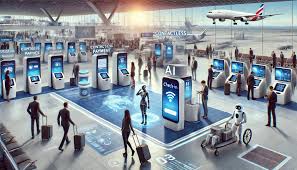 Matkateknologian odotetaan laajenevan $21 miljardiin seuraavien vuosikymmenten aikana">

The Boom of Travel Technology Driven by Digital Demand
The travel technology sector is on a fast track, projected to grow from $9.4 billion in 2022 to a massive $21 billion by 2032. This surge is largely driven by the global embrace of digital solutions that make traveling easier, more personal, and efficient. Technologies such as AI, mobile apps, and automation now shape how travelers book trips, plan itineraries, and enjoy destinations.
As the world rebounds and travel volumes increase, the demand for tools enhancing operational efficiency and traveler experience continues to rise. From smart automated check-ins to AI-powered recommendation systems, the travel journey is becoming smarter and more connected, transforming the industry landscape.
Key Innovations Shaping Travel Technologies
- Artificial Intelligence (AI): Virtual assistants and chatbots provide personalized help and streamline customer service.
- Cloud Computing: Enables scalable and flexible platforms used by airlines, hotels, and agencies.
- Internet of Things (IoT): Facilitates seamless communication between devices for smoother travel experiences.
- Blockchain: Adds security to transactions and enhances transparency.
- Augmented and Virtual Reality (AR/VR): Revolutionize destination previews and in-trip guidance.
- Advanced Data Analytics: Fuel predictive insights for better service and marketing strategies.
These technological forces provide dynamic pricing, automated routing, and contactless payment solutions, all converging to modernize traditional travel operations.
Market Drivers and Challenges
The rapid shift to digital travel solutions is motivated by travelers’ preference for clear pricing, instant booking, and mobile access. Both leisure and business travelers seek platforms that offer end-to-end trip management and enhanced connectivity. Contactless services like automated kiosks and touchless check-ins have become the norm, heightening expectations for seamless, secure experiences.
However, the growth is tempered by concerns about cybersecurity and privacy risks due to the high volume of sensitive data exchanged across platforms. Furthermore, regulatory variability and economic fluctuations can slow market progress, although continued innovation and partnerships within the travel ecosystem are expected to maintain growth momentum.
Segmentation and Industry Dynamics
The travel technology market is diverse, comprising components such as booking and reservation systems, customer relationship management (CRM) platforms, travel analytics, mobile travel apps, and payment gateways. The service side includes IT solutions, managed services, and consultancy tailored for airlines, travel agencies, hotels, and tour operators.
Cloud-based solutions dominate due to their ease of deployment, scalability, and cost-effectiveness. Commercial users—airlines, hotels, and agencies—currently represent the largest segment, focusing on optimizing reservation and booking processes to maximize revenue.
Meanwhile, individual travelers are increasingly turning to digital tools for trip planning, particularly apps offering destination insights, reviews, and translation features. This segment shows the fastest projected growth, reflecting a broader trend of empowering travelers with information and personalization.
Regional Insights
| Region | Market Leadership | Growth Factors |
|---|---|---|
| North America | Market leader in 2022 | Strong adoption of AR, VR, and metaverse-driven solutions |
| Asia-Pacific | Fastest growing region | Rapid e-commerce expansion, diverse travel packages, discounts, and loyalty programs |
| Europe, Middle East, Americas, Africa | Emerging adoption patterns | Expanding digital infrastructure and varying regulatory landscapes |
A Glance Back: Evolution of Travel Technology
The evolution of travel technology traces back to the rise of computer reservation systems and global distribution systems that transformed how flights and accommodations were booked decades ago. With the advent of the internet, online travel agencies emerged, offering consumers direct access to a broad range of travel services—from flights to rental cars.
Innovators like Expedia and Priceline introduced novel booking models such as “name your own price,” shaking up how travelers search for and secure deals. Later, meta-search engines aggregated various online sources, enabling users to search tens or hundreds of websites in moments.
The growth of mobile technology further transformed traveler behavior, providing instant access to booking apps, destination guides, and real-time updates, effectively putting a travel agent’s expertise in the palm of the hand.
The Dawn of eTourism and Digital Transformation
The tourism industry has been fundamentally altered by eTourism, where information and communication technologies integrate with travel services. The emergence of social media platforms reshaped how travelers share experiences and how tourism businesses market themselves.
The rise of “big data” analytics in tourism allows operators to forecast demand, enhance customer insights, and tailor services more effectively, driving smarter marketing and operational decisions. Yet, this digital revolution also brings challenges around managing and securing vast amounts of sensitive data.
Looking Ahead: The Impact on International Tourism
The global travel technology market’s expansion signals a wider transformation within international tourism. Digital adoption supports increasingly sophisticated travelers who seek personalization, seamless connectivity, and convenience.
With continued advancements in AI, mobile computing, AR/VR, and cloud services, tourist destinations and operators can expect to deliver richer, more engaging experiences through intelligent systems that anticipate needs and simplify processes.
The industry’s future will likely lean heavily on smart tourism ecosystems powered by integrated technologies, offering tailored activities, easier navigation of destinations, and dynamic pricing models that benefit both providers and travelers.
Forecast Table: Key Drivers and Challenges through 2032
| Factor | Impact |
|---|---|
| Digital Adoption by Consumers | High – Boosts demand for mobile booking and personalized services |
| AI and Automation | High – Enhances efficiency and customer interactions |
| Contactless and Secure Payment Systems | Moderate – Meets rising traveler expectations, requires investment |
| Cybersecurity and Data Privacy | Critical Challenge – Needs robust safeguards to maintain trust |
| Fluctuating Travel Regulations | Variable – Can disrupt operations, requires flexible solutions |
Adaptation and Innovation Will Guide the Way
Travel businesses and destinations striving to prosper in this evolving landscape will need to stay at the cutting edge of technological trends. By embracing cloud platforms, AI tools, and immersive technologies, they can elevate traveler engagement and operational agility, ensuring they keep pace with the digitally empowered consumer.
Conclusion: Navigating the Course of Travel Technology Growth
In summary, the travel technology market is gearing up for substantial growth fueled by digital adoption and innovation. The industry’s embrace of AI, cloud services, IoT, and data analytics marks a new era where convenience, personalization, and real-time connectivity take center stage in travel experiences.
The sector faces typical challenges such as cybersecurity and regulatory shifts but the ongoing integration of technology across airlines, hotels, tour operators, and agencies points toward a future rich with opportunities for enhanced services and smarter travel management.
For sailing enthusiasts and travelers frequenting marine destinations, advances in travel technology mean easier charter booking, improved navigation apps, and smarter service options at marinas, beaches, and coastal hubs. Whether renting a yacht, organizing fishing excursions, or finding the ideal captain for a superyacht, digital platforms bring unparalleled convenience to the boating and yachting community.
GetBoat.com – an international marketplace for renting sailing boats and yachts – provides a perfect example of how travel technology is revolutionizing the boating experience, offering vast selections that cater to every taste and budget in the world of yachting.