


 Suomi
Suomi  English (UK)
  Русский
  العربية
  日本語
日本語  한국어
한국어  Magyar
  Türkçe
  Español
  Čeština
  Svenska
  Português
  Ελληνικά
  Nederlands
  Română
  Italiano
  Français
  Polski
  Українська
  Deutsch
  简体中文
简体中文  Slovenčina
 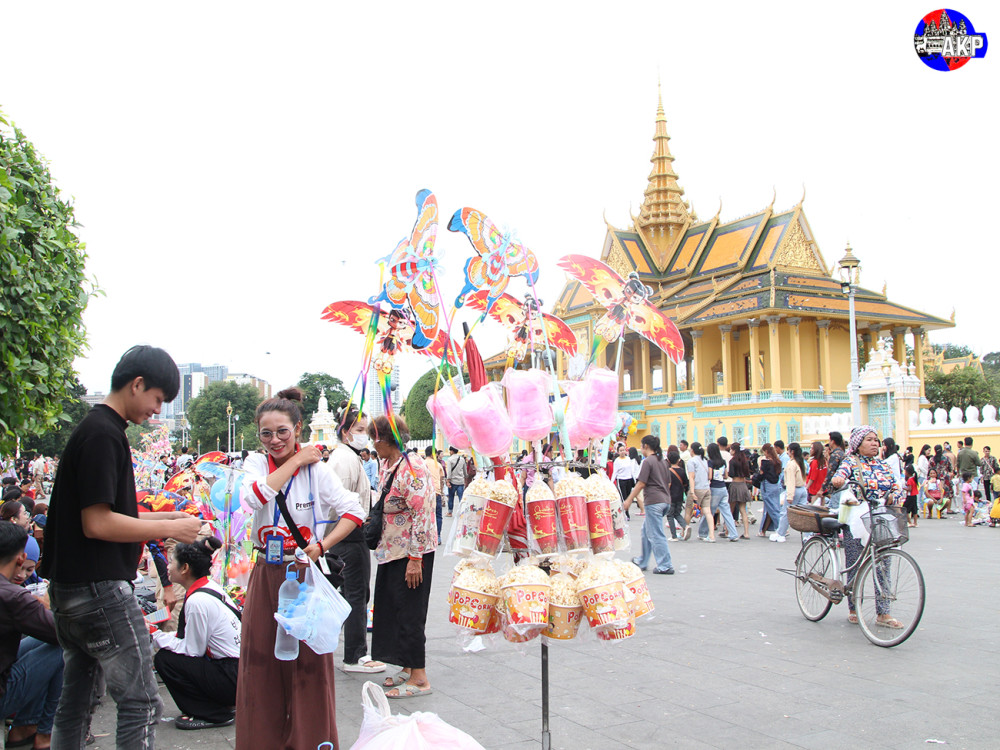 Water Festival’s Final Day Draws Increasing Tourists to Phnom Penh’s Royal Palace and Walk Street">

Phnom Penhin vesijuhlan värikäs päätös
Kambodžan pääkaupunki Phnom Penh todisti vaikuttavaa kävijämäärän kasvua vuosittaisen Vesifestivaalinsa viimeisenä päivänä, kun sekä kansalliset että kansainväliset turistit kerääntyivät kuninkaalliseen palatsiin ja vilkkaalle Walk Streetille. Tämä suuri juhla oli kolmipäiväisen festivaalin huipentuma, joka valaisee kaupungin vesipohjaisilla aktiviteeteilla, kulttuuri-ilmaisuilla ja eloisilla paraateilla joen varrella.
Tärkeimmät nähtävyydet ja juhlahumun kohokohdat
Kuninkaallisen palatsin alue toimii juhlien keskipisteenä ja houkuttelee turisteja, jotka haluavat kokea kuninkaallisen taustan yhdessä vilkkaiden tapahtumien kanssa. Samaan aikaan Walk Street kuhisee energiaa, kun vierailijat nauttivat ruokakojuista, musiikista ja yhteisöllisestä hengestä, joka on nähtävillä. Vesifestivaali, joka tunnetaan paikallisesti myös nimellä Bon Om Touk, on kuuluisa upeista veneiden kilpailuista, valaistuista kulkueista ja veden elämää antavien ominaisuuksien yhteisöllisestä jakamisesta.
Vesijuhlan historialliset juuret
Vesijuhla on syvällä Kambodžan rikkaassa historiassa, ja se juhlistaa Tonle Sap -joen virtauksen kääntymistä ja monsuunikauden päättymistä – mikä on ratkaiseva luonnontapahtuma paikallisille maatalous- ja kalastusyhteisöille. Perinteisesti tämä aika oli hetki ilmaista kiitollisuutta henkiolennoille ja merkitä uuden kalastuskauden alkua.
Vuosisatojen saatossa festivaali kehittyi vaatimattomista maaseuturituaaleista suureksi urbaaniksi näytelmäksi kuninkaallisen palatsin varjossa, joka historiallisesti symboloi kansakunnan suvereniteettia ja kulttuurista ylpeyttä. Festivaali on pitkään säilynyt sosiaalisena ja uskonnollisena pilarina, vahvistaen yhteisöllisiä siteitä ja esitellen Kambodžan syvää yhteyttä vesiväyliinsä.
Taulukko: Vesifestivaalin ominaisuuksien yleiskatsaus
| Aspect | Description |
|---|---|
| Duration | Kolme päivää, jotka huipentuvat suureen finaaliin |
| Päätapahtumat | Veneilykilpailut, valaistut kulkueet, katufestivaalit |
| Tyypilliset sijainnit | Kuninkaallisen palatsin rantaviiva, Walk Street, Mekong-joen ranta |
| Significance | Joen virtaussuunnan kääntymisen ja kalastuskauden juhlistaminen |
Väylät elämänlankoina: Kambodžan luonnon ja kulttuurin selkäranka
Kambodžan laaja joki- ja järviverkosto, mukaan lukien Mekong ja Tonle Sap, on ollut maan talouden ja kulttuurin kulmakivi vuosisatojen ajan. Nämä vesiväylät tukevat keskeisiä toimintoja, kuten kalastusta, kuljetusta ja kastelua. Vesifestivaali korostaa veden elintärkeää roolia ja näin ollen myös kambodžalaisten ja heidän luontoympäristönsä välistä luontaista suhdetta.
Nykyaikana festivaalista on tullut vastustuskyvyn ja uudistumisen symboli, joka kuvastaa maan matkaa historian läpi ja sen polkua kohti toiveikasta tulevaisuutta. Ihmisjoukkojen kokoontuminen Phnom Penhiin on elävä muistutus veden kestävästä voimasta tuoda ihmiset yhteen juhlimaan ja luomaan yhteisöä.
Historiallinen tilannekatsaus: Vesifestivaalin kehitys
- Muinaiset juuret: Juuret maatalousriiteissä ja henkisissä menoissa, joilla kunnioitetaan veden jumaluuksia.
- Kuninkaallinen suojelus: Integraatio Phnom Penhin kaupunkikuvaan monarkian aikana, mikä lisäsi sen arvovaltaa.
- Moderni henkiinherätys: 2000-luvun jälkeinen renessanssi, joka symboloi kansallista identiteettiä ja yhtenäisyyttä.
Vesifestivaalien vaikutus kansainväliseen matkailuun ja veneilyyn
Kambodžan Vesifestivaalin jatkaessa kukoistustaan se kerää yhä enemmän huomiota maailmanlaajuisilta matkailijoilta, jotka etsivät ainutlaatuisia kulttuurikokemuksia. Turismin lisääntyminen tuo alueen vesiväylille enemmän näkyvyyttä ja tarjoaa lisämahdollisuuksia merellisiin aktiviteetteihin, kuten veneilyyn, jokiristeilyihin ja kalastukseen.
Festivaalin rytmeistä lumoutuneet vierailijat usein pidentävät oleskeluaan tutkiakseen Mekongjokea, Tonle Sap -järveä ja rannikkoalueita, joista monet ovat purjehdus- ja jahtivuokrauskohteita. Eloisat ranta-alueiden festivaalit toimivat porttina Kambodžan luonnonkauneuden määrittelevän rikkaan vesiympäristön löytämiseen.
Lista: Mahdollisia vesiurheiluun ja purjehdukseen liittyviä aktiviteetteja vesifestivaaliturismin yhteydessä
Ennakoiva Katsaus: Vesifestivaalien Kasvava Merkitys Alueellisessa Matkailussa
Vesijuhla ei ainoastaan esittele Kambodžan rikasta perintöä, vaan toimii myös laajemman matkailun kehityksen vauhdittajana. Kiinnostuksen kasvaessa Phnom Penhin rantakadun infrastruktuurin parannukset ja vieraanvaraisuuden lisääntyminen todennäköisesti nostavat tämän kohteen kansainvälistä profiilia.
Yachtingin ja veneilyn maailmanlaajuisen intohimon huomioon ottaen festivaalin ajoitus ja sijainti voivat innostaa uuden matkailijoiden aallon, joka haluaa yhdistää kulttuurisen tutkimuksen merellisiin seikkailuihin. Tällä synergialla on potentiaalia piristää paikallista taloutta säilyttäen samalla Kambodžan vesiväylien luonnollisen ja kulttuurisen eheyden.
Yhteenveto ja loppupäätelmät
Phnom Penhin vesijuhlan päätöspäivä on näyttävä tapahtuma, joka houkuttelee yhä enemmän turisteja kuninkaalliseen palatsiin ja vilkkaalle Walk Streetille, heijastaen Kambodžan syvää yhteyttä vesistöihinsä. Muinaisista juuristaan hengellisenä ja maatalousjuhlana festivaali on kypsynyt merkittäväksi kulttuuriseksi kohokohdaksi, jolla on kansainvälistä vetovoimaa.
Kun turistit nauttivat vesiperäisistä juhlallisuuksista, monet inspiroituvat tutustumaan Kambodžan rikkaisiin vesistöihin osallistumalla veneilyyn, purjehdukseen ja kalastukseen Mekongjoella ja Tonle Sap -järvellä. Festivaalin kasvava suosio merkitsee lupaavaa tulevaisuutta jahdeilulle ja merimatkailulle alueella herättäen suurempaa kiinnostusta jahtivuokrausta, vesiurheilua ja rantavirkistystä kohtaan.
Kambodžan kiehtovasta Vesifestivaalista ja sen merellisistä iloista nauttiakseen vierailijat voivat löytää ja vuokrata laajan valikoiman purjeveneitä ja jahteja sivuston kautta GetBoat.com – kansainvälinen kauppapaikka, joka on räätälöity kaikkiin makuihin ja budjetteihin ja tarjoaa pääsyn merellisiin aktiviteetteihin joissakin maailman kauneimmista ja kulttuurisesti rikkaimmista vesikohteista.