


 Suomi
Suomi  English (UK)
  Русский
  العربية
  日本語
日本語  한국어
한국어  Magyar
  Türkçe
  Español
  Čeština
  Svenska
  Português
  Ελληνικά
  Nederlands
  Română
  Italiano
  Français
  Polski
  Українська
  Deutsch
  简体中文
简体中文  Slovenčina
 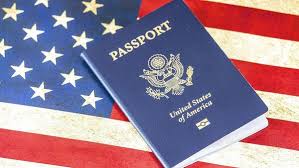 Changes in US Non-Immigrant Visa Procedures and Their Global Implications">

Overview of New US Visa Policies
The United States has recently intensified the scrutiny applied to non-immigrant visa applicants, leading to significant changes in visa issuance and travel procedures. These adjustments affect a broad range of visa categories, particularly H-1B, F-1, and J-1 holders, causing delays in interviews and more rigorous background checks.
Applicants are now generally required to obtain visa stamping either in their home country or their country of residence, ending the previous practice of applying through third countries. Additionally, expanded social media checks and new fees have been introduced, especially impacting first-time H-1B visa applicants. These updates present challenges for thousands of foreign professionals and students, with a substantial number originating from India.
Key Changes in Visa Application Process
- Interview Delays: Scheduled appointments at US consulates have been postponed to accommodate thorough vetting procedures.
- Restricted Visa Stamping Locations: Visa applicants must apply in their country of citizenship or residence, denying the convenience of third-country applications.
- Social Media Scrutiny: Authorities now have the right to review applicants’ social media accounts, potentially requiring them to be public during processing.
- New H-1B Fees: Employers sponsoring newcomers in the US for the first time must pay a $100,000 application fee for new H-1B visas.
- Port of Entry Checks: Customs officers can review travelers’ devices and social media upon arrival, possibly causing further delays.
Impact on Travelers and Employment
These policy shifts carry practical consequences for foreign workers and students. Travel becomes riskier even with valid visas, given the unpredictability of interview outcomes and inspections at entry points. Delays can have ripple effects on employment, academic status, and family mobility, which are critical for visa holders whose stay and work eligibility hinge on timely processing.
Importantly, visa validity does not equal lawful stay duration. A visa allows entry into the US, but the length of stay is governed by the I-94 record. Those remaining in the country without traveling internationally usually do not need a renewed visa stamp, but those re-entering must secure a valid visa abroad.
Advice for Visa Holders
Given the heightened scrutiny, it is advisable to travel only when necessary. Maintaining a cautious online presence is recommended, avoiding posts related to sensitive topics. Being mindful of these factors is essential to minimize risks during visa processing and entry.
Historical Evolution of US Visa Policies
The United States has long balanced visa policies as a tool to secure national interests while facilitating international exchange. Over decades, visa programs like H-1B have become vital gateways for skilled foreign workers, particularly in technology, healthcare, and academia. However, fluctuating political and security considerations have periodically tightened visa rules, impacting international mobility.
Traditionally, the option to process visas in third countries allowed flexibility for many travelers. The new requirement to apply only within the country of residence or citizenship reflects a more cautious approach. Similarly, the use of social media for background checks is a relatively recent development, signifying how digital footprints influence immigration decisions.
Visa Policy Milestones
| Period | Policy Development | Impact |
|---|---|---|
| 1990-luku–2000-luku | Expansion of H-1B and student visa categories | Increased inflow of skilled professionals and students |
| Early 2010s | Introduction of enhanced security screenings | Longer processing times, third-country visa applications common |
| Late 2010s–Present | Restriction of visa stamping to home or residency countries; social media vetting begins | Tighter control over applicant backgrounds and travel locations |
| 2023 | New $100,000 H-1B visa fee for first-time applicants | Increased financial burden on employers sponsoring foreign talent |
Forecast and Implications for Global Tourism
The tightening of visa rules by the US signals a trend towards more stringent entry controls among major global destinations. While the intent is to enhance national security and control immigration, these measures invariably influence international travel demand, affecting tourism and global business mobility.
Visa complications could deter short-term visitors and professionals, which may ripple across countries with close ties to the US, such as those with large expatriate networks. Industries like higher education and technology might see shifts in where talent chooses to study or work. This evolving landscape may encourage travelers and businesses to explore alternative destinations or to seek improved visa facilitation elsewhere.
Visa Policies and Tourism Mechanics
- Visa restrictions can reduce a country’s attractiveness as a destination, limiting tourism growth.
- Applications with extended delays may dissuade spontaneous travel and event participation.
- Global tourism competitiveness often hinges on ease of entry, influencing destination preferences.
- Technology adoption such as eVisas and visa-on-arrival schemes tend to boost visitor numbers.
Conclusion: Navigating Visa Challenges in a Changing Travel World
The recent US visa policy revisions represent a significant shift in international travel norms, impacting professionals and students worldwide. The intersection of increased security checks, social media vetting, and financial costs creates a more challenging environment for visa applicants, especially those seeking to enter key programs like the H-1B.
For travelers and employers alike, understanding these rules and planning accordingly is crucial to avoid disruptions in work, study, and family life. As the US adjusts its immigration control landscape, its influence on global travel flows, tourism destinations, and international mobility continues to be profound.
In regions frequently visited by international yachting enthusiasts and sailing communities, such visa developments are also a reminder of the broader travel ecosystem’s sensitivity to policy changes. Whether arriving at a marina by boat or joining a sailing charter, understanding visa requirements remains fundamental to smooth journeys on water and land.
For those exploring marine destinations with complex travel rules, services like GetBoat.com offer excellent options for renting yachts and sailing boats, catering to a variety of tastes and budgets while navigating evolving travel conditions.