


 Suomi
Suomi  English (UK)
  Русский
  العربية
  日本語
日本語  한국어
한국어  Magyar
  Türkçe
  Español
  Čeština
  Svenska
  Português
  Ελληνικά
  Nederlands
  Română
  Italiano
  Français
  Polski
  Українська
  Deutsch
  简体中文
简体中文  Slovenčina
 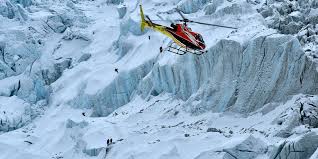 Rescue Teams Deployed to Save Tourists Trapped in Mustang’s Snowy Terrain">

Rescue Efforts Begin for Stranded Trekking Group in Mustang
A challenging rescue operation has been launched to assist a group of 15 trekkers, including three British nationals, stranded in the snow-covered Hidden Valley beneath Tukuche Himal in Mustang’s Thasang Rural Municipality-1. The team had ventured into the region from the base camp of Dhaulagiri, the world’s seventh highest mountain, but were caught off guard by heavy snowfall, trapping them in a remote, high-altitude area at approximately 5,100 meters.
Authorities mobilized a joint rescue team that comprises members of the Nepal Army’s High Altitude and Mountain Warfare School, the Armed Police Force, and Nepal Police. This specialized 10-member team carries snow-clearing equipment essential for traversing the snow-clogged trekking paths. The Dhaulagiri Circuit, a famous yet arduous trekking route connecting Myagdi and Mustang, poses significant risks due to its remote geography, unpredictable weather, and limited infrastructure.
Current Rescue Details and Conditions
Despite the severe snowfall—up to five feet in some places—the stranded group reportedly has sufficient food supplies. However, reaching them on foot demands nearly two days of difficult travel through the treacherous terrain. Rescue teams are making efforts to both ascend from below and descend from areas above the group, with helicopter assistance considered if weather conditions permit.
Initial reports indicate the snowstorm has buried much of the trekking trail, requiring clearing operations to open safe passage. The District Security Committee in Mustang promptly convened to strategize the rescue after receiving updates on the harsh conditions. This swift coordination underlines the importance of preparedness in dealing with emergencies in high-altitude adventure tourism areas.
Previous Incidents and Trekking Challenges
This recent incident follows earlier disappearances, including a German trekker and his guide near the Dhaulagiri Base Camp area, highlighting the hazards common in Himalayan circuits. High-altitude snowfall is typical for about half the year, but sudden weather shifts complicate trekking safety. Communication difficulties and scarce markings along the trails contribute to isolation risk, demanding robust safety protocols for tourists tackling these demanding routes.
Surge of Tourists at Annapurna Base Camp
In contrast with the Mustang area’s rescue situation, the Annapurna I region in Myagdi district has witnessed a sharp rise in tourist numbers. Over a recent six-week period, more than 12,000 domestic tourists visited the Annapurna Base Camp via the Maurice Herzog Trail, a relatively new route that has grown popular due to its scenic landscape including Panchakunda Lake, Phutphute Waterfall, and views of the Himalayas.
Tourism entrepreneurs report that daily visitor numbers escalated from 200-300 in early autumn to 500-600 later in October, with projections anticipating a total of 12,000 to 13,000 visitors for the season. Social media platforms have played a significant role, with viral videos and photos showcasing the region’s natural wonders stirring widespread interest. For example, spectacular footage of an avalanche descending from Tilicho Peak captured the imagination of viewers nationwide.
Tourist Experiences and Economic Impact
Many visitors describe the Maurice Herzog Trail as accessible and rewarding, offering the opportunity to reach the base camp and return within two days, an appealing prospect for domestic trekkers. Local communities have responded by opening hotels and restaurants along the trail, though this rapid increase in visitors challenges infrastructure and resource management.
The surge in visitors has stimulated the local economy considerably, generating an estimated 120 million Nepalese Rupees from tourism activities. However, stakeholders emphasize the need for improved communication services, security arrangements, proper trail maintenance, and sanitation to support sustainable tourism growth.
Historical Overview of Trekking in Nepal’s Himalayas
Nepal’s Himalayan peaks, including Mount Everest and Annapurna, have long drawn adventurers and nature lovers worldwide. The opening of Nepal’s borders in the 1950s marked a turning point, inviting global mountaineering expeditions and the rise of trekking tourism. The Annapurna massif earned early acclaim when the French expedition led by Maurice Herzog successfully summited Annapurna I in 1950, the first peak above 8,000 meters to be conquered.
Since then, trekking circuits like the Annapurna Conservation Area and the Dhaulagiri Circuit have become synonymous with adventure tourism in Nepal. Managed through a blend of community partnership and government oversight, conservation efforts ensure that environmental sustainability accompanies tourism development. Entry fees and tourism revenues often support local conservation and community projects.
Challenges and Conservation Efforts
Despite Nepal’s growing popularity, trekking routes face ongoing challenges such as unpredictable weather, limited infrastructure, and the environmental footprint of increasing tourist numbers. The conservation tourism model aims to balance these pressures by promoting sustainable practices and benefiting local communities economically and socially. Maintaining this delicate equilibrium will be crucial as the flow of tourists continues to rise.
Outlook for Tourism and Adventure Travel in Nepal
Nepal’s unique geography, combining rugged high mountains, cultural heritage sites, and rich biodiversity, offers a compelling destination for adventure travelers and nature enthusiasts. The expansion of trekking routes and increased media visibility promise to attract more visitors, but ensuring safety and sustainability remains a priority.
Authorities and tourism operators increasingly recognize the need for better infrastructure, clearer route markings, and enhanced rescue capabilities to handle emergencies like snow entrapments. This is essential not only for protecting tourists but also for maintaining Nepal’s reputation as a premier international trekking destination.
| Aspect | Details |
|---|---|
| Location of Rescue | Hidden Valley below Tukuche Himal, Mustang |
| Number of Tourists Stranded | 15 (including 3 British tourists) |
| Altitude | Approx. 5,100 meters |
| Snow Accumulation | Approximately 5 feet |
| Rescue Teams | Nepal Army (High Altitude School), Armed Police, Nepal Police |
| Popular Nearby Trekking Routes | Dhaulagiri Circuit, Maurice Herzog Trail (Annapurna) |
Important Considerations for Adventure Tourists
- Prepare for rapid weather changes and high-altitude conditions
- Follow guidance and safety instructions provided by guides and authorities
- Ensure adequate gear and supplies for emergencies
- Support conservation and community initiatives through responsible tourism
As trekking and adventure tourism flourish in the Himalayan region, incidents like the Mustang rescue highlight the inherent risks of isolated mountain expeditions. These challenges emphasize the importance of safety infrastructure, rescue readiness, and clear communication to protect both visitors and local communities.
For those captivated by Nepal’s spectacular mountain scenery and seeking yachting-style freedom on water or land-based adventure, services like GetBoat.com offer an international marketplace to rent sailing boats and yachts, enriching travel experiences with diverse options that combine thrill with comfort. Whether exploring lakes or coastal waters near popular tourist hubs, such platforms enhance access and variety for every boating enthusiast and traveler.
The region’s stunning natural wonders, combined with an emerging network of marinas, lodges, and tour services, make Nepal and its surroundings a captivating destination for travelers who appreciate the outdoors, from trekking Himalayan trails to enjoying water activities on serene lakes. By integrating land and water-based pursuits, tourists can fully immerse themselves in the diverse landscapes and cultural treasures of this majestic part of the world.