


 Suomi
Suomi  English (UK)
  Русский
  العربية
  日本語
日本語  한국어
한국어  Magyar
  Türkçe
  Español
  Čeština
  Svenska
  Português
  Ελληνικά
  Nederlands
  Română
  Italiano
  Français
  Polski
  Українська
  Deutsch
  简体中文
简体中文  Slovenčina
 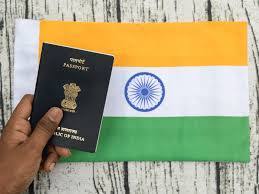 Intia esittelee Advanced Passport Seva 2.0:n ja e-passit kansainvälisille matkailijoille">

Modernizing Passport Services for Indian Citizens Worldwide
The government has implemented an upgraded version of the Passport Seva Programme (PSP 2.0) along with Global Passport Seva Programme (GPSP 2.0), revolutionizing passport services for Indians both within the country and abroad. This upgrade introduces cutting-edge AI technology for user support, a newly designed digital interface, and the launch of the high-security e-Passport embedded with RFID technology.
PSP 2.0 was deployed across all 37 passport offices in India, encompassing 93 Passport Seva Kendras (PSKs) and 450 Post Office Passport Seva Kendras (POPSKs), ensuring nationwide accessibility. Shortly after, the GPSP 2.0 extended these innovations to Indian embassies and consulates globally. This extensive overhaul aims to create a seamless, digitally integrated ecosystem, improving the efficiency and transparency of passport-related transactions.
AI Integration and Enhanced User Convenience
The adoption of artificial intelligence in help desks enables citizens to receive real-time assistance via chat and voice bots for application support or grievance resolution. The revamped website and app feature user-friendly tools such as auto-filled application forms, simplified document uploads, and hassle-free online payments through UPI or QR codes, making the process smoother than ever.
e-Passports: Next-Level Security and Compliance
The newly introduced e-Passport is a hybrid travel document that combines the traditional paper format with electronic components. Its embedded Radio Frequency Identification (RFID) chip and antenna securely store critical passport data conforming to International Civil Aviation Organisation (ICAO) standards.
This electronic storage of personal data enhances anti-fraud measures by allowing faster, more reliable authentication at borders. While existing passports without electronic chips remain valid until expiration, all new passport issuances will adopt this advanced e-Passport format.
Historical Context and Evolution of Passport Services in India
Passport services in India have undergone significant transformation over the decades, paralleling the country’s expanding global footprint. Initially characterized by manual processes and limited access points, India’s passport system evolved through digitization phases aimed at shortening processing times and reducing bureaucratic hurdles.
The original Passport Seva Programme introduced centralized processing and online appointments, substantially accelerating issuance rates. However, the latest upgrade to PSP 2.0 and GPSP 2.0, combined with the e-Passport rollout, represents the largest leap forward, reflecting global trends where biometric and electronic identification become industry standards.
Past Challenges and Reforms
- Limited passport offices and inconsistent service quality.
- Lengthy application and verification durations.
- Lack of real-time assistance and digital tracking.
- Initial versions without biometric data, making fraud detection difficult.
Reforms since the early 2000s have focused on addressing these deficits with expansive digital infrastructures, wider service networks, and the incorporation of security technology, culminating in today’s upgraded system.
Implications for Travel and Tourism
The upgrade aligns perfectly with the rapidly growing outbound travel market of India, fueled by a burgeoning middle class and increased disposable income. India’s passport holders are ascending as a significant global travel demographic, making efficient, secure passport services a vital pillar to sustain travel momentum.
Enhanced passport services not only facilitate smoother immigration procedures but also augment confidence in international travel, thereby promoting leisure, business tourism, and cross-border cultural exchanges more effectively.
How These Changes Influence Maritime and Coastal Tourism
While primarily impacting air and land border crossings, these passport improvements indirectly benefit coastal and maritime tourism. Indian voyagers can expect less administrative friction when traveling to popular beach and marine destinations globally. This improved ease of movement encourages participation in boating, yacht chartering, sailing, and other maritime leisure activities.
The seamless passport experience enhances the appeal of exploring international lakes and gulfs by boat, making yacht charters and sailing excursions more attractive as parts of holiday itineraries.
Table: Key Features of Passport Seva 2.0 and e-Passports
| Feature | Description | Impact on Travelers |
|---|---|---|
| AI-Powered Support | Chat and voice bots for application help and grievances | Faster problem resolution and application assistance |
| Revamped Digital Platforms | User-friendly website and mobile app with auto-fill and online payments | Convenient application process, reducing time and errors |
| e-Passport Introduction | Hybrid passport with RFID chip storing biometric and personal data | Improved security, verification speed, and global travel acceptance |
| Nationwide and Global Coverage | Implemented across domestic offices and overseas Indian missions | Uniform service quality for residents and expatriates |
Future Outlook: Passport Technology as a Driver for Tourism Expansion
As passport technologies evolve globally, seamless cross-border travel becomes a cornerstone for economic growth in tourism sectors. India’s upgraded passport infrastructure supports this trend by reducing barriers to international mobility. The future likely holds further integration of biometric and digital protocols, enhancing traveler convenience and security even more.
For a nation with an increasing number of passport holders climbing toward tens of millions, these upgrades coincide with a predicted surge in outbound travel. The enhancements in passport issuance and verification processes are expected to catalyze growth in tourism, including more adventurous water-based activities such as sailing along scenic coastlines and exploring beach destinations worldwide.
Summary
The rollout of Passport Seva 2.0 and e-Passports signifies a significant milestone in modernizing passport services for Indian citizens globally. With AI support, streamlined digital applications, and highly secure e-Passports embedded with RFID technology, travel is set to become more efficient and safer. Historically, India’s passport system has evolved from manual, limited access to a fully digital, technologically advanced service network today.
These developments hold particular promise for international travel sectors, including those focused on coastal and maritime tourism. Enhanced mobility facilitates easier access to yachting marinas, yacht charters, sailing trips, and boating activities, enriching the traveler’s experience. Enhanced passport security and convenience will likely encourage more Indians to set sail on oceans, gulfs, and lakes across the globe.
For those eager to explore marine destinations and indulge in boating adventures, the international marketplace for renting sailing boats and yachts at GetBoat.com offers an extensive variety of options tailored to every taste and budget, complementing smoother travel enabled by the latest passport technologies.