


 Suomi
Suomi  English (UK)
  Русский
  العربية
  日本語
日本語  한국어
한국어  Magyar
  Türkçe
  Español
  Čeština
  Svenska
  Português
  Ελληνικά
  Nederlands
  Română
  Italiano
  Français
  Polski
  Українська
  Deutsch
  简体中文
简体中文  Slovenčina
 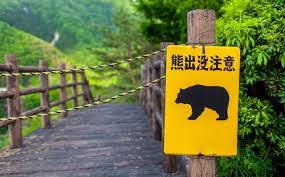 Japanin nousevan karhun kohtaamiset johtavat Ison-Britannian matkustusvaroitukseen">

Heightened Travel Warning as Bear Attacks Surge in Japan
The UK Foreign Office has issued a serious travel warning for visitors heading to Japan following a marked surge in bear encounters, including fatal attacks. Known for its safety and tranquility, Japan now grapples with a sharp increase in wildlife incidents, particularly in the northern mountainous region of Akita. This unexpected development has raised concerns among locals and tourists alike.
Brown bears and Asiatic black bears have been approaching populated areas at an unprecedented rate. Reports indicate these animals are venturing closer to schools, train stations, supermarkets, and even hot springs resorts, in search of food as they prepare for hibernation. Since April, there have been over 100 reported injuries and at least 12 fatalities linked to bear attacks across the country, according to government statistics.
In response to the crisis, Japanese authorities have deployed troops to assist in managing the problem, highlighting the severity of the situation. The UK Foreign Office’s advisory urges travelers to stay vigilant and follow local guidelines and alerts, especially when journeying through forested or mountainous areas prone to bear activity.
Official Travel Advisory Highlights
- Bear sightings and attacks are increasing in parts of Japan, notably around rural and forested areas close to settlements.
- Visitors are advised to heed local warnings and avoid unnecessary travels in high-risk zones.
- Safety measures include staying in groups, making noise when moving through forests, and avoiding leaving food scraps that might attract bears.
The History of Bear Encounters in Japan
Wildlife encounters with bears are not new to Japan, especially in its mountainous north where the habitat of brown and Asiatic black bears overlaps with human settlements. Historically, rural communities have lived in balance with nature’s raw presence, cultivating cultural practices that minimize conflict. However, environmental changes, expanding human activity into wild areas, and food scarcity during pre-hibernation periods have contributed to rising interactions.
In recent decades, bear attacks had remained relatively rare due to successful wildlife management policies and public awareness campaigns. The sudden spike in incidents this season reflects shifting animal behaviors and possibly ecosystem stresses that are not yet fully understood. This marks one of the most intense series of bear-related injuries and fatalities in modern Japanese history.
Factors Behind the Surge
| Cause | Effect on Bear Behavior |
|---|---|
| Food Shortages due to Environmental Variability | Bears wander closer to human settlements seeking sustenance. |
| Expansion of Human Activities in Mountainous Areas | Increased overlap between humans and wildlife habitats. |
| Seasonal Preparations for Hibernation | More aggressive foraging behavior and territoriality. |
Implications for Japan’s Tourism Sector
The sudden rise in bear encounters poses a complex challenge for Japan’s tourism industry. Generally perceived as one of the world’s safest travel destinations, the new advisory has potential ripple effects on traveler confidence. For visitors hoping to explore Japan’s scenic national parks, mountainous hiking trails, or rural hot springs, enhanced caution and possible restrictions could impact itineraries and experiences.
Yet, this situation also serves as a reminder of the delicate balance between nature and human activity. As wildlife tourism and eco-adventures continue to grow in popularity worldwide, managing the coexistence of humans and animals is a critical concern. Japan’s efforts to tackle the surge in bear activity may offer insights into broader strategies for sustainable tourism that respects both ecological integrity and visitor safety.
How Japan’s Tourism Industry May Adapt
- Strengthening communication channels to inform tourists promptly about wildlife risks.
- Increasing safety infrastructure like bear-proof trash containers and protected hiking zones.
- Promoting responsible wildlife interaction and supporting conservation education programs.
- Adjusting tour offerings in sensitive regions during high-risk seasons.
Forecast for Japan’s International Tourism Amid Wildlife Challenges
While the bear attacks present a short-term risk, Japan’s long-standing reputation for hospitality and cultural richness remains robust. It is expected that with proactive management and traveler education, the industry will mitigate lasting damage to visitor numbers. Moreover, the situation highlights emerging trends in international tourism, where safety and environmental unpredictability increasingly shape travel behaviors.
Nature-centered tourism, including wildlife observation, hiking, and outdoor exploration, is evolving alongside conservation efforts worldwide. Destinations that can balance authentic nature experiences with safety protocols are poised to attract discerning travelers seeking adventure without compromising wellbeing.
Conclusion: Navigating Safety and Adventure in Japan
The recent surge in bear attacks in Japan’s northern mountainous area underscores the unpredictable aspects of travel even in the safest countries. Visitors are urged to respect local advisories, remain aware of their surroundings, and prepare appropriately when venturing into forested or rural zones. This development also highlights the broader importance of sustainable and responsible tourism practices, especially in regions rich in wildlife.
For those interested in exploring Japan’s coastal areas, lakes, and vibrant marine resorts, a wealth of boating and sailing opportunities remain available, offering safer alternatives to inland adventures. The serene waters and scenic marinas provide ample options for yacht charters, fishing excursions, and leisurely cruises, often accompanied by professional captains.
Overall, travelers seeking to experience the interplay of nature and culture in Japan should stay informed and flexible in their plans. The rise in wildlife incidents is a vivid reminder of the powerful forces of nature that coexist with human activity. Safe boating and coastal tourism continue to be an attractive aspect of Japan’s travel landscape, giving visitors memorable experiences on the sea.
GetBoat (GetBoat.com) is an international marketplace for renting jahdit ja purjeveneet, offering options for every taste and budget in marine destinations worldwide. While the bear situation poses challenges inland, Japan’s water destinations remain full of promise for safe, scenic charters ja boating activities, from tranquil lakes to vibrant venesatamat along the ocean coastlines.