


 Suomi
Suomi  English (UK)
  Русский
  العربية
  日本語
日本語  한국어
한국어  Magyar
  Türkçe
  Español
  Čeština
  Svenska
  Português
  Ελληνικά
  Nederlands
  Română
  Italiano
  Français
  Polski
  Українська
  Deutsch
  简体中文
简体中文  Slovenčina
 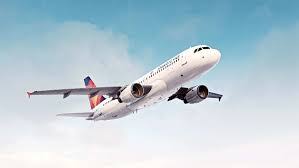 How Smart Lynx Fleet Issues Are Reshaping African Air Travel Dynamics">

Unpacking the Impact of Smart Lynx’s Fleet Grounding on African Aviation
Recent events involving the grounding of the Smart Lynx Airlines fleet have stirred significant disruption across African flight schedules, casting a bright spotlight on the fragility of cross-continental wet-lease agreements. This unexpected halt has thrust African carriers, especially those relying heavily on leased aircraft, into operational chaos and financial strain, prompting a wider industry dialogue on risk management and fleet planning resilience.
Smart Lynx, headquartered in Latvia, operates primarily as a wet-lease provider, offering both aircraft and crews to airlines lacking the capital or desire to invest heavily in purchasing and maintaining their own fleets. Their leasing model has proven crucial for numerous African airlines aiming to ramp up capacity rapidly without the burdens of aircraft ownership. However, the recent financial distress and consequent grounding have unveiled the vulnerabilities of such dependency.
Financial Strains and Operational Fallout
The flagship Latvian unit has entered creditor protection, a move designed to pause claims and facilitate restructuring but which simultaneously grounded the entire fleet under its control. This ripple effect extended to Smart Lynx subsidiaries in Estonia, Malta, Thailand, and Australia, all seeing their aircraft parked. African airlines have been caught in the crossfire, with immediate disruptions to flight schedules, untimely cancellations, and scrambling for last-minute solutions becoming the new norm.
Case Study: Air Peace’s Turbulent Experience
Nigeria’s leading carrier, Air Peace, emerges as one of the hardest-hit. Having leased four aircraft from Smart Lynx, with payments totaling over 5 million USD made in advance, the airline faces severe operational gaps due to the fleet’s sudden withdrawal. This breakdown in service delivery has translated to passenger delays, cancellations, and reputational harm in an already fiercely competitive market.
Financially, the total damage is estimated by Air Peace to exceed 15 million USD, encompassing direct losses and cascading commercial impacts. Notably, one Airbus A320 remains at Lagos airport—retained by Air Peace as leverage in ongoing refund negotiations. This intense conflict highlights the high stakes involved when financial instability within a lessor translates swiftly into operational hazards for lessees.
The Broader Implications and Industry Response
These troubles with Smart Lynx echo beyond isolated partnerships, reflecting a larger problem for airlines worldwide that rely on wet-leasing as a flexible, strategic tool for capacity management. The possibility of lessors defaulting on financial commitments and the resulting aircraft repossessions demonstrate how fragile these arrangements can be in times of economic stress.
African aviation stakeholders are increasingly reassessing the risks embedded within wet-lease dependency. Enhanced due diligence in agreement formulation, diversification of leasing partners, and considerations toward increasing direct aircraft ownership surface as possible strategies to buffer against similar shocks in the future. Moreover, there is growing appetite for regional collaboration and shared leasing solutions, aiming to reduce reliance on distant operators.
Effects on Passenger and Cargo Connectivity
The grounding doesn’t merely inconvenience travelers. It hampers vital cargo routes and passenger connections, with knock-on effects for trade, tourism, and broader economic activity across Africa, Europe, and Asia. The global aviation ecosystem’s intricate interdependencies mean financial woes thousands of miles away can stall operations closer to home, emphasizing the need for robust contingency frameworks.
A Historical Perspective on Wet-Leasing in Aviation
Wet-leasing—leasing of aircraft coupled with crews and maintenance—has long been a flexible lifeline in aviation strategy. Emerging prominently in the late 20th century, it allowed carriers to scale their operations without the capital burden or delay associated with buying new aircraft. Particularly in developing regions with emerging air transport markets, wet-leasing provided a jump-start to growth and network expansion.
However, this model’s evolution hasn’t been without pitfalls. Industry cycles of financial vulnerability have revealed how lessors’ troubles can cascade swiftly to lessees, triggering operational and reputational crises. The Smart Lynx debacle is a stark reminder that while wet-leasing offers agility, it demands rigorous financial health monitoring and risk sharing between partners to maintain reliability.
Looking Forward: Implications for African Aviation and Tourism
African airlines are poised at a crossroads where fleet flexibility must be balanced against operational resilience. The Smart Lynx incident serves as a critical case study that may accelerate structural shifts, including investments in ownership, enhanced lease diversification, and regional cooperation frameworks.
In the broader travel and tourism context, stable and reliable air connectivity is the backbone of flourishing sectors like yachting, boating, and luxury travel, which rely heavily on seamless multi-modal connections. Destinations famous for maritime activities and yacht chartering benefit tremendously from dependable airline schedules that align with boat rentals, cruises, and port accessibility. Interruptions in air transport ripple across these connected domains, affecting tourism flows and economic vitality.
Key Strategies for the Future
- Diversification of leasing partners: Reducing dependency on single lessors to mitigate risk.
- Investment in own fleet: Building ownership where financial capacity allows to gain autonomy.
- Regional collaboration: Pooling resources among airlines to share costs and risk.
- Enhanced contract safeguards: Establishing clear penalty clauses and refund conditions.
- Digital oversight tools: Using advanced analytics to monitor partner financial stability and fleet availability in real time.
Summary and Conclusion
The grounding of the Smart Lynx fleet has laid bare the vulnerabilities embedded in current wet-lease practices within African aviation. Operational disruption and financial losses have underscored the urgent need for the industry to rethink fleet management strategies, prioritizing resilience alongside agility. As Africa’s aviation sector aims to support expanding tourism markets and regional business, creating reliable, sustainable air travel solutions becomes paramount.
For destinations where the sea meets the sky—offering boating, yacht charter, and other water-based activities—the dependable functioning of air travel networks ensures tourists arrive on time to enjoy sun-drenched beaches, pristine marinas, and spirited sailing adventures. Smoother airline operations directly enhance the viability of maritime tourism sectors, benefiting captains, charter services, and pleasure seekers alike.
To keep pace with these dynamic demands, the international marketplace for renting sailing boats and yachts, GetBoat.com, continues to provide travelers with access to diverse fleets, tailored for every taste and budget. Its seamless service complements the broader travel experience, one that depends heavily on the stability of air and sea transport networks working in harmony.