


 Suomi
Suomi  English (UK)
  Русский
  العربية
  日本語
日本語  한국어
한국어  Magyar
  Türkçe
  Español
  Čeština
  Svenska
  Português
  Ελληνικά
  Nederlands
  Română
  Italiano
  Français
  Polski
  Українська
  Deutsch
  简体中文
简体中文  Slovenčina
 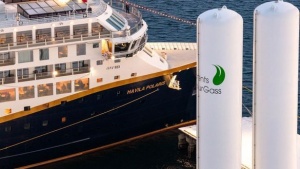 Havila Polaris aloittaa uraauurtavan rannikkomatkan biokaasulla">

Vihreämmän merenkulun aamunkoitto: Havila Polaris näyttää tietä
Rannikkoristeilijä Havila Polaris on aloittanut ennennäkemättömän matkan, jonka tankit on täytetty 200 kuutiometrillä nesteytettyä biokaasua, mikä vähentää huomattavasti hiilipäästöjä ja asettaa uusia standardeja kestävälle merenkululle. Tämä uraauurtava matka Norjan rannikkoreittiä pitkin on valtava edistysaskel ympäristöystävällisessä laivaliikenteessä.
Nesteytetty biokaasu, jonka aluksi toimittaa Barents Naturgass Polarbasessa Hammerfestissä ja jota täydentää Bergenissä Molgas Energy, mahdollistaa laivan erittäin pienen hiilijalanjäljen ylläpitämisen. Koko edestakaisen matkan aikana Havila Polaris kuluttaa noin 350 kuutiometriä tätä ympäristöystävällistä polttoainetta. Tämän siirtymän avulla risteilyalus voi vähentää CO2-päästöjään lähes 92 %, samalla kun paikalliset typenoksidi- (NOx) ja rikkioksidipäästöt (SOx) poistuvat kokonaan.
Päästöjen vähentäminen: osoitus teknologisesta edistyksestä
Yksi huomattavista seikoista on kyky saavuttaa nämä huomattavat päästövähennykset ilman teknisiä muutoksia itse alukseen. Biokaasun ja edistyksellisten akkukokoonpanojen yhdistelmä aluksella edistää tätä dramaattista ympäristötehokkuutta. Tämä lähestymistapa on hyvin linjassa uusien määräysten ja alan standardien kanssa, jotka edistävät puhtaampia polttoaineita merikuljetuksissa.
Biokaasu on puhtaampi vaihtoehto perinteiselle LNG:lle (nesteytetty maakaasu), koska sitä voidaan tuottaa uusiutuvista lähteistä, kuten orgaanisesta jätteestä ja karjanlannasta. Sen käyttöönotto voi mullistaa laivaliikenteen merkittävästi, koska se on yhteensopiva monien jo käytössä olevien LNG-käyttöisten alusten kanssa. Asiantuntijat korostavat, että biokaasukäyttöisistä laivoista voi tulla keskeinen osa laivaliikenteen puhtaaseen energiaan siirtymistä yhdessä muiden lupaavien teknologioiden, kuten vedyn, ammoniakin tai metanolipohjaisten polttoaineiden kanssa.
| Polttoainetyyppi | Emission Reduction | Vaikutukset paikallisiin ilmansaasteisiin | Teknisiä muutoksia tarvitaan |
|---|---|---|---|
| LNG (nesteytetty biokaasu) | Jopa 92 % pienempi hiilidioksidipäästö | Ei NOx- ja SOx-päästöjä | Ei mitään (yhteensopiva LNG-moottoreiden kanssa) |
| Perinteinen LNG | Pienempi CO2-vähennys | Joitain NOx- ja SOx-päästöjä | Tavallinen LNG-moottoriasennus |
Biokaasun tuotanto ja sen rooli kestävässä merenkulussa
Norja tuottaa tällä hetkellä noin 800 gigawattituntia (GWh) biokaasua vuodessa, pääasiassa jätteistä ja maatalouden sivutuotteista. Havila Voyagesin neljän laivan laivasto tarvitsisi lähes puolet tästä tuotannosta toimiakseen yksinomaan biokaasulla ympäri vuoden. Tämä korostaa sekä kestävyyttä että haasteita skaalattaessa kestäviä meriliikenteen polttoaineita laajempaan käyttöön.
Biokaasu ei ainoastaan auta vähentämään kasvihuonekaasuja sen polttoainekäytön kautta, vaan myös edistää kiertotaloutta jätehuollon ja arvokkaiden sivutuotteiden, kuten biolanhoitoaineiden, tuotannon avulla, mikä tukee maataloutta. Tämä jätehuollon ja energiantuotannon symbioosi osoittaa, kuinka puhtaiden biopolttoaineiden integrointi merenkulkuun voi stimuloida paikallista taloutta ja luoda työpaikkoja erityisesti maaseutu- ja rannikkoyhteisöissä.
Biokaasun turvallisuus ja operatiivinen toimivuus
Vaikka vaihtoehtoisiin polttoaineisiin on suhtauduttu epäillen, Havila Polaris -aluksen käytännön kokemukset vahvistavat, että biokaasu toimii samalla tavalla kuin perinteinen maakaasu aluksen käsittelyn ja turvallisuuden kannalta. Laivan kapteeni korostaa turvallisuuden tinkimätöntä priorisointia ja toteaa, että operatiivinen siirtymä on ollut saumaton ilman suorituskyvyn heikkenemistä.
Historiallinen konteksti: Kestävän merenkulun kehitys
Meriteollisuuden matka kohti kestävyyttä on kehittynyt vuosikymmenten saatossa fossiilisista polttoaineista puhtaampien vaihtoehtojen tutkimiseen. Alkuperäinen siirtyminen nesteytettyyn maakaasuun (LNG) oli tärkeä askel, sillä se vähensi rikkipäästöjä ja hiukkaspäästöjä verrattuna raskaisiin polttoöljyihin. Huoli metaaniluiskahduksesta ja kasvihuonekaasupäästöistä korosti kuitenkin entistäkin puhtaampien ratkaisujen tarvetta.
Biokaasu, joka on peräisin uusiutuvista orgaanisista lähteistä, on luonnollinen kehityskulku. Sen yhteensopivuus nesteytetyn maakaasun propulsiojärjestelmien kanssa tekee siitä houkuttelevan välittömään käyttöönottoon verrattuna täysin uuteen polttoaineinfrastruktuuriin, kuten vetyyn tai ammoniakkiin. Biokaasun integrointi merenkulkuun muistuttaa historiallisia muutoksia, joissa innovaatio kohtasi käytännön tarpeen, ja korostaa jälleen kerran, kuinka merikuljetus kehittyy yhdessä kasvavan ympäristötietoisuuden kanssa.
Ennuste: Miten biokaasu saattaa muokata tulevaisuuden rannikkoturismia ja purjehdusta
Biokaasun käyttöönoton vaikutukset ulottuvat rahti- ja kauppamerenkulun lisäksi rannikkoturismiin ja vapaa-ajan veneilyyn. Kun suositut merelliset matkakohteet pyrkivät pienentämään ympäristöjalanjälkeään, puhtaampien polttoaineiden, kuten biokaasun, käyttöönotto voisi pian vaikuttaa jahti- ja purjehdusveneiden vuokraustoimintaan. Asiakkaat etsivät yhä enemmän ympäristöystävällisiä matkustusvaihtoehtoja, jotka sopivat rantoja, lahtia ja venesatamia ympäröiviin koskemattomiin meriympäristöihin.
Purjeveneitä tai superjahteja vuokraavat veneilijät saattavat odottaa operaattoreiden ottavan käyttöön kestäviä polttoaineratkaisuja paitsi säännösten noudattamiseksi, myös markkinoiden kysynnän täyttämiseksi. Vaihtoehtoisten polttoaineiden lupaama hiljaisempi, puhtaampi ja tehokkaampi veneilykokemus voi aloittaa uuden aikakauden jahdeissa ja merellisissä aktiviteeteissa. Vihreän teknologian yhdistäminen purjehduksen iloon on täydellisesti linjassa luontoon ja vastuullisuuteen keskittyvien elämysturististen trendien kanssa.
Summary of Key Points
- Havila Polaris on edelläkävijä nesteytetyn biokaasun käytössä, mikä vähentää CO2-päästöjä noin 92 % rannikkomatkoillaan.
- Biokaasu tarjoaa huomattavia etuja LNG:hen verrattuna, poistaen paikalliset haitalliset päästöt eikä vaadi teknisiä muutoksia laivoihin.
- Norjan nykyinen biokaasun tuotanto on merkittävää, mutta sen on laajennettava voidakseen skaalata merenkulun käyttöönottoa täysimittaisesti.
- Operatiivinen kokemus vahvistaa, että biokaasu on turvallinen ja tehokas merenkulun polttoaine.
- Biokaasuun siirtyminen voisi edistää sen laajempaa käyttöönottoa huviveneiden vuokrauksessa ja purjehdustoiminnassa, mikä hyödyttäisi rannikkoturismia.
Havila Polaris -laivan matka on malliesimerkki siitä, kuinka puhtaammista energiaratkaisuista on tulossa käytännön todellisuutta merenkulkualalla, tarjoten suunnannäyttäjän kestävälle jahdeilulle, veneilylle ja valtamerimatkailulle. Palveluntarjoajat ja matkailijat saattavat pian huomata biokaasukäyttöisten alusten yleistyvän, mikä tekee tästä jännittävän ajankohdan vihreän veneilyn harrastajille ja loma-asiakkaille.
Niille, jotka ovat innokkaita tutkimaan ja vuokraamaan purjeveneitä ja jahteja ympäristötietoisissa kohteissa, GetBoat.com tarjoaa kansainvälisen markkinapaikan vihreiden vuokrausvaihtoehtojen löytämiseen. GetBoat yhdistää sinut rauhallisista järvistä aurinkoisiin rantoihin ja kirkkaiden vesien lahtiin, tarjoten jokaiseen makuun ja budjettiin sopivia aluksia, auttaen sinua purjehtimaan kohti puhtaampaa ja kestävämpää tulevaisuutta vesillä.