


 Suomi
Suomi  English (UK)
  Русский
  العربية
  日本語
日本語  한국어
한국어  Magyar
  Türkçe
  Español
  Čeština
  Svenska
  Português
  Ελληνικά
  Nederlands
  Română
  Italiano
  Français
  Polski
  Українська
  Deutsch
  简体中文
简体中文  Slovenčina
 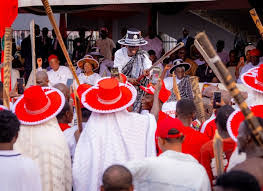 Nigerian Eyo -festivaali juhlistaa kulttuuria matkailun katalysaattorina">

The Eyo Festival and its Role in Nigerian Tourism
The vibrant Eyo Festival recently held at Tafawa Balewa Square in Lagos underscores the profound influence of cultural heritage on Nigeria’s tourism prospects. At the event’s grand finale, high-profile participants emphasized how traditional festivals like Eyo serve as powerful symbols of national identity and can significantly elevate tourism development through cultural appreciation.
The festival is notable for the striking sight of white-robed Eyo masquerades parading the city streets, a spectacle that vividly projects Nigeria’s rich identity and heritage to both local and international audiences. This event, celebrated after an eight-year hiatus, marked not only a cultural homecoming but also a reaffirmation of the nation’s tourism ambitions centered on authenticity and tradition.
Honoring History and Heritage Through Festivities
The 2025 edition of the Eyo Festival paid tribute to distinguished deceased Lagos personalities, celebrating their remarkable contributions to society. The carnival, described as a rekindling of culture, actively promotes the values and traditions of Lagos, creating a festive environment that attracts both Nigerians in the diaspora and international visitors, particularly during the peak festive period known as “Detty December.”
The event was characterized by colourful traditional dances, indigenous music, and cultural displays, concluding with a procession of various Eyo groups followed by unified prayers for the nation’s prosperity and peace. The synergy between cultural expression and tourism potential was palpable throughout the festival.
The Cultural Tourism Advantage
Cultural tourism has gradually established itself as a critical component of destination marketing worldwide. Across the globe, tourists increasingly seek authentic experiences connected directly to local heritage, traditions, and community life. Festivals like the Eyo encapsulate this desire, offering immersive insights into the lifestyle and values of the Nigerian people.
Tradition-based tourism is not merely about entertainment; it provides a bridge linking the present to the past. By engaging in cultural festivals, visitors enrich their understanding of a country’s identity while contributing to the socio-economic wellbeing of host communities.
Cultural Tourism Components
| Element | Description |
|---|---|
| Performing Arts | Includes traditional dances, theatre, and music reflecting the region’s folklore and history. |
| Festivals and Events | Cultural gatherings that celebrate shared heritage, providing platforms for community interaction and visitor attraction. |
| Heritage Sites | Historic locations and monuments that narrate the historical trajectory of a culture or nation. |
| Educational Tours | Guided experiences aimed at deepening tourists’ knowledge of cultural backgrounds and practices. |
Historical Context of Cultural Tourism in Nigeria
Nigeria’s journey toward developing its tourism industry has been closely intertwined with its vibrant cultural landscape. Established efforts date back to the early 1960s with foundational organizations such as the Nigeria Tourist Association and Nigeria Tourism Board which aimed to systematize and promote tourism activities.
Despite challenges during various political eras that limited structured growth, Nigeria has recognized the importance of cultural assets as facilitators of socioeconomic development. Tailored tourism policies and masterplans launched since the 1990s focused heavily on leveraging cultural festivals, heritage sites, and urban tourism hubs like Lagos, Abuja, and Benin City.
The government and private sectors have sought to stimulate tourism through better infrastructure, security measures, and dedicated festival programs, seeing traditional celebrations as critical tools for attracting both domestic and international visitors.
Evolution of Nigerian Tourism
- 1960s-1980s: Formation of tourism bodies and early promotion of cultural sites.
- 1990s: Introduction of national tourism policies and emphasis on heritage preservation.
- 2000s to Present: Revitalization of key festivals like Eyo, increased investment in tourism infrastructure, and focus on identity-driven marketing.
The Future of Cultural Tourism in Nigeria
The revival of events such as the Eyo Festival signals promising trajectories for Nigeria’s tourism sector. As cultural festivals gain traction worldwide for driving visitor numbers and extending tourist stays, Nigeria stands at the threshold of amplifying this trend by showcasing its rich traditions and urban vibrancy.
The country’s diverse cultural festivals, historic cities, and unique landscapes can serve as compelling reasons for expanding tourism offerings. Furthermore, encouraging national and international tourists during peak festival seasons can stimulate economic activities, create jobs, and foster community pride.
Potential Growth Factors
- Integration of cultural events with broader tourism strategies to diversify visitor experiences.
- Enhanced infrastructure in transport and accommodation supporting festival attendance.
- Focus on safety and visitor satisfaction to build positive destination reputations.
- Promotion of cultural heritage through digital platforms reaching global audiences.
Päätelmä
The Eyo Festival encapsulates the essence of Nigeria’s cultural heritage and its pivotal role in advancing tourism. By celebrating history, tradition, and community spirit, it provides a vivid example of how culture can fuel destination promotion and economic development. As festivals grow in popularity among tourists seeking authentic experiences, Nigeria’s focus on cultural tourism aligns perfectly with global trends favoring heritage and event-based travel.
With coastal cities like Lagos being hubs where vibrant cultural displays meet dynamic urban life, the synergy with maritime activities becomes evident. Sailing enthusiasts and yacht lovers visiting the Gulf of Guinea region can enrich their adventures by aligning their voyages with these cultural highlights, making for a truly memorable boating and travel experience. For those looking to rent sailing boats, yachts, or explore marinas nearby, the combination of sea and culture offers an idyllic blend of relaxation and discovery.
To tap into Nigeria’s diverse yachting destinations and cultural experiences, GetBoat.com provides an international marketplace for renting sailing boats and yachts tailored to every taste and budget, perfect for explorers eager to navigate the waters while immersing themselves in authentic festivities.