


 Suomi
Suomi  English (UK)
  Русский
  العربية
  日本語
日本語  한국어
한국어  Magyar
  Türkçe
  Español
  Čeština
  Svenska
  Português
  Ελληνικά
  Nederlands
  Română
  Italiano
  Français
  Polski
  Українська
  Deutsch
  简体中文
简体中文  Slovenčina
 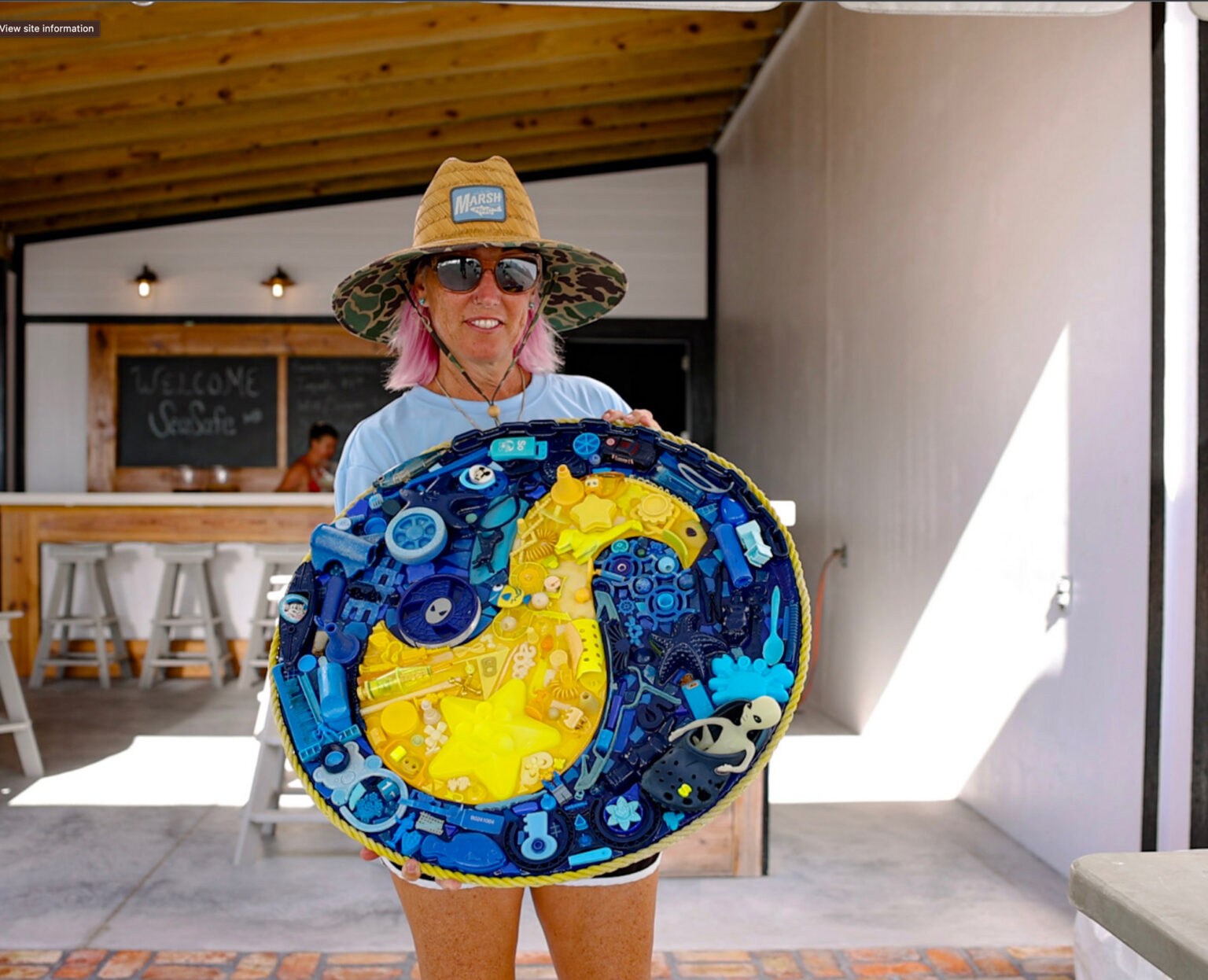 How Clams and Mangroves Rebuilt Florida Waterways">

Enemmän kuin 81 million clams have been seeded and tens of thousands of mangroves planted across Brevard County, with logistics staged from volunteer hubs and donated supplies — including pallets of buckets from Star brite — to distribute seedlings and shell stock to restoration sites. The coordinated efforts culminate in annual hands-on events (next major one: April 22–26, 2026 at the Old Fish House Bar & Grill) where anglers, boaters, students, and scientists move equipment by truck and trailer, deploy clams from skiffs, and replant mangroves along eroding shorelines.
Operational Setup: From Buckets to Boats
Restoration on this scale depends on simple, repeatable logistics: nursery propagation, staging, transport by small craft, and deployment crews organized by shoreline segments. Seedlings are grown in backyard nurseries and converted lots, then boxed and palletized for short-haul transfer to marinas and launch points. Clams are matured in aquaculture pens and then released from boats in shallow beds to maximize filtration benefits. Volunteers are briefed on tide windows and GPS coordinates so the teams operate like a flotilla with a plan — no one’s winging it.
Supply Chain and Volunteer Flow
- Tarvikkeet: Buckets, trays, seedlings, shell substrate, and PPE — often donated by regional brands and local shops.
- Kuljetus: Trucks to marinas, trailers to launch ramps, and small boats to nearshore sites.
- Timing: Low-tide planting windows, weather contingencies, and school schedules inform event timing.
- Data: Simple monitoring protocols capture survival rates, water clarity, and seagrass recovery.
Ecological Methods: Mangroves and Clams as Natural Infrastructure
Mangroves act as living seawalls, reducing erosion and dissipating storm surge energy, while clams provide day-to-day filtration that helps clear the water column. These are not flashy engineering projects — they’re biological infrastructure. Planting mangroves stabilizes sediment, protects boat ramps and small marinas, and creates juvenile fish habitat that supports recreational fisheries. Clam beds can filter large volumes of water each day, aiding seagrass recovery and enhancing visibility for divers and charter operators.
Key Metrics
| Metric | Quantity | Primary Benefit |
|---|---|---|
| Clams seeded | 81,000,000+ | Water filtration; nutrient reduction |
| Mangroves planted | Tens of thousands | Shoreline stabilization; habitat creation |
| Pallets of buckets donated | Multiple | Seedling transport and nursery scaling |
| Annual volunteer days | Multiple (including April 22–26, 2026) | Community engagement and deployment |
Community Mobilization and Partnerships
The operational backbone is a patchwork of nonprofits, academic labs, small businesses, and boat crews. Project SeaSafe — coordinated with conservation partners, local schools, and scientists like Dr. Todd Osborne and collaborators such as Blair Wiggins — uses outreach, training, and on-the-water workdays to turn casual beachgoers into citizen stewards. That’s the secret sauce: you don’t need a full-time marine biologist to rake a shoreline or help bag a mangrove seedling; just show up with sunscreen and a willingness to get your hands wet.
How Boaters and Renters Get Involved
- Book a volunteer charter or join a marina-hosted clean-up.
- Coordinate with local captains to access shallow restoration sites.
- Bring lightweight gear; follow briefings on tide and habitat rules.
- Log observations — survival, turbidity, and wildlife — to help long-term monitoring.
Practical Tips for Sailing and Renters
If you captain a rental yacht or run charters, consider partnering on a restoration morning — it’s great PR and the crew learns local ecology firsthand. Align trips to avoid sensitive transplant zones and mark restored beds on navigation charts to prevent anchor damage. As one longtime volunteer put it, you’ve got to “leave the sea better than you found it” — and that’s good for business too: clearer water means happier guests and healthier fishing grounds.
Measuring Impact and Next Steps
Monitoring combines simple field protocols and community reporting. Survival rates of mangrove seedlings and filtration metrics from clam beds are tracked over seasons to set priorities for future sites. Land-preservation efforts run in parallel, preventing development in critical buffer zones so restoration isn’t undone by construction. The nonprofit arm buys and safeguards parcels for science, aquaculture, and public access, keeping the sites available for future restoration and boating activities.
In short, a hands-on, community-led model has scaled local restoration into a logistics-savvy operation: nurseries, donated supplies, launch logistics, volunteer coordination, and scientific oversight all working in concert to improve water quality and coastal resilience.
The takeaway: coordinated planting of mangroves and seeding of simpukoita can shift sediment dynamics, boost water clarity, and protect marina infrastructure while engaging anglers, captains, and yacht owners. For those in the yachting and charter world, supporting or joining these efforts preserves your playground — from beach to gulf — and keeps clearwater near marinas for boating, fishing, and family days on the water.
Wrap-up: The restoration program demonstrates that scalable logistics, community volunteers, and targeted biological solutions deliver measurable benefits — improved water quality, stabilized shorelines, and enhanced habitat. Whether you rent a boat, captain a yacht, plan a charter, or run a marina, these initiatives matter: they protect beaches and marinas, sustain fishing and yachting activities, and keep the sea, ocean, and local Destinations vibrant for future superyacht and small-boat use. In short, investment in clams, mangroves, and community is an investment in yachts, charters, boats, marinas, sailing, captains, fishing, and all things boating — and that’s not just talk; it’s common sense for anyone who loves the water.