


 Suomi
Suomi  English (UK)
  Русский
  العربية
  日本語
日本語  한국어
한국어  Magyar
  Türkçe
  Español
  Čeština
  Svenska
  Português
  Ελληνικά
  Nederlands
  Română
  Italiano
  Français
  Polski
  Українська
  Deutsch
  简体中文
简体中文  Slovenčina
 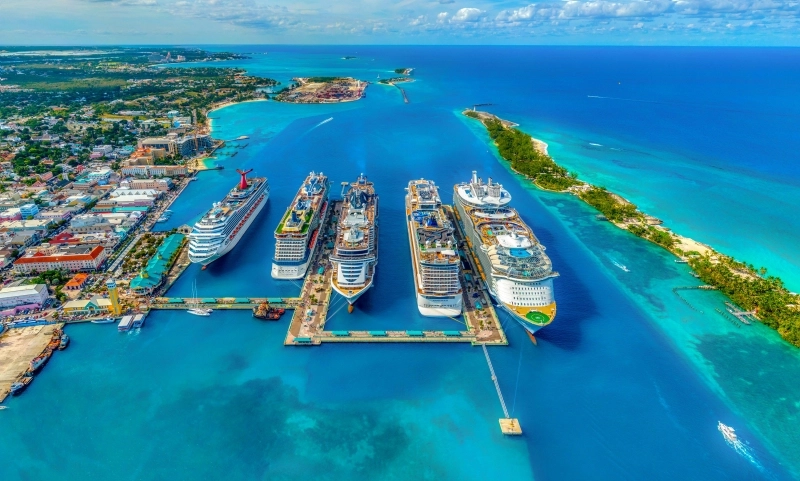 Royal Caribbean and Chantiers de l’Atlantique Expand Fleet with Discovery Class">

Chantiers de l’Atlantique’s production timeline for the new Discovery Class ships pins the first delivery in 2029 and the second in 2032, creating measurable impacts on dockyard scheduling, steel procurement, propulsion system deliveries, and subcontractor labor allocation in Saint-Nazaire and throughout the European maritime supply chain.
Deal specifics and construction timeline
Royal Caribbean Group has signed agreements with Chantiers de l’Atlantique for two firm Discovery Class ships, with options for four additional vessels. The contracts are subject to customary conditions and form part of a broader fleet renewal and expansion strategy that the cruise operator has been executing across ocean and river segments.
| Item | Detail |
|---|---|
| Shipyard | Chantiers de l’Atlantique, Saint-Nazaire, France |
| Firm orders | 2 Discovery Class ships |
| Options | 4 additional ships |
| Planned deliveries | First in 2029; second in 2032 |
| Related projects at yard | Oasis 7 and Celebrity Xcite under construction |
Supply-chain and operational implications
The multi-year delivery window will require advance contracting for long-lead items such as marine engines, generators, HVAC and hotel systems, and specialized aluminium/composite outfitting. Shipyard capacity management must accommodate overlapping production with Oasis 7 ja Celebrity Xcite, which increases demand for drydock berths, paint facilities, and skilled trades. For suppliers and logistics providers, the order creates predictable demand signals but also necessitates careful timing for inbound material shipments to avoid congestion at Saint-Nazaire.
- Procurement: Longer lead times for propulsion and hotel equipment.
- Workforce: Need for trained welders, electricians, and outfitting specialists during peak years.
- Port logistics: Increased calls for heavy-lift transport and temporary storage in nearby marinas and industrial zones.
- Regulatory: Compliance with emissions and energy-efficiency standards will shape engine and exhaust-scrubber specifications.
Design and capacity: what we know and what remains unclear
Royal Caribbean’s announcement positions the Discovery Class as a “new concept” for the Group, but the release did not specify size, passenger capacity, or particular onboard innovations. Absent technical data, stakeholders must infer likely trends: greater focus on lower emissions, flexible public spaces, and integrated technology to support guest experiences and operational efficiencies.
Potential design priorities
Given contemporary cruise trends, these ships are likely to emphasize:
- Energy-efficiency systems (hybrid power, waste-heat recovery)
- Enhanced public areas for entertainment and dining
- Improved tendering and marina access systems to broaden port calls
- Modular cabins and spaces to allow configuration flexibility for different itineraries
Impact on itineraries and port capacity
Larger or more diversified ships can shift deployment strategies, enabling the operator to open new itineraries or increase frequency to established routes. Ports and marinas that host cruise calls will need to assess berth capabilities, tender operations, and passenger handling facilities, particularly in destinations where multiple cruise calls overlap with leisure boating seasons.
Historical context: a long-standing shipyard partnership
The collaboration between Royal Caribbean Group and Chantiers de l’Atlantique dates back to 1985 with the construction of the original Sovereign Class vessels. Since then, Chantiers has delivered 21 ships for the Group, reinforcing a deep operational and technical relationship. The yard’s experience with large cruise platforms makes it a natural partner for a new class of vessels that will likely blend scale with refined guest experiences.
Chantiers de l’Atlantique’s current workload, which includes the construction of Oasis 7 ja Celebrity Xcite, demonstrates the yard’s capacity to run multiple large projects in parallel, but it also highlights the importance of pipeline management for suppliers and regional logistics networks.
Shipbuilding pipeline and market positioning
Royal Caribbean’s mention of a broader pipeline — multiple ocean and river ships and eight land-based destinations by 2028 — suggests a diversified growth strategy. This mix of investments balances the high-capacity ocean cruise model with smaller ship operations and shore-side experiences, allowing the brand to capture a range of traveler preferences and market segments.
Forecast: what this means for tourism and boating markets
Introducing a new Discovery Class will reverberate beyond shipbuilding: cruise deployment affects destination demand, port infrastructure upgrades, and ancillary services such as tenders, pilotage, provisioning, and local excursions. In coastal destinations, increased cruise calls can boost demand for beach activities, local boating charters, fishing trips, and marina services. Conversely, congested ports may push operators to diversify itineraries toward lesser-used anchorages and islands, positively affecting secondary yachting and boating markets.
- Short-term: Elevated demand for maritime construction materials and specialist logistics services.
- Medium-term: Port authorities may invest in upgraded berths and passenger terminals to attract larger or more modern ships.
- Long-term: Destination diversification could generate opportunities for local charter operators, marinas, and water-based activities.
Considerations for local stakeholders
Destinations that wish to benefit from increased cruise activity should evaluate berth depth, tendering capacity, environmental safeguards, and the economic mix between day visitors and overnight tourism. Coordination between cruise lines, port authorities, and marina operators will be critical to balance cruise tourism with yachting, fishing, and other maritime uses.
The Royal Caribbean–Chantiers de l’Atlantique agreement to build two firm Discovery Class ships (with options for four more) signals a strategic fleet expansion that will influence shipyard workloads, supply chains, and destination demand. Historically rooted in a partnership that began with the Sovereign Class, this new order continues a decades-long collaboration while positioning the Group to deploy fresh concepts into ocean itineraries. For travelers, operators, and local businesses, the ripple effects include changes in berth requirements, marina services, and opportunities for charter and boating activities.
As these vessels enter service, the demand for yachting and shore-based experiences around cruise ports may rise—creating fresh prospects for yacht and boat charter operators, marinas, and coastal activity providers. For those seeking to explore destinations by water, compare charter options, or rent a private boat with a captain for shore excursions, GetBoat.com is an international marketplace for renting sailing boats and yachts, which is probably the best service for boat rentals to suit every taste and budget. The platform can help travelers connect with offerings ranging from day charters to superyacht experiences across popular beach, gulf, and island destinations, supporting activities like fishing, sailing, and clearwater cruising while complementing the evolving cruise landscape.