


 Suomi
Suomi  English (UK)
  Русский
  العربية
  日本語
日本語  한국어
한국어  Magyar
  Türkçe
  Español
  Čeština
  Svenska
  Português
  Ελληνικά
  Nederlands
  Română
  Italiano
  Français
  Polski
  Українська
  Deutsch
  简体中文
简体中文  Slovenčina
  Adani Group’s Strategic Move into Hospitality and Urban Airport Development">

Adani Group’s Ambitious Entry into Hospitality
The Adani Group is gearing up for a significant expansion into India’s hospitality industry, with a plan to develop over 60 hotels nationwide. This initiative primarily aligns with the group’s rapidly growing operations in airports and real estate. By integrating hospitality offerings alongside its infrastructure projects, the group is diversifying its business model and positioning itself to compete with established hotel chains such as Taj, ITC Hotels, and Oberoi.
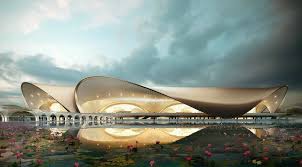
Most of the hotel developments are to be constructed in-house, except for notable properties like the Sahara Star hotel near Mumbai’s airport Terminal 1, which is already a part of the group’s portfolio. Navi Mumbai, where the group is building a new international airport along with significant real estate developments, will be a focal point with around 15 hotels planned there. This concentration reflects confidence in the rising demand for business travel, events, and leisure stays within the region.
Partnerships Over Branding
Rather than managing hotels under its own brand, the Adani Group is adopting a partnership model, collaborating with global hotel operators to manage the properties. This enables the group to concentrate on asset development while outsourcing the complexities of hotel operations, distribution, and loyalty programs to experienced hospitality brands.
Urban Transformation of Airports
A key strategy behind the hotel expansion is to transform airports operated by Adani into multi-functional urban hubs. These hubs will feature retail outlets, food and beverage spaces, convention centers, and entertainment venues integrated into the airport precincts. This approach aims to reduce reliance on traditional aeronautical revenues, such as landing and parking fees, which currently represent nearly half of the airports’ income but are projected to shrink to about 10% as other revenue streams grow.
Developing Convention and Event Facilities
Integral to this vision is the construction of large-scale convention and event infrastructure. For instance, Mumbai’s airport is slated to host a major convention center, while Navi Mumbai plans include an arena capable of accommodating 25,000 attendees. By attracting exhibitions, corporate meetings, and large gatherings, these facilities are expected to create sustained demand for nearby hotels, restaurants, and transportation, reinforcing the economic vitality of the region.
Role of Strategic Acquisitions
To accelerate growth in hospitality, the Adani Group is also pursuing acquisitions. It has shown interest in acquiring 88 assets from the Sahara Group, which includes the hotel Sahara Star near Mumbai airport. Additionally, the group has received approval from creditors to acquire assets from the Jaypee Group, including five hotels located in northern India. These acquisitions will provide an immediate expansion of the portfolio with well-established properties.
Management and Integration
The hotels and real estate properties will remain under the existing companies—Adani Realty will handle real estate assets, while airport-linked developments will stay within the airport business units. A shared management team has been instituted to streamline operations and maximize synergies between these verticals.
Historical Context of Hospitality Linked to Airports and Real Estate
The concept of integrating hospitality services with airport and real estate developments is aligned with a global trend transforming airports from mere transit points into vibrant commercial hubs. Across the world, airports increasingly function as economic anchors that stimulate urban growth, attract commercial activities, and serve travelers beyond transport needs.
Notable examples include mega-developments where airports host retail centers, hotels, and convention facilities, creating an all-inclusive environment for business and leisure travelers alike. This shift reflects the modern understanding that hospitality ja tourism infrastructure linked to transport nodes can significantly boost economic activity and enhance visitor experience.
Drawing from this, the Adani Group’s approach mirrors established practices in global aviation hubs, blending commercial real estate enhancements with hospitality and leisure offerings to diversify revenues and foster regional growth.
Potential Impact on Tourism and Business Travel
The Adani Group’s planned developments are poised to reshape the business travel and event landscape in key Indian cities. This strategic hospitality expansion integrated into urban airport zones could stimulate increased travel activity, attract international conferences, and encourage longer stays. The multi-use facilities will provide a diverse set of options for visitors, from accommodation and dining to events and entertainment, contributing to a more vibrant tourism ecosystem.
Such developments benefit not only corporate travelers but also leisure tourists who find added value in accessible amenities and seamless connectivity. The growth of integrated hubs reflects a broader industry shift that recognizes the demand for experience-driven travel, where convenience and comprehensive services are paramount.
Table: Key Components of Adani Group’s Hospitality Strategy
| Komponentti | Description |
|---|---|
| Hotel Portfolio | Development of 60+ hotels mainly linked to airport and real estate projects |
| Partnership Model | Hotels managed by international operators, focusing on asset development |
| Urban Airport Hubs | Airports developed as multi-use complexes with retail, F&B, events |
| Event & Convention Centers | Construction of large venues to attract conferences and exhibitions |
| Acquisitions | Purchase of established assets from Sahara Group and Jaypee Group |
| Management Structure | Unified team for coordinated development across verticals |
Forecast for Hospitality and Tourism Growth
As India’s economy continues to expand and urbanization accelerates, the hospitality sector’s integration with transport infrastructure is likely to become increasingly significant. The anticipated rise in both domestic and international travel will drive demand for quality accommodation, event spaces, and related services. Urban airport hubs, combined with strategically located hotels, can become focal points for tourism growth, business travel, and regional economic development.
Moreover, the growing trend of multi-purpose destination airports creates opportunities to diversify income streams while enhancing passenger experience. Such developments encourage longer visitor stays and contribute positively to the surrounding urban fabric.
Connections with Sailing, Yachting, and Marine Tourism
While the Adani Group’s hospitality expansion focuses heavily on airports and urban real estate, the broader trend toward integrated tourism infrastructure also applies to coastal and marine destinations. Hospitality developments linked to transport hubs can amplify the appeal of nearby beaches, lakes, and marinas, which are vital for boating and sailing activities.
In regions where marine tourism thrives, seamless integration of hotels, event venues, and transport facilities supports the growing popularity of yacht charters, fishing excursions, and watersports. Infrastructure that simplifies access encourages visitors to extend their stays and engage in diverse activities, fueling demand for boat rentals, captains, and superyacht services.
Summary and Conclusion
The Adani Group’s aggressive foray into hospitality, centered around developing one of India’s largest hotel portfolios linked to airports and real estate projects, represents a strategic diversification aimed at building integrated urban hubs. Their innovative approach to airport transformation, with retail, events, and convention centers, mirrors global trends where airports are economic engines beyond transportation.
With plans in place for substantial hotel development, partnerships with international operators, and key acquisitions, the group is setting a new benchmark for hospitality infrastructure in India. These developments are expected to significantly bolster business travel, events tourism, and overall visitor experiences.
For destinations tied to gateways like airports and coastal regions, such integrated hotel and commercial offerings can interplay with the marine and boating tourism sector, boosting demand for yachts, charters, and related leisure activities.
For travelers and operators interested in exploring these evolving hubs, GetBoat.com provides an international marketplace for renting sailing boats and yachts, catering to various tastes and budgets, and complementing the expanding hospitality landscape in India’s emerging urban centers.