


 Suomi
Suomi  English (UK)
  Русский
  العربية
  日本語
日本語  한국어
한국어  Magyar
  Türkçe
  Español
  Čeština
  Svenska
  Português
  Ελληνικά
  Nederlands
  Română
  Italiano
  Français
  Polski
  Українська
  Deutsch
  简体中文
简体中文  Slovenčina
 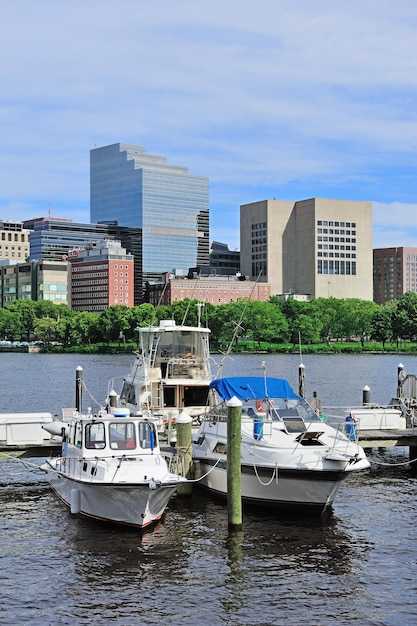 New York Boating Guide – 6 Top Spots for Boating in New York">

Launch at the erie coast ramps with trailers prepped, and plan a water-first day. This approach keeps driving time low and lets you focus on a perfect outing with family and friends.
Spot highlights include Lake George, a 32-mile lake with sheltered bays ideal for day trips; Lake Champlain between NY and Vermont offers wide open water and wind-friendly routes; Hudson River runs from Albany to NYC with easy ramps in Kingston, Poughkeepsie, and Troy and a dramatic face of city water; Oneida Lake in central NY provides several launch points and shallow areas great for children; Niagara River near Buffalo features scenic currents and wildlife; erie coast around Buffalo delivers broad bays and late-summer warmth.
Gear and safety matter: every motorized boat should carry PFDs for all passengers, a throwable device, and navigation lights for after-dark travel; registration and a valid license or certificate are a requirement where required by state law; observe no-wake zones, respect docks, and mind currents and wind that shift across areas and rivers.
Planning and timing reduces risk and keeps the day enjoyable; plan around the least crowded times: early mornings on weekends or weekdays in shoulder seasons; check weather and wind forecasts, especially around the erie coast and the river sections; have a backup launch spot in case of fog or crowding; bring sun protection and snacks.
On-water tips keep a simple plan and mind the surroundings; there are areas where paddlers and boaters share space, so stay in marked lanes and face the main wind with a stable stance; use the most practical launch options and keep speed moderate to protect shoreline and wildlife; after your run, note which ramps and parking worked best and store this for a future trip that offers a calm water scene.
New York Boating Guide
-
Lake George
Kick off a day on this waterbody with a calm morning cruise. Also consider bringing a canoe for quiet coves and a small boat for exploring open sections. Additionally, rental fleets provide PFDs and basic charts; if not, bring your own. To protect lakes and shoreline, keep wake low near swimmers and wetlands, and carry a simple trash bag to leave no trace. Times of peak activity are summer weekends, so start early for smoother passes and easier parking. This would help beginners gain confidence while keeping more experienced boaters on friendly routes.
- Launch options: public ramps at nearby parks and marina lots; check local rules in advance
- Safety: life jackets for each person; bring a signaling device and a whistle
-
Hudson River
The Hudson runs through towns, farms, and cityscapes; a modest motor boat balances range and handling. You can also use a canoe in calmer sections farther from the river mouth. Also keep a weather eye and monitor local advisories; if winds pick up, head back to shore. Ramps and convenient docks line the river, and owners along the route share tips on safe routes. Plan a route that passes state parks and historic sites for a varied day that blends urban and rural scenery.
- Launch: public ramps in towns along the river; confirm parking rules
- Safety: life jackets for all; VHF radio or mobile signaling device
-
Lake Ontario
Big-water conditions require preparation; check a reliable forecast before leaving. The lake offers long horizons; a larger day cruiser provides steadier handling, while canoes and kayaks excel in sheltered bays. Also bring a GPS device to mark a return point and warn others of your route. Owners of rental fleets often provide briefings on local currents and recommended ramps; use protected launches in ports during high wind times. Expect cooler water even in summer and dress accordingly.
- Launch options: Oswego, Sackets Harbor, and other ports have ramps
- Safety: life jackets for all; signaling device; consider cold-water gear
-
Niagara River
The Niagara River offers dramatic scenery but strong currents near the falls; use a capable craft and avoid restricted zones. For a first outing, choose calm coves away from rapids. Also always stay a safe distance from the river’s mouth and bridges; observe seasonal restrictions and no-wake zones. The route can connect with state parks along the gorge, making it easy to combine a hike with a lake plan. This would suit confident boaters who plan ahead and respect limits.
- Launch: public ramps at parks along the river; mind seasonal closures
- Safety: always wear a PFD; carry a signaling device; know nearby rescue services
-
Finger Lakes
The Cayuga and Seneca lakes offer a family-friendly playground for boats and canoes, with gentle coves and less traffic than big lakes. Also, you can rent from local outfits; most fleets provide PFDs and simple maps. Addition to gear, visit during late spring or early fall when water is clearer and crowds are smaller. These lakes connect to smaller creeks and streams, providing a flexible plan for a day on the waterbody with opportunities for fishing, swimming, and shore picnics that the whole group enjoys.
- Launch options: numerous public ramps around Ithaca, Geneva, and other towns
- Notes: water quality varies by season; bring sun protection and hydration
-
Lake Champlain
Running along the NY-Vermont border, this lake offers broad horizons and windy afternoons; plan to check weather and wind reports. A mid-size boat or a stable sail or motor craft works well for exploring bays and islands. Also keep to designated channels and respect speed zones to protect other boaters and swimmers. The area features state parks on both sides; consider a cross-border outing with proper documentation and a plan for return times. This waterbody rewards careful planning and patience on busy days.
- Launch options: towns on the western shore in NY; cross-border launches require extra checks
- Turvallisuus: pelastusliivit jokaiselle; varmista, että laitteiden akut ovat ladattuja
3 Thousand Islands: Reittien suunnittelu, ankkuripaikat ja kiinnitysvaihtoehdot

Vesillelasku Claytonin satamasta aamunkoitteessa tarjoaa nautinnollisimman kokemuksen vesistössä. Valmistele henkilökohtaiset varusteet perheen päivää varten: takit lapsille ja aikuisille, kelluntaliivit ja kuivat pussit. Pidä vesillelaskuvälineet järjestyksessä laiturilla ja ota mukaan pieni ankkuri tai ajankeräin vakaata asentoa varten. Tyypilliset retket sisältävät useita tunteja vesistössä; varaudu runsaaseen maisemaan ja rauhallisiin poukamiin. Tarkista määräykset ennen lähtöä; pysy merkityillä vesiväylillä ja noudata opasteita. Jos vedät perävaunua, pysäköi se rampin alapuolella olevalle perävaunualueelle, ellei sinulla ole paikallista lupaa. Yksinkertaiseen melontaan kanootit toimivat hyvin näissä olosuhteissa; voit yhdistää lasten melojat aikuisten kanssa, ja reitit ovat joustavia. Etsi suojaisia poukamia, joissa tuuli pysyy alhaisena, ja valitse reitit, jotka tarjoavat turvalliset vesillelasku- ja rantautumismahdollisuudet. Tämä lähestymistapa auttaa sinua pysymään järjestyksessä ja hyödyntämään päiväsi ulkona parhaalla mahdollisella tavalla.
Reitit ja kurssit tarjoavat vaihtoehtoja jokaiselle ryhmälle. Reitti 1 – Perhelenkki: aloita Claytonista, melo pääkanavaa kohti Wellesley Islandin suojaisia lahtia ja palaa rauhallisempia poukamia pitkin. Ankkuripaikkoja ovat muun muassa suuren saaren suojaisa ranta tai suojaisa poukama, jossa voit syödä välipalaa ajelehtimatta. Varaa aikaa 2–3 tuntia, noin 6–10 kilometriä kanootilla tai kajakilla, ja etsi alueita, joissa on matalaa vettä ja hyvät mahdollisuudet tarkkailla villieläimiä. Reitti 2 – Saarihyppely: pidempi retki, joka suuntautuu kohti Chippewa Bayta ja lähellä olevia pikkusaaria, pysähtyen keskipäivän tauolle suojattuun poukamaan. Käytä peräankkuria tai pieniä köysiä pysyäksesi paikallasi lintuja tai kilpikonnia etsiessäsi. Reitti 3 – Auringonlaskun risteily: rento melonta alavirran osuuksia pitkin, päättyen lähelle julkista vesillelaskupaikkaa nopeaa paluuta varten; tämä vaihtoehto sopii tyypillisesti lasten koulun päättymisen jälkeen tai lyhyempinä iltoina. Jokainen kurssi seuraa näkyviä vesiväyliä ja pitää sinut alueilla, joilla vesillelasku ja rantautuminen ovat suoraviivaisia.
Kiinnitysvaihtoehdot ja ankkurointiin sopivat paikat pitävät päivän joustavana. Yleiset luiskat Claytonissa ja Alexandria Bayssä tarjoavat käytännöllisen tavan laskea vesille ja nostaa vene ylös; venesatamat hoitavat myös vieraspaikkoja, jos soitat etukäteen. Ankkurointitaukoja varten käytä vedenpinnan nousukohtia, joissa voit ankkuroitua pienen saaren suojaiselle puolelle tai kahden luodon väliin; vältä voimakkaita virtauksia pääkanavan lähellä. Jos sinun on jätettävä varusteita, valitse ranta tai matala alue, josta on selkeä pääsy veteen, ja pidä henkilökohtaiset tavarasi vedenpitävissä pusseissa. Siirtyessäsi alueiden välillä, seuraa virtausten suuntia ja tarkkaile kelluvaa roskaa, joka voi tarttua köysiin. Perävaunuille käytä luiskalle lähinnä olevaa pysäköintialuetta; ellei sinulla ole lupaa, vältä pysäköintiä rajoitetuilla alueilla. Tämän alueen vesireiteillä on runsaasti tilaa vesillelaskuun, kiinnittymiseen suopuroihin ja kiinnittymiseen pienille yleisille laitureille.
Lake George: Yleiset vesillelaskupaikat, venesatamapaikat ja tankkauspisteet
Suunnittele aloittavasi julkisesta vesillelaskupaikasta ennen klo 8 aamulla pysäköinnin helpottamiseksi ja nopeampaa pääsyä varten. Noudata sitten kunkin kohteen ilmoitettuja aukioloaikoja välttääksesi sulkemisia tai sakkoja. Tällaiset vesillelaskut edellyttävät, että otat mukaan perusasiat: turvallisuussuunnitelman, henkilökohtaiset kelluntalaitteet jokaiselle matkustajalle ja rungon tarkistuksen ennen lähtöä. Oprhp:n huomautukset ja paikalliset tiedotteet ohjaavat, mistä voit laskea vesille, pysäköidä ja noutaa perävaunusi vaivattomasti.
Yleiset vesillelaskupaikat sijaitsevat järven ympärillä esimerkiksi Lake George Villagessa, Bolton Landingissa ja Haagissa, ja niissä on rinteitä, jotka soveltuvat sekä yhden että useamman veneen laskuun. Jokaisella paikalla on ramppi, rajoitettu pysäköintitila trailereille ja peruspalvelut; viikonloppuisin on odotettavissa ruuhkia sesonkiaikana. Rantaviivan varrella olevat puistot tarjoavat kätevät pääsypaikat nopeaan lähestymiseen, ja lähistöltä löytyy usein jokia ja lahtikanavia, jotka kannattaa tutkia tarkemmin tyynenä aamuna.
Veneyhteydet ulottuvat vesillelaskuja pidemmälle polttoaineen tankkaukseen, septitankin tyhjennykseen ja tilapäiseen kiinnittymiseen. Useimmilla venesatamilla on ilmoitetut aukioloajat, sään vaikutus saatavuuteen ja henkilökuntaa, joka voi auttaa lyhyen vierailun tai pidemmän oleskelun järjestämisessä. Jos aiot käyttää tunnetun brändin tai paikallisen perheyrityksen venesatamaa, soita etukäteen varmistaaksesi polttoainelaiturit, laituripaikkojen saatavuuden ja mahdolliset vaadittavat varaukset, erityisesti lomien tai vilkkaiden viikonloppujen aikana.
Tankkauspisteet sijaitsevat niille varatuilla laitureilla, joissa on esillä hinnat ja maksutavat, joten pidä luottokortti valmiina. Tankkaa aina poissa laituripaikalta, äläkä koskaan avovedessä lähellä runkoja tai muita aluksia. Vesiskootterit ovat sallittuja joillakin alueilla, mutta niiden on noudatettava sääntöjä, mukaan lukien tyhjäkäyntinopeus hiljaisilla alueilla sekä toisten veneilijöiden ja rannikkoliikenteen kunnioittaminen. Ota mukaan kannettava sammutin äläkä koskaan tankkaa myrskyn aikana tai vilkkaiden vesillelaskupaikkojen aiheuttaman melun aikana.
Suunnittelussa kannattaa tarkistaa yksinkertainen ja käytännöllinen suunnitelma, jossa on huomioitu polttoaineen tarve, odotettavissa oleva liikenne ja sää. Tällainen suunnittelu auttaa välttämään viivästyksiä ja varmistaa, että voit liikkua alueiden välillä sujuvasti, olitpa sitten ajelemassa kylän rannikolla tai tutustumassa rauhallisiin lahtiin lähellä julkisia puistoja. Tänä aikana tuhannet veneilijät luottavat näihin pääsypisteisiin samalla kun he ovat tietoisia melutasoista ja ympäristöasioista, mukaan lukien jätteiden hävittäminen ja rungon huolto. Jos sinulla on kysyttävää, ota yhteyttä paikallisen venesataman henkilökuntaan tai OPRHP:n toimistoon saadaksesi ajantasaiset säännöt ja ilmoitetut rajoitukset, ja varmista aina Erie-tyyppiset vertailut vain ymmärtääksesi paikallisia standardeja Lake Georgen ainutlaatuisen pääsyn yhteydessä.
Hudsonjoki: Vuorovesi-alueet, aallonestosäännöt ja turvavarusteiden tarkastukset
Tee ennen lähtöä turvallisuustarkastus ja kartoita vuorovesi Hudsonjoella.
Kokemuksesta riippumatta vuorovesi vaikuttaa Hudsonin vesiväylään. Vuorovesi ulottuu Troyaan asti, ja nousu- ja laskuveden välinen aika muuttaa virtojen vaikutusta alukseesi. Hanki ajantasaista tietoa paikallisesta venesatamasta tai virallisesta vuorovesitaulukosta ja suunnittele reittisi pysyäksesi pääväylällä virtauksen ollessa voimakkaimmillaan.
Kieliaaltosäännöt edellyttävät ajamista sellaisella nopeudella, joka ei aiheuta kielivanaa. Yleensä nopeus on pidettävä 5 mph tai alle merkityillä alueilla, ja nopeutta on hidastettava entisestään, kun ohitat laitureita, uimareita tai muita aluksia. Joka tapauksessa noudata opasteita ja käytä maalaisjärkeä välttääksesi lähellä olevien veneiden ja niiden matkustajien häiritsemistä.
Kun suuntaat vesille Yorkin alueilla, pidä mielessäsi ennen kaikkea opasteet ja merkit. Jos muut kysyvät navigoinnista, turvallisin vastaus on edelleen: noudata opasteita, vähennä nopeutta ruuhkaisissa paikoissa ja pidä tarkasti silmällä liikennettä väylällä.
Ennen vesillelaskua, suorita turvavarusteiden tarkastus: varmista, että kaikilla matkustajilla on USCG:n hyväksymät pelastusliivit, joiden tyyppi on oikea heidän kokonsa mukaan, varmista, että yksi heittoliitto on saatavilla, varmista toimiva äänitorvi tai pilli, testaa navigointivalot ja varmista, että akku on ladattu ja VHF-radio toimii. Tarkasta palosammutin, ensiapupakkaus, pilssipumppu ja varaosat ja varmista, että veneen moottori käynnistyy puhtaasti ja käy tasaisesti. Kun olet valmis, kirjaa ylös kaikki huoltotoimenpiteet tai ongelmat, jotta ne ovat tiedossa seuraavan kerran, kun olet tekemisissä veden kanssa.
| Alue/Sääntö | Mitä tehdä |
|---|---|
| No-wake zones | Aja 5 mph tai vähemmän; noudata opasteita; vähennä nopeutta lähellä rantaa ja ankkuroituja aluksia välttääksesi vanan muodostumisen. |
| Vuorovesivirrat | Tarkista vuorovesitaulukot; suunnittele reitit pysyäksesi väylällä; säädä nopeutta ja ohjausta muuttuvien aikojen mukaan. |
| Safety equipment | Kaikilla pelastusliivit yllä; pidä heittoliina helposti saatavilla; merkinantovälineet, valot, sammutin, VHF ja ensiapupakkaus valmiina. |
| Pre-departure checks | Tarkista akku, polttoaine, öljy, potkuri, pilssi ja merikartat; varmista, että moottori käynnistyy tasaisesti. |
| Tuki ja kysymykset | Epäselvissä tapauksissa kysy satamahenkilökunnalta tai Yorksin alueviranomaisilta aluekohtaisia sääntöjä. |
Lake Champlain: Sääolosuhteet, vinkkejä ylitykseen ja satamien saavutettavuus
june ylitysvinkki: suunnittele a calm aamu ja pitää yllään approved pelastusliivi jokaiselle adult laivaan. Käytä device kuten VHF-radio tai GPS, tarkista suunnitelmasi satamamiehistön kanssa ja varmista, että varusteesi covers kaikki turvallisuusvaatimukset täyttäen myöntyä paikallisten sääntöjen mukaisesti.
Sää voi muuttua nopeasti lakes täällä. Rannikoiden läheisyydessä odotettavissa olevat puuskat voimistuvat ja näkyvyys heikkenee sumun vuoksi auringonnousun jälkeen tai ennen auringonlaskua. experience paikallisten kippareiden asiantuntemus on tärkeää, joten seuraa luotettavaa sääennustetta ja ole valmis viivästyttämään tai reitittämään läheiselle harbor if conditions worsen.
Crossing tips: Plan a direct route from Port Kent, NY to Burlington, VT when visibility is good, and stay in the marked channel to protect your hull. Keep to a safe speed near ferries and cruises, and have a backup plan to return to shore in a sheltered harbor. youll check currents on their waterways to adjust your approach. If conditions tighten, abandon the crossing and seek the closest harbor.
Port access and marinas along the lake provide fuel, moorings, and rental boats suitable for adult and families. Burlington Harbor, Port Kent, and Plattsburgh offer well-marked docks, shore power, and secure moorings. For small vessels, consider a sheltered marina in the Shelburne zone or the Essex area, and review property rules and permit requirements to avoid penalties. The perfect option for beginners is a calm, supported rental with an experienced operator, and the property owner should be approved to avoid issues. Always myöntyä with local speed zones and wake restrictions to protect their users and the harbor.
Safety reminders: Everyone should wear PFDs while underway; carry a sound-producing device, a fire extinguisher, and flares as required. Ensure your rental agreement is approved and active, and keep hulls free of damage to maximize performance and safety. In cases of serious violations, penalties can apply, and imprisonment is possible in extreme cases.
addition to safety, keep a simple pre-departure checklist: verify weather, confirm harbor access, ensure sufficient fuel, and pack a spare battery and chart. Add covers for rough days and carry a backup device; this experience will boost confidence for future trips across lakes, waterways, and yorks zone.
Finger Lakes: Mooring etiquette, shoreline access, and scenic cruises
Register your boat in advance and call the marina or nearby marinas to reserve a mooring or guest slip. Boater etiquette starts with a calm approach: travel slowly, align with the wind and current, and keep engines off while tying up. Also check information at the desk about local rules, including which slips are held for transient use, and keep a copy of your registration on board. Everyone should know their responsibilities and communicate clearly with marina staff; if you need a quick tip, talk to george at the dock office for local insights.
Mooring etiquette specifics: this applies to either motorboats or sailboats; yield to other boats entering or leaving moorings, keep a safe distance from anchored craft, and avoid tying across other vessels. Always use a bow or stern line as instructed, and attach fenders so hulls do not rub. If you notice damaged hardware, report it to the marina immediately; do not improvise with damaged cleats or lines. Also, know that not all marinas allow long-term stays; follow approved limits, and unless posted otherwise, rotate craft to give everyone space. Noncompliance may lead to penalties, including fines or imprisonment.
Shoreline access remains a key part of a safe boating day. Use public ramps and beaches at lakes including Cayuga, Seneca, Canandaigua, and Keuka. Respect private shoreline and stay on marked paths; avoid trespassing on docks or marsh edges. Pack out trash, avoid feeding wildlife, and keep noise levels reasonable so residents and wildlife are not disturbed. If you are landing, do so at approved zones only and avoid damaging vegetation or eroding banks; this helps keep access open for everyone.
Trailering, rental, and safety details: when you transport boats between lakes on trailers, use designated ramps and parking areas. Make sure your trailer and tow vehicle are in good condition and that the boat is secured with appropriate tie-downs. If you rent a boat from a local harbor, confirm that your rental includes life jackets and a current registration; take a quick walk-through with the rental staff. If anything is damaged, notify the operator and marina so repairs can be made promptly. Keep information handy; if you have questions, marina staff will provide approved guidance, including where to store trailers and how to dispose of waste.
Scenic cruises offer a rewarding view of the Finger Lakes. Start with Canandaigua and walk the north shore for about 2–3 hours or take a longer loop around Seneca Lake from Geneva to Watkins Glen for 4–5 hours, watching vineyards, gorges, and waterfront towns pass by. Cayuga Lake gives options from Ithaca to Aurora with stops at state parks and historic villages; Keuka Lake’s Y- or S-shaped bends provide intimate scenery. For anyone planning a mix, consider a sunset cruise when light washes the hills and you can spend time on the deck with family and friends; spending time on the water should feel safe, comfortable, and enjoyable for everyone on board. If you eventually cross into the Hudson corridor, plan with separate rules and always carry proper registration and insurance along with an emergency plan.
Niagara River: Scenic cruises, bridge clearances, and safety precautions
Launch only from approved ramps and check bridge clearances before heading toward the falls. Use official launch sites along the Niagara River– Lewiston, Niagara Falls, and Youngstown–where staff provide posted clearance data or can confirm it if asked. Explore the river with everyone aboard, and plan a route that matches your hull and gear.
-
Before launching
- Inspect the hull for damage, secure loose gear, and store items that could shift with a wake.
- Equip everyone with pfds (life jackets); make sure jackets fit all passengers and keep pfds on until you clear the marina area.
- Carry approved flares or electronic distress signals, a VHF radio, and a whistle or horn for sound signaling.
- Check the weather, wind, and visibility; have a plan to return before sunset or if conditions worsen.
- Know the location of your throwable device and ensure it is accessible in rough water.
-
Bridge clearances
- Be aware of major approaches such as Rainbow Bridge, Whirlpool Bridge, and Lewiston-Queenston crossings; always look for posted clearance signs at each access point.
- If you are unsure about a clearance, ask marina staff or the harbor master for confirmation before entering a channel.
- Keep to the center of the channel and avoid lingering near piers or understructure where a hull or mast could face a snag.
-
On-water safety
- Maintain a prudent speed and stay in designated channels; large sightseeing boats may create significant wakes that affect smaller craft.
- Maintain a constant lookout; designate a crew member to monitor markers, other vessels, and the approach of bridges.
- Turn on navigation lights at dusk and maintain a continuous crew briefing for any maneuver near marinas or ferry routes.
-
PWCs and youth operators
- PWCs require approved operator age and adherence to local laws; wear pfds and jackets, and keep pwcs away from swimmers and docks.
- Avoid towing activities in restricted zones and respect speed limits around harbors and waterfronts.
-
Signaling and equipment
- Carry flares, either day or night signals, and a working flashlight for night visibility; verify expiry dates and replace as needed.
- Keep a first-aid kit, a spare paddle or throwable anchor, and a basic repair kit on board.
-
Legal and enforcement notes
- Laws vary between yorks and neighbouring states; respect both countries’ rules when operating near international waters.
- Penalties for violations can include fines; in serious cases, imprisonment might be invoked if safety provisions are ignored or if there is non-compliance with border regulations.
- If asked by an officer, present your vessel name, registration, and crew details calmly and clearly to avoid delays.
-
Practical tips
- Look around for signage and markers before entering any channel; those name of the ramp and the marina helps you stay aligned with local traffic.
- Carry enough water, have a route plan that covers either side of the river, and keep your crew informed about the next waypoint.
- If you’re new to Niagara waters, consider a guided cruise or join a seasoned skipper for your first launch to gain confidence and reduce risk.
- Hudson comparisons apply to river etiquette and marker usage; use the same careful navigation mindset you’d use on the Hudson or other great waterways.