


 Suomi
Suomi  English (UK)
  Русский
  العربية
  日本語
日本語  한국어
한국어  Magyar
  Türkçe
  Español
  Čeština
  Svenska
  Português
  Ελληνικά
  Nederlands
  Română
  Italiano
  Français
  Polski
  Українська
  Deutsch
  简体中文
简体中文  Slovenčina
  Nautical Nuptials – Everything You Need to Know About Boat Weddings">

Book a vessel with a sheltered deck and a seasoned captain to ensure comfort and safety for all aboard, from the first anchor to the post ceremony toast. Married pairs gain predictability when crew, route, and contingency plans are locked in early; confirm weather windows and keep a clear chain of duty for guests and performers alike.
To foster a bohemian vibe while staying practical, pick a vessel with a stable deck and clear handholds for movement. accommodate all guests by reserving space on the central area and a sheltered nook for those prone to seasickness relief. For lean wind days, keep routes short and calm, and schedule the smoother purjehdus windows to fit sesongit.
Glassware should be shatterproof and secured; use straps and stowaway racks to prevent spills, and set up a service area on the vessel to reduce movement. Footwear policy leans toward non-slip wedges or flats for traction. This creates the foundation for an elegant, risk-aware day that respects style and safety for married pairs and guests alike.
Select a venue with visibility and stability: a dockside platform or an offshore site that can service electrics, sound, and glassware. heres how to align logistics: hire a captain with local knowledge, lock a backup plan, and map out anchor times for the post ceremony reception; allow a little buffer between events to keep momentum and comfort for everyone, and ensure there is enough time for photos, toasts, and a spontaneous purjehdus tour of nearby coves.
Craft a menu and bar that match the voyage style, with glassware secured and meals served in steps to avoid crowding on a moving deck. heres a simple sequence: welcome drink, light bites, ceremony, and sunset toast, leaving space for wedges of cake and easy carry-to-vantage points for guests. Keep a steady venue rhythm and a crew charter that covers safety devices and muster drills.
Nautical Nuptials: A Practical Guide to Boat Weddings and the 23 Venue Questions
Lock in a larger coastal vessel with a dedicated coordinator and a fixed timeline that covers embarkation, dining, restrooms, and speeches. Maintain precision in the schedule, confirm port movements, and ensure todays alcohol plan and music setup are aligned, with guest experience being central to decisions. The 23 venue questions below help compare options across companies and vessels while protecting everyone on board.
Use the table to evaluate each option quickly, focusing on safety, accessibility, and service continuity across multiple vessels and ports.
| Question | Vinkki |
|---|---|
| 1. Is the vessel sized to host the guest list and crew comfortably? | Confirm capacity, seating layout, and clear egress routes; verify restrooms are adequate. |
| 2. Are safety measures clearly defined for maritime movement and embarkation? | Require a written plan covering crew roles, drills, and guest briefing at check-in. |
| 3. Are restrooms accessible and adequate for all guests? | Map locations, signage, and cleanliness schedules; ensure ADA compatibility where needed. |
| 4. Is there a dedicated coordinator to manage vendors and schedules? | Assign a single point of contact; require real-time updates during the day. |
| 5. Does the dining plan cover dietary needs and service timing? | Collect dietary preferences early; space diners to maintain flow without delays. |
| 6. What are the alcohol rules and licenses for the chosen ports? | Confirm local licensing, service hours, and restrictions on carry-on beverages. |
| 7. Is there a contingency plan for inclement weather affecting the event? | Provide sheltered ceremony options and a rapid shift to indoor dining or covered decks. |
| 8. Is there enough space for music, speeches, and formalities without crowding? | Reserve a dedicated area with sound limits and stable footing for podium use. |
| 9. Are there zones for pre-ceremony mingle, cocktail hour, and dinner? | Design distinct flow paths to prevent bottlenecks and maintain sight lines. |
| 10. What is the breakdown of costs across vessels, crew, and services? | Require line-item quotes; compare transport, catering, and coordination fees side by side. |
| 11. Are docking and movement restrictions at the ports considered? | Check tidal windows, piloting needs, and buoy spacing to avoid delays. |
| 12. Can you access restrooms near dining and bar areas? | Ensure proximity to service zones to minimize guest movement during service. |
| 13. Are restrooms and dining areas accessible for passengers with mobility needs? | Request ramp access, wide doors, and clear floor plans for mobility devices. |
| 14. Do vendors have insurance and licensing for an international context? | Ask for COIs, local permits, and proof of liability coverage for crew and guests. |
| 15. How will transitions between sailing, anchoring, and dining be managed? | Define a step-by-step sequence with time buffers and crew cues on deck. |
| 16. What is the capacity for passengers to disembark safely at ports? | Plan staggered disembarkation, with clear muster points and escorting crew. |
| 17. Are water, alcohol, and non-alcoholic options available with serving windows? | Offer a curated beverage program with flexible service windows and portable dispensers. |
| 18. Is there a plan to coordinate catering and beverage teams across multiple vessels? | Institute a shared timeline, synchronized orders, and a single on-site supervisor. |
| 19. How will speeches be scheduled to minimize weight shifts on the vessel? | Place speeches near neutral zones; keep podiums light and ensure crew stability. |
| 20. Is there a detailed timeline from embarkation to ceremony to reception? | Publish a minute-by-minute agenda; circulate to all vendors in advance. |
| 21. Do on-board facilities support a multi-hour event with steady service? | Check crew shifts, inventory turnover, and restocking plans for food and drink. |
| 22. Do the vessels include international crew or bilingual guidance for guests? | Require multilingual announcements and navigation cues for all guests and crew. |
| 23. What is the risk management plan for inclement weather and emergency procedures? | Document evacuation routes, muster points, and emergency comms with real-time updates. |
Vessel Type, Capacity, and Deck Layout
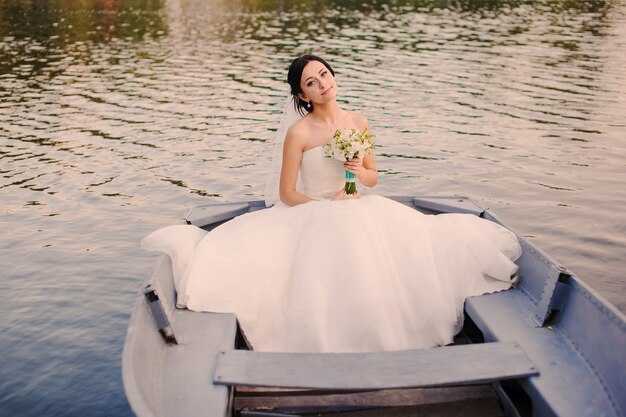
Pick a larger catamaran with 80–120 guests capacity, open white decks, and ramps for accessible guest flow to ensure smooth arrivals and departures.
For day celebrations, catamarans and motor yachts offer the best balance of space and stability; monohull sail vessels can host 40–60 guests with elegant interiors. The ideal choice depends on whether the event is a plated sit-down dinner or a casual standing reception, and on the license and crew requirements for your route and local regulations. Look for models that have a strong crew-to-guest ratio (at least 1:12) and trained safety officers, especially for wind and weather contingencies.
Deck layout essentials: main deck with shaded dining area for 60–90 guests seated, an aft al fresco lounge, and a foredeck sunpad. For overnight charters, ensure 3–6 cabins on mid-size catamarans or 4–8 cabins on larger monohulls; keep crew spaces separate. Ramps at the stern or side access help guests board with ease. The galley should be plated and equipped to handle plated meals for your planner’s menu while preserving service speed.
Facilities include restrooms, climate control, and sheltered bar areas; ensure clean cabins for overnight events. Interiors with décor in white or neutral tones; acoustic systems provide discrete background music or live acoustic sets. Ensure passengers can reach restrooms and exits easily on all decks; the layout should minimize crowding when guests move between the main deck, mezzanine (if present), and bow lounges.
Weather and wind considerations: choose vessels with sealed engines and backup navigation; ensure ramps and doors seal for spray or rain. Secure permits and license verification before booking; confirm that gratuities are clearly stated in the contract and not tied to service quality. For charters, define your preferred decor décor theme and table settings; discuss with the planner next steps for turnkey celebrations.
Guests and selections: ensure capacity is appropriate for the guest list; if the guest count is already set, filter charters that can accommodate that many with proper safety compliance. The favored approach is to book a vessel that can handle larger groups with room for a live acoustic performance and buffet or plated options. A catamaran with a stable platform and wide ramps provides the best experience for celebrations near the shore, while a sail-ready craft can deliver a dramatic wind experience for photos and memories.
Boarding, Transfers, and Scheduling Timeline

heres a concise, actionable plan to keep flow smooth: assign a dedicated host to oversee all transfers and boarding, confirm a single access code for the gangway, and hold a 15-minute rehearsal with staff on-site.
Use a fixed, location-specific sequence with subtypes mapped to docks, tender piers, and marina shuttles. The hours before embarkation are set: two hours before first entry for lighting checks and linens staging at the venue, 90 minutes before for the check-in desk to open, 75 minutes before for the first transfer departure, and 60 minutes before boarding begins; last transfer completes within 90 minutes after the ceremony start. Publish a detailed, easy-to-reference guide so everyone’s path through the day remains clear, paths are well marked, and there’s no risk of getting stuck at stairs or ramps. This setup keeps the process easy for staff and guests alike.
On-site operations: assign a single host to guide guests, monitor each location, and ensure high-quality service from barts for the bar area; use a simple map with locations, loading zones, and parking if applicable. Prepare services in advance: lighting checks, linen counts, and decorating details aligned with the theme; require a post-setup check 45 minutes before first entry; a fuel allowance should be approved for any tender transfers or other between-venue movements.
Rehearsal specifics: schedule a 15-minute run-through the day before, including deck safety, guest flow, and signaling for the crew. Prepare a concise guide for staff with keywords such as venue, hosting, location, lighting, linens, and décor to keep tasks clear. Mind the being of everyone’s comfort and safety during transitions; ensure the schedule is well-communicated to the crew and a backup clock is posted in the wheelhouse or bridge area.
Permits, Insurance, and Contractual Terms
File permits and obtain COIs early; hire a local maritime attorney to draft a clear contract that covers all stakeholders. This approach reduces challenges and clarifies responsibilities before onboarding caterers, barts, and crew; they will coordinate with operators for a smoother execution. In particular, the word privacy should be defined clearly to protect guest data and access.
-
Permits and regulatory clearance
- Secure harbor access, vessel mooring, event permits, and any required safety approvals from the port authority and local agencies.
- Submit waste plan, noise controls, and lighting plan; confirm dock timing and load-in/load-out windows.
- In washington, check county and city rules for on-water gatherings, and coordinate with the captain regarding deck layout and guest flow.
-
Insurance and liability
- Provide a COI listing host, vessel operator, caterers, and barts; include on-board activities and coverage for the vessel and premises.
- Minimum liability: 1,000,000 per occurrence, with a 2,000,000 aggregate option for larger groups; require an additional insured endorsement and waiver of subrogation.
- Document cancellation and weather-interruption terms; note surcharges that may apply if plans shift dates or space usage.
-
Contractual terms and inclusions
- Define full scope: guest count, dock space, routes for guest arrive times, and the sequence of activities and receptions, including cocktail service.
- Include whats included and whats excluded in the package; list dietary accommodations, equipment, and service levels.
- Privacy: the contract should include the word privacy as a defined term, governing access, photography, and data handling.
- committing to safety: require safety briefings, life jackets, trained crew, and a single point of contact for all vendors.
-
Operational details and risk management
- Arrival logistics: designate a dockside staging area to prevent crowding; ensure still space for emergency access.
- Weather and seas: prepare contingency plans for wind, spray, or seasickness; have a backup plan or alternate harbor if needed.
- Vendor coordination: align with caterers, barts, and bar service to match the vision and avoid duplicative service; confirm surcharges for overtime or special requests.
Weather Plans, Safety Protocols, and Accessibility
Recommendation: Lock in an option that allows rapid relocation to sheltered waters if squalls threaten, with included backup craft and a clearly defined cancellation window. For bahamas charters, verify licenses are current and ensure the crew can manage seasick guests. A caterer can deliver gourmet meals on deck; provide detailed menu designs to fit shaded zones and temperature-controlled containers; prepare a general briefing for all staff and a help line for guests during the event.
Weather plans: Monitor wind, waves, and motion via the website of a marine forecast service. Most reliable forecasts cover 48 hours; check updates at least every 6 hours during the operation. Set thresholds: depart only if wind stays below 20-25 knots and seas are under 1.5-2 meters. If wind shifts or gusts exceed 30 knots, avoid departure or switch to a shore-side ceremony. Ensure ample time to rig fenders, secure lines, and illuminate stairs with lights. If seasick risk is high, offer a staged schedule or a contingency alternative.
Safety protocols: Assign a safety lead and run a 5-minute muster drill before any movement. Require a life jacket on each guest when on exposed decks; keep a VHF radio, EPIRBs, and a first aid kit within reach. Verify that licenses for the vessel and crew are current; maintain spare fuel and essential parts on board. Commit to regular weather checks during the voyage and confirm a clear emergency contact path to help.
Saavutettavuus: Design the layout for amply accessible navigation from dock to deck, with ramps, wide doorways, and non-slip surfaces. Assign team members to assist a lady guest or mobility-impaired traveler; provide quiet zones and large-print signage; ensure on-board routes and docking procedures are clear. Publish accessibility details on the website to help guests plan in advance.
Logistics and design considerations: Coordinate guest arrivals and pickups: direct arrivals from airports to a harbor facility and arrange a reliable pick-up from hotels. Keep designs flexible for a large group; offer palm tree shade areas and ample lighting to enhance ambiance. Work with a single caterer or preferred vendor to ensure consistent service; ensure options for dietary needs; keep lots of water, fuel, and backup power on hand. Most scenarios can be executed with careful planning; possible delays can be avoided by clear communication and a well-documented case file for contingencies. If conditions permit, arrive early to verify equipment and rehearsals.
Food, Drink, Vendors, and Onboard Decor Policies
Lock in an all-inclusive catering and decor package via the coordinator to set clear expectations and simplify logistics; this approach would determine menu options, beverage flows, and décor standards before day-of constraints arise.
Opt for a focused menu with 3–4 main courses or a chef’s tasting aboard larger vessels, including wedges as first bites to manage service time and room capacity; offer wines like Pinot Grigio and a single red for formal courses, and ensure options stay within the all-inclusive cap.
Limit the roster to vetted vendors with maritime experience; require proof of liability insurance; spell out procedures for setup, service, and breakdown; avoid ad hoc arrivals that disrupt deck crew and safety protocols, and set constraints on simultaneous deliveries to protect access to ladders and life-saving gear.
Decor should stay within vessel-safe aesthetics: lanterns or LED light fixtures, slim garlands, and flowers in limited arrangements; avoid open flames, clutter, and heavy props that interfere with aisles or emergency exits; limit floral volume to preserve sightlines and access to safety equipment.
Plan for entire spaces used: main room for dining, lounge areas for mingling, and a separate room for staging and service; the vibe should match the itinerary–great options in mexico and the Caribbean; ensure the coordinator aligns with the ship’s crew to streamline checks and approvals, and to optimize amenities like restrooms, shade, and seating.
Decide on a formal or relaxed tone; set a dress code if needed, and communicate attire expectations to all vendors; formal touches emerge through tableware, glassware, signage, and lighting that signal the intended room vibe; ensure the lady of honor has preferred access to seating and service areas; policies are visible to the captain, crew, and guests before embarkation.
Policy matters include candle safety, fuel sources, and emergency procedures; this matter of safety requires strict adherence to maritime regulations, smoking restrictions, and zoning rules on decks; provide a quick contact list for the onboard coordinator and ship’s safety officer to handle issues promptly.