


 Suomi
Suomi  English (UK)
  Русский
  العربية
  日本語
日本語  한국어
한국어  Magyar
  Türkçe
  Español
  Čeština
  Svenska
  Português
  Ελληνικά
  Nederlands
  Română
  Italiano
  Français
  Polski
  Українська
  Deutsch
  简体中文
简体中文  Slovenčina
 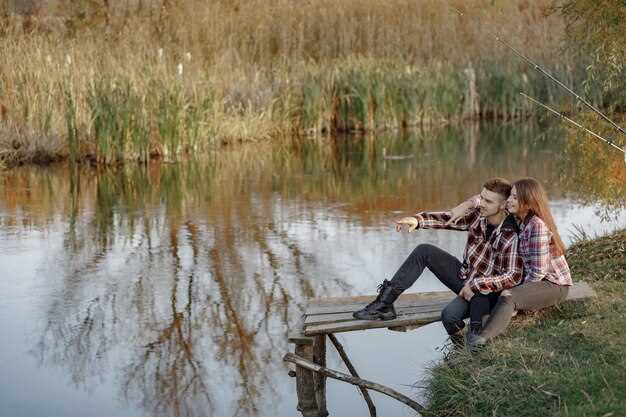 Land Based Lure Fishing Tips – Essential Techniques for Shore Casting Success">

Use a front-drag reel for seaside bank throws to gain immediate bite detection and smoother drag response when a big fish pulls. Set the initial drag to roughly 25–30% of line breaking strain and adjust with the rate of retrieved line as you progress. This simply lets you manage runs and reduces the risk of breakage during a strike.
In flats and current edges, presenting baits so they are swimming naturally is critical. To match the retrieved cadence, set a pace that mirrors the rate at which fish feed: slow on the first 6–8 m, then a sharp burst to trigger bites. With the right plan, you can keep the bait swimming along the seam and lets you cover more water, increasing opportunity for bites.
Rig and gear: a fluorocarbon or wire leader protects against toothy species; choose leader length 15–30 cm depending on wind and target depth. Pair with a main line of 15–30 lb; keep the spool tension moderate when casting to prevent tangles. Pack a variety of weights from 14 g to 40 g to match depth and current, plus some topwater options for swimming action over flats. Power and control come from matching the weight to wind and current.
Wind and tide control rate; during different tides you probably see bite windows change; keep to a simple plan: when the current pushes, cast slightly down-current and retrieve with a steady rate; in calm conditions try a slower, longer pull to keep the bait on the surface. In the world of coastal angling, reading water features–edges, channels, flats, and drop-offs–is key; the best approach is to adjust the plan to stay close to structure and keep line taut so you can feel more bites, ever ready to adapt.
Gear management: keep a pack with spares, spare spools, a front-drag reel, a selection of leaders (wire and fluorocarbon), pliers, a knife, and a measuring tape. In most sessions, check the weather and tide beforehand and adjust your plan accordingly. The opportunity to land a big fish often comes in the next session, when conditions align and you stay patient. When a fish grabs the bait, feel the bite and lift smoothly to set the hook; dont jerk, just apply steady tension and let the fish take line if needed to secure the capture.
Coastal Baits and Bankside Casting: Traditional Artificial Bait Types
Start with a 10–12 ft rod and a tournament-grade setup; cast toward structure at about 40–60 degrees to maximise distance and accuracy, then keep the presentation moving with a steady, regular pace to produce bites.
Gear and Setup
- Rods: 10–12 ft, medium-heavy action for longer casts and solid control.
- Main line and leader: braided 20–40 lb with a 15–25 lb fluorocarbon leader; longer leaders reduce snagging near confined structures.
- Terminal tackle: pair of hooks or a single offset with barbs; consider barbless if regulations require.
- Weights: 1/2–1 oz depending on current and wind; adjust to keep bait moving near the bottom.
- Setup notes: ensure knot strength and forward alignment of components to minimise snag risk; this actually improves bite response.
Common Artificial Bait Types and When to Use Them
- Minnow-imitating soft baits: most versatile in clear to moderately stained water; usually produce regular catches when retrieved straight and slowly, producing a natural wobble that attracts minnows and game fish alike.
- Crankbaits: best for covering water fast; choose shallow to mid-divers to match depth at a point where fish hold; the difference between shallow and deep runners can be decisive in prime conditions.
- Surface plugs: topwater action with a surface jump or a wide walk; use when fish are actively feeding and the surface is calm to attract attention at the surface.
- Frogs: frog imitations shine in weed-choked flats and pads; stay with a longer pause between retrieves to produce a sharp splash that attracts moving fish.
- Soft swimbaits: flexible for adjusting length and color; pair with a jighead or weight that keeps the body moving just above the bottom for a strong moving profile.
- Jigs: versatile for deeper holes, drop-offs, and weed edges; use a slow, methodical bounce or a fast hopping motion to produce a noticeable vibration and snap.
- Spoons: lighter, compact spoons for a flash-and-fall presentation; often a good choice in windy, confined channels to attract attention.
Retrieval and Presentation Principles
Base decisions on a theory-driven approach; adjust speed, pauses, and rod taps based on water clarity, structure, and target species. Moving water usually calls for a faster cadence, while stagnant depths benefit a slower, deliberate crawl.
Key patterns include: forward casts with a snap retrieve, pauses to let the bait sink to the prime depth, and occasional short jumps or twitches to provoke bites. As a rule, begin with a forward cast, add a half-second pause, then a short snap to mimic a fleeing baitfish. This forward–pause–snap sequence can produce the most opportunities when bass and other predators are feeding on schooling minnows.
Carry a pair of color options and a couple of item designs to cover both murky and clear water; the best advantage is flexibility. Also, ensure regular maintenance: check hook sharpness, replace worn parts, and turn to barbs if local rules permit. The prime goal is to attract bites and convert them into catches, which usually requires a quick, decisive strike and a firm set.
In practice, frog and minnow profiles often outperform other designs in mixed weed and open-water zones; frogs excel in heavy cover, minnows excel in clear runs, and both offer strong opportunities to catch. The theory behind color shifting and action change is based on how fish perceive contrast and movement, so turning to a contrasting palette can yield a noticeable rise in catches.
Land Based Lure Fishing Tips: Shore Casting Strategies and Common Traditional Lure Types
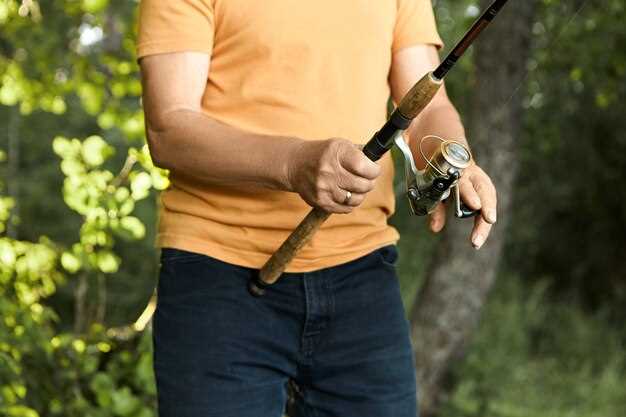
Start with a compact sinking spoon or jig that lands tight to structure, then reel with a steady, low-angle motion to keep contact with the bottom.
Gear setup uses relatively sturdy line in the 20–30 lb range on a smooth spool, paired with reliable reels and a predictable drag; check knots and replace worn components before long sessions along the coast to ensure you find consistent performance.
Depth management targets deeper pockets: cast beyond edge lines and let the target sink longer, then begin a gradual retrieve at about 10–45 degrees of rod angle, adjusting to current and water clarity.
Items include spoons, jigs, crankbaits, and soft plastics on jigheads; popularity is supported by field notes, source reports, and здесь источник popularity confirms this trend.
Near rocks, cast slightly beyond and let the lure fall into gaps; use short, snapping retrieves to imitate fleeing prey; if you snag, pause, then pull free with a couple of smooth snaps; if you feel ikes from the current, switch color or pattern.
Seasonal tips: in shallow water, bright patterns and quick retrieves get bites; in deeper zones or on cooler days, darker colors with longer pauses perform better. Thinking ahead about tides and days helps you plan next trips; somebody with years of coast practice talked that matching patterns to water clarity is key.
Bass often respond to slower retrieves and chrome colors; Murray talked about the value of trying several items, and thinking in terms of degrees of retrieve helps you find the next pattern that gets bites.
Next steps: assemble an option kit with 4–6 items that cover shallow and deeper zones; prefer colors that match the water source and water clarity; keep notes on days and conditions to refine your approach; retrieve gradually and adjust by feel, this gives better odds on bass and other targets.
Spoon styles: cadence and retrieves along the bank
Begin with a steady, regular retrieve that keeps the spoon tracing a shallow arc near the surface, with short pauses of 0.5–1.0 seconds every 6–8 pulls to check depth response and tune cadence. The matter is consistency in cadence and line control.
In deeper zones or when wind pushes current, switch to spoons designed to sink to 3–4 ft, then perform 1–2 second pulls with 1 second stops to haul the spoon through the midwater column and trigger bites. Pulls should feel instinctively natural, not forced.
Rigging basics: tie a clean knot, add an 18–24 in fluorocarbon leader, 12–20 lb test; use a small swivel to cut twists and keep line from kinking; sizes range 1/8–3/4 oz, with 3/8–1/2 oz handling regular chop and wind; needs vary with conditions so adjust length and weight accordingly. This setup reflects the different rigs designed to meet anglers’ needs and basics alike.
Style differences matter: brass, copper, and silver finishes behave similarly yet represent different surface reflectivity; have a set that covers shallow hits and deeper action; designed to ride through surface ripple and through low-contrast water; through transition zones, switch styles; though some days a single size works, other days you benefit from multiple sizes and finishes to cover different depths; remember some rules: summer light makes brighter finishes shine; sizes matter; like the way larger spoons pull deeper than smaller ones; Somebody new to this game benefits from a two-size start and then increases when conditions demand it; certainly these choices puts you in position to strike, which affects bite timing.
Remember: an average session benefits from rotating among 2–3 sizes and at least two styles to identify the strike window that makes sense locally; instinctively you’ll tune cadence as water clears or muddy; though conditions shift, the approach puts you in position to strike; through practice, you learn deeper targets and shallower passes, and you’ll fish with confidence yourself.
Crankbaits and plugs: selection for shoreline structure
Recommendation: start with a compact, mid-depth crankbait around 3.5 cm that dives to about 1.5 m. Load a 20–30 lb braid and spool a short fluorocarbon leader (12–18 in) in rugged zones. Retrieve at a steady pace, then inject short pauses to trigger a follow along the edge where structure rises toward the surface. This approach is productive along rock faces, weed lines, and pilings.
Common shoreline structure along estuaries includes rock ledges, weed beds, troughs, and pilings. Choose crankbaits and plugs that press slightly deeper than the active zone to stay in touch with the edge as current carries the presentation. A bigger profile can attract bigger targets in stained water, while interchangeable slugs and tails expand the options; split your pack so you can adapt quickly when variables shift.
Market options offering a range of favourites. Colour choice matters: colour can be subtle in clear days and noticeable in stained water. Try 2–3 colour patterns per session, focusing on patterns that attract in low light or over structure. The right colour puts the bait in the strike window without prompting hesitation; instinctively adjust speed and rod load to keep tension as the tail sways and the body responds to structure. Feel the bite and adjust accordingly; worth trying a different colour if results stall.
Estuaries and nearshore flats present several variables: tide level, current strength, water clarity, wind, and boat traffic. When you follow the edge, think about how the bait loads the spool and whether to switch to a deeper option or alter the retrieve. Years of field testing show the best outcomes come from mixing approaches, not sticking to a single option; a flexible temperament lets you respond to the mood of the day. These factors involved in estuarine environments require adaptable methods and a calm approach.
| Crankbait option | Depth range | Structure match | Colour guidance | Huomautukset |
|---|---|---|---|---|
| 3.5 cm mid-diver | 0.8–1.4 m | weed edges, weed lines | natural, subtle with flash | good general use along estuaries |
| 4.5 cm mid-range diver | 1.2–1.8 m | rock ledges, drop-offs | brighter for stained water | keep pull along the edge; adjust pace |
| 4.0–4.8 cm deeper diver | 1.8–2.5 m | ledge, deeper troughs | high-contrast patterns, chartreuse/yellow | use when current is strong |
| Lipless/slugs style | 0.4–1.0 m | shallow flats near structure | silver, gold flash | excellent when current carries the bait along edge |
Soft plastics: rigging and swim patterns for beach targets
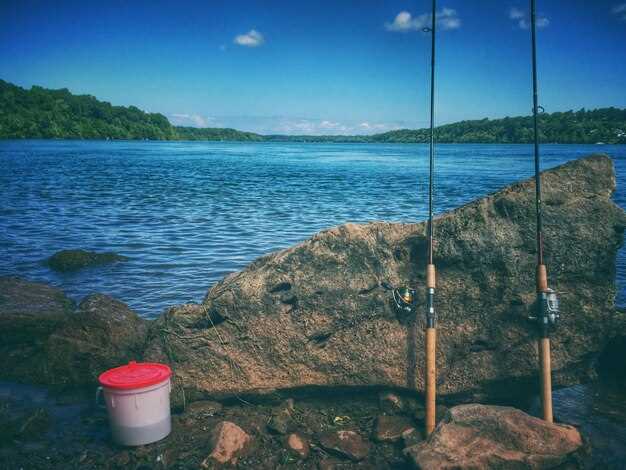
Recommendation: half-ounce weight, a 4–5 inch paddle-tail on a single 3/0 hook, with a 15–20 lb leader. Cover the first 6–10 m with a steady, medium-speed retrieve, then pause 0.5–1 s to spark a noticeable tail kick. Keep line slack during the pause to avoid drag, and snap the rod to drive the bait back toward the foam. This approach delivers more strikes from large, hungry, predatory fish that already patrol the wash; the best results come when tides shift and fish move into troughs.
Basics of rigging: use a nose- or belly-weighted setup to keep the head of the bait near the bottom. In light current, run 1/8–1/4 oz; in heavier surge, step up to 1/2 oz. Use a single hook in the 1/0–3/0 range on a straight-wired style, with a 12–18 inch fluorocarbon leader to ensure stealth. Pick soft plastics in high-contrast palettes or natural tones; add a small bead ahead of the bait to create a brief flash, making the setup easier to spot. The design should stay compact, with konsentroitunut värvihavainnot ja toiminta, jotka mahdollistavat puhtaan ja vakaan uinnin pelästyttämättä kaloja.
Uimakuviot rannalla: Kaksi pääasiallista lähestymistapaa kattaa suurimman osan päivistä. Ensimmäinen on tasainen, vähäkitkainen "häntä vedetään perässä" -liike, jossa on hienovaraisia potkuja hännällä; toinen on arvaamattomat syöksyt, joissa on käännöksiä ja uudelleen kohdistuksia saalistusreaktion herättämiseksi. Lisää näkyvyyttä tavoittelemalla noticeable kadenssi 3–5 nykäystä per sykli, sitten tauko. Äkillinen käännös jokaisen nykäyksen huipulla, jolloin viehe kääntyy takaisin vastavirtaan, jäljittelee haavoittunutta syöttikalaa ja on striking vihje nälkäisille kaloille. Puolikäännös Nykytysten välillä pitäminen auttaa säilyttämään syvyyden sekahiekassa ja vaahdossa, ja antaa sinun kalastaa laajemman alueen ilman, että uittaa liikaa. Vältä saman liikkeen toistamista jokaisella heitolla.
Lajihuomautuksia ja muutoksia: Ulompiin kouruihin hakeutuvat taimenet reagoivat hyvin hitaampiin ja tiiviimpiin kuvioihin; kirkkaassa vedessä suosi luonnollisia sävyjä, kun taas sameassa vedessä kirkas vihreä tai valkoinen ovat eduksi. Example vieheissä on esimerkiksi kellanvihreä pyrstö luonnonvärisessä rungossa tai glitteripinta, joka pysyy kuusikymppiset palettia. Jos et saa heti kaikkia makuja, kokeile toista size Säännöt: - Anna VAIN käännös, älä selityksiä - Säilytä alkuperäinen sävy ja tyyli - Säilytä muotoilu ja rivinvaihdot six rooleja tai siirtyä enemmän unique malli; remember, tavoitteena on pysyä lähellä lyönti-aluetta sitoutumatta liikaa. Jos jokin kuvio tuntuu favourite, jatka samaan malliin, mutta älä epäröi sekoittaa joukkoon toista vaihtoehtoa, jotta vältät minkään esityksen liioittelua.
Vaihde ja poljinnopeus: keloja sisään 2500–3500 yhdistä luokan tasapaino siimakapasiteetin ja heittoetäisyyden kanssa. Parita kanssa 5–9 kg siiman hallinnan ylläpitämiseksi ja takaiskujen estämiseksi. Koot joka vastaavat syötin hyötykuormaa, auttavat pitämään siiman kireällä iskun aikana. After puraise, kelaa nopeasti pitääksesi jännityksen yllä, ja pyyhkäise sitten vavan kärkeä vieheen liikuttamiseksi eteenpäin. Jos syönti loppuu, laske vavan kärkeä hieman pitääksesi vieheen kosketuksissa, äläkä epäröi pitää taukoa uudelleen. favourite lähestymistapa on kahden kuvion rotaatio, erittäin tarkka lähestymistapa, joka anyone voi adoptoida, ja lets pysyt pelissä pitkän session ajan. Tuloksena on tasaisempia osumia ja parempi rannan peitto, erityisesti silloin, kun vuorovesiraja sisältää suuren petoikkunan.
Jigit ja metallisyötit: syvyyden hallinta ja tuulen avustamat heitot
Aloita pohjajigillä (60–110 g) saavuttaaksesi syvyyden 2–4 sekunnissa. Heitä jigi reilusti aallokon yli ja laske kaksi tai kolme sekuntia, jotta se pääsee pohjaan. Nosta sitten ja pidä tauko tunnustellaksesi tärppiä. Pidä siima kireällä ja käytä kohtalaista vavan kulmaa, jotta uppoaminen on hallittua eikä vapaata putoamista. Tällä lähestymistavalla saat jatkuvasti luotettavan kontaktin pohjarakenteisiin rannikolla, jossa sardiini- ja simpukkapenkereet ovat tunnettu ravinnonlähde.
Tuulivoimalla avustetut heitot: kun tuuli suosii pitkää, liukuvaa lentoa, aseta vartalo tuuleen nähden; käytä pidempää takaheittoa ja nypäytä sitten vapa tiukasti, jotta siima on kireällä; pidä siima kireällä laskeutumisen aikana ja kelaa välittömästi säilyttääksesi kontaktin. Rannikkoa ajatellen huomaat siiman seuraavan paremmin ja vähemmän siksakkia tuulenpuuskista.
Syvyyden hallinta muuttuvissa vuorovesissä: virtauksissa lisää 5–15 g painoa tai lyhennä tapsia, jotta jigi pysyy pohjakontaktissa; tasaisella pohjalla kokeile hitaampaa vajoamista käyttämällä kevyempää jigiä ja lyhyempää pudotusta; jos havaitset leijuvanesi uoman yläpuolella, pilko vettä sarjalla sähköisiä hyppyjä ja taukoja pitääksesi jigin lähellä pohjaa, jossa simpukat ja muut tunnetut ravintoaineet sijaitsevat.
Noutomuoto: pudotuksen jälkeen tee sarja pitkiä vetoja lyhyillä pysähdyksillä pohjan lähellä; vuorottele kuolleiden pysäytysten kanssa provosoidaksesi puremia. Heinäkuussa lämpimämpi vesi työntää kohteet lähemmäs rannikkorakennetta, joten toista tämä heittosarja samalla syvyydellä parhaan tuloksen saavuttamiseksi. Pidä kelat hyvässä kunnossa, tarkista siima ja pidä puola vapaana kierteistä, ja anna kokemuksen ohjata seuraavia siirtojasi jo todistetuista sessioista.
Spinnerbaitit ja minnow-tyyppiset vieheet: käytännönläheisiä rannalta kalastuksen tilanteita
Aloita 1/8 unssin spinnerbaitilla, jossa on 20–30 paunaa punottua siimaa ja 12–18 tuuman fluorocarbon-peruke. Heitä aallonmurtajan ulkopuolelle ja vaihtele uittonopeutta, jotta saat jatkuvasti tärppejä. Syyskuussa runsas syöttiaktiivisuus keskittyy usein rantaviivalle, mikä tekee tästä vieheestä erityisen tehokkaan suurille ja keskikokoisille saaliille. Säädä syvyyttä muuttamalla perukkeen pituutta ja heittokulmaa, ja pidä varaterät käden ulottuvilla, jotta voit mukautua sameaan veteen pohjan yläpuolella. Nämä perusasiat auttavat reagoimaan nopeammin ja jatkamaan saaliin saamista, kun syönti on päällä – ole vain sopeutumiskykyinen.
- Rantavirrat: heitä vaahtolinjan taakse ja kelaa sitten tasaisella tempolla ja satunnaisilla nykäyksillä. Sameassa vedessä vaihda painavampaan 7 gramman malliin ja noin 2,5 cm:n läpimittaiseen Colorado-lehteen, jotta saat voimakkaamman signaalin. Jos tartutat ison kalan, pidä vapa korkealla ja ylläpidä painetta; jos tarttuu pohjaan, tee lyhyt nosto ja peruuta vapautuaksesi; ne houkuttelevat usein juuri sillä esitystavalla ruokailupaikan lähellä.
- Vältä ruohoreunat ja tarttumiselle alttiit alueet: käytä painavaa 1/4 unssin spinnerbaitia yhdellä pajulehdellä lyödäksesi itsesi läpi kasvimattojen säilyttäen samalla responsiivisuuden. Pidä rytmi tiiviinä, nopeilla nykäyksillä, joita seuraa pidempi tauko, jotta taskut pääsevät putoamaan pois. Kun tartunta tapahtuu, laske vavan kärkeä ja vedä hitaasti taaksepäin; jos irtautuminen vaikuttaa epätodennäköiseltä, vaihda kompaktimpaan kokoonpanoon, joka kulkee aukkojen läpi.
- Kirkkaat, matalat paikat: valitse 1/8 unssin spinnerbait pienellä lusikalla; yhdistä 4,5–6,8 kg:n kuitusiima ja kevyt tapsi. Uita hitaalla, tiheällä liikkeellä pohjan lähellä, syvyys huomioiden. Jos tärppi tulee, pidä vavan kärkeä ylhäällä tartutusta varten ja vältä suurieleisiä liikkeitä, jotta kala ei säiky.
- Hämärät aamunkoiton tai iltahämärän hetket: kirkasta lusikka ja pidä yllä tasaista, matalaa uintia ensimmäisen syvyydenmuutoksen kohdalla lähellä rantaa. Ne ovat aktiivisempia näinä aikoina, joten johdonmukainen lähestymistapa tuottaa yleensä enemmän tärppejä; säädä nopeutta veden värin ja tuulen mukaan.
- Minnow-tyyppiset syötit vaihtoehtona: vaihda 5–7,5 cm:n minnow-jäljitelmään, jossa on luonnollinen uintiliike; käytä ohutta 0,30–0,50 mm:n fluorocarbon-peruketta ja pidä pääsiima punottuna 0,06–0,10 mm:n vahvuisena. Pidä yllä luonnollista, uivaa rytmiä satunnaisten pysäytysten kera; tästä lähestymistavasta voi tulla johtava vaihtoehto, kun luonnollinen liike tuottaa tuloksia ja kiinnittää huomiota kohteeseen lähellä pintaa.