


 Suomi
Suomi  English (UK)
  Русский
  العربية
  日本語
日本語  한국어
한국어  Magyar
  Türkçe
  Español
  Čeština
  Svenska
  Português
  Ελληνικά
  Nederlands
  Română
  Italiano
  Français
  Polski
  Українська
  Deutsch
  简体中文
简体中文  Slovenčina
  How to Introduce Your Children to Waterskiing – A Safe, Fun Beginner Guide for Parents">

Aloitetaan 15 minuutin turvallisuuskatsauksella ja kuivan maan demonstraatio, jonka jälkeen matalan veden harjoitus sertifioidun ohjaajan kanssa. Ensimmäistä kertaa laskettelijoille, especially Nuorempien lasten kohdalla nopea taitojen tarkistus varmistaa, että he ovat valmiita. Pidä tavoitteet pieninä: yksi onnistunut ajo, sitten hallittu pysähdys ja sitten toisto paremmalla tasapainolla. Tämä suunnitelma pidetään lähellä kotia rauhallisella järvellä tai suojaisassa poukamassa.
Valitse paikka viisaasti: hiljainen järvi lähellä city, ei vilkas joki. Käytä luotettavaa ja asianmukaisesti huollettua venettä, jonka kuljettaja on koulutettu. Varusta heidät sopivalla pelastusliivillä, lapsikokoisilla suksilla tai aloittelijan suksella sekä noin 18–20 metrin (60–65 jalan) vetoköydellä. Nuoremmille lapsille vaahtomuovinen polvisuoja voi olla avuksi. priority mukavuus ja turvallisuus, ei nopeus. Pysähdy, jos väsymystä tai pelkoa ilmenee, ja varmista everyone pysyy käden ulottuvilla.
Vesiolosuhteet ovat tärkeitä: valitse päiviä, jolloin on heikko tuuli ja mahdollisimman vähän aallokkoa; aloita rannan läheltä ja siirry asteittain syvemmälle vedelle taitojen karttuessa. Pieni, ennustettava wave auttaa hermostunutta lasta oppimaan seisomaan, kun taas suuret aallot tai puuskat voivat olla pelottavia. Jos lapsi sanoo olevansa went on pystyasennossa tai pyytää lopettamaan, huomioi tunteet ja siirry kuivan maan harjoitteluun. younger sisarukset, mukaan lukien girls ja teinitja young urheilijat reagoivat usein hyvin nähdessään edistystä vertaisissaan, joten aseta realistinen tahti everyone ajatella askel askeleelta, ei välittömästi mestarina.
Luo eteneminen, jossa yhdistyvät kuivan maan harjoitteet ja vesi: harjoittele asentoa ja polvien koukistusta laiturilla ja simuloi sitten lähtöä veneen kevyellä vedolla. Käytä ohjaajan suosittelemaa nopeusaluetta – tyypillisesti noin 19–29 km/h nuoremmille lapsille, säädettynä painon ja kyvyn mukaan. Keskity creating tasapaino, pidä kädet rentoina ja köysi kireänä kahvan ollessa lantion korkeudella. Pidä harjoitukset lyhyinä, jotta younger osallistujia ja kohdella jokaista virstanpylvästä kuin part perheen rutiineistanne.
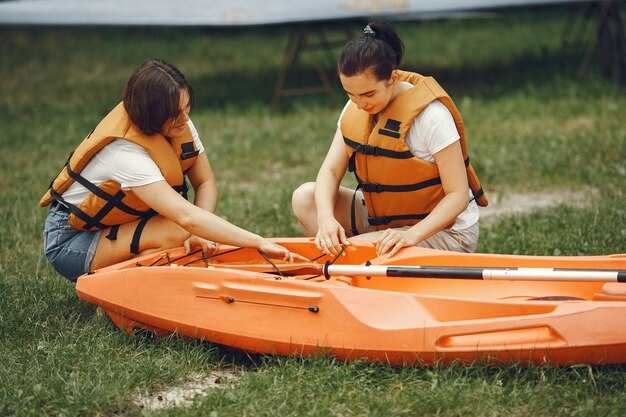
Cross-training auttaa: lyhyesti canoeing Rauhallisissa vesissä pidettävät harjoitukset kehittävät tasapainoa ja keskivartalon voimaa, ja ne helpottavat siirtymistä vesihiihtoon. Tämä on especially hyödyllinen lapsille, joita vesi ahdistaa. Jos asut city, suunnittele viikonloppu, jossa yhdistyy harjoittelu järven rannalla ja vierailu puistossa. Sovi paikallisen kerhon tai valtuutetun ohjaajan kanssa jatkuvasta valvonnasta ja turvallisuudesta.
Lopeta aktiviteetti nopealla yhteenvedolla ja pienten voittojen juhlistaminen joten everyone tuntee itsensä osalliseksi. Muista, että tavoitteena on jatkuva edistyminen, ei täydellinen muoto, ja että younger voidaan ottaa mukaan ensi kerralla pitämään hauskaa. Jos lapsi tiesin jotain vesiturvallisuudesta, vahvistakaa sitä; muuten kerratkaa perusasiat. Huolellisen valvonnan ja rauhallisen tahdin avulla tästä työstä tulee rutiini, jonka jaatte yhdessä, täynnä huolettomia hetkiä vedessä.
Vanhempien opas vesihiihtoon
Recommendation: Aloita 60 minuutin sessiolla sertifioidun ohjaajan kanssa rauhallisella järvellä ulkona. Pidä lapsilla tiukka, USCG:n hyväksymä pelastusliivi. Pidä ensimmäinen päivä hitaana ja yksinkertaisena, jotta aloitus ei olisi pelottava, ja käytä runsaasti rannalla tapahtuvaa valmennusta yritysten välillä. Tämä beginner-ystävällinen lähestymistapa auttaa heitä tuntemaan olonsa valmiiksi ja rakentaa itseluottamusta.
Oikea asento on tärkeä: luo pehmeä polvikulma polvet koukussa, lantio jalkojen yläpuolella, selkä suorana, kädet ojennettuna ja kahva lähellä lantiota. Kannusta heitä pitämään hartiat suorassa ja katsomaan eteenpäin. Tämä yksinkertainen Paikannus vähentää huojumista ja nopeuttaa edistystä verrattuna hätiköintiin. Turvallinen vesihiihto vaatii rauhallisia käsiä ja tasaista harjoittelua.
Tasapainon luomiseksi yhdistä vedessäolo kuivan maan harjoitteluun. Kokeile suppailua tasapainoharjoituksiin juoksujen välissä; se tarjoaa runsaasti lepoa ja mahdollisuuden palautumiseen. Kun he ovat valmiita, aloita lyhyillä vedoilla helpolla vauhdilla ja testaa sitten pidempiä vetoja kun heidän taitonsa paranevat, mikä on yleensä turvallisempaa kuin suoraan pitkään vetoon hyppääminen. Kannusta tasaiseen edistymiseen ylistämällä yrittämistä ja säätämistä.
Varmista hyvä valvonta; älä koskaan hoputa lasta sarjan läpi. Yksinkertainen sääntö: jos hän ei ole valmis, pysähdy ja arvioi tilanne uudelleen. Lyhyet harjoituskerrat kerrallaan ovat riskittömämpiä ja tuottavat tasaisempia edistysaskeleita kuin pyrkimys pitkään harjoitukseen, joka tuntuu pelottavalta. Tavoitteena on pitää kokemus positiivisena ja houkuttelevana. Jos vanhempi on huolissaan, muista, että lapset eivät kehity ilman säännöllistä, positiivista harjoittelua.
Lapset yleensä yrittävät muutaman askeleen, sitten säätävät eri asennolla. Jokainen yritys vaatii harjoittelua. Jos he ovat valmiita, lyhennä hieman köyden etäisyyttä tai vähennä nopeutta; pane merkille mikä toimii ja säädä. Perussuunnitelman pitäminen auttaa heitä kehittymään ja pitää motivaation korkealla.
Yhdistä istunnot perheen tukeen: he oppivat yhdessä, joten juhlistakaa pieniä voittoja yhdessä. Kevyt, kannustava sävy vähentää pelkoa ja tekee istunnoista hauskempia sekä lapsille että vanhemmille.
Käytännön järjestelyt ovat tärkeitä: ota mukaan runsaasti vettä, aurinkovoidetta, hattuja, suppilauta lepoa varten ja varavaatteita. Varmista, että veneenkuljettaja, tähystäjä ja valvova aikuinen tietävät suunnitelman. Hyvä koordinaatio vähentää riskejä ja auttaa pitämään keskittymisen turvallisuudessa ja edistymisessä.
Ajan mittaan huomaat todellista edistystä: ryhdin, tasapainon ja ajoituksen paranemista. Jatkuvalla ponnistelulla, beginner muuttuu itsevarmemmaksi; vesi tuntuu vähemmän pelottavalta ja hauskemmalta koko perheelle. Pidä rutiini kevyenä, ylläpidä turvatarkastuksia ja katso, kuinka lapset kehittyvät taitavammiksi jokaisella kerralla. Se vie aikaa, mutta edistys askel askeleelta karttuu.
Arvioi lapsesi valmiutta ja perustaitojen hallintaa vedessä
Aloita 15 minuutin totuttelulla uima-altaassa tarkkaan valvottuna ja asianmukaisesti istuvan, USCG:n hyväksymän kelluntaliivin kanssa. Jos ohjaamallasi tytöllä on rauhallinen hengitys, hän kelluu mukavasti ja noudattaa yksinkertaisia ohjeita, voit siirtyä matalan veden tehtäviin.
Arvioi valmiutta neljällä alueella: viihtyvyys vedessä, tasapaino ja liikkuminen, kyky noudattaa ohjeita sekä kestävyys. Koska jokainen lapsi on erilainen, tarjoa mahdollisuuksia kokeilla asteittain haastavampia tehtäviä hitaaseen ja hallittuun tahtiin. Useimmille yli 5-vuotiaille lapsille tämä lähestymistapa rakentaa itseluottamusta ilman kiirettä.
Varusteet ja pääsy: käytä asianmukaista pelastusliiviä, jonka koko on lapselle sopiva ja jossa on tiukat rintaremmit ja tukeva vetoketju. Valitse leveä, rauhallinen alue, josta on helppo pääsy rannalle tai laituriin nopeaa poistumista varten; ota mukaan aurinkovoidetta, vettä ja hattu auringolta suojautumiseen. Varmista, että jokaisessa harjoituskerrassa on tiimin jäsenen valvonta ja että sinulla on selkeä suunnitelma hätätilanteita varten.
Nimeä vastuuhenkilö koordinoimaan harjoitusta ja pitämään turvallinen kehä. Suunnitelman avulla varmistetaan turvallinen itsevarmuuden kehittyminen. Alla olevat esimerkkivaiheet muodostavat polun totuttelusta kevyeen vetämiseen, jolloin tiimin avulla keskitytään lapseen. Tämä edistyksellinen menetelmä luo unohtumattomia hetkiä, jotka motivoivat sekä lasta että vanhempaa.
- Vaihe 1: Veteen totuttelu matalassa vedessä. Harjoittele kuplien puhaltamista, varovaisia loiskahduksia ja kellumista tuella; pidä harjoitukset hitaina ja lyhyinä.
- Vaihe 2: kelluvuus ja kehon hahmottaminen. Harjoittele selkäuintia, rintakehän hengitystä ja hellävaraisia jalkaliikkeitä avustajan pitäessä yllä kosketusta.
- Vaihe 3: Asento ja valmius vetämiseen. Pyydä lasta istumaan, seisomaan ja liukumaan minimaalisella vastuksella; korjaa asentoa rasituksen minimoimiseksi.
- Step 4: light pulling on tubing or guided tow. The child is pulled along the surface by a trained operator on tubing or a shallow tow; keep speeds slow and stop if fear or fatigue appears.
- Step 5: supervised short pulls with increasing distance. When balance improves, lengthen the pull gradually while keeping supervision tight and communication open.
Safety reminders: always have a qualified adult within arm’s reach; avoid windy or rough days for beginners. Reapply sunscreen every two hours and hydrate between attempts; never skip water breaks. If youre unsure, pause and regroup; youve got a team and a plan to try again safely at the next opportunity. If risk might increase, postpone the session and reassess weather and water conditions.
Alternative activities: If skiing isn’t ready yet, tubing or windsurfing provide safe opportunities to develop balance and confidence in wide, calm water.
Investing a few peaceful sessions now pays off with more confident, safe experiences down the line. If youre unsure, remember that steady progress matters more than speed, and every small improvement adds to an overall, unforgettable experience for your child.
Choose Beginner-Friendly Equipment and Fit
Begin with all-around beginner skis that have a wide platform and a soft edge, and pair them with a snug, USCG-approved life vest and adjustable bindings. Our family loves this heroic, friendly setup, which makes the first waterskiing steps smoother for kids and adults alike, and invites more adventures on the lake.
Try on several sizes and test fit in the store or at the dock: bindings should hug the boot without pinching; when the heel is pulled up, the binding is too loose; the boot looked centered and you should be able to flex the knee. If you tried standing with both feet in the bindings, you’ll feel the stability in the base. Use a simple hand signal with the observer to coordinate a safe start.
Tips for selecting gear: choose all-around skis with a broad tip and a mild rocker; this offers sound planing and easier getting up in good waters. Use weight-based charts from the maker and ensure bindings fit snugly so the foot stays put. A 60–70 ft tow rope helps beginners, along with gloves and a padded handle. When sharing the lake with a canoe, watch for the paddle in the water and keep to the safe zone; wind can shift conditions, Planning ahead helps. This equipment offers a stable path into waters adventures and keeps learning lively and safe.
Maintenance keeps this setup sound; after each session, check screws on bindings, inspect the ski edges, and dry equipment to avoid rust. This keeps things looking good and ready for the next run. For younger skiers, ensure the jacket and helmet still fit as growth occurs; renting before buying helps you test fit as you’re getting back into the water.
With this plan, parents guide a simple introduction to waterskiing that respects kids’ pace and adds a sense of exploration to their day on the lake. They can begin with friendly gear, follow tips, and celebrate each milestone as skills improve and confidence grows.
Structure a Gentle First Session: Location, Pace, and Supervision
Choose a calm, shallow-water location near a sandy shoreline, with minimal boat traffic and a gentle grade to exit. This setup gives first-time kids a secure start, especially when an instructor or experienced parent guides them and all participants wear jackets for buoyancy.
Set a steady pace that favors learning over speed. Start with a quick demo, then 2-3 short pulls, each block lasting 5-7 minutes on the water with a long rest between attempts. For a starter, keep total on-water time under 20 minutes and progress only if the child enjoyed the first pull. Maintain a forward stance on the skis and avoid abrupt acceleration, so kids enjoy the motion without fear.
Assign one trusted adult as supervisor who keeps close contact, uses simple hand signals, and stays in sight of each child. We ourselves stay alert for signs of fatigue and adjust the plan as needed. Have a plan for rest and water breaks, sunscreen, and snacks. Every kid wears a jacket and a properly fitted vest. Positioning the boat to give a clear wake-free zone and maintain a safe distance from swimmers. If someone paddled back to shore, check how they feel and adjust the pace or time on the water accordingly.
Plan the supervision around a consistent routine that includes each child getting a turn, whether the child is a girl or a boy. In summer, the sun stays strong, so schedule breaks every 10-15 minutes and offer water. Choose a shady spot, a nearby dock, and a flat, wind-sheltered area for gear checks. You can invite family friends like rova and astrids to watch from the shore; their presence helps the young skiers stay relaxed and progress. Pack extra jackets and a spare set of clothes for after the session.
Teach a Simple, Safe Water Start and Post-Start Cues
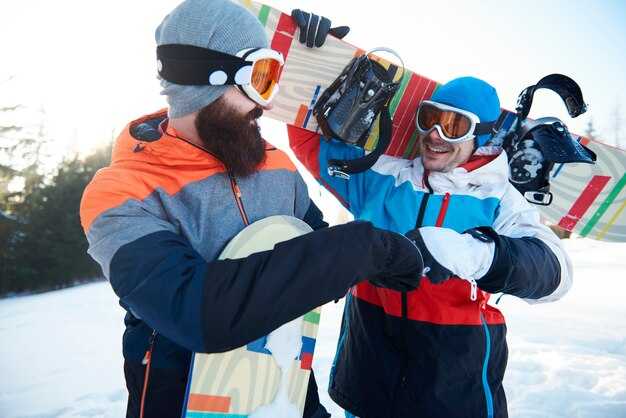
Start with a two-part water start: set a low, wide stance with knees bent, hips under your shoulders, and weight toward the back foot; grip the tow handle firmly with both hands, elbows relaxed, arms extended but not locked; keep the board edge flat and eyes forward toward the coast. As the boat accelerates, rise smoothly by pushing with the back leg and lifting the hips, staying conscious of balance and keeping the front knee soft. Do this with steady breathing and rhythm, doing it into a wave-free flow so the pull feels natural rather than abrupt.
Post-start cues keep you upright and stable: stand tall with the spine neutral, shoulders square, and gaze forward; let arms stay soft and the handle move with your chest. Shift your weight gradually from back to mid-foot as speed grows, keeping the board flat and maintaining a gentle knee bend to absorb bumps from the wake or ground. If you lean back, reset by lowering your hips and re-centering toward the midline; generally, small, deliberate adjustments beat big, last-minute corrections. Always breathe evenly to stay calm through the ride.
Parents can act as ambassador for safe, enjoyable learning–especially in schools where astrids become ambassadors and involve girls and boys. One parent can be the ambassador for the day, making instructions clear and upbeat. Want kids to discover confidence? Hoping for a program that gives steady steps, always keep cues short, repeatable, and positive, and use snorkeling imagery to make the feeling tangible. Still, the approach should be conscious of each kid, because starting on the water can feel daunting; with steady guidance, kids become more comfortable, and the activity remains involving and fun for both kids and families. astrids and other volunteers appreciate the trust families place in them, and that support gives kids a reason to look forward to every session.
| Cue | Action | Common Mistakes | Tips |
|---|---|---|---|
| Pre-start stance | Feet shoulder-width apart, knees bent, weight toward the back foot | Arms tensed, back rounded | Relax shoulders, engage core, keep eyes forward |
| Pop to stand | Boat accelerates; drive with the back leg, lift hips, keep board flat | Rushing the rise, popping off-center | Stay vertical, synchronize hips and shoulders with the boat |
| Post-start balance | Back to mid-foot weight, slight knee bend, tall spine | Leaning backward, locking knees | Breathe, small adjustments, stay relaxed |
| Arm/hand position | Hands at waist level, elbows soft, handle near chest | Locking elbows, gripping too high | Keep grip light, let torso guide the move |
| Gaze and breath | Look forward along the boat line, steady breaths | Looking at board, shallow breathing | Reset every few seconds with a calm exhale |
Keep Motivation High: Fun Games, Short Sessions, and Milestones
Keep sessions to 12–20 minutes and finish with a milestone that marks progress. Always provide jackets and pink gear for visibility, so theyll stay comfortable and engaged during water time, and choose excursions that match wind conditions for a confident start.
Design quick, enjoyable games with clear rules that build skill while staying family-friendly. For example, aim for a pink buoy within a set zone, call out which direction to steer during short pulls, or count seconds of glide and reward effort with a sticker. These activities provide knowledge and guidance, keeping the session enjoyable and conscious of safety.
Keep the pace with little goals; little wins fuel motivation. Short sessions reduce fatigue and help kids stay forward and ready for the next steps. Use aids like a light tow rope or a small board to support beginners, and adjust line length to comfort so everyone stays engaged.
Milestones give tangible progress. Start with stand-up, hold balance for 3–5 seconds, glide 5–8 meters, and stop smoothly in the marked area. Track these steps on a simple chart and celebrate each achievement with a family cheer. This approach stays friendly and provides structure that keeps momentum high.
astrids enjoy family excursions and appreciate guidance that respects their pace. Let them pick little goals each week, and provide concise knowledge about safety rules, which keeps motivation high and the sessions forward-looking. By keeping jackets ready, offering safe aids, and maintaining a friendly tone, you create unforgettable days on the water for the whole family.