


 Suomi
Suomi  English (UK)
  Русский
  العربية
  日本語
日本語  한국어
한국어  Magyar
  Türkçe
  Español
  Čeština
  Svenska
  Português
  Ελληνικά
  Nederlands
  Română
  Italiano
  Français
  Polski
  Українська
  Deutsch
  简体中文
简体中文  Slovenčina
 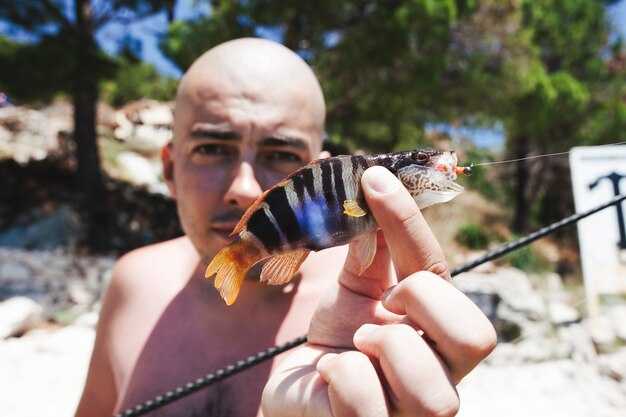 How to Catch Catfish – Expert Tips on Bait, Gear, Techniques">

Start with locating a hole on a shallow downstream bend where the current slows and structure concentrates prey. countyfeatures such as submerged timber, rock ledges, and a wide bottom profile draw the most active fish; scan the shore for signs of sunfish activity and feeding along the edge.
Set up a sliding rig on a robust tackle setup with a sturdy line, a 2–4 oz weight, and a strong circle hook. Use a sunfish chunk or whole sunfish as the lead piece, keeping the mouth of the fish oriented toward the point. Employ a hybrid setup that blends weight and sensitivity, ideal for bottoms and snag-rich runs. Cast across a range of depths from shallow to mid-column, and be ready to adjust the leader length depending on cover.
Execute the retrieval with rhythm: cast along the downstream edge and let the bait settle; when a tug comes, pause, then sweep the rod tip and feed line to keep contact. The slowest bites often arrive after the weight settles near the bottom; stay patient, guard against snags, and let every test teach you the water. If you love quiet patience and precise timing, this approach is rewarding, because the fish gravitate toward the bait, bringing steady action from them.
Adapt to the river’s rhythm because the pattern depends on season, current, and light. In your home waters, mark where you find them most often: near holes, along the shore, or downstream from big structure; note how often bites occur at dawn or dusk. sometimes the best bites come after a short adjustment, so move a few arm lengths and recheck the line. The reward is steady, and the tackle you build today will pay off every outing.
Practical Catfish Angling Guide
Use a minimum 20–30 lb mainline with a 12–24 in leader, a 2–3 oz sliding weight, and a sturdy circle hook. Anchor down in coves where riprap lines the shore and current slows; present them just off the bottom where the edge structure holds fish. Keep the line taut to register quick takes, and adjust your position with each cast based on water clarity. These setups have fished reliably across coastal bays and okaloosa lagoons.
For attractants, use sucker chunks, mullet pieces, crawlers, and a dough ball option; try your favorite combination and test each element to isolate results. The stink of natural scents matters; use unique presentations to improve response. With clear water, go lighter; with stained water, extend the longer leader and let scent linger. In okaloosa coves near riprap, this approach shines. If you fish into longer sessions, stock extra chunks; they stay effective across tides.
Target zones by depth: flathead favor deeper edges, striped cats lurk near structure at night; place one line toward deeper pockets and another toward shallower zones to cover multiple possibilities. As advised by local captains, adjust angle and use staggered lines for easier detection of subtle taps. Each cast should bring the offering within reach of likely holds, and when you see a line twitch, give a firm but controlled set. Fished this way, you can feel the difference between a light nudge and a real bite, easy to distinguish; determined by tide and wind, keep your stance steady and read the current before the next cast.
| Condition | Setup | Huomautukset |
|---|---|---|
| Calm, clear water near coves | 20–30 lb line, 12–24 in leader, 2 oz weight, circle hook; sucker or mullet chunks | Present just off the bottom, near riprap |
| Murky water, dusk | Longer leader, dough ball, crawlers | Stink attractants boost visibility; okaloosa spots respond well |
| Deep flats with current | Anchor down; two rigs aligned to hold in cross-current | Target flathead more; maintain minimum tension |
Choosing the right bait for catfish by species and water conditions
Start with live shad on forked-tail rigs in slow-moving lakes spanning acres; this choice yields the most rewarding bites for blues and flatheads when temperatures hover between 60 and 78°F. Place the set-up near the bottom and tend the line through weed edges and along creeks, where fish frequently pass by in sunshine.
Channel catfish in public waters respond well to cut shad or chicken liver. Use a robust set-up with 2–4 oz weights and a strong leader, and fish near submerged logs or along back eddies where current slows. If the bite is slow, wait the minimum time before swapping baits, then switch to a stinkier option or a fresh cut to keep their attention through the day.
Blue catfish prefer bigger offerings in large reservoirs or lakes well over 100 acres. Go with live shad or large cut bait, targeting depths of 20–40 feet when temperatures rise into the 70s. Use 6–10 inch baits on multi-hook rigs and a heavier line to hold bottom in current. In stained water, add scent and adjust leaders to keep the bait inside the backwash that blues patrol.
Flathead catfish bite best on live fish such as bluegill or shad, often around submerged wood and logs. Target slow-moving channels and brushy cover near Woodruff areas or other woody structure; use bottom rigs with heavy weights and circle hooks sized 6/0–10/0. In lakes with clear water, offer natural presentations; in murk, lean toward larger, stronger baits to trigger sight and bite signals.
Water conditions dictate placement: in lakes with clear water, mimic natural forage and keep baits steady near cover; in acres of murky water, increase bait size and scent to reach fish through the glassy or turbid layers. Orlando-area public lakes and similar valtiot demand frequent changes in depth and distance from shore, especially on sunny days when fish back off to cooler zones. If a bite is determined by line movement rather than visible strike, adjust depth and switch to shad or cut bait that matches what the fish have been feeding on.
Hook types and rigs for flathead, channel, and blue catfish
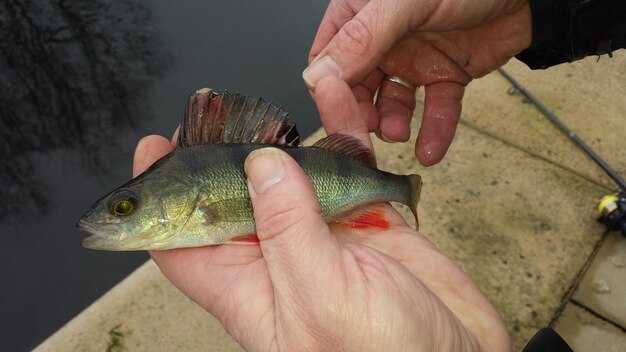
Begin with a Santee Cooper bottom rig: 6–8 oz weight, bead, and barrel swivel, plus a 12–18 in leader to a circle hook for blue catfish; switch to a large J-hook or curved point for flatheads. Spooled braided line provides the necessary strength, and a stout knot keeps connections secure. In muddy current, add weight to pin the rig to the bottom. This setup tend to hold in current and minimize snagging near cover, creating reliable opportunities from tailwaters to deep holes.
Flathead-focused configuration relies on direct bottom contact: a single large hook (5/0–8/0) on a 12–24 in leader with a bottom-hugging stance. A Texas rig with a slip sinker works well, or run a dropper loop with a curved hook to keep the bait near the riverbed. Use 6–8 oz in moderate flow to maintain contact; a straight or curved hook aids clean hooksets on big fish.
Channel cat rigs favor simplicity and quick, solid hookups: a bottom setup with a slip-sinker and one or two hooks, weights 1–4 oz, and circle hooks (#4/0–#7/0) to minimize gut hooking. A short dropper leader keeps the bait in the strike zone while the main line moves with current. In calmer water, a Texas rig offers dependable performance with a single hook and light weight (1–2 oz).
Blue catfish demand heavy tackle and reinforced connections: 8–12 oz weights in flowing water, 60–100 lb class braided line, and long leaders. Either Santee Cooper or Texas rigs work well; circle hooks boost hookup efficiency and reduce handling stress. In slow tailwaters, try artificial lures such as crankbaits to locate fish, then switch to dough balls or paste-based attractants mounted on the hook to seal the bite.
General setup notes: plan from the ramp, coordinate with friends, and begin early in the season when flows are favorable. Use spooled braided line for performance, keep weights heavy enough for muddy conditions, and choose hooks with curved or straight profiles based on bite style. Such rigs tend to deliver, even when fish hold deep or lurk near cover, and they translate well across multiple water bodies and seasons.
Rods, reels, lines, and terminal tackle for freshwater catfishing
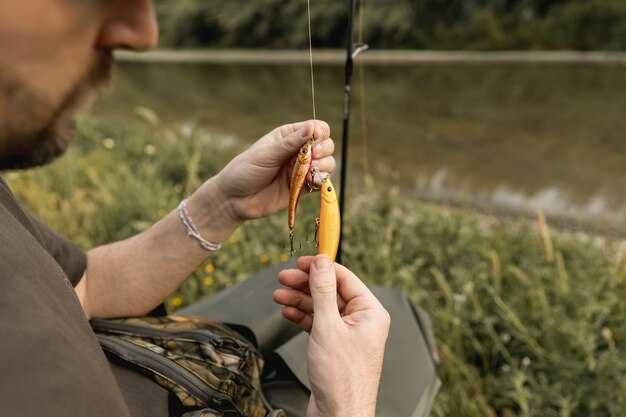
Best starting setup for freshwater catfish is a 7-foot to 7.5-foot rod with medium-heavy action, paired with a sturdy reel and smooth drag. Use about 200 yards of 20 lb braided line backed by 12- to 15-lb monofilament, or run straight braid for deep, beefy control. This setting lets you bring them out of dense cover and patches across acres of water, turning the battle into a controlled, powerful fight.
Line choice and handling: Braided mainline delivers very sensitive feel and strong performance, while a fluorocarbon leader 20–40 lb resists abrasion from rocks and timber. Soak the leader before tying to reduce knot slip in cold water. This setup offers a fantastic balance between learning and control, especially when you fish near sunfish and striped patches that mark weed lines and feed zones across acres.
Terminal tackle: Use hooks sized 4/0–8/0, with circle or wide-gap shapes depending on bite style. A sliding sinker above a bead and swivel prevents line twist; pair with a 20–40 lb fluorocarbon leader for abrasion resistance when fishing into timber and dense cover. This arrangement stays strong in a battle and keeps big fish from tearing off.
Rigging and setting: Approach this sport with a simple rig that works in wintering pools and dense cover. If youd prefer simplicity, begin with the Carolina rig. Tie knots with a reliable palomar or improved clinch; keep line setting taut as you probe patches in acres of water, including weed beds and sunfish schools. Their feeding tends to be gorging during warm spells, so stay focused and smooth, happily turning learning into solid results.
Baiting tactics: fresh bait vs. stink bait, scent trails, and presentation
Begin with live beef bullheads as your main attractant; harvested from a licensed fishery, these fish stay dense in a cooler and deliver strong aroma. Thread 2–4 on a sliding leader so the hook sits 6–12 inches off the bottom, then cast along the shore, side channels, and maidencane patches where activity is highest. Access public ramps and prepare for early drives; plan year-round trips, looking for movement near structure and chasing the target in the same area. In the Weohyakapka fishery and nearby public waters, this setup produces consistent results.
Tuoreet, elävät härkäpäät levittävät terävän hajuaallon kirkkaassa vedessä; sameassa tai virtavesissä käytä pilaantunutta, kalapohjaista houkutinta pidentämään vieheen taakse jäävää tuoksuvanaa. Käytä kohtuullisia määriä veden hajustamiseen ilman, että ylikuormitat kokoonpanoa; vähemmän on usein enemmän, ja voit virkistää tuoksua 20–30 minuutin välein vakaissa olosuhteissa, jolloin jälki täyttää vesipatsaan.
Hajujäljet: anna virran työntää aromi pohjaa pitkin kohdealuetta kohti; kalasta neitsytruo’on reunoja, vesikasvitaskuja ja pudotuksia, joissa tiheä kasvillisuus kerää kaloja. Pyörivä esittely auttaa pitämään vieheen kosketuksissa pohjaan samalla, kun hajun annetaan ajelehtia samaan suuntaan. Vedet, joihin pääsee yleisten kulkuyhteyksien kautta lähellä Weohyakapkan kalastusaluetta, reagoivat hyvin, kun asetat siimat tuulta ja virtaa vasten.
Ulkonäöllä on väliä: käytä liukuvaa asennusta pitääksesi vieheen poissa vesikasvillisuudesta ja hallitaksesi syvyyttä. Vaihtele hitaasti lipuvia pudotuksia ja pidempiä, tasaisia lipumisia peittääksesi saman alueen; pidä viehe 15–30 cm pohjan yläpuolella, kun rakenteita on läsnä, ja pudota syvemmälle, missä pohja nousee jyrkemmäksi. Käytä useita siimoja rannalta lisätäksesi peittoa, erityisesti aikaisin aamulla tai myöhään iltapäivällä, ja koordinoi toimintaa samassa veneessä olevien kanssa tehokkaiden ajojen varmistamiseksi; tämä lähestymistapa helpottaa mukautumista olosuhteiden muuttuessa.
Kenttämuistiinpanot: kirjaa sää, veden kirkkaus ja mitkä houkuttimet tuottivat tulosta; etsi merkkejä piilevästä toiminnasta – kuohkeaa mutaa, vanoja tai pyrstöniskuja – ja tee nopeita muutoksia. Yleisillä alueilla lähellä rantaa ja tiheissä ruovikoissa voit saavuttaa jatkuvia tuloksia ympäri vuoden pitämällä yllä tasaista tarjontaa kerättyjä, naudanlihan makuisia eläviä syöttejä. Jaa päivityksiä Orlandon, Weohyakapkan kalastusalueen ja lähialueiden uutislähteiden kanssa pysyäksesi ajan tasalla ja saavuttaaksesi tuloksia samoja kohdelajeja vastaan.
Syöntihavainnot ja ajoitus: kuinka optimoida iskuyritykset vuodenajan ja vuorokaudenajan mukaan
Suunnittele kohdentavasi kalat hämärän aikaan – aamunkoitteessa ja iltahämärässä – kun vesi hieman viilenee ja aktiivisuus kasvaa. Itäisissä ja koillisissa vesistöissä nämä tunnit matalikoilla ja pensaikkojen läheisyydessä luovat pohjan selkeämmille syöntisignaaleille ja nopeammille vasteille.
- Kevät: kutemisen jälkeinen piristyminen ja matalammalla ruokailu
- Parhaat ajat: aamunkoitto aamupäivään, erityisesti rannan ja jokien ja lahtien, kuten Apalachicolan estuaarin, läheisyydessä olevilla kulkupaikoilla.
- Lyhyitä havaintoja: odota nopeampia iskuja, kun kalat siirtyvät 0,5–2,5 metrin syvyyteen risukasojen ja muiden paikkojen ympärille, joissa leveäsuiset bassot ja muut lajit kerääntyvät löyhästi; etsi lyhyitä, selkeitä nykäyksiä ja siiman tasaista kallistumista, kun suut tarttuvat kiinni.
- Mallin huomautukset: Nämä kalat liikkuvat mielellään lämpimien kohtien poikki ja pitävät virtauksen katkaisevista rakenteista; käytä kampelaa muistuttavia vaappuja ja muita syöttejä, ja vaihda sitten syvempiin virityksiin, jos toiminta siirtyy avomerelle.
- Väline- ja viehevinkit: suunnittele kalastavasi avoimilla rannoilla ja veneiden vesillelaskupaikoilla käyttäen keskitoimisia välineitä; pidä vieheet 2–4 tuuman kokoluokassa houkutellaksesi myöhäiskeväälle tyypillisiä hitaita ja harkittuja iskuja.
- Kesä: helle hidastaa syöntitempoa; maksimoi keskittyminen
- Parhaat ajat: aamun ensimmäiset valo tai auringonlaskun lähestyessä; päivän kuumimpaan aikaan kalat siirtyvät syvempään veteen tai ulokkeiden alle, joten siirry 2–6 metrin syvyyteen ja pensaikkoisiin rakenteisiin rannoilla tai poikki kanavien.
- Lukuvinkkejä: hitaimmat tärpit tulevat siinä vaiheessa, kun siima hetkellisesti löystyy ennen jyrkkää nykäisyä; tarkkaile hienovaraisia pään pudistuksia ja varovaista nykäisyä siiman ensimmäisellä tuumalla, kun kala varmistaa vieheen.
- Huomioitavaa: kohdista syvemmän lämpötilakerrostuman ja kivipiirasiparvien läheisyydessä olevat kohteet; suunnittele toiminta välttäen mustatäplätokkoja ja muita pohjakaloja, jotka syövät paljon pintaan pudonneita shad-kaloja.
- Viehe- ja uistinvinkkejä: käytä vaappuja, jotka jäljittelevät parvissa liikkuvaa varjosärjeä, ja säädä ne hitaampaan ja harkitumpaan kelausnopeuteen; pidä viritykset lähellä suojia, mutta vältä liiallista sijoittamista avoimille meriseinämille.
- Syksy: ruokailuikkuna laajenee; iskuista tulee päättäväisiä
- Parhaat ajat: ennen aamunkoittoa ja auringonlaskun jälkeen, lämpimän sään taskujen pidentäessä aktiivisuutta; suurten jokijärjestelmien poikki, koillisrannikon paikat ja itäisiin altaisiin osoittavat johdonmukaisia iskuja matalammissa ja keskisyvyyksissä.
- Purentasyötit: odota voimakkaampia nykäyksiä tai äkillistä vajotusta, kun aktiiviset kalaparvet tunkeutuvat 1,2–3,7 metrin syvyyksiin; monet puremat tapahtuvat, kun kalat kiertävät vesikasvillisuudesta avoveteen rakenteiden lähellä.
- Vihjetietoja: Koulut ahtautuvat matalien reunojen ja kärkien ympärille; keskity sisääntulopisteisiin ja rantaviivan reunoihin, joihin aallot työntävät syötin.
- Väline- ja vieheohjeistus: Suosi luotettavia vieheitä, jotka lentävät hyvin rannalta tai veneestä; suunnittele käyttäväsi sekä matalia että keskisyvyisiä uittotekniikoita ja vaihtele usein shad-jäljitelmien ja aggressiivisempien vaappujen välillä.
- Talvi: kylmiä rintamia, kärsivällistä tunnustelua, syvempiä otteita
- Parhaat ajat: myöhäinen aamupäivä tai alkupäivä, jolloin aurinko synnyttää matalan lämpimän taskun; tarkkaile syvempien kanavien poikki ja rakenteiden ympärillä, jotka pidättävät lämpöä, mukaan lukien risujätteet ja auringon valaisemat rannat.
- Lukuvinkit: varovaiset tärpit ovat hitaimpia ja harkituimpia; tarkkaile vähäistä siiman liikettä, ennen kuin nykäisy muuttuu tasaiseksi vedoksi, joka usein tuntuu hienovaraiselta pohjassa nykimiseltä.
- Huomioitavaa: kohdista kalastuspaikat paikkoihin, joissa on runsaasti hietasinttejä ja muuta ravintoa, sekä avomeren kalapaikoille; suunnittele kalastus sellaisten piikkisimppujen ja muiden pohjakalojen läheisyydessä, jotka viihtyvät syvempien suojapaikkojen läheisyydessä.
- Väline- ja viehevinkkejä: käytä paksumpia siimoja ja hitaampaa, kärsivällistä rytmiä; harkitse suurempia syöttejä tai luonnollisia esityksiä, jotta saat kalan nappaamaan kylmässä vedessä.
Kausistrategian kulmakivet: keskity paikkoihin, joissa risukot ja rakenteet pitävät syötit, asetu lähelle kulkureittejä, rantaviivoja ja vesipatsaissa, joissa saaliskalat liikkuvat parvissa. Apalachicolan alueella ja muissa itäisissä vesissä säännölliset tarkastukset sekä rantaviivoilla että syvemmillä kanavilla tuottavat tasaisimpia tuloksia. Suunnittele heittäväsi veneestä tai rannalta ja mukauta toimintasi ympäristöön – ihanteellinen aika puraisuille riippuu usein säästä ja veden lämpötilasta: tyynellä säällä aktiivisten kalojen näkeminen risukkorajojen lähellä lisääntyy, ja tuulen noustessa varjot ja vedenalainen rakenne edistävät jatkuvaa ruokailua. Useilla eri paikoilla näet keskinopeuksien muuttuvan; parhaat lukijat oppivat tutkimaan vähemmän aktiivisia alueita ja keskittyvät sitten lupaavimpiin paikkoihin kärsivällisellä ja metodisella lähestymistavalla. Vieraile säännöllisesti kulkureiteillä ja risukasoissa suosikkikohteissasi Koillisessa pitääksesi suunnitelman tuoreena ja havaitaksesi toiminnan muutokset aamusta iltaan.