


 Suomi
Suomi  English (UK)
  Русский
  العربية
  日本語
日本語  한국어
한국어  Magyar
  Türkçe
  Español
  Čeština
  Svenska
  Português
  Ελληνικά
  Nederlands
  Română
  Italiano
  Français
  Polski
  Українська
  Deutsch
  简体中文
简体中文  Slovenčina
 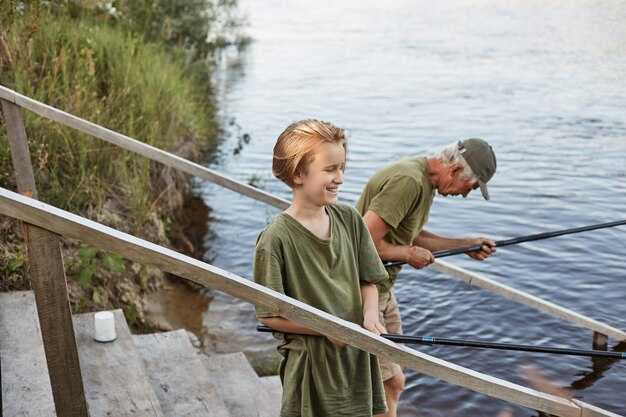 How to Avoid Seasickness on a Fishing Boat – 8 Practical Tips">

1. take meclizine with a light snack roughly one hour before you depart to blunt the onset of nausea on the water. your intake should be planned, and you can adjust the dose by weight and tolerance as needed.
2. Place yourself toward the center and forward on the craft; keep your gaze level toward the horizon and avoid looking below deck where motion is more predictable; those adjustments reduce the acceleration felt by the vestibular system.
3. Snack lightly during the voyage with options like pretzels, crackers, or fruit; through the day, nibbling in small portions helps staying feeling steady on long trips.
4. Skip heavy meals before the voyage; opt for gentle, easily digestible options to reduce gastric load, especially if you have years of exposure to rough seas.
5. Hydration matters: sip water regularly to support your system and monitor your intake; avoid dehydration as a trigger for nausea.
6. If you are new to these trips, start with shorter runs to gauge what works for yourself; specifically, adjust pacing and cabin temperature to reduce stress through the day.
7. Embrace a gentle routine: breathe evenly, stay outdoors when possible, and keep a steady gaze on the horizon; gentle movement and light stretching help prevent queasiness between tasks.
8. Build your own kit of monitoring cues from years of trips: note what triggers discomfort and adapt your intake and rest periods through careful planning; staying proactive will keep you feeling capable, confident, and ready to handle rough waves.
Practical strategies for anglers to stay steady on deck
Stand with feet shoulder-width apart, knees slightly bent, core engaged, and one hand gripping a stable rail; this stance will keep your upper body steady as cruising begins and swells roll through the deck.
Fix your gaze on the horizon and maintain a constant head position; a steady line of sight reduces the onset of queasiness, and avoids unnecessary shifts near the wheel.
Control breathing: slow, deep breaths, in through the nose and out through the mouth; anxiety, typically a trigger, is alleviated when you keep breathing steady.
Wear non-slip footwear and secure gear to minimize movement; essentials like a compact harness, a whistle, a small first-aid kit, and a bottle of water belong in a chest pocket to prevent unnecessary shuffling.
Move with discipline: limit sudden steps, plan routine tasks, and coordinate with crewmates; these options reduce nausea chances and let you stay focused, even when others need to pull hard on the line; if theyre moving, you adjust with minimal crossing.
All-natural remedies such as ginger, peppermint tea, or acupressure bands can provide relief with minimal side effects; medicine options are available if discomfort returns, but choose medicine options with care.
Positioning relative to the wind and spray matters: face slightly into the wind, keep a low stance, and avoid leaning into gusts; winds can be a primary trigger for imbalance. If you want to minimize risk, adopt this posture.
Manage conflict of motion by keeping a routine: lock in a single task at a time, and shift attention to the world around you or the wonders of the sea to stay engaged while movement occurs, know what your body signals and adjust, which boosts enjoyment.
Horizon checks paired with hands near the wheel provide a natural reflex to stabilize; if you must adjust, do so in small increments and keep three-point contact with a rail, says a seasoned deckhand who understands calm balance.
Onset of queasiness can return; if that happens, sit, hydrate, and reassess food intake; the chances of a full setback drop when you stay disciplined and rest periodically.
Pre-boat meals and ginger snacks to settle the stomach
Eat a gentle, balanced snack 1.5–3 hours before departure and choose options that sit well on the stomach: toast with a light spread, warm oatmeal, or yogurt with crackers. plenty of fluids, especially water, support digestion and reduce nausea before the first swell.
Ginger is a natural helper: candy choices such as ginger candies or crystallized ginger provide a steady effect. Take one or two pieces 30–60 minutes before heading out; theyre easy to carry and won’t weigh you down when the deck starts rocking. If you prefer, ginger tea offers a soothing alternative, but candy is quick and portable in light winds.
For preventative relief, over-the-counter medicine can be considered after a quick consult with an experienced clinician or pharmacist. Use according to the label and avoid mixing with alcohol. This option can enhance comfort by reducing nausea signals before they peak, helping you stay on deck longer and safer.
Technique matters: chew each bite thoroughly, eat slowly, and vary meal timing with sea state. A small, steady intake combined with a candy or fruit, plus a light beverage, helps keep the stomach calm as the rocking increases. If symptoms appear, have plenty of options ready: candy, crackers, fruit, and medicine if approved. Points to consider include choosing foods that stay stable in your stomach and keeping a few strategies in your pocket for varying conditions.
Most scenarios show proactive choices reduce nausea; when used consistently, the effect tends to disappear quickly, or at least feels manageable, increasing your chances to stay on task and help the crew. Experienced hands know that gentle foods and ginger snacks can be a reliable first line, improving your ability to enjoy the trip.
Choose a stable stance and keep eyes on the horizon
Stand with feet shoulder-width apart, knees softly bent, weight centered, and chest open. This easy alignment dampens pitch and roll, stabilizing your center and maintaining comfort during long watches. Keep your gaze about 20–30 degrees above the horizon to anchor your senses and reduce disorientation. These experiences, such as mild nausea, are commonly mitigated by proper stance.
- Gradually adjust your stance as the sail shifts: small 5–10 degree corrections keep balance without triggering abrupt motion. Never snap into position; smooth transitions lower the risk of vomiting and fatigue.
- Fix your reference: steady gaze toward the horizon, avoid following fast-moving gear from the deck or nearby objects, and keep the head and eyes aligned with the line of sight. This light focus gives steadiness to your inner system.
- Secure your body: place a hand on a rail or lip of the cockpit; keep shoulders relaxed and avoid tensing, which amplifies signals of motion.
- Hydration and sugar remedy: sip water regularly; a small sugar-containing snack helps maintain blood sugar and reduces nausea. If you feel dizzy, take a break and breathe slowly.
- Breathing and pacing: use slow, deep breaths–inhale through the nose, exhale through the mouth–to support the body’s response and lessen seasick sensations.
- Prepare for shifts: pack a compact kit with hydration fluids, sugar lozenges, and a lightweight fan or shade to keep light from triggering eye strain and to maintain comfort against glare.
- Know when to seek help: if youre experiencing persistent disorientation or vomiting or if symptoms worsen, stop and inform the crew; a doctor may suggest a different remedy or position.
Onboard natural remedies: ginger, peppermint, aromatherapy, and acupressure bands
Take ginger before heading into the swell: 250–500 mg capsules or chewable strips, 1–2 doses before departure; theyre easy to store in pockets or seats, and the taste is brisk enough to settle the mouth, which gets you through rough seas. Ginger blocks brain signals and gut triggers, significantly reducing vomiting risk during cruising, because the active compounds interact with receptors in the brain. Hydrated waters help the effect through the journey, so sip water after ingestion to maintain fluids and comfort.
Piparmintti toimii hellävaraisena pahoinvointilääkkeenä juotuna teeenä, kapselina tai taskuhyppärinä. Piparminttuöljy viilentää vatsaa ja sitä voi maistaa tai hengittää; tuoksua sietävät yleensä useimmat veneilijät. Erityisesti piparmintti auttaa rauhoittamaan aivoja ja vähentämään pahoinvointia varhaisessa vaiheessa, mikä tekee risteilystä vähemmän ahdistavaa. Nauti pieni määrä piparminttiteetä taukojen aikana tukemaan nesteytystä ja tasaista hengitystä.
Aromaterapia kannuksella käyttää kompaktia tuoksuhajotinta tai henkilökohtaisia hengittäjiä piparmintun, sitrushedelmien tai laventelin kanssa. Pidä tuoksut kevyinä, jotta aistit eivät ylikuormitu; rauhallinen tuoksu auttaa katsetta pysymään kiinnittyneenä horisonttiin, mikä rajoittaa huimauskohtauksia. Aromaterapia toimii ennaltaehkäisevänä toimenpiteenä, joka lisää mukavuutta ilman raskaita lääkkeitä, ja se kulkee hyvin kosteiden hyttien läpi.
Acupressure-vyötteet kohdistavat hellävaraisen paineen P6-pisteeseen ranteen sisäsivulla, laajalti tutkittuja ennaltaehkäiseviä strategioita. Ne ovat mukavat ja pysyvät paikoillaan kovissakin merisäissä, mikä tekee niistä käytännöllisiä sekä istuimissa että seisomapaikoissa. Niiden käyttäminen matkan aikana vähentää oksentamisen halua ja pitää sinut nesteytettynä, alentaen kuivumisriskiä, joka voi laukaista lisää pahoinvointia. Jotkut Francisco-pohjaiset toimittajat tarjoavat pieniä settejä vöitä ja teippejä helppokäyttöisyyden takaamiseksi ennen, aikana ja jälkeen liikkeen aikoina.
Nesteytys, hengitystekniikat ja raikas ilma kannella
Nestele pieniä, tasaista juomia ja ankkuroi tämä tapa ajastimeen: juo 150–200 ml 15 minuutin välein matkan aikana. Tämä pitää nestetasosi vakaana ja estää äkillisen huimauksen, mikä auttaa sinua ehkäisemään oireita ennen kuin ne alkavat.
Matkustaessa pidä pieni pullo helposti saatavilla ja suunnittele rytmi, joka sopii omaan tahtiisi. Jos haluat, sokeritabletit ovat yksinkertainen vaihtoehto ylläpitää energiaa kannella.
Pidä sokeritabletteja taskussa nopeana energiapläjäyksenä; tämä yksinkertainen toimenpide auttaa estämään äkillisiä verensokerin laskuja purjehtiessa. Niille, jotka pitävät nopeasta piristyksestä, nämä vaihtoehdot ovat helposti saatavilla pidemmillä merimatkoilla.
Käytä kolmen hengityksen sykliä vatsan rauhoittamiseen: hengitä nenän kautta neljä sekuntia, pidä kaksi, hengitä ulos huulet supistetusti kuusi. Vaikka se tuntuu miedolta, toista kolme sykliä; nämä ihmeet sekä piparminttutee auttavat vähitellen pitämään sinut mukavana keinuvilla kannoilla.
Tuore ilma kannella on tärkeää: astu ulos viiden minuutin istunnoiksi, käänny myötätuuleen ja pidä päätä sydäntä korkeammalla, kun tunnet huimausta. Nämä pienet tauot, jotka otetaan matkan aikana, vähentävät vähitellen epämukavuutta ja parantavat tasapainoasi. Stan huomauttaa, että näiden vaihtoehtojen sisällyttäminen ohjelmaan pitää sinut mukavana pitkillä merimatkoilla.
Jokainen matkustaja kokee meren eri tavalla, joten säädä tätä rytmiä oman sietokykysi ja oman tahdillesi sopivaksi. Jokainen säätö voi auttaa sinua pysymään vakaana, enemmän kuin uskot.
Jos sinulla on terveysongelmia tai kysymyksiä, keskustele lääkärisi kanssa ennen tämän rutiinin aloittamista ja noudata suunnitelmaa, joka sopii sinulle parhaiten. Jokaisen matkustajan tulisi mukauttaa rytmi, mutta ydinidea pysyy samana: nesteytys, hallittu hengitys ja ulkoilu pitävät sinut ankkuroituna.
| Action | How to do it | Benefits |
|---|---|---|
| Hydration cadence | Juo 150–200 ml 15 minuutin välein; pidä sokeritabletteja lähettyvillä | Stabiloi nesteitä ja energiaa, estäen huimausta |
| Hengityskuvio | Kolmen syklin kierto: hengitä sisään 4s, pidätä 2s, hengitä ulos 6s; toista kolme sykliä | Tyynnyttää sisäkorvaa, vähentää pahoinvointituntemuksia |
| Ulkoiluaika | Astu ulos kannelle useita viiden minuutin jaksoja; käännä kasvojasi tuulta kohti; käytä piparminttu tuoksua, jos haluat. | Parantaa verenkiertoa ja mukavuutta matkan aikana. |
| Korjaustoimenpiteet & lisäpalvelut | Kuljeta mukana piparminttua, muutama sokeritabletti ja pieni tuuletin; pidä taukoja asteittain | Valmiita vaihtoehtoja voidaksesi tuntea olosi paremmaksi nopeasti |
| Turvallisuusohje | Jos oireet jatkuvat, ota yhteys lääkäriin; säädä rytmi tarpeen mukaan. | Turvallisuus ja asianmukainen hoito |
Lepo, kofeiinin ajoitus ja valolle altistuminen väsymyksen ehkäisemiseksi
Maksimoi lepo kiinteällä aikataululla ja lyhyillä päiväunilla rauhallisten jaksojen aikana, jotta pysyt skarppina purjehdusmatkalla. Tavoittele 7–9 tunnin ydinunta maissa ollessasi; jos se ei ole mahdollista, 20–30 minuutin päiväuni voi palauttaa tarkkaavaisuuden ilman voimakasta unihälyä. Luo mukavuusalue: riittävästi pimeyttä, hiljainen tila, hengittävät vaatteet ja tasainen lämpötila tukemaan palautumista ja vähentämään päänsärkyriskiä.
Suunnittele kofeiinin käyttö tarkoituksella. Nopeavaikutteinen annos 100–200 mg antaa nopean piristyksen 15–30 minuutissa, minkä jälkeen voidaan ottaa säännöllinen annos, jos väsymys jatkuu. Pidä päivittäinen kokonaiskulutus alle 400 mg, jotta vältetään hermostuneisuus ja unen häiriöt; rajoita myöhäisen päivän käyttöä vakaan kehon kellon ja tasaisen energian ylläpitämiseksi vuoron aikana. Suosi veden juomista kahvikuppien välillä, jotta pysyt nesteytettynä ja mukavana.
Kirkas valo nollaa vuorokausirytmin. Hae ulkovaloa ensimmäisen 1–2 tunnin sisällä heräämisestä terävöittääksesi valppautta ja väsymyksen ehkäisemistä. Kun aurinko on vähissä, 20–30 minuutin istunto lamppua käyttäen, joka tuottaa 2 500–5 000 lukssia, voi korvata. Käytä aurinkolaseja häikäisyn varalta ja hattua mukavuuden vuoksi kannella, säilyttäen mielialaa ja keskittymiskykyä.
Inkivääri tarjoaa suositun, luonnollisen vaihtoehdon liikeestä johtuvaan pahoinvointiin ja tukee mukavuutta pitkillä vahtivuoroilla. Tyypillinen annos on 1–2 g päivässä, säädettynä siedettävyyden ja vasteen mukaan. Nopeavaikutteiset inkiväärimuodot voivat auttaa mukavuudessa ja saattavat auttaa hallitsemaan päänsärkyriskiä pitkillä vuoroilla kannella.
Stan, päällysmies, huomauttaa, että ennaltaehkäisevä lähestymistapa, jossa on kiinteät lepoajat, mitattu kofeiini ja kirkkaat valovaroitukset, kohdistaa vuorokausikiertoja ja vähentää väsymyksen riskiä.
On olemassa useita tehokkaita järjestelyjä energian ja mielialan ylläpitämiseksi: kiinteä lepo, suunniteltu kofeiiniaikataulu ja ajoitettu valolle altistuminen; ne estävät väsymystä ja auttavat nauttimaan matkasta.