


 Suomi
Suomi  English (UK)
  Русский
  العربية
  日本語
日本語  한국어
한국어  Magyar
  Türkçe
  Español
  Čeština
  Svenska
  Português
  Ελληνικά
  Nederlands
  Română
  Italiano
  Français
  Polski
  Українська
  Deutsch
  简体中文
简体中文  Slovenčina
  Embera Village – Indigenous Culture & Handicrafts in Panama">

Varaa opastettu, pienryhmälle suunnattu veneretki aamunkoitteessa päästäksesi joenrantayhteisöön ja todistaaksesi elävää kutomista, helmityötä ja kaiverrettuja hahmoja. Suuret matkailijat kutsutaan osallistumaan lyhyeen käytännönläheiseen aktiviteettiin, jossa he kutovat aloitushelmen kangaspuissa ja kokeilevat yksinkertaista palmu-kuituranneketta. Ryhmä pidetään pienenä henkilökohtaisen vuorovaikutuksen mahdollistamiseksi tekijöiden kanssa.
Kuivan kauden aikana valo suutelee hiljaista järvenpoukamalaa pilvien ajelehtiessa yläpuolella. 15 minuutin kävelymatka laiturilta ohittaa muutaman lammikon ja avautuu sitten käsityöpihalle. Vuosien ajan matkailijat ovat noudattaneet tätä järjestystä: katsovat nopean esittelyn, esittävät kysymyksiä ja ostavat suoraan käsityöläisiltä, varmistaen että käsityöläiset saavat kohtuullisen tuoton samalla kun käsityö pysyy elinvoimaisena.
Turvallisuus Muista: käytä tukevia kenkiä, pysy ryhmässä ja säilytä arvoesineet kuivapussissa. Vältä syvää kahlaamista koskiosuuksilla ja noudata aina oppaan ohjeita. Jos suunnittelet lyhyen vaelluksen, valitse tasainen reitti ja varaa riittävästi aikaa valokuville ja levähdystauoille.
Tuotteiden hinnat kuvastavat käsityön vaivaa: pienet korit ja helmityöt ovat yleensä hinnaltaan $15 osoitteeseen $50, suuremmat kudotut matot $60–$120, ja veistetyt kulhot vaihtelevat kooltaan. Jokaisen tälle alueelle matkustavan tulisi ottaa mukaan pyyhe jokikosketuksia varten ja kevyt takki äkillisiä sadekuuroja varten; liput ovat per henkilö, ajat ovat 9:00 ja 11:30, riippuen säästä ja joen olosuhteista. eine einfache demonstration kestää noin tunnin, jota seuraa lyhyt kysymys- ja vastausosio. Ryhmä voi järjestää toisen istunnon tarvittaessa tiukempaan aikatauluun.
Embera-kyläkokemussuunnitelma

Varaa lisensoitu opas kahden päivän pienryhmämatkalle uppoutumisen maksimoimiseksi. Aloita järvenrantalaiturilta ja kävele metsäisille terasseille; vauhti pysyy maltillisena, ja opas räätälöi jokaisen askeleen kiinnostuksesi mukaan. Reitti kulkee vesistöjen äärellä, ohittaa vuoristonäkymän ja voi paljastaa etäisen tulivuoren selkeinä päivinä. Nämä kohtaamiset tarjoavat suoria vuorovaikutuksia paikallisten isäntien kanssa ja käytännön taitoja, joita voit soveltaa tulevissa tutkimusmatkoissasi. Maasto pitää sisällään monimuotoisia mikroalueita; opit, miten rajat ja käyttöoikeudet toimivat tällä alueella, kunnioittaen isäntiä ja heidän suostumustaan.
- Päivä 1 – Saapuminen, perehdytys ja kävely järven rannalla
- Tapaaminen laiturin luona järvellä; turvallisuuskatsaus, käytöstavat ja nopea kieliopin perusteiden kertaus.
- Kävele 4–6 km tietä ja metsäpolkua pitkin; pysähdy korkeammalla paikalla tutkimaan maastonmuotoja ja järven vesiä.
- Johdatus syötäviin kasveihin ja varoitus myrkyistä; älä koskaan syö mitään, ellei opas ole sitä hyväksynyt.
- Päivä 2 – Jokimatka ja seikkailullisia aktiviteetteja
- Koskenlaskua tai melontaa rauhallisella osuudella; valitse pienempiä melontaryhmiä turvallisuuden vuoksi; varusteet tarkistettu ja tuplatarkistettu; nämä retket voidaan järjestää.
- Pysähdys luonnon tarkkailuun ja lyhyt tauko joen rannalla; keskustelua paikasta ja ihmisten suhteesta veteen ja maahan.
- Iltakulttuurivaihto: tarinoita, taiteilijoiden helmitöiden esittelyjä; helmitöitä ja kudontaa esitellään osana jokapäiväistä taiteellisuutta käsityön sijaan.
- Päivä 3 – Osallistu arkielämään ja kotiinlähtö
- Osallistuminen yksinkertaiseen askartelutyöpajaan, tekniikoiden ja mallien oppiminen; voit kokeilla yksinkertaista kuviota ja ottaa sen mukaasi.
- Aterioita, joissa on appelsiineja ja paikallisia peruselintarvikkeita; kunnioita ruokavaliorajoituksia ja jaa reseptejä, jos pyydetään.
- Pakkaaminen ja paluu takaisin maanteitse tai veneellä; mahdollisuus pidentää oleskelua tai muuttaa päiviä uusien seikkailujen mahdollistamiseksi on järjestettävissä.
Käytännön vinkkejä: parhaat ajankohdat ovat kuivemmat kuukaudet; ota mukaan kevyet sadevarusteet, aurinkosuoja ja pienikokoinen ensiapulaukku. Kävelyn jälkeen voit pohtia mitä opit; nämä suunnitelmat nach omaan tahtiin; kysy oppaalta jyrkistä osuuksista ja pidemmistä vaelluksista. Järjestelyt können werden mukautetaan vastaamaan matkailijoiden seikkailunhalua ja ryhmän energiatasoa; ei huteja tällä reitillä, ja saat syvemmän ymmärryksen maasta ja sen ihmisistä. Appelsiinit maistuvat parhaimmilta ystävien kanssa jaettuna; voit myös tuoda pienen lahjan kiitokseksi isännille.
Emberan kylä: alkuperäiskansojen kulttuuria, käsitöitä, vaijeriliuku, tulivuoren kraatteri ja vuoristonäkymiä Panamassa
Varaa opastettu, pienryhmämatka, jossa yhdistyvät kulttuurielämys, adrenaliiniryöppy ja kraatterivaellus; valitse lisensoitu matkanjärjestäjä, joka korostaa turvallisuutta, tarkastettuja varusteita ja päivittäisiä aikatauluja, jotka on sovitettu aamuolosuhteisiin. Vaikka aamut ovat viileämpiä ja valo on kirkkaampaa, tämä alkaa aikaisin, jotta näkyvyys maksimoidaan ja kuumuus minimoidaan. Tämä järjestely tarjoaa täydellisen tasapainon luonnon, käsityön ja jännityksen välillä.
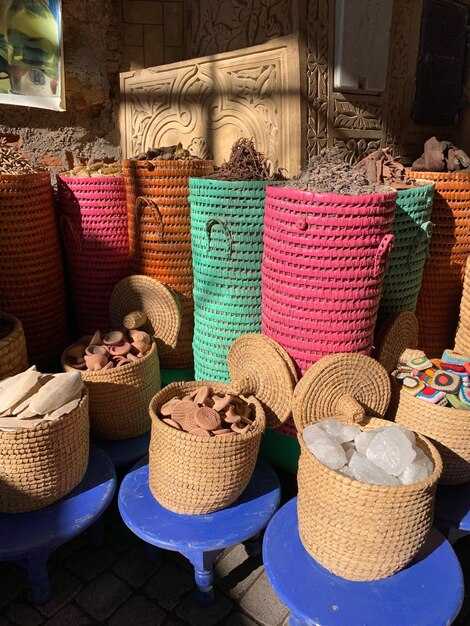
Kylävierailun aikana paikalliset käsityöläiset esittelevät kutomista, helmikirjontaa ja veistettyjä kulhoja; nämä työt saavat värinsä rehevistä kasviväreistä ja kestävästä puusta, ja niistä syntyy värikkäitä muistoesineitä arkeen ja matkakertomuksiin. Luonnosta kiinnostuneet voivat odottaa kohtaavansa metsän eläimiä poluilla sekä pienen torin, jolla on tarjolla tuoreita appelsiineja.
Vaijeriliu'ut ylittävät puiden latvustot turvalukkojen ollessa valjaissa; oppaat käyvät läpi turvallisuusohjeet ennen aloitusta, ja vaihtoehdot vaihtelevat lyhyemmästä ajelusta pidempään, haastavampaan linjaan. On mahdollista yhdistää liito rauhallisempaan metsäkävelyyn monipuolisen kokemuksen saamiseksi.
Kraatterivaellus tarjoaa avarat vuoristonäkymät koko alueelle; kirkkaana päivänä horisontti avautuu rehevien laaksojen ja kaukaisten harjanteiden yllä, ja virkistävä ilma tehostaa eläytymistä. Reunalta näet usein jokilaaksot ja metsäkatoksen horisonttiin asti.
Käytännön vinkkejä: ota mukaan vettä ja muutama appelsiini nopeaa energiaa varten; pukeudu hengittäviin kerroksiin ja kestäviin housuihin; aurinkovoide ja hyönteiskarkote lisäävät mukavuutta kosteassa ilmassa. Tarkista Verfügungen luvat ja opastettu pääsy; monet toimijat tekevät yhteistyötä paikallisten yhteisöjen kanssa liittovaltion ohjeiden mukaisesti varmistaakseen oikeudenmukaisen korvauksen. Tämä valmistautuminen tekee kohtaamisesta turvallisemman ja merkityksellisemmän.
Logistiikka ja käytöstavat: pienemmät ryhmäkoot vähentävät ruuhkia ja stressiä oppailta, joiden erfahrenen-tiimit selittävät sademetsän ekologiaa, kulttuurisia normeja ja käsityöperinteiden merkitystä. Nämä ammattilaiset stolz ottavat ilon jakaessaan aitoja tarinoita ja turvallisia käytäntöjä, joten kuuntele heidän neuvojaan eläinten kohtaamisista ja siitä, miten toimia, jos villieläimiä ilmestyy lähelle polkua. Dass-turvallisuus on edelleen yhteinen prioriteetti koko kokemuksen ajan.
Kunnioittava vierailu: Kuinka olla vuorovaikutuksessa Embera-isäntien kanssa ja yhteisön ohjeistus

Älä koskaan mene asuintiloihin ilman nimenomaista lupaa; tässä maassa isännät voivat kutsua sinut eteenpäin vasta toivotettuaan sinut tervetulleeksi, joten odota kutsua ja tarkkaile kynnykseltä mieluummin kuin astut sisään vieraana.
vaatteet asiaa: pukeudu hillitysti, pitkähihaisiin vaatteisiin luonnollisissa sävyissä, riisu hattu sisätiloissa pyydettäessä ja jätä koristeelliset asusteet pois häiritsemästä juhlallisia tiloja.
Valokuvat vaativat harkintaa; kysy aina lupa ennen ihmisten tai seremonioiden kuvaamista – erityisesti aikana, jolloin perkele esitykset tai pyhät esineet; jos lupa myönnetään, jaa kopiot myöhemmin ja vältä tunkeilevia lähikuvia lapsista tai vanhimmista.
Kun ruokia tai elintarvikkeet Tarjolla olevaan osallistukaa kiitollisuudella ja ottakaa vain sen verran kuin jaksatte kuluttaa; tukekaa comarcan taloutta ostamalla tarkastetuilta paikallisilta myyjiltä ja kunnioittakaa perinteisiä ruokailutottumuksia ulkopuolisten tuotteiden tuonnin sijaan.
Suojele luonnon monimuotoisuutta pysymällä merkityillä poluilla lähellä vedet ja pools, sääntöjä noudattaen joen ranta ja varjostettuja alueita; älä koske mammals tai muuta eläimistöä, ja vie kaikki jätteet luonnon säilyttämiseksi shades ja tree latvukset vuodenajan rajaa pitkin.
Valitse lisensoitu opas comarcalta; tämä luokittelu tukee oikeudenmukaista tulonjakoa ja yhteisöohjelmia; ole ready oppiaksesi paikallisia käytöstapoja, välttääksesi isäntien painostamista alennuksiin ja kohdistaaksesi aktiviteetit nykyisen season ja kunnioittava adventure plan.
The coastal costa and inland trails offer snorkeling and river experiences only in designated zones; follow signage, listen to hosts, and keep your pace for a safe rambling journey that does not disturb native flora or fauna; obtain permission before entering restricted zones.
Look for clear signals of welcome and communicate in simple terms; you should be looking for consent before any hands-on involvement; if in doubt, pause and consult a translator to avoid missteps during an activity called a community gathering, ensuring you are ready to adapt with verfügung and mutual respect.
Authentic Handicrafts: identify genuine crafts and a simple bargaining approach
Ask guides at the dockside markets to spotlight verified works; be ready to compare several items and stand firm on a fair target price; ask about the item’s origin and materials, and rely on the location where it was crafted to assess authenticity; use a plan to track prices across sellers in anderen markets.
Genuine pieces show natural fibers, hand finishes, and motifs tied to forests, reefs, and the water; look for maker signatures or workshop tags; in fonseca coastal stalls, floß-inspired reedwork and shell inlays are common; examine workmanship and the coloration from wasser-based dyes; authenticity increases when a piece lists a specific workshop and the craftsperson’s name; a brief conversation with the seller often reveals the story behind the piece; the oceans influence becomes clear in the designs, reflecting a strong sense of place along shores and rivers.
Simple bargaining method: greet well, ask for the price, and propose a target around 60% of the initial quotation, adjusted by material quality and workmanship; if the seller counters, offer a package deal for multiple items to leverage value; stand your ground, but show respect, and be prepared to walk away if terms don’t improve; your macht grows when you demonstrate readiness to resolve the exchange on fair terms; when you agree, request a small tag with the maker’s name to support the creator and their workshop, strengthening the local economy.
Plan a practical route between markets to compare similar pieces along flussufer routes and near forest edges; drive between locations on a clear day, and nach a few purchases take a break at beaches or a reef-side café to review what you’ve learned; grab empanadas for a quick snack and enjoy the relaxation by the sea; if rain interrupts, switch to covered stalls and continue; long conversations about provenance help anyone assess dauer and classification, especially when rainfall shapes material choices and colors; plane travel can connect you to higher-demand hubs, but true value remains rooted in the work and its located origins.
With mindful preparation you’ll discover authentic artifacts that carry a real sense of craft, history, and place; guides and locals will help you compare pieces, while you balance price with value, ensuring a fair outcome for both buyer and maker, and leaving you with a memorable journey marked by quality, respect, and discovery.
Zip Line Details: required gear, safety checks, and recommended routes
Put on a full-body harness, helmet, gloves, and sturdy boots before approaching the launch platform. Required gear includes a dual-lock carabiner, trolley, backup safety line, and a harness with proper straps; pack a compact bag with water and lebensmittel for a quick trek. Ready families can expect a route that takes you through dense vegetation and over small streams in the Chiriquí reserve location, offering great canopy views and chances to see animals and beaches along the course. The launch place is clearly marked to keep the group together, making the trek comfortable.
Safety checks: Before release, inspect anchors and the main cable for wear or corrosion; confirm carabiners are locked and the trolley rolls freely; verify the braking system on both ends works; ensure the backup line is secured and the weather is acceptable for the ride. The guide oversees the procedure, and perform a quick test slide on a low segment to confirm comfortable handling. keine delays occur if checks are thorough.
Routes: Recommended options include easy legs of roughly 0.5–0.8 miles suitable for family beginners, a moderate leg of 1.2–2 miles that crosses wider vegetation corridors, and a longer leg up to 3 miles spanning rivers and steep canyons. All start at the launch site in the reserve near vegetation and wildlife; optimal times are morning or late afternoon when visibility is high and animals are active; including rest stops and photo opportunities, the experience remains comfortable and memorable for groups from nearby regions, with miles logged depending on chosen path. This glide is ground-suspended, not a plane ride; applicants may see rafts on river sections and occasional fishing activity downstream, adding to the sense of place even on a warm day.
| Item | Details | Huomautukset |
|---|---|---|
| Vaihde | Full-body harness, helmet, gloves, trolley, dual locking carabiners, backup line, pack with water | Keep pack light; lebensmittel and beef jerky work well for quick energy |
| Safety checks | Inspect anchors and cable for wear, ensure carabiners locked, trolley rolls smoothly, brakes functional, weather suitable | Guide conducts checks; keine delays occur when thorough |
| Routes | Easy: 0.5–0.8 miles; Moderate: 1.2–2 miles; Long: up to 3 miles; features vegetation, river sightlines | Start at launch site in Chiriquí reserve; best moments in morning/late afternoon |
Extinct Volcano Crater Access: trail options, permits, and best weather windows
Recommendation: book a licensed guide and secure the permit 2–3 days before the attempt; start at dawn to catch the blue light over the crater and finish before noon. Dress in kleidung suitable for variable humidity, carry a light rain shell, and keep hydration decently high; taxi transfers to the trailhead are common from the gateway town, but arrange in advance, especially in peak months.
-
Crest Rim Circuit
Distance: ~6.2 km; Elevation gain: ~420 m; Time: 3–4 hours; Difficulty: moderate. Highlights: crater edge viewpoints, a calm wasser spray along exposed sections, waterfalls in fern gullies, and stretches where you can witness blue morning light. Best window: February–April; start before 06:00 to maximize visibility. Note: permit and guide are muss for crossing the upper slopes; route surface includes roots and gravel, so decent footwear is essential.
-
River Approach via Chagres Drainage
Distance: ~9.5 km; Elevation gain: ~520 m; Time: 5–7 hours; Difficulty: challenging. Features: canyon routes, forest corridors, multiple wasser crossings, and chances to observe island-like channels among lowland wetlands throughout the trek. Permits required; a local guide is strongly advised. Best months: December–April; risk of swollen streams outside the dry window is higher. The trail offers longer, solitude-rich sections for those aiming to Beobachten wildlife.
-
Skyline via Old Service Road
Distance: ~7.8 km; Elevation gain: 350–450 m; Time: 4–5 hours; Difficulty: moderate. Attributes: gradual grade, open ridges with scattered shade, and several lookout points where you can witness crater terrain from above. Suitable for a decent pace with alternating stretches of strewn gravel and compact dirt; best in the dry season. Requires a permit; local operators often offer this as a combined package with a short boat transfer if needed, and they can arrange a taxi to the starting point.
Permits and procedure: contact the regional reserve authority to obtain authorization; permits are issued per party and require listing all participants; typical fees range from 10–25 USD per person and may include guide services; carry a printed or digital permit during the entire ascent; a licensed guide is mandatory for most routes and is often bundled with the excursion; bring ID and a sample itinerary if requested by staff; in some weeks, entry slots are limited, so muss booking be done in advance through the official channel.
Best weather windows and seasonal notes: the dry span spans roughly December through April; the peak visibility and longest daylight occur from February to April; plan to start early and finish by late morning to avoid sun glare and afternoon heat. The wetter months, roughly May through November, bring cloud cover and frequent showers; river levels rise, and some paths may be unstable. Consider the trip subject to weather alerts; if storms build, delay the ascent. In clear mornings you may see a spiegel-like blue horizon and a calm crater lake; if humidity is high, you’ll experience mist and cooler temps near dawn.
Practical tips and logistics: arrive from the gateway town by bus or pre-arranged shuttle; the routes pass through diverse regional habitats and may cross through small rural streets and farmland borders; plan for several hours in decent footing and bring enough water, snacks, and a compact first-aid kit. For gear, kleidung and sturdy hiking shoes are non-negotiable; pack a compact rain layer, sunscreen, and a hat. Ensure you have a designated subject with your guide for safety briefings; always carry a map or waypoint device, and avoid wandering onto unofficial tracks. If you want a smoother start, arrange a taxi to the trailhead the day before and reconfirm pickup times, as lateness can shorten your observation window and limit what you can witness before dusk. This destination rewards patience: stay focused on the path, respect reserve rules, and keep dogs and other pets on leash to protect both animals and the environment.
Notes on accessibility and essentials: expect moderate ascent and uneven footing; some sections are rocky and require attention to footing; unused equipment or extra gear (spare clothes, additional layering, and a compact flashlight) can make a big difference in cooler or damp conditions; if you encounter opcións with crowded streets or markets nearby, plan your transit with a local partner who knows the best route to the isthmus region’s gateway. Always check current subject-specific restrictions and reserve advisories before departure.
Mountain Views & Photo Spots: timing, locations, and lighting tips
Start at first light on the northern ridge above the valley for the cleanest light and sharpest silhouettes. The air is crisp, the lush slopes awaken, and the sky reveals a spectrum of color that sets the scene for dramatic cascades of shadow and tone.
Three dependable spots allow a balanced portfolio: a) the overlook along the main road above the streets, framing distant volcanic peaks with a sweeping panorama; b) a riverside terrace where emerald canopy meets a broad horizon and the sea beyond glints on calm mornings; c) a rocky headland where colorful dawn reflections skate across shallow reefs offshore and the coastline forms a natural frame.
Lighting tips include shooting during the golden hour for saturated, warm tones, and blue hour for cool silhouettes that pop against the darkening sky. Use a polarizer to deepen skies and mute glare on water, bracket three frames to capture the volume of light, and keep ISO low with a sturdy tripod to preserve detail in low light while avoiding noise as light shifts with cloud cover.
Wildlife and terrain notes: iguanas are likely to bask on sunlit rocks, and daily cloud movement shapes shadows across the slopes. Beware of non-plant hazards, such as poison plants in damp zones, and plan for extreme weather by packing rain gear. If exploring the coast, you can catch incredible reflections off calm lagoons and the reefs offshore, while the surrounding maa offers a tapestry of scenery that rewards persistent shooting. Historical routes once enslaved laborers built these paths, a reminder to move with respect and observe local guidelines. Be mindful of wassereinspeisung signals at taps and fill bottles before heading back to your destination.