


 Suomi
Suomi  English (UK)
  Русский
  العربية
  日本語
日本語  한국어
한국어  Magyar
  Türkçe
  Español
  Čeština
  Svenska
  Português
  Ελληνικά
  Nederlands
  Română
  Italiano
  Français
  Polski
  Українська
  Deutsch
  简体中文
简体中文  Slovenčina
 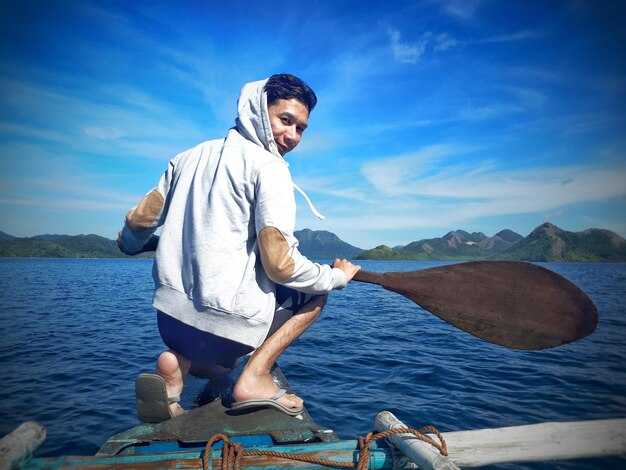 Describe a Water Sport You’d Like to Try – Part 23">

Choose a calm Maui morning and book a short, hands-on lesson on a soft-top board at Napili Beach. With friends or family, you’ll have a ready, controlled introduction to the pace of the ocean and a practical sense of balance on the board. Then you can note what to adjust next for ongoing safety and comfort.
Equipment and technique start with a 7–8 ft soft-board, a leg leash, wax, and sun protection. Stay in shallow water, practice popping up from knees, then rise to your feet, and monitor the sensation as you go down into stance depth. Progress often comes from staying relaxed on the small ripples and focusing on form; tubes may appear, but keep your eyes on stability and avoid rushing.
Nature dictates pace: wind shifts, swell height, and the depth near the sandy bottom determine when to push further. Check government advisories and follow lifeguard instructions; if conditions look challenging, skip the session and regroup next time. This stance reduces risk while preserving progress.
Coordinate with family and friends to compare notes after each encounter; this routine can pair with ielts preparation while you describe sensations and the sequence of steps. Practice reinforces readiness and helps you advance to the next phase, aiming for longer rides and occasional tubes in the same safe setting.
Water Sports Exploration Guide
Start with a 90-minute intro on a stable stand-up paddleboard in a sheltered inlet; this sport offers the most natural, gentle entry into aquatic recreation. A certified instructor will adjust board width, paddle length, and stance until balance feels well established. Bring a snug wetsuit, personal flotation device, and ankle leash; surface is calm, which helps you hear clear coaching. For boarding basics, select a wide, stable board (about 8’6″–9’6″) and a short paddle to enhance control. This arrangement is perfect for new learners.
Progress appears quickly when you stay within comfort. This isnt about pushing speed; focus on breathing, knee-bend, and smooth weight transfer to maintain glide. After the first session, go again within a week, because time on the surface builds confidence. Most learners discover a love for quiet moments on calm surface, watching birds skim the surface while the board responds to subtle shifts in balance. General safety rules include staying within sight of your instructor, wearing a PFD, and avoiding crowded ramps. Because gear selection matters, choose a paddle with adjustable length and a leash for the board. Many havent had formal training, so guided sessions help set a solid baseline. For planning, browser comparison of local studios helps set expectations.
Beyond initial basics, you can explore other routes that offer variety: wind-assisted boarding with a sailboard, gentle surfing on small waves at a controlled beach, or a surface-tune navigation course in a sheltered cove. Even modest gusts alter balance, so keep practice sessions short. If you plan to go toward higher-adrenaline routes, book a guided session; many centers provide gear rental, safety briefing, and time windows that fit beginners. Time on the surface matters; you believe progress comes with repeating sessions, so schedule regular practice. Because outcomes vary by location, always check forecasts and local currents before going out.
| Aspect | Recommendation | Huomautukset |
|---|---|---|
| Conditions | Flat calm surface, light breeze | Best for first steps |
| Vaihde | Wide, stable board; adjustable paddle; PFD; ankle leash | Leash on when on board |
| Progression | Knee-to-stand drills; short glides; 1–2 sessions per week | Record time and distance |
| Turvallisuus | Tell someone, check forecasts, follow local rules | Wear PFD; avoid crowded areas |
Assess Your Current Fitness, Balance, and Breath Control for On-Water Basics
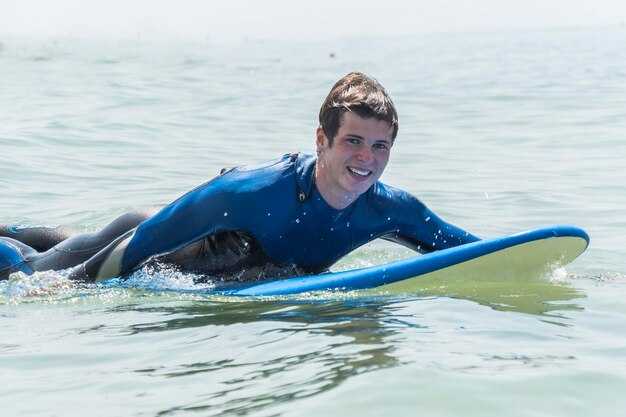
Start with a four-week baseline to quantify three pillars: physical readiness, balance, and breath cadence. On dry land, perform a 60-second single-leg stand on a foam pad, then switch to a tandem stance for 45 seconds. Record results and target a 15–20% improvement by week four. These checks are useful to decide whether you’re ready to begin light kayaking or paddleboarding near beaches with family.
Breath cadence matters. Practice slow, controlled cycles: inhale 4 counts, exhale 6 counts, for 5 minutes, twice daily. A steady tempo helps tame adrenaline during a wave and keeps your core engaged. Use calm nature spaces such as beaches or sheltered coves to build ideal confidence before real action.
Balance drills on firm ground translate to stability in practice. Do three 60-second cycles: single-leg stand on a foam pad, tandem stance with eyes open, then a weight-shift drill with a light resistance band. Add a paddleboarding stance on a balance board to mimic drift and prepare for gentle wave conditions. Include boarding drills to build symmetry. Optional addition: attach a light bungee to a fixed point to add resistance during stance holds.
Navigation and progression: begin with 10- to 15-minute sessions in mild conditions near beaches; increase to 20–25 minutes as balance and breath stabilize. Work with a buddy to keep safety high, especially in Maui, where fishing trips and calm seas attract families. Maintain a simple training log; this источник of motivation helps you assess whether you’re moving toward general goals and the ideal pace. As you dive into practice, you’ll see how working on the basics helps navigate transitions and maintain control when conditions shift.
Shortlist Suitable Water Sports Based on Region, Access, and Cost
Choose kayaking on a calm river with public access and rental gear to minimize upfront costs, while building skills and personal awareness.
Region-oriented options
- River corridors: calm segments surrounded by forests and natural scenery; public ramps and club docks provide quick start; gear includes kayak, paddle, life vest; wetsuit optional for temps below 18°C; equipment packages may reduce daily rate; cost: rental $15-25/day; starter bundles may lower overall spend.
- Lakes and reservoirs: open spaces, wind can vary; less current; access via lake launches; gear similar; wetsuit optional; cost: $12-28/day; optional spray skirt for wind days.
- Protected bays and inlets: mild wind and gentle currents; good for sit-on-top or touring kayaks; cost: $25-40/day; add spray skirt or drysuit if chilly; awareness of tides matters; feeling of independence grows with each session.
- Rivers with rapids (difficult): helmets and guides recommended; cost: $60-120/day; opt-out of owning full gear; never push beyond limits; the question of whether to buy upfront or rent guides your decision; personal progress depends on coaching.
Access and logistics
- Public ramps and clubs: easy urban access, parking, hours; gear included with rentals; life jacket mandatory; check access rules for seasons.
- Guided operators: structured programs; safety function; offers clear personal plan; whether you want to join depends on life schedule and budget.
- Transport and storage: roof rack required; if lacking, choose rentals near you; some shops offer delivery options.
- Opt-out path: if you only want to test interest, select rent-first plans; never force ownership; create a trial period to measure personal feeling and progress.
Cost considerations and practical recommendations
- Starter kit costs: kayak (poly) roughly 300-800, paddle 25-80, life vest 20-60, wetsuit 50-150, spray skirt 40-70; total initial investment around 450-1100 if buying everything; renting often lowers entry barrier; equipment values vary by brand and region.
- Recurring expenses: daily rental 15-40, weekly packages 100-250, lessons 40-120; group rates and student discounts may apply; offers vary by region.
- Return on investment: increase fitness and nature awareness; overall, cost per session declines with frequency; feeling of personal achievement grows, life balance improves.
Bottom line: test several options via rentals, track your feeling and physical response, and choose a path that aligns with region and budget while staying mindful of safety.
Plan a 4-Week Beginner Progression: Skills, Drills, and Milestones
Begin with a concrete schedule: three 60-minute sessions weekly at a calm lakeside with a mild current and a sandy shore. Start with 5 minutes on shore for mobility, 25 minutes on the board focusing on stance, paddle grip, and a straight gaze, then 5 minutes cooldown near the sand. Pack cookies for quick energy. Always wear a PFD and use a board leash; follow local government safety guidelines and weather checks before you begin.
Week 1 targets focus on balance and control: answer a common question–how long can you stay upright while propelling in a straight line? Achieve a stable stance for 60 seconds with even power on both sides, and complete basic forward strokes with a clean catch and smooth exit. Drills: 3 sets of 8–12 strokes per side, 2 seconds paused at the catch, 30 seconds rest between sets; keep feet shoulder-width apart, knees soft, hips squared. End with a 5-minute coast and a light reflection on technique; look for small improvements in stance stability on the next session.
Week 2 expands duration to about 75 minutes and adds turning, edging, and interval work. Drills: 4 × 20–30 m push-pull repetitions, 1-minute rests; practice 90-degree turns with hips leading, then a gentle sweep to re-center. Emphasize a tall, relaxed posture and a steady breath to manage adrenaline spikes – the goal is controlled movement rather than speed. The trademark cue is to keep hips forward and shoulders relaxed. This creates a bungee-like resistance sensation but remains controllable. Track progress by cadence and balance marks; identify your strongest 20 m segment and repeat it twice per session. This approach helps you feel united with the craft and with local paddlers sharing the lakes environment, surrounded by coves and shoreline scenery.
Week 3 focuses on endurance and environmental awareness: paddle longer, anticipate current shifts, and plan a simple route along a shoreline. Drills: continuous paddling for 30–40 minutes with 2–3 minute micro-breaks, include a lower-leg bend and core engagement to keep power efficient; add a self-rescue drill from kneeling to standing, ensuring you can re-enter in calm conditions. Use a model of good form: hips squared, chest open, hands light. After each block, review a quick Q&A note about weight distribution and how your feet adjust to wind and water flow.
Week 4 proves readiness with a solid milestone set: 60–90 minutes of uninterrupted paddling, a controlled 360-degree pivot on demand, and a reliable re-entry drill after a brief fall. Target distance of 1 km at a steady pace, with downwind sections tackled using gentle edging and efficient paddle catch. End with a debrief: evaluate progress against the pre-week metrics, plan the next phase, and celebrate with a snack on the sand; remind yourself you love the process, believe you can advance, and aim to increase the length and complexity gradually in the coming sessions. An unforgettable milestone for many is this expanded endurance that increases confidence, while you look back on the four weeks and feel united with the lakes, local teams, and the people who offered encouragement.
Find Local Lessons, Rentals, and Safe Practice Zones Near You
Suositus: Varaa aloittelijoille suunnattu, ohjaajan vetämä sessio hyvämaineisessa beach clubissa jo tänään, jotta saat vahvan pohjan tälle. activity. Yleisen turvallisuuden vuoksi valitse ohjelmia, jotka yhdistävät henkilökohtaisen valmennuksen pienryhmiin, jotta voit edistyä yhdessä muiden kanssa ja rakentaa henkistä itseluottamusta perhetuen ohessa.
Etsiäksesi tarjouksia, tarkista kaupunkien virkistysalueiden sivustot, paikalliset surukoulut, stand-up paddle -liikkeet ja beach clubit lyhyen ajomatkan sisällä. Mauilla ota yhteyttä kokeneisiin toimijoihin, jotka julkaisevat ajantasaiset aikataulut, vastuuvapauslausekkeet ja varusteluettelot. Etsi selkeä turvallisuussuunnitelma, pätevät oppaat ja looginen etenemistahti, joka on suunniteltu ensikertalaisille; kun olosuhteet ovat suotuisat, pyydä kokeilutunti ennen pidemmän kurssin varaamista.
Vuokraus: varmista laudatyypin ja -koon painosi ja taitotasosi mukaan. Aloittelijoille suunnitellut varusteet ovat leveämpiä ja vakaampia; harkitse paketteja, jotka sisältävät lyhyen valmennusistunnon, leuan ja pumpun. Tyypilliset hinnat vaihtelevat $25:stä $60:een tunnissa laudasta, ja monituntisia varauksia koskevia alennuksia on saatavilla. Pyydä patenttisertifioituja turvavarusteita ja sertifioitua pelastusliiviä henkilökohtaisen turvallisuutesi lisäämiseksi.
Turvalliset alueet: valitse rannat, joilla on selvästi merkityt aloittelijoiden alueet, poijut ja pelastushenkilöstön läsnäolo. Tarkista ilmoitetut liput ja paikalliset säännöt koskien veteen menoa, ja vältä uittojuoksuja pysymällä lähellä rantaa siihen asti, kunnes olet mukava. Harjoittele kumppanin kanssa, pysy käden ulottuvilla opettajan kanssa ja pidä silmällä säätä, wave olosuhteet ja väkijoukot. Priorisoi ehdottomasti turvallisuus ja vältä riskialttiita kokoonpanoja lisätäksesi varmuuttasi jokaisella istunnolla.
Yhteisö ja suunnittelu: osallista paikalliset kerhot, jaa edistyminen luotettujen kanssa ja harkitse perheystävällisiä aikoja, jotka edistävät yhdessä tekemistä. Jos sinulla on kysymyksiä, pyydä selkeä vastaus varusteista, edistymisestä ja turvallisuudesta; ne keskustelut auttavat sinua sovittamaan odotukset yhteen. Lähde (источник) ajantasaisista tiedoista on kaupungin virkistysosasto sekä toimijat itse. Monet ohjelmat tarjoavat joustavia aikatauluja, joten voit sovittaa toiminnan viikonloppuun ja asteittain lisätä adrenaliinia hallituissa, nautinnollisissa ympäristöissä.
Määritä turvallisuussäännöt: Sää, varusteiden tarkistukset ja hätämenettelyt
Ennakko tarkistus ennen lähtöä tänään; jos tuulen nopeudet ylittävät 15 solmua, puuskat saavuttavat 25 solmua tai meriolosuhteet ovat karkeat, peruuta ja aikatauluta uudelleen. Käytä selainta vetämään viimeisimmät rannikkoilmoitukset, tarkista vuorovesitiedot ja varmista päivänvalon määrä; nämä tiedot ovat hyödyllisiä päätettäessä, lähdetkö vai et.
Aseta päätöspisteet: pysy suojaisissa poukamissa, kun puuskat voimistuvat, vältä avoimia kanavia ja pidä riittävä väli muihin; jos olosuhteet muuttuvat, sinun on arvioitava uudelleen ja valittava turvallisempi vaihtoehto. Tämä kehys toimii myös kajakireiteillä.
Henkilökohtaiset varusteiden tarkistukset: tarkasta pelastusliivin kunto, varmista että valjaat sulkeutuvat kunnolla, varmista että toimiva pilli on kiinni, testaa kajakin spray skirtin tiiviys, varmista että lapojen terät ovat ehjät melassa ja pakkaa varaosat kuivapussiin peruskorjaussarjan kanssa.
Hätätilanneohjeet: nimeä kaveri, jaa sijainti suljetun puhelimen tai satelliittisignaalin avulla, pidä VHF-radio ja signaalilaite mukana, määritä yksinkertainen merkki ja kokoontumispaikka, ja harjoittele itsepelastautumis- ja avustettua pelastautumisvaiheita kumppanin kanssa ennen minkäänlaista toimintaa.
Lentopurjehdusaktiviteetin lähellä, pidä etäisyyttä lentovarselueista, anna tilaa hitaammalle liikenteelle ja noudata kyltteihin merkittyjä ohjeita; pidä turvallinen etäisyys ja käytä silmäkontaktia väärinymmärrysten välttämiseksi vilkkailla alueilla.
Näyte tarkistuslista: sääpäätös, varusteiden tarkastus, kaverisuunnitelma, signaalivarusteet, hätäyhteystiedot; käy suunnitelma läpi miehistön kanssa ennen lähtöä.
Nopeiden tarkistusten tulokset osoittavat, että useimmat miehistöt haluavat tiiviitä, konkreettisia toimia; nämä toimenpiteet auttavat lisäämään luottamusta ja vähentämään riskejä.
Edistä turvallisuus ennen kaikkea -kulttuuria; ohjaa adrenaliini tarkkoihin toimenpiteisiin, kunnioita luontoa ja varmista, että jokainen osallistuja ymmärtää suunnitelman ja voi vastata nopeasti siihen.
Mieti, mikä on tärkeää: syyt jokaiselle säännölle, mitä varusteet tarjoavat ja mitä tapahtuu, kun signaalit epäonnistuvat; turvallisuuden sanaan tulisi ohjata jokainen tekemäsi päätös.