


 Suomi
Suomi  English (UK)
  Русский
  العربية
  日本語
日本語  한국어
한국어  Magyar
  Türkçe
  Español
  Čeština
  Svenska
  Português
  Ελληνικά
  Nederlands
  Română
  Italiano
  Français
  Polski
  Українська
  Deutsch
  简体中文
简体中文  Slovenčina
  Boat Launch Checklist for First-Time Boat Owners – Safe, Easy Steps">

Begin with a brief safety check: confirm condition of hull and electronics, then disconnect the battery from shore power and removing clutter from storage before heading toward the ramp.
Most pre-ramp tasks occur on solid ground. Do a brief walkaround to confirm parking is stable, the ground is even, and maybe ask someone to assist with line handling. This should allow you to recheck the path before heading toward the dock or float.
Preparing gear includes bringing essentials and checking storage compartments. Removing loose items from accessible spots keeps the area tidy, and having a battery tester on hand increases readiness. Ensure safety gear is accessible so someone can act quickly if needed.
At the water’s edge, heading into the aquatic zone, align with the ramp flow, confirm that lines and fenders are ready, and ensure the launching sequence can begin without delay. This sequence starts with a shallow water check before securing the craft to the dock.
Finally, perform a concise final check: most essential items are in place, forget nothing, and ensure storage remains secured with the parking plan intact. Boaters bringing this discipline to the water heightens confidence and ensures a quick, smooth outing.
Boat Launch and Docking Retrieval Essentials
Recommendation: Complete a pre-entry safety check before moving the watercraft into waters. Verify registration is current and accessible; inspect condition of the trailer lights, hitch, and safety gear; confirm the engine starts reliably and the battery holds a charge. Check drain plug is secured and the bilge pump operates properly. Ensure life jackets, throwable devices, and a fire extinguisher are on board. Pay attention to ramp surface and other users to keep the sequence stress-free.
Docking sequence: Back into the dock with steady backing, keeping the bow toward the pier. Have your partner handle the bow line while you control the trailer and vehicle, maintaining attention on ramp traffic. Use a clear, agreed signaling plan for actions: bow line, stern line, and final release. When lines are secured, unhook the craft from the trailer slowly and release, then bring the vehicle to a stop away from the water’s edge. Minimize movements where possible.
On shore, proceed with preparing for storage: drain any remaining water if needed, inspect the hull and propulsion components for damage, and verify registration display and state requirements are satisfied. Next steps include bringing the trailer to rest, securing lines, and ensuring the owner remains aware of the status. Avoid blocking other vessels; stay clear of pedestrian paths and crossing traffic while you handle lines.
Efficiency through practices: Establish practices that reduce stress during retrieval: keep lines organized, install fenders, check lighting, and keep the hitch area clear. Communicate with your partner in a calm voice, and stay vigilant for wind shifts or current changes. This course keeps routines predictable, improves efficiency, helps avoid delays, and supports staying within posted traffic rules in your state.
Post-transport checks: verify the registration tag and display are visible, confirm the trailer hitch, safety chains, and drain plugs are secure, and ensure all equipment is ready for next use. Prepare to move the craft to a sheltered area or dockside storage; plan the next step with your partner to maintain a clear workflow and stress-free rhythm. Review local rules in places like marinas to ensure compliance.
Safety reminders: Always smaller steps with proper attention to condition of gear, and avoid rushing during busy periods. Keep unhooking and release tasks aligned with crew signals, especially when backing or backing away from crowds. Following these simple steps helps maintain efficiency and reduces risk in waters with regular traffic; this is a must-have habit for any watercraft owner who values responsible operation.
Pre-Launch Gear and Personal Safety Equipment
Put on a life jacket on every person and keep a whistle and a compact light in the back of the vehicle, within arm reach. Release the engine kill switch lanyard and verify it functions, then ensure all personal gear sits in storage behind the cab. Getting ready should start with a concise, ground-level check of items so youre not scrambling in crowded areas.
Store rods in a rod rack or padded tube, with tips capped and straps tightened. Keep them in the back storage area away from the ramp to prevent contact with others. During driving, quickly confirm they stay secure; having them secured reduces risk and keeps everything calm.
Carry a compact signaling kit: whistle, mirror, and a small flashlight with spare batteries. Attach a dry bag holding keys and phone, and place it within reach near the ground. Remember to check expiry dates on the first aid items and keep the kit in the back storage area until you depart lake; this is vital to safety and ease of access.
Include a compact fire extinguisher (ABC rated) mounted to the vehicle frame in a visible spot, plus a basic first-aid kit. The process of checking expiry dates before each trip is vital; having these items nearby helps you respond quickly if something goes wrong. Boater culture thrives when everyone keeps things enjoyable and the operation runs smoothly.
Fuel, Battery, and Engine Readiness Checks
Arriving at the lake, start with a concrete check: fuel level, battery condition, and engine readiness. This keeps your confidence high and protects safety among boaters, especially those with more experience. Learn to perform these tasks yourself, then rely on others if needed.
Youre awareness matters in routine checks; this habit increases efficiency in their journeys. Important: staying disciplined with checks keeps you protected and prepared.
-
Fuel readiness
- Verify gauge shows adequate reserve. Retrieve additional fuel from an approved container if levels are low; ensure cap seals and fuel line is intact.
- Inspect the fuel line and connections; look for cracks, wear, or leaks; double-check clamps and filter if installed; remove debris near connections to reduce hazards.
- Check for water in the fuel: drain a sample from the bottom of the tank or use a separator if present; removing moisture protects the system and prevents run-time issues.
- Use fresh fuel with stabilizer; avoid ethanol-heavy blends; label last fill date and store portable containers away from heat and sun. This practice improves efficiency and reduces condensate risk.
-
Battery readiness
- Confirm a full charge: a 12V system should read about 12.6V with ignition off; 13.5–14.5V when charging. If readings are low, recharge before start.
- Inspect terminals for corrosion; clean with a baking soda solution and a wire brush; ensure connections are tight and properly seated on the posts.
- Secure battery in its tray; switch on and test accessories (lights, bilge pump, GPS). If the battery is weak, retrieve a spare or arrange service prior to departure.
- Keep cables away from belts and moving parts; cap exposed connections to prevent accidental grounding or short circuits.
-
Engine readiness
- Oil level: dipstick should show within the recommended range; top up with the correct grade if needed.
- Coolant level: check reservoir and hoses; top up if necessary and inspect for leaks; ensure the system is operating as designed.
- Fuel line and clamps: ensure no leaks; verify primer bulb operates smoothly; avoid removing safety devices unless you know how to reinstall.
- Crank test: turn the ignition and listen for smooth engagement; if the engine does not respond, diagnose electrical or fuel issues before start. After successful start, monitor for unusual noises, smoke color, and idle stability; if anything seems off, stop and troubleshoot.
-
Safety and ramp etiquette
- Staying clear of the line and parking in designated zones keeps traffic smooth and protects safety among all boaters.
- After checks, remove power cords, stow safety gear, and secure the craft; this protects equipment and reduces risk to others.
- Double-check all connections, clamps, and securing straps; ensures nothing shifts during transport and improves overall safety and efficiency.
Trailer, Winch, and Ramp Preparation for Launch
Secure the winch strap and safety chain, align bunks with the hull keel, and ensure clear, courteous communication with your partner; boaters heading onto the ramp should maintain attention on footing and surface, proceeding with a steady pace to prevent drifting or jamming smoothly. Target 1–2 cm clearance at each bunk while guiding the transom into place.
Preparations cover inspecting bunks for wear or cracking, testing trailer lighting with a 12 V tester, confirming hitch lock, and installing a backup strap rated for at least 1,000 pounds; until all devices are functioning, do not move the unit and maintain a calm stance to avoid misalignment that could cause damage.
Where the ramp surface is damp, reduce speed to 3–5 mph, follow a predictable path; heading straight onto the water, keep the winch line taut but not overstrung, and then guide the craft gently to its resting position, like a well‑practiced routine that minimizes disturbance.
Remember to don jackets in windy or cool conditions; after the watercraft is secured, inspect tie‑downs again, then contact the owner with any adjustments needed; returning to the tow vehicle, detach the winch, stow gear, and ensure the hitch remains locked for the next leg of the trip.
| Phase | Action | Huomautukset |
|---|---|---|
| Preparation | Inspect bunks, install safety items, test winch and brakes | Approach area calmly; keep courteous signals |
| Alignment | Lock hitch, verify level, check lights | Ensure 1–2 cm clearance on each side |
| Entry | Move slowly, maintain straight path, monitor ramp grip | Keep boater attention on surface conditions |
| Return | Disconnect, secure gear, drive away smoothly | Double-check all connections |
Water Start Procedure and Quick System Test
Recommendation: Secure the kill switch to your partner, set the vehicle in neutral, and confirm the ground area is clear before ignition.
Check storage of essentials: spare fuses, lines, and install hardware; ensure battery terminals are clean and charged; keep rods stored in prepared compartments.
Place flares within reach and outline a brief course of action where to go in case of power loss; verify ignition switch while the engine remains off.
With ignition off, run a quick system test: dash gauges, bilge pump power, blower, and warning lights; verify within seconds all indicators show good status; address any dead sensor immediately.
Starting sequence: partner watches the tach while you operate the key; engine starts quickly and settles to a calm idle around 800–1200 rpm; listen for smooth tone and no unusual vibration; if it stalls, stop, check fuel valve, and retry after 15 seconds; avoid operating with prop in water.
During initial maneuver, keep etiquette clear by sharing space with nearby vessels; maintain distance until you clear the channel; stay alert to traffic at ground level; if heavy traffic, pause until route is clear.
After procedure, store any loose gear in secured compartments; leaving any gear on deck invites slips; preparing the deck space helps tidy operations; ensure you leave prepared space, gather rods, bass rods, and other equipment in their proper storage.
Attention to many details helps avoid mishaps: check battery charge, fuel storage, oil level, coolant; keep spare parts and flares ready; quickly address any irregularity after detection to maintain safe handling.
Docking Retrieval: Approaching, Securing Lines, and Post-Launch Checks

Reduce speed to idle, approach the dock on a steady course, and secure a proper bow line to the cleat while keeping the hull within reach of fenders. Be prepared by checking shore support online and communicate ‘line ready’ to the crew onshore; maintain comfortable control to avoid sudden contact with pilings.
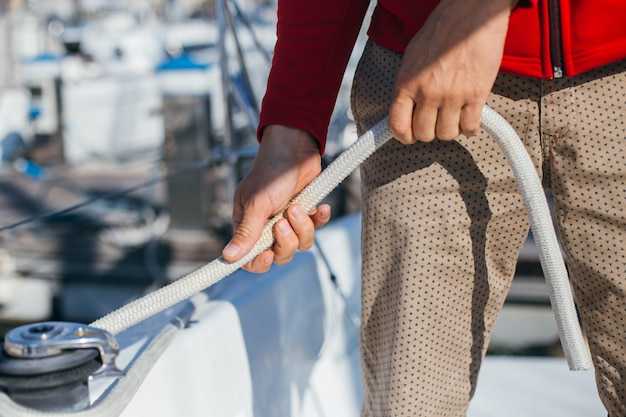
When within arm’s length, take a bow line from the cleat, pass it around the cleat using a figure-eight or clove hitch, and keep tension so the line lies flat. Have a stern line ready to prevent drift; use spring lines if the current or wind is variable. For towing assistance, coordinate with others on the dock to avoid cross-talk; tie the lines snug but not overly tight to prevent hull deformation.
After securing, perform post-trip checks: inspect fenders and lines, confirm chocks and dock bumpers are in place, lower or stow any removable gear, and run a quick cleaning of the deck to remove mud or fish scales. Lower hatches and ensure the engine bay is off. Check the bilge, battery, and fuel connections; verify you have necessary safety equipment within reach and in good condition.
If youre a boater or fishing enthusiast, take care to secure rods and bait before stepping away from the helm, store lines in a rod locker or dedicated bin, and keep the area clear for others; bass rods should be stowed securely to prevent damage during retrieval. Keeping gear organized helps after the trip and reduces tripping hazards near the dock.
Staying prepared means taking time to practice these steps, youre building experience, and continuing to train with each outing. Remember to allow leaving the channel slowly if you need to reposition; choose to stay within docking space and allow others to pass. The process is vital to a smooth, safe return; lower the fenders when the vessel is secure and verify the wake zone remains clear. For owner confidence, reference online resources and step-by-step guides; this helps you stay comfortable and prepared, regardless of weather, current, or crowd. Post-trip cleanup and cleaning are as important as the approach; after you complete the retrieval, document any issues and adjust your course for the next time.