


 Suomi
Suomi  English (UK)
  Русский
  العربية
  日本語
日本語  한국어
한국어  Magyar
  Türkçe
  Español
  Čeština
  Svenska
  Português
  Ελληνικά
  Nederlands
  Română
  Italiano
  Français
  Polski
  Українська
  Deutsch
  简体中文
简体中文  Slovenčina
  Best Time To Sail In Croatia – Seasonal Winds & Weather">

Take late May to early June as your primary choice for coastal voyaging along the Dalmatian coast. Expect Maestral winds from the northwest delivering 12–18 knots, with hours of steady breeze that stretches from the afternoon into early evening. In sheltered bays near kaštela and along routes toward skradin, the sea stays calm enough for a relaxed day on a boat and simple shore walks that invite exploring.
throughout the year, the northern Maestral cycle delivers daily rhythm that is easiest to predict in late spring and early autumn. In those periods, look for softer morning air, building to 12–20 knots by the afternoon, with a 6–8 hour sailing window most days.
For couples and families exploring the coast, the kaštela-Trogir corridor offers a renowned sequence of secluded coves, where you can drop anchor, take a walk into nearby villages, and return to a calm boat after sunset. This destination has reliable options for an easy pace and quiet evenings aboard.
Whilst wind shifts are common, plan a flexible itinerary that can shift from sheltered nights in bays near kaštela, including a short hop toward skradin, to longer hops along the coast as you refine your route to your destination, taking advantage of calmer mornings and stronger late-day breeze.
Over the course of a trip, target the first half of May and the last half of September for the most comfortable conditions on the coast. Bring light layers for cool evenings, plus a windproof jacket for late nights on deck. theres ample sheltered bays to choose from, and theres plenty of shore access for a quick walk and a meal ashore; theres no need to rush the plan when you can adjust on the fly and keep exploring.
Seasonal winds, weather patterns, and planning for Croatia sailing
Begin in trogir to set a practical pace, then chart coastal hops toward iconic cities along the coast; in october, youll find milder mornings and softer evenings, and marinas offer better availability; official forecasts help you lock in berths, and queues at popular berths are shorter.
Across the dalmatian coast, patterns show a morning calm, followed by a breeze that tends to build by afternoon; fronts from the north appear more often from late summer into autumn, but soften after midday. Based on ranges from official forecasts, you can plan day hops with confidence and minimize last-minute changes. These checks help you stay within fees and avoid a pricey quote. Youre planning between trogir and other golden cities becomes smoother when you use these ideas and talk with locals or marina staff before arrival.
To maximize time on the water, align with marinas that offer slips for party crews and mid-sized boats; booking ahead reduces queues and locks in a stable marina field for your crew. In morning hours you feel the helm lighter; after lunch the breeze may push the boat along the coast; by evening the feel around the harbor shifts to a calmer, softer mood. When youre in iconic towns, the feel of stone lanes, market scents, and sea air creates a memorable moment you’ll carry as a highlight of the trip.
| Month | Patterns | Best marinas / cities | Planning notes |
|---|---|---|---|
| October | variable fronts, gusts possible; mornings calmer, afternoons moderate | trogir, split, zadar | official checks, book in advance; expect queues shorter; fees vary by berth |
| May–June | stable ranges, light to moderate breeze; mornings smooth | trogir, maslinica, korcula | start booking now; quote often held for 48 hours; mornings ideal for longer hops |
| September | pleasant warmth, steady breeze, evenings cooler | split, sibenik, zadar | check ranges; these days offer good conditions for early legs |
| April | increasing winds, mild, predictable | split, primosten, sibenik | book marinas early; fees modest; morning departures favored |
Which sailing months deliver the most reliable sea breeze along the Dalmatian coast
From May through September, the afternoon breeze is most dependable along the Dalmatian coast, delivering steady 12–20 knot gusts that push your plan toward sparkling coastlines and reliable mooring, making charters predictable and welcoming for skippered crews.
In these months, korčula, mandalina, and other islands offer the greatest opportunities; many berths open after lunch, and an experienced captain or skippered crew can place you in calm coves for an easy afternoon run. To lock in a route, book early and rely on controlled moorings near favored locations.
Rainfall dips to a minimum during this stretch; winter plans hinge on different patterns, whereas these months reward planning with predictable fetch and smooth crossings between islands.
To maximize reliability, perform checks before departures: forecast updates, sea-state checks, and crew availability. In most years, the breeze begins after 13:00 and persists through late afternoon, suiting a relaxed plan of berths hopping across agana, korčula, and other islands. An experienced captain or skippered crew can adapt quickly, ensuring everything stays on track.
May, June, and September deliver the highest likelihood of a steady afternoon breeze, with July and August offering exciting days if plans stay flexible and you stay near protected locations and moorings. For charters, booking early helps secure favorable berths; always review rainfall outlook and breeze shifts so theres no surprise.
What Maestral, Bora, and Scirocco winds indicate for day-by-day sailing
Maestral will bring a steady NW breeze that strengthens after dawn; plan a step-by-step route starting from korčula toward the next moorings along the coast and in sheltered pockets. In the month of june, expect 12–18 knots in the late morning, rising to 18–22 knots by afternoon, making short hops easier for boaters.
Bura (Bora) delivers a dry, gusty NE surge that can catch travellers off guard; by late morning air can spike to 25–30 knots near shore, with seas turning rough. Reef early, lock in protected moorings, and prefer bays or coves rather than open coasts. In skradin and along the korčula archipelago, holdover may be your best option when the agreement with the crew says to wait for easing.
Scirocco pushes warm, humid air from the southeast, increasing temperatures and humidity; progress slows in the afternoon, especially near exposed points. Expect stronger gusts near headlands; choose shorter legs and use caves or sheltered parks for refuge. Boaters using the month of june will notice this pattern more often in the high heat.
Checks and notes: keep a series of simple checks on the forecast, times of change, and next moorings. The notes you carry along will help your crew stay aligned. This will be easier for your party when planning through korčula, skradin, and other harbours; maintain an agreement on when to push off and when to hold. saturday operations require extra caution around busy moorings; carry your license and keep it accessible.
Regional wind schedules: Split vs. Zadar vs. Dubrovnik coast
Split coast is the most suitable base for skippered operations in peak months, with high afternoon breezes that push boats along the shoreline. From june to early september, mornings run 12–14 knots, climbing to 18–24 knots by 15:00 and occasionally 25–28 on hot days. For sailors on a budget, the Split–Hvar–Brac cluster offers ample space to move between anchorages and still return to base before dinner. Start early to maximize daylight and shelter in coves around here to avoid busy spots during popular events.
Zadar coast shows a more variable pattern that appeals to skippers who like a balanced mix. Mornings are calmer, around 8–12 knots, and the afternoon push often reaches 15–22 knots, with gusts beyond 25 on hot days. Telašćica, on the Dugi Otok side, provides a natural shelter when the day heats up and other harbors fill up. Official forecasts feed a steady series of updates to plan sample routes into the archipelago, with demand rising in june and july. For budget plans, a couple of days around telašćica or Zadar’s lagoons offer solid value.
Dubrovnik coast delivers stronger energy days in the core summer, with afternoon breezes typically 18–28 knots in june–august and peaks near 30+ knots when air flows collide with the coast. Mornings are milder, enabling head stretches to sheltered bays before the heat intensifies. In this region, moorings fill quickly and some popular ports fill on weekends; plan early to secure space and avoid long waits. Skippers who like dramatic scenery head toward the archipelago and return by dusk. In june they sample a few day hops along the coast for a quick, head-turning loop.
Practical planning: Split acts as a dependable hub for mid-summer cruising, with Zadar and Telašćica as useful add-ons, and Dubrovnik for southern hops. Official forecasts provide a daily read on air patterns and a clear signal for anchorages. Sample plan: start at dawn, ride the afternoon breeze toward sheltered coves, and return by dusk. For budget trips, consider makarska as a springboard to shorter loops, keeping the boat in a protected quay and returning daily. In june, the midday turnaround favors northern hops in the morning and southern legs after 14:00 to exploit warmer air. quote: “early starts give more options,” notes a veteran skipper.
Weather basics: rain probability, sea state, visibility, and water temperature by season
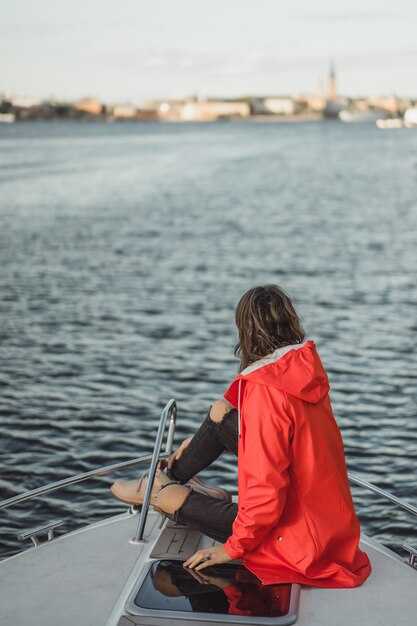
Target June–August for the best odds of dry spells, warm water, and calm seas, ensuring routes between coastal towns stay straightforward and evenings ashore are comfortable.
-
Spring (March–May)
- Rain probability: 25–40%.
- Sea state: generally calm to light chop (roughly 0.2–1.0 m).
- Visibility: 10–20+ km on clear days.
- Water temperature: 14–18°C.
- Planning notes: these months bring mellow hours; begin with short routes along the croatias coastline, with sheltered options around pomena and brač. Holdover chances exist in exposed coves, so have a flexible layout and ready accommodation nearby. Kilometres per day often stay in the 20–40 range, making šipan a perfect early-season add-on; horn and mandalina headlands offer calm anchorages for evenings and layovers.
-
Summer (June–August)
- Rain probability: 5–15%.
- Sea state: mostly smooth to light chop (0.0–0.5 m).
- Visibility: 15–25+ km.
- Water temperature: 23–27°C.
- Planning notes: perfect for longer hops between coastal towns such as brač and šipan, with vibrant evenings ashore and occasional party options in hot spots. Accommodation is abundant, so travellers can plan ahead and keep hours open for spontaneous stops. Routes often span 20–60 kilometres per day; pomena serves as a base for Elaphiti island explorations, while mandalina and horn offer sheltered bays for a mellow night after a busy day.
-
Autumn (September–November)
- Rain probability: 15–40%.
- Sea state: variable, with larger swells possible as systems move through (roughly 0.5–2.0 m).
- Visibility: 8–18 km on typical days; can drop in mist or showers.
- Water temperature: 18–22°C early autumn, cooling to 16–18°C later.
- Planning notes: shoulder period creates opportunities for longer coastal legs with fewer crowds. Begin next legs along croatias coastlines, keeping pomena as a holdover base when the layout shifts; expect some smaller hops around brač and šipan. Accommodation remains reliable, while evenings tend toward mellower vibes, with chances for a small party in busier harbours or quieter coves.
-
Winter (December–February)
- Rain probability: 40–70%.
- Sea state: moderate to rough (about 1.0–2.0 m).
- Visibility: 6–12 km, often reduced by mist or spray.
- Water temperature: 12–14°C.
- Planning notes: focus on sheltered coastal pockets and reliable accommodation; expect holdover days near brač, šipan, and pomena. Avoid long open-water hops; build a layout with shorter legs and frequent harbour stops. This period favors calmer evenings in protected bays, with less demand for party itineraries and more emphasis on layers of comfort and safety while waiting out unsettled spells.
Check-in timing: earliest check-in, port policies, and seasonal adjustments
Recommendation: earliest check-in window around 12:00–14:00; inform the marina 48 hours ahead to secure access, key pickup, and cabin assignments. If you arrive on saturday, verify desk hours to avoid delays.
- Early entry window and ranges: Most marinas assign slips by vessel length and current traffic; typical ranges are 12:00–14:00, with 11:00 possible when turnover is light and a crisp breeze helps handover.
- Port policies and requirements: skippers would need to present a skipper license, vessel registration, passenger list, proof of insurance, and safety equipment checks; expect gate or desk checks and possible environmental fees; carry both printed copies and digital backups.
- Arrival planning and locations: in popular island clusters, plan for longer waits or later check-in; in quieter locations, you may walk directly from quay to cabins; for every leg, map dates that align with the locations you want to visit.
Calendar-driven changes: occupancy patterns fluctuate with the calendar; peak dates in mid-summer boost demand at popular harbors, while shoulder periods offer quieter marinas and easier check-in windows. Booking well in advance for saturday arrivals is wise in popular routes; otherwise you can build a flexible itinerary that minimizes back-and-forth while still visiting beautiful coastlines. Arrival after long water segments around island belts is common, with opportunities to swim and stroll along natural edges between legs; turnover can be down at quieter ports, making processes quicker. Plan to travel sustainably and choose water-friendly marinas.
Checklist and tips: choose a route that minimizes long walks to cabins; pick locations with shorter walk to shore; consider staying in cabins close to the desk; plan to collect keys and documents during daylight to avoid delays; pack light to ease movement; this would help you handle turnover when occupancy is high and reduce stress. Travel would be smoother if you stay flexible with dates and keep a buffer for changes; embrace opportunities to explore island nooks and enjoy swimming along the water while traveling.