


 Suomi
Suomi  English (UK)
  Русский
  العربية
  日本語
日本語  한국어
한국어  Magyar
  Türkçe
  Español
  Čeština
  Svenska
  Português
  Ελληνικά
  Nederlands
  Română
  Italiano
  Français
  Polski
  Українська
  Deutsch
  简体中文
简体中文  Slovenčina
  Best Great Loop Boats – Top Picks for Your Great Loop Adventure">

Aloita 40–44 jalan diesel-trawleri-tyylinen moottorivene for your Great Loop. Se tarjoaa tarpeeksi tilaa kahdelle tai kolmelle kyydiläiselle, todistetun 1 800–2 400 meripenikuljetuksen kantaman 8–9 solmun nopeudella ja vakaan alustan, joka selviää joen ja järven osuuksista luottavaisin mielin. Markkinaluetteloissa nämä veneet ovat olleet johdonmukaisesti parhaiten myyviä keskitason hintapisteissä, ja markkinat tarjoavat tarpeeksi vaihtoehtoja asettelun räätälöintiin. Köli säilyy hallittavana Hudsonin jokilukkojen, Eriekan kanavan ja järvien läpi.
Monikäyttöisille matkoille ja yksinpurjehduksille harkitse 36-40 ft pilothouse tai kompakti trawleri with shallower draft (2.5–3.5 ft) and a single engine with a bow thruster. These boats deliver 1,200–1,800 miles of range at 7–8 knots and excel in tight port approaches, especially around the hudson corridor, river ports, and canal sections. Their interiors provide a practical layout with a full-size galley and a couple of berths, which keeps living costs in check while still offering multiple options for gear and provisioning.
Suosituimmat käyttötapauskohtaiset valinnat ovat: 1) 40–44 jalan diesel-trawler päivittäiseen pyörittämiseen 1 800–2 400 nm:n kantamalla 8–9 solmun nopeudella, 2 sviittiä ja 600–900 gallonaa polttoainaa.; pros show stability and ease of handling through rivers and locks; the interior offers standing headroom and heights around 6 feet 5 inches in the main salon; for the average owner, price ranges typically sit around $350k–$650k. 2) 45–50 jalkaa pitkä pitkän matkan kaksoissruuvi 900–1 200 gallonaa polttoainetta, 9–11 solmua ja tukeva ohjaamohissiaskennus; odota kantomatkoja 2 000–2 600 meripeninkulmaa ja hintaluokkia $700k–$1.2M. 3) 40–46 jalan voimanavakatamaraani tarjoten kaksi-hytteisiä saunoja ja 2–3 moottorivaihtoehtoa; syväys 3–4 jalkaa, erittäin vakaa järvillä ja avoimilla jokiosuuksilla, arvot käytetyllä alueella $500k–$900k.
Kun vertaat vaihtoehtoja, varmista polttoainekelpoisuus, sähköinen redundanssi ja mahdollisuus nukkua mukavasti useita viikkoja. Etsi veneitä, jotka avasivat markkinat hallittaviin satamavierailuihin ja kanavasuorituksiin, ja testaa pohjaratkaisu tosielämän satamamaneuvereissa, erityisesti Hudsonin lähellä ja muissa vilkkaissa kanavissa. Hyvin valittu vene pitää matkan mahdollisena, kun taas muutamilla fiksuilla päivityksillä hyvä vene muuttuu todella sujuvaksi Great Loop -kumppaniksi.
Käytännön kriteerit parhaiden Loop-veneiden vertailuun
Valitse siirtokylki 12 000–14 500 paunan painoluokasta luotettavalla jäähdytysjärjestelmällä ja leveällä risteyksellä vakautta pitkillä matkoilla.
Siirtymä ja kölin muoto vaikuttavat matelulinjasuorituskykyyn ja ohjattavuuteen silloin lähestyttäessä siltoja ja mentäessä sisämaahan. Tämä yhdistelmä antaa ennustettavan ohjattavuuden jopa muuttuvilla kuormilla pitkän matkan varrella ja minimoi trimmuutokset lukkojen läpi kulkiessa kapeissa kanavissa.
Lähde data osoittaa, että todistettu kuntoiluohjelma – viilennys kesällä ja lämmitys siirtymäkausina – pitää miehistön virkeänä ja auttaa aikataulun ylläpitämisessä, myös pohjoisilla reiteillä, kun syysillat kylmenevät.
Esimerkiksi 40–45 jalan pituiset veneet tarjoavat tyypillisesti 2–4 petiä, 60–120 gallonaa vettä ja 300–600 gallonaa polttoainetta, mikä antaa mukavan päivittäisen toimintasäteen ja vakaan pitkän matkan purjehduksen.
Koon arvioinnissa kannattaa suosia suunnittelua, joka tasapainottaa sisätilan ja kannen käytettävyyden. Fairline-asetteluratkaisu voi tarjota hyvin käytetyn pohjaratkaisun tietyllä koolla, mikä on tärkeää sisämaassa, jossa telakkapaikkaa on rajallisesti ja veden syvyys vaihtelee.
Tärkeimmät tarkistukset sisältävät maston olemassaolon hybridi- tai purjehdusvaihtoehdoissa ja propulsiojärjestelmän. Vaikka useimmat Loop-veneet ovatkin voimankäyttöön keskittyviä, varmista moottorin redundanssi ja huollettavuus, erityisesti pohjoisreiteillä, joilla on pidempiä etäisyyksiä.
Kustannukset ja menot: arvioi kokonaisomistuskulut lisäämällä ylläpito, laiturimaksu, vakuutus ja polttoaine; alla oleva esimerkki näyttää tyypillisiä haarukoita pohjoiselle sesongille sisäisillä kanavilla. Käytä näitä lukuja budjetin määrittämiseen ennen sitoutumista.
Vertaillaksesi lyhennettyä vaihtoehtolistiani, luota selkeään dataan, joka korostaa siirtymää, kokoa, siltojen välikorkeutta ja ehdollistamiskykyä; tämä antaa sinulle suoraviivaisen kuvan siitä, mitä jokainen malli tarjoaa ja mitä jättää huomiotta. Muistiinpanossa viitataan myös источнику lukujen lähteenä.
| Criterion | Typical ranges | Huomautukset |
|---|---|---|
| Koko (jalkoja) | 38–44 | Vaikuttaa sisätilaan ja telakkapaikkaan; tasapainota sen kannan käytettävyyden kanssa |
| Siirtymä (lb) | 12 000–14 500 | Suurempi iskun pituus parantaa seurantaa ja vakautta siltojen lähellä |
| Polttoainesäiliön tilavuus (gal) | 300–600 | Vaikuttaa päivittäiseen toimintasäteeseen; suunnittele 6–9 solmua pienemmän kulutuksen saavuttamiseksi. |
| Vesimäärä (gal) | 60–120 | Keskeistä ruskailureissulla; suuremmat säiliöt vähentävät tankkauksia |
| Berths | 2–4 | Sovita miehistön koko ja vieraiden vierailut; harkitse yksityisyyttä asettelussa louhinta |
| Nopeus (solmut) | 6–9 | Pienemmät nopeudet suosivat parempaa kulutusta pitkillä matkoilla. |
| Moottorit (yhteisteho) | 500–900 | Tasapainota tehon ja polttoaineenkulutuksen välillä; redundanssi on tärkeää |
| Siltojen alikorkeus (jalkoja) | 10–16 | Tarkista matalakatseiset reitit; suunnittele sen mukaisesti. |
| Mast | Kyllä/Ei | Valitse tarvitsetko antennin korkeuden tai purjeet; tarkista varustus |
| Konditionointikapasiteetti (BTU) | 24 000–48 000 | Suurempi kapasiteetti parantaa mukavuutta syksyn ja olkapään sesonkien aikana |
| Sisämaavaltioiden soveltuvuus | Kyllä | Parhaat valinnat hoitavat kanavat, sulut ja tiukat käännökset |
| источник | – | Datan viittaus |
Fuel range and fuel consumption estimates
Recommendation: choose a boat with a usable fuel range at economical speed that comfortably covers your longest planned leg, plus a 20–30% safety margin. For typical Great Loop boats, aim for a practical range of about 1,000–1,700 nautical miles at 7–9 knots, depending on hull design and load. Build your plan around weather, currents, and detours, and track fuel consumption monthly to spot drift from the design targets.
- Displacement/Trawler (35–40 ft): fuel capacity 300–700 gallons; cruise 6–9 knots; burn 5–12 gph; estimated range 500–1,200 nm at economical speeds; bigger tanks extend range, while sanitary fueling and checking fittings keep operations clean. Useful for inland hops and lagoon trips on the loop.
- Semi‑displacement (40–50 ft): fuel capacity 600–1,200 gallons; cruise 8–12 knots; burn 8–18 gph; estimated range 700–1,900 nm; designed for steadier speeds and longer legs between towns like York and other inland ports; plan with 1–2 fueling windows to stay on schedule.
- Planing/fast cruiser (35–45 ft): fuel capacity 350–900 gallons; cruise 15–22 knots; burn 20–60 gph; estimated range 300–900 nm; heavier use at higher speeds reduces range, so reserve margin is essential when looping the coast or crossing lagoons and bays.
How to estimate your boat’s range in practical terms
- Identify your engine’s gph (gallons per hour) at each cruising speed you consider frequent on the loop.
- Compute hours available per full tank: hours = fuel capacity (gal) ÷ gph.
- Convert to range at each speed: range (nm) = hours × cruise speed (knots).
- Use a conservative factor (20–30%) for weather, currents, and detours, then compare to your longest planned leg.
- Check real data from months of boating; record average gph at each speed and review any drift from the original designs.
Practical fueling strategy for planarity and inland legs
- Always plan fueling windows where reserves are visible in the logs–routine checks reduce the risk of running dry during looping days near river mouths or York River access points.
- Keep the sanitary area clean and dry; check the vent lines, fill caps, and strainers before every long leg.
- Carry a buffer of 20–30% beyond your calculated range to accommodate unexpected currents or weather delays; this “whole” safety margin protects the schedule and comfort on longer hops.
- For bigger trips through lagoons and inland passages, map your route with an eye toward reliable shore facilities and fuel stations that align with your windows and plans.
- Document your average consumption per month; use the data to adjust speed you can maintain without sacrificing comfort or shower breaks.
Tips to optimize range and comfort on an American‑built yacht or catamaran
- Use the economical speed, typically the slowest steady pace that still keeps you on schedule; this is the fastest way to extend the ranger of your trip.
- When in doubt, drop the throttle a notch and observe the effect on gph and range; the difference can be substantial, especially while cruising through inland stretches with currents.
- Keep a running number of gallons remaining and estimate hours left until the next safe stop; this helps you decide where to anchor for the night or pull into a marina for a tidy shutdown and sanitary checks.
- Document the design intent of your tank arrangement; some designs distribute fuel across multiple tanks, which can alter how you calculate range as fuel moves between tanks on certain maneuvers.
- Leverage open water crossings or long lagoon passages to log fuel data; an incredible dataset grows from consistent logging, like a Tumblr of your boat’s performance over months of use across different seas and currents.
Common references for planning and checking ranges
- Keep a running table of your engine’s average consumption at 6–8 knots, 8–12 knots, and fast speeds; use these numbers to estimate range for each leg.
- Where you refuel can determine your schedule; plan your loop around reliable inland ports and major hubs with sanitary facilities, showers, and windows for maintenance and rest.
- Most boaters want predictable performance; test your range with a full tank on a calm day and again after months of use to verify the ongoing numbers.
- When you publish your plan or share notes with the crew, include the long legs and the shorter hops so everyone understands the whole strategy.
- Be mindful of the “bigger” tank option if your plan includes long cross-stitched routes; a larger tank translates to fewer stops and a smoother looping experience for the crew.
- Check your tank capacities and replenishment options before you leave shore; the more precise your fuel design and the better you track the windows for refuel, the less you worry about getting stuck far from a shore facility.
- Remember that a solid fuel plan improves safety, comfort, and the overall experience for boaters on American-built hulls and those cruising near lagoon shores or inland routes.
Hull design, stability, and sea-kind handling
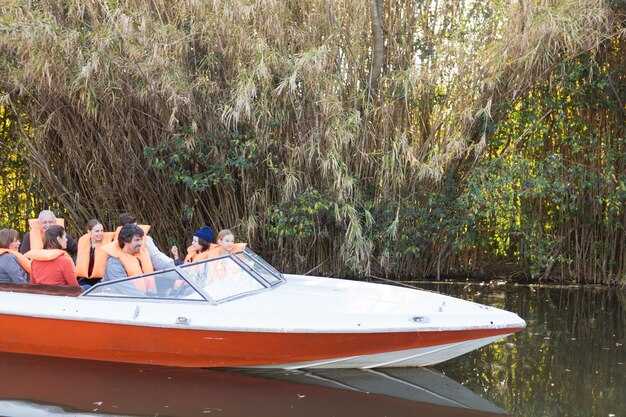
Go with a hull that combines a moderate V, a wide beam amidships, and ballast kept low to the bilge; this setup would give you steady control in rough waters, keep the captain comfortable, and make long trips more predictable.
For loop cruising, a mono-hull with a deep forefoot and spray rails tracks well in chop, while a northern ranger style hull prioritizes stable displacement and predictable motion in open water. Since docking and crosswinds around port corridors are common, choose a design with balanced ballast and centerline weight to keep heel modest. In winter around seattle waters, choose a hull with buoyant bow and a dry deck to preserve visibility.
Keep ballast low and midships; place heavy fuel and water tanks low in the bilge to lower the center of gravity heights and reduce rolling. Required metrics include ballast position, beam, draft, center of gravity. Print the spec sheets to compare GM, freeboard, and damping characteristics across options. Look for a hull that maintains comfort when wind rises and waves come from the side, so navigation remains precise at 6–8 knots during crossings and near harbor approaches.
In practice, ensure you have trim tabs or stabilized fins if budget allows; this helps suppress tight rolling and improves response to helm input. For long passages, a hull with good damping preserves speed without adding fatigue to the captain and crew, keeping the living area comfortable through the watch and in winter conditions.
Interior layout for long trips and liveaboard comfort
Recommendation: Start with a practical, convertible dinette layout that frees a dedicated sleeping area and a private head. A bigger midship salon with a U-shaped dinette that converts to a sleeping berth keeps lounging comfortable and delivers a full-time bed for long trips. Place the galley forward of the main cabin to keep noise and odors away from sleeping quarters, and ensure a clear, unobstructed path to the heads. This setup is very efficient when you are at the marina here or at the docks after a day on the water.
Among diverse models, Leopard catamarans stand out for liveaboard comfort. Leopard models offer ample hull storage, under-bed drawers, and a second heads option, which helps privacy. In winter, heated cabins and consistent cabin temps keep sleeping areas comfortable. Read the specs here to compare berth sizes, beam, and gross tonnage. Illinois-based loopers often favor these layouts for their maneuverability when docking at busy docks and marinas.
Maximize storage by using under-seat shelving, step-up storage, and hanging lockers in every cabin. Tie-downs (knots) on deck items keep gear from shifting while underway. Use waterproof, wipe-clean surfaces in galley and heads to reduce maintenance during long trips. For sleep quality, install acoustic insulation around berths and use blackout shades. Always ensure the bed orientation faces the most stable hull, not the salon, to avoid roll during rough seas.
Time aboard a loop boat means you need the galley to function with a compact footprint. Storage in two levels, with ceiling-height lockers, keeps daily routines smooth and reduces clutter. Owners asked about the best heads configuration and many choose a split-head plan to avoid morning queuing. cailtte’s notes highlight galley stability and a strong countertop edge to host small appliances. More exotic layouts add a mezzanine or a second sleeping cabin if you plan longer time on the water.
What matters most is a configuration that minimizes motion impact on the bed, keeps the heads and galley easy to reach, and preserves maneuverability under power or sail. In americas, the Leopard models with modular interiors score high marks for cruising comfort; always verify a well-insulated hull and a dedicated charging station for long trips on winter seas and extended time on the water.
Docking, maneuverability, and marina logistics
Make docking easier by choosing a vessel with a bow thruster and a stern thruster; over a year of real-world testing, crews report that this setup, making docking repeatably smooth, especially on long-distance legs and in gusty marinas.
In marina operations, plan ahead: foredeck visibility, set fenders, and secure two spring lines to the bow and stern so you can pivot with the gusts; when approaching locks on lake erie or other canals, coordinate with the harbor master to avoid blocking traffic. Important: secure slips in advance to keep a tight schedule across the years you spend on the loop.
Maintain speed to 6 knots or less in marinas; use thruster-assisted turns to align with slips, then ease forward. Practice docking in open water first; each maneuver becomes easier again after a few reps, and you’ll gain confidence that lasts years of Loop travel.
In the market, the choice should balance long-term reliability with cost; the average dockage can vary by region, and investing in gold-level features like a robust thruster system and clear foredeck visibility can improve market resale value. Think about suitability for your typical routes and that your budget supports maintenance for years of use.
For fishing enthusiasts, a broad foredeck and accessible lines help keep gear ready without crowding the cockpit. A vessel that handles like a mastodon in tight spaces reduces stress during busy passages; give yourself room to maneuver, because small errors multiply in locks and crowded marinas. Cons include the extra weight and maintenance of thrusters, plus higher initial cost and ongoing battery needs, but the long-term benefits often outweigh the downsides when you plan the year-long loop.
Maintenance planning and parts availability along the route
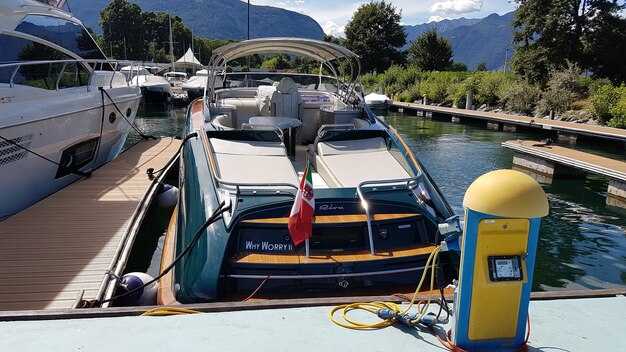
Maintain an absolute, route-wide spare-parts plan and a maintenance calendar that covers every leg of the loop. This accomplishes fewer delays and keeps safety gear ready at a moment’s notice. Remember, though, to review the plan before crossings to account for seasonal changes and port availability.
Kartoita varastopisteet reitin varrella sataman ja sulkulukkojärjestelmien mukaan; varmista, että voit hankkia hihnoja, tiivisteitä, siipipyöriä, suodattimia ja letkuja muutamassa päivässä, erityisesti erilaisista satamakaupungeista. Tämä lähestymistapa auttaa sinua pysymään joustavana, ja tutkimukset osoittavat, että useimmat Great Loopin veneet voivat hankkia yleisiä tavaroita viikon sisällä tärkeimmissä keskuksissa. Muista kuitenkin tarkistaa varasto ennen jokaista ylitystä, jotta et joudu pitkän hinauskuljetuksen tai väitetyn läpikulun kohteeksi.
Kissakatamaraaneille varaa kaksi erillistä säilytystilaa varaosille per runko ja dinghy-huolto-sarja. Korkeat kansitilat ja järjestelmälliset lokerot auttavat pitämään kymmeniä pieniä osia helposti saatavilla ilman, että kansi ahdistuu. Selkeä pohjaratkaisu säästää aikaa, kun nopea vaihto tarvitaan, ja vähentää stressiä vilkkaina päivinä suluissa ja vilkkaissa satamissa.
Käytännön numerot: pidä 2-3 varaavaa moottorin hihnaa per moottori; 2-4 siipipyörää per moottori; 2-4 polttoainesuodatin; 2-3 öljynsuodatinta per moottori; 1-2 termostaattia; 2-4 varaavaa raakavesipumppua; lukuisia o-renkaita ja letkukiristimiä (kymmeniä); 2-4 sinkkianodeja; ja apuveneen korjaussarja. Lisää varaosa-startti tai laturi, jos moottorit ovat korkeakäyttöisiä, ja pidä muutamia ylimääräisiä letkuja, jotka on mitoitettu jäähdytys- ja polttoainejärjestelmillesi. Nämä kohteet kattavat yleisimmät viat ja mahdollistavat korjausten suorittamisen useimmissa satamissa ilman viikkojen odotusta.
Käytä sosiaalisen median alustoja, kuten LinkedIniä ja Mastodonia, yhteydenpitoon marina-, korjaus- ja muiden Loopeista koostuvien kanssa; kysy tiedusteluja nykyisistä varastoista, toimitusajoista ja suositelluista paikallisista toimittajista. Tämä idea pitää sinut ajan tasalla alueellisista puutteista ja auttaa suunnittelemaan oleskelun sataman lähellä, jossa on oikeat osat, pitäen veneesi ja miehistösi turvassa satojen mailien matkan ja useiden monipuolisten kanavasuistojen varrella.
Tässä on esimerkki: talvisäilytyksen jälkeen suorita diagnostiikka moottoreihin ja pumppuihin; tarkista varaosien varasto ja säädä määriä tulevia osuuksia varten; vuosien saatossa tämä lähestymistapa vähentää riskiä ja säästää aikaa. Selkeä suunnitelma, josta jaat luotettavan kumppanin kanssa, helpottaa kenen tahansa veneessä korjausten hallintaa, kun sinä keskityt matkaan ja seuraavaan sulkuun.