


 Suomi
Suomi  English (UK)
  Русский
  العربية
  日本語
日本語  한국어
한국어  Magyar
  Türkçe
  Español
  Čeština
  Svenska
  Português
  Ελληνικά
  Nederlands
  Română
  Italiano
  Français
  Polski
  Українська
  Deutsch
  简体中文
简体中文  Slovenčina
 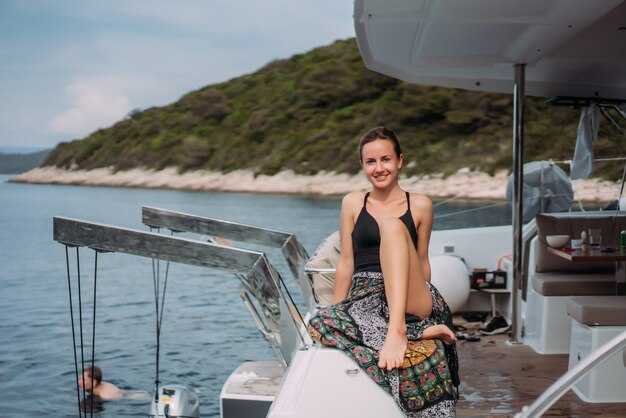 Bahamas Abacos Yacht Charter & Sailing Vacations – Your Ultimate Guide">

Start with a 7‑day loop: hopetown, mangroves, and fresh catches–this concrete plan sets expectations and time for each stop. Pick a vessel that fits the group (4–6 guests) and a capable captain comfortable with remote harbors. For american travelers, having a seasoned skipper saves money and avoids weather misreads, while keeping the pace steady and enjoyable.
Itineraries here vary, offering a variety of short hops and longer passages. Each route narrows into sheltered lagoons, pristine mangroves, and early morning lines. You’ll visit hopetown’s harbor, Albury, Green Turtle Cay, and Man‑O‑War Cay, then back to the main channel. Those days deliver sun, salt air, and a gallery of sky pictures at sunset.
Timing and costs: The best window is late fall through spring, when trades are favorable and water stays warm enough for snorkeling. Budget guidance: choose a crewed float for predictable money outlay; a bareboat option invites risk and fuel surprises. Two to three mornings dedicated to fishing produce fresh catches; those meals aboard boost morale and make meals back on deck memorable.
Harbor notes: hopetown offers a sheltered anchorage with a sandy bottom and shallow reefs nearby. Albury provides calm moorage and a quick land excursion for coffee and a chat with locals. Mangroves along the interior give sanctuary for birds; if you went ashore, you could map those waterways by kayak and see green water reflections in the shadows of mangrove roots.
Equipment tips: bring a compact camera to capture sunrise in front of the gallery‑like skies, and a light, dry bag for protecting electronics during a mangrove drift. Fresh groceries come from small markets on Albury and in Hopetown; money, a spare SIM card, and a reliable weather app keep everyone prepared. Here, you’ll learn to read the wind and adjust course to avoid afternoon squalls.
Itineraries tailored for every interest exist: family days with shallow snorkeling, american crews chasing bonefish, photographers chasing color from the aft deck, and those seeking solitude. Weve found that having a balance of two anchor days and one full‑day island hike keeps energy high. Kick off with a sunset sail, then land for a picnic on the beach, and finish with a quiet night under the stars.
Final note: this route emphasizes hands‑on experiences–fishing, mangrove tours, and local art galleries–while keeping the pace accessible and safe. Plan with a local operator who can adjust itineraries on the fly and add fresh stops if conditions allow; you’ll return with stories and a renewed sense of escape, back home with a new appreciation for blue horizons and rugged coastline, ready for the next voyage.
Gourmet on the Water: Practical Cuisine Guide for Abacos Charters
Plan a three-day provisioning cycle: select two mains from the reefs (yellowtail snapper or grouper) and a shellfish dish (conch or lobster), plus a vibrant vegetarian option, and arrange a mid-trip restock with a trusted vendor in the following ports.
Shop abacos village markets for citrus, tropical fruits, breadfruit, and leafy greens; stock dairy and bread from reliable suppliers, and align purchases with the year-round climate and seasonal harvests here.
Maintain the cold chain in the galley: insulated coolers, clearly labeled quarters, and close attention to the condition of fish–clear eyes, firm flesh–before cooking to 63°C (145°F).
Craft sauces with lime, coconut, and herbs; fold in african-inspired spice blends and american-style rubs to diversify flavors.
Grill fresh catches on a deck rack, bake flatbreads in a compact oven, and keep a crystal bowl of water and citrus on the counter; ensure a serene rhythm of meals while soaking in tropical bliss.
Night dining beneath a soft firefly glow elevates the mood; respect quarters by planning simple, low-waste plates; follow local fishing rules around reefs, and note that turtle protections apply in many harbors; visit lighthouse villages for coastal light and local american-style taverns.
Here, the following approach yields unforgettable meals across year-round warmth, with hope in each plate and a kick of discovery.
Core Dishes to Sample Aboard: Conch, Lobster, and Bahamian Classics
Begin with conch fritters at a dock between mangroves, where catamarans glide by and the laid-back vibe makes the experience effortless. That bite is likely to be a picture-perfect start and also gives weve time to settle in before exploring more flavors around the north coast and hidden coves.
- Conch-focused bites
- Conch fritters: crisp, golden, with a citrus dip.
- Conch salad: diced conch with tomato, onion, lime, and peppers; pick up peppers at the grocery to boost freshness.
- Conch chowder: creamy, coconut-forward, a hidden gem in boutique-lined harbors.
- Lobster delights
- Rock lobster: grilled with garlic butter; buy the catch fresh at a morning market and cook it before the heat fades.
- Lobster tail with citrus beurre blanc: a refined choice for a picture-perfect dinner as the sun sets.
- Lobster boil: a social, one-pot option that works well aboard a bareboat rig with a small crew.
- Bahamian classics and seasoning
- Cracked conch: light batter, fried crisp, great as a stop-and-go lunch beside a quiet place with mangroves in view.
- Stew fish or fried fish with johnnycake: sturdy and satisfying, often the anchor of a midday repast around the north coast.
- Guava duff or a simple sponge cake with rum sauce: a traditional finish that blends with African-influenced spice blends.
- Rice and peas with pepper sauce: a staple side that carries flavors widely across the archipelago.
For the on-water cook, competence matters. Plan with the knowledge-theory of flavor and keep the kitchen simple to fit the electricity-hungry galley of a bareboat. Before you set out, do a quick grocery run and map a few practical stops so you’re not chasing a stop every hour. The experience hinges on staying settled and being able to shift plans if a hidden anchorage offers a more evocative scene; thats when the voyage becomes something more than a routine, a true, also picture-perfect meal-and-moment. If you’re able, keep things compact and scalable so you can enjoy the surroundings around dockside towns and boutique-lined harbors without compromising competence.
Provisioning 101: Shopping for a Week in Abaco, Marsh Harbour, and Treasure Cay
Do one efficient provisioning run the day before departure: hit petes for staples, then top up at the harbour market for produce and dairy; choose weeklong supplies that suit your crew, from rice and pasta to canned tomatoes, beans, oil, coffee, and breakfast cereals. Add fresh eggs, butter, hard cheese, fruit, and a couple of pounds of local fish if possible; keep a small stash of refrigeration-friendly items for nights when the tide runs calm and the anchor holds.
Pack smart storage: deploy a compact plymouth cooler and a wooden icebox to extend freshness; separate raw from ready-to-eat items, label days by use, and wrap herbs in a damp cloth to slow wilting. opt for cheeses and yogurt that travel well, and plan for two days of seafood or poultry so you can unwind without last‑minute scrambling.
Build a weeklong menu around three core staples–rice, pasta, and beans–plus two protein options and plenty of fresh produce. Favor reef‑caught fish when available, but keep reliable backups like canned tuna or chicken thighs. Craft five dinner ideas with simple sauces, citrus, and greens, and marshal breakfast and lunch around oats, bread, eggs, fruit, and salad. Apply knowledge-theory to portioning so one couple or small crew avoids waste while leaving room for occasional treats from island heritage markets; you went coastal once, you can repeat the pattern with local twists.
Plan the logistics around the rhythm of the harbour area: stores often close before dusk, so buy water, ice, dairy, and perishables first; space planning matters, so pack dry goods in sealable sacks and keep a dedicated space for fish and poultry. Expect year-round warmth and occasional gusts; choose a calm day for re-stocking if the forecast calls for rough seas. For beaches with white-sand sands, reserve a few days to unwind and refresh after cruising; last nights on deck benefit from simple, light meals, a cup of coffee, and a steady breeze that keeps the crew comfortable as you prepare to sail again.
Onboard Menu Templates: 7-Day Dinner Plan for Yacht Charters
Start with a core, flexible dinner setup that minimizes provisioning and keeps the crew happy: a single protein, a dependable starch, two vegetables, and a pairing sauce that can be scaled up or down that calm, settled rhythm throughout the itinerary.
Day 1 – Citrus-crusted fish with herb rice: Quick sear of firm fish, lemon zest crust, fluffy herb rice with parsley. Pair a cucumber-dill salad with a light yogurt dressing that blends brightness with creaminess. This open, refreshing start leaves room for wine and a calm evening on deck as the tide slips by.
Day 2 – Coconut-lime chicken with mango salsa: Pan-sear chicken thighs, simmer in coconut milk, lime juice, and ginger until tender. Serve with jasmine rice and a vibrant mango salsa. The tropical flavors keep the mood bright for a calm, settled dinner as the itinerary winds through open water.
Day 3 – Garlic shrimp pasta with lemon and herbs: Spaghetti tossed in olive oil, garlic, chili flakes, and a dash of white wine; finish with parsley and parmesan. Add blistered cherry tomatoes for a filled, bright sauce that pairs with a chilled white and a quick sprint to the dock for sunset.
Day 4 – Grilled veggie kebabs with quinoa and herb fetaVartaista paprikoita, kesäkurpitsaa, sieniä ja punasipulia; grillaa, kunnes pinta on hiiltynyt; tarjoile kuohkean quinoan päällä sitruuna-yrtti-fetamurujen kera. Tämä kasvisvaihtoehto pitää sekoituksen raikkaana ja toimii hyvin bareboat-reiteillä, jotka ovat avoinna ankkuripaikoille, joissa muonitus voi olla tiukkaa.
Päivä 5 – Naudanlihavartaita chimichurrilla ja paahdetuilla paprikoilla: Marinoidaan valkosipulissa, oliiviöljyssä, paprikassa ja oreganossa; grillataan medium-rareksi; tarjoillaan paahdettujen paprikoiden ja kevyen peruna- tai oliiviöljypohjaisen perunamuusin kanssa. Vankka, tyydyttävä vaihtoehto, joka sopii hyvin vuorovesipesuiselle illalle kannella.
Päivä 6 – Kermainen kookoscurry vihanneksilla ja jasmiiniriisillä: Hauduta kukkakaalia, porkkanoita ja herneitä kookosmaidossa currytahnan, inkiväärin ja limen kanssa, kunnes ne tuoksuvat. Tarjoile jasmiiniriisin kanssa. Anchorage at Albury tarjoaa rauhallisen taustan tälle lämpimälle ja lohduttavalle ruoalle päivän mittaisen mangrove- ja suoalueiden risteilyn jälkeen; tankkaa energiaa auringonlaskun aikaan avovesiristeilylle, kun vuorovesi nousee.
Päivä 7 – Miso-glasuuri kalaa, seesamiriisiä ja vihreää: Paista valkoista kalaa misoglasuurilla, tarjoile seesamiriisin ja paistetun pinaatin tai lehtikaalin kanssa. Viimeinen maistelu, joka jättää miehistölle unohtumattoman lopetuksen ja sujuvan paluun laituriin tai ankkuripaikkaan, valmiina uuteen matkaan.
Juomat, juomatavarat ja paikalliset yhdistelmät: Mitä siemailla bahamalaisten makujen kanssa
Aloita kookos-lime spritzillä: kookosvettä, limemehua, ripaus tummaa rommia ja hyppysellinen merisuolaa; raikas, kirkas ja ihanteellinen maistiaisille, sillä päivät vesillä sisältävät veneilyä ja risteilyä lähellä mangrovemetsiä.
Seuraavaksi, tutustu rommipohjaiseen booliin tai juomaan: passionhedelmä, hibiscus ja inkivääri tasapainottavat raskaampia ruokia, kuten kotilonaksuja tai jerk-maustettuja mereneläviä; seuraava yhdistelmä toimii hyvin kannella päivän pohjoisen majakan lähellä veneilyn jälkeen, purjehdusreittejä pitkin rannikkoa.
Autioiset poukamat kutsuvat hiljaiseen siemailuun: kuiva valkoviini tai kevyt olut sopivat paistettujen banaanien, grillatun kalan ja yksinkertaisten suupalojen gallerian kanssa nautittavaksi puulaiturilla; majakan lähellä olevat vierashuoneet tarjoavat täydelliset puitteet pienille juhlille.
Huoltomuistio: kun koulutetaan uutta miehistöä palveluun, korjaustehtäviin sisältyy myymälän täydentäminen ja varaston tarkistaminen; siistin ympäristön ylläpito ehkäisee karilleajoja ja varmistaa turvallisen juomatuokion vesillä.
Afrikkalaisvaikutteiset vivahteet raikastavat keittiötä ja sopivat sitrushedelmien tai mangon kanssa; maistele inkiväärillä maustettua juomaa täydentämään meren antimia; lähistöllä olevat paikat tarjoavat rikkaan makujen gallerian, joka kutsuu vieraat nauttimaan seuraavista ruokalajeista.
| Juoma | Pariliitos | Huomautukset |
|---|---|---|
| Kookos-limelimonadi | Grillattujakonkkaa, banaanilastuja | Kirkas, merisuolainen viimeistely; ihanteellinen veneilyn jälkeen |
| Rommipohjainen booli | Merkeillä maustettu merenelävät, sitrussalaatti | Runsas; täydentää afrikkalaisten mausteiden sävyjä ruoassa |
| Hibiscus-inkiväärisiirappi | Mahi ceviche, mangosalsa | Hapan noste lähellä mangroveja; monikäyttöinen |
| Kuiva valkoviini vai kevyt olut | Paistetut banaanit, grillattu kala | Rento vaihtoehto puulaiturilla |
| Maustettu kahvitonic | Leivonnaisia, paikallista juustoa | Aamuvahvuutta ripauksella mausteita |
Elintarviketurvallisuus ja -säilytys veneessä: Vinkkejä tuoreuteen, jäähdytykseen ja hygieniaan
Aseta tiukka sääntö: helposti pilaantuvat elintarvikkeet kuuluvat pääjääkaappiin, jossa lämpötila on 3–4 °C ja lämpömittari näkyvissä. Säilytä raakoja proteiineja tiiviissä astioissa alahyllyllä ja kierrätä varasto noudattaen "vanhin ensin ulos" -periaatetta pilaantumisen estämiseksi veneilyn aikana. Pidä erillistä säilytyskori-sarjaa pienille esineille, sijoitettuna lähelle keittiötiloja nopeaa käyttöä varten.
Maito ja munat: säilytä munat alkuperäisessä kartongissa ja jäähdytä 3–4 °C:ssa. Maito säilyy 5–7 päivää avaamisen jälkeen, jogurtti 7–14 päivää, kovat juustot 3–6 viikkoa, pehmeät juustot 1–2 viikkoa ja voi 1–4 viikkoa. Jos jäähdytys on satunnaista, täydennä säilyvillä tuotteilla, kuten UHT-maidolla tai pakatuilla kasvipohjaisilla juomilla, ja merkitse päivämäärät selkeästi.
Lehtivihreät säilyvät tuoreina 3–5 päivää kosteussäädellyssä vihanneslaatikossa; käytä rei’itettyjä pusseja ilmankierron ylläpitämiseksi. Pidä tomaatit, kurkut ja paprikat erillään runsaasti etyleeniä tuottavista hedelmistä ja säilytä sipulit ja perunat viileässä, pimeässä tilassa itämisen hidastamiseksi. Suunnittele kasvisten säilytys niin, että kosteuden muodostuminen ja kuihtuminen minimoidaan ympärivuotisen risteilyn aikana.
Hygienia: pese kädet 20 sekuntia saippualla ennen ruoan käsittelyä; desinfioi leikkuulaudat ja veitset raakaproteiinien jälkeen ja ennen valmiita syötäviä tuotteita. Käytä värikoodattuja lautoja (värikkäitä) ristikontaminaation estämiseksi ja pyyhi pinnat desinfiointiliuoksella (1:50–1:100 valkaisuaine tai hyväksytty suihke). Kuivat liinat tulee säilyttää erillään kosteista räteistä homeen kasvun välttämiseksi ahtaissa tiloissa.
Juomat ja valikoima: pidä puhdas vesi suljetuissa pulloissa ja säilytä juomat erillään ruoasta roiskeiden välttämiseksi. Käytä erillistä kylmälaukkua juomille maun säilyttämiseksi ja kondensaation minimoimiseksi, jotta voit ylläpitää erinomaista ja vakaata lämpötilaa värikkäälle valikoimalle alkoholittomia ja vähäalkoholisia vaihtoehtoja.
Ruokahuolto satamissa: käy lähellä olevissa toreissa täydentämässä varastoja, etenkin matkojen välillä. Luo ympärivuotinen varasto, joka sisältää säilyviä peruselintarvikkeita ja pienen valikoiman suosikkeja; pienissä satamakaupungeissa tai autioissa poukamissa, varaudu ylimääräisellä viikon ruokavaralla. Ylläpidä rutiinia, joka huomioi erilaiset maut (monipuolisuus) ja pitää tärkeimmät tarvikkeet helposti saatavilla pääasuintiloissa.
Sähkökatkos ja hätävarasto: jääkaapin sähkökatkoksen sattuessa siirry säilykkeisiin, kuivattuihin hedelmiin, pähkinöihin ja säilyviin maitovaihtoehtoihin. Pidä kylmäkalleja ensisijaisessa kylmälaukussa ja suunnittele helposti pilaantuvien tuotteiden nopea kierto. Käsittele kaikki pyydykset nopeasti ja jaa pienempiin astioihin jätteen vähentämiseksi.
Sukellussaaliin käsittely: Jos kalastat tai sukellat saadaksesi mereneläviä, puhdista ja laita ne jäihin heti. Laita fileet jääkaappiin 2 tunnin sisällä saaliin noutamisesta ja pakasta tai kypsennä ne viipymättä. Käytä pieniä annoksia jätteen vähentämiseksi ja hävitä kaikki, mikä haisee pahalle, on limainen tai värjäytynyt.
Täällä pätee tietoteoria: lämpötilan säätö, ilmavirta, kosteus ja ristikontaminaation ehkäisy määrittävät tuoreuden ja turvallisuuden. Olet täällä toteuttamassa näitä sääntöjä, jotta jokainen ateria pysyy seesteisenä, tasapainoisena ja turvallisena vesien ja satamaelämän keskellä, pikkukaupunkien ja kuvankauniiden poukamien välillä, läheisten ruokakauppojen ollessa valmiina täydentämään varastoja autioiden osuuksien jälkeen.