


 Suomi
Suomi  English (UK)
  Русский
  العربية
  日本語
日本語  한국어
한국어  Magyar
  Türkçe
  Español
  Čeština
  Svenska
  Português
  Ελληνικά
  Nederlands
  Română
  Italiano
  Français
  Polski
  Українська
  Deutsch
  简体中文
简体中文  Slovenčina
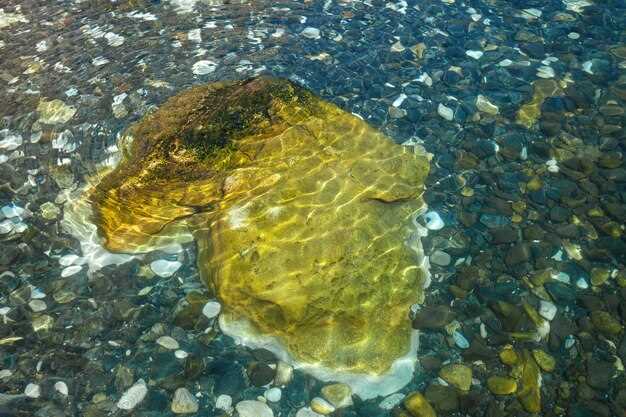
Begin with a quick check of local agencies like public health authorities; follow treatment guidance now. In Florida waters, dense algae presence can emerge within months, reducing water quality for marinas, beaches, navigation routes. Look for advisories issued by watershed authorities; these measures protect people, pets, equipment alike; keep them safe.
Looking at causes, fertilizer runoff from urban landscapes, agriculture, septic systems fuels growth caused by warm seasons; although warm temperatures drive metabolism, heavy rainfall, runoff pushes loads into streams, rivers, below-surface layers; this creates a broader possibility in busy watersheds.
Waterway users monitor water appearance; odor; surface sheen; the presence of dense mats; this affects safety. Agencies publish duration projections; looking at Florida case histories helps plan trips for the coming months, even during busy weekends.
Follow treatment recommendations issued by authorities; install equipment like protective screens; perform routine checks on intake systems to reduce exposure soon.
Dense cells concentrate near shorelines; below the surface, these cells may migrate toward propellers, intakes, or water lines; this reduces visibility; observers note less clarity across water columns; the possibility of toxin release influences safety decisions for watercraft; equipment operation may be affected across months.
Practical Guide for Boat Operators and Bloom Sightings
Please halt propulsion when a suspect plume reaches your path; reduce speed to idle; maintain a safe margin; attach a photo; log coordinates; record time; note water color; observe surface slicks or scum movement.
Report to the state authority via the official portal; attach the photo; include location coordinates; date; time; river segment; mark suspected likelihood; describe color; odor; specify whether dead fish exist.
Keep small children ashore; secure pets; avoid skin contact; if contact occurs, rinse with clean water; wear gloves when handling gear; move away from affected water.
Do not cross through dense patches; essential routing choices; choose alternate routes; reduce wake to limit resuspension; maintain hull cleanliness; rinse gear at shore; avoid discharging ballast into water.
Maintain steady speed near habitats; watch for fish kills; report suspected odors; keep distance; do not anchor in shallow bays; if you catch fish for filet or filets, discard in a separate bag; never eat from zones with suspected events.
naturally, opportunities exist to minimize risks; please participate in projects; maintain buffer zones; protect water quality; support native vegetation; monitor blooming river sections; sometimes results become clear; results found through partner programs help steer actions; called indicators show progress; reach out when questions arise; different agencies may provide guidance; likely scenarios emerge as temperatures rise; in zones badly affected, avoid shoreline contact; bloom-related events happen more often.
Spotting Bloom Indicators: color changes, surface scums, foam, and odor
Stop and move away from water present with color changes, surface scums, or a strong odor; then reporting to public health authorities via official channels helps contain risks within the local system.
Color shifts can indicate phytoplankton increased and cyanotoxins present within freshwater; patches may float around the surface and along shorelines, creating health concerns that have been reported by field crews.
Surface scums may appear around edges and along hulls, forming films that look slimy or waxy; these patches can contain cyanotoxins and a strong odor, creating breathing concerns for public safety and for visitor groups.
Foam on the water or along the bank is a sign of rapid growth by phytoplankton; in shallow zones or near the river mouth, this foam may drift long distances and attract boats; avoid contact and wash exposed skin after leaving the area.
Public reporting within hours helps prevention and further action; just note that runoff from land can push nutrient levels higher, fueling increased growth; keep equipment clean to prevent transporting spatt from one site to another.
If contact occurs, rinse with freshwater immediately, remove from the area, and wash gear thoroughly before continuing; avoid reentry until advisories update; this approach aims to prevent exposures for the public and reduce illnesses posed by cyanotoxins.
Verify Bloom Status with Official Sources: local advisories, water-quality reports, and closures
Check bloom status via official sources before taking a trip to lakes. Review state environmental agency advisories and county notices for suspected or confirmed activity, affected water bodies, dates, and any closures; if a notice is in place, take alternative plans to protect children and other visitors.
In Florida, after rain events nutrient input from runoff can spike, driving elevated chlorophyll-a readings and altered dissolved-oxygen trends. Overall metrics show the amount of activity on the water; these signals often appear in shallow areas and can affect nearby facilities and habitats, making it important to postpone use and refer to official program notes for guidance.
Follow closures and facility instructions: avoid launching vessels in water with active notices; comply with posted restrictions at boat ramps, parks, and facilities to protect lakes and their ecosystems. After use, wash gear at designated facilities and maintain clean-up routines to prevent cross-contamination to home water bodies and to protect them from further contamination.
Governments and local programs share data that reflect real-time conditions and potential risk; although some areas are unaffected, weaknesses in reporting or data gaps can occur, and industry practices may refer to different thresholds. Use these signals to plan responsibly for all members of the household, including children, and to minimize exposure while enjoying shallow-water recreation.
| Source | Mitä se kattaa | How to access | Key indicators |
|---|---|---|---|
| State environmental agency advisories | Current bloom-like activity flags, affected lakes, and dates | Agency website or notification portals | Suspected or confirmed activity; closures; warning levels |
| County health department notices | Local advisories and health guidelines for recreational water | County site or hotline | Restricted areas; public health recommendations |
| Water-quality reports | Chlorophyll-a, dissolved oxygen, nutrient metrics | Public data portals | Elevated chlorophyll-a; low DO; high nutrient load |
| Closures and facilities updates | Beach or ramp closures; park facility status | Local government pages; park district sites | Dates of closure; re-opening conditions |
Operate to Minimize Spread: reduce speed, avoid dense shoreline zones, and limit wake
Operate at reduced speed in nearshore, shallow areas; target 5 mph (8 km/h) or less within 200 meters of shore. A slower boat yields a smaller wake; this reduces surface disturbance. It limits release of organic substances from bottom layers; such release can affect water quality during growth events. Temperature shifts amplify effects; when water warms, slower operation keeps localized zones calm, helping prevent rapid growth spurts that affect visitor experiences.
Avoid dense shoreline zones; route through open water corridors or mid-lake channels to minimize disturbance of sensitive habitats. In typical run, staying at least 0.25 miles offshore reduces contact with nearshore growth zones by about 40 percent; this percent varies with hull shape and water depth. Some spatt populations along shoreline benefit from calmer conditions; wake minimization helps stability for these groups.
Limit wake by maintaining smooth throttle transitions; gradual acceleration; avoid sharp turns. This reduces disturbance of sediments; decreases resuspension in freshwater sections near cities with high visitor traffic. Filter systems on board help keep hulls clean; some boats adjust trim to minimize wake.
Training for boat operators covers wake management, hull filtration checks, route planning. Such training helps reduce issues related to illness among visitors relying on clean water. In freshwater zones, temperature shifts influence growth; monitoring when temperatures reach 20 C reduces medical risk. This approach is referred to by several authorities as a baseline for responsible operation. Some training sessions occur several times per season.
Immediate Onboard Actions When You See a Bloom: stop water intake, avoid contact, and move to open water
Shut off all fresh-water intake immediately and close seacocks to stop uptake; switch to onboard reserves and disconnect from any dockside feed. This prevents volumes from being drawn into the systems and reduces downstream exposure for crew and operations.
Move to open water promptly: steer away from suspected zones and nearshore areas; deeper waters dilute concentrations and reduce contact risk. The sailing time to reach safe depth depends on wind, current, and boat speed, and you should not linger in affected belts.
Avoid contact with the surface; do not swim; wear protective gloves and clothing when handling lines or gear near the water; if exposure occurs, wash skin with fresh water and monitor for medical symptoms; seek medical advice if pain, nausea, dizziness, or skin irritation appears. Ingested amounts or spray can affect the liver and other organs, so minimize ingestion and rinse mouth with clean water if contact occurs.
Document observations: color shifts, white films, floating mats, odor, and any sheen; log the location (where you are), time, and areas with suspected activity; this data helps reach authorities and state guidelines, and sharing with industry partners can trigger increased guidance and more facilities for clean-up and containment called for in response plans.
After exiting the exposure zone, implement proper clean-up and decontamination: flush potable-water lines, test residues, and inspect gear, lines, and hull for lingering contamination; several steps are needed for a full recovery. For boatsetters, notify authorities and follow called procedures to prevent repeat events and safeguard food resources and other segments of the marine economy; opportunities to improve routines and training across fleets grow as industry collaboration expands.
Reporting the Sighting: who to contact, what data to provide (GPS, time, bloom color/size), and how to submit photos
Be sure to notify the local department of protection via official portal or hotline; this supports protection programs; each report helps preserve habitats above water bodies; above contact details ensure rapid processing.
This data helps prevent issues that could affect water safety; it informs further actions by governments; use the steps below to report clearly and responsibly.
- Who to contact
- Local department of environmental protection; state or regional water quality division; contact path listed above
- Harbor master; municipal sewer authority; managers at the water body
- Boating crews; sailing clubs; nearby marinas; volunteers may relay information to the department
- Data to provide
- GPS: latitude, longitude; decimal degrees to five places; if unavailable, provide nearest landmark
- Time: date; local time; include time zone; UTC if possible
- Bloom color; size: color description; approximate surface coverage; express as percent or square meters; note patch shape
- Context: water body name; distance from shore; proximity to lawns; potential sewer outflows; likely to affect drinking water; observed over weeks; occurrences may have occurred in the current year; note nearby cooking facilities along the waterfront may contribute runoff
- Observer notes: health safety reminders; do not drink water from this body until authorities confirm safety; equipment used; washing protocols; equipment rinsed after sampling; weather and wind observations; describe what you think might recur
- Handling tip: avoid contact with guts or tissue; wear gloves if handling samples; wash hands after
- How to submit photos
- Photo formats: JPG; PNG; high resolution; minimum three images: close-up; wide shot; map view
- Captions: location; date; time; water body name; color descriptor; approximate coverage
- Photo hygiene: rinsed gear; wash hands after handling sample material; avoid including people; do not alter color; respect privacy
- Submission method: via the official portal; or email to the protection department; attach images; include a brief report text with GPS and time; reference the above contact path
- Follow-up: frequently check advisories; governments may post updates; review instructions within weeks after sighting; apply recommendations to sailing plans