


 Suomi
Suomi  English (UK)
  Русский
  العربية
  日本語
日本語  한국어
한국어  Magyar
  Türkçe
  Español
  Čeština
  Svenska
  Português
  Ελληνικά
  Nederlands
  Română
  Italiano
  Français
  Polski
  Українська
  Deutsch
  简体中文
简体中文  Slovenčina
  A Beginner’s Step-by-Step Guide to Operating a Jet Ski in Cancun">

Always secure a life vest and finish the safety briefing before stepping aboard. Confirm the lanyard, fuel gauge, and vessel tag, then run a quick check of the handlebar to ensure smooth steering and throttle response. This routine builds exhilaration while reducing risk on a busy Caribbean coast as you prepare for a balanced run.
On the dock, choose a craft that matches your experience. Favor a balanced platform and an ergonomic setup. In a larger operation you will encounter a blend of models from different brand lines, including waverunner units, both new ja used. Pick one with reliable brakes, a comfortable seat, and a simple start system to stay aboard longer.
Once afloat, pose with a wide stance, knees lightly bent, and your weight centered. Maintain a relaxed torso and a forward gaze to stay clear of entanglement with lines and nets. Hold the handlebar with a light grip and practice a blend of steering and throttle to maintain a smooth running profile while trimming the waves; this discipline extends your control on the water.
Begin in shallow water: let the engine idle, then slowly advance to a cautious running pace. In crowded bays near shorelines, keep your distance from swimmers and other craft; stay within posted zones and respect local rules to extend your day without incident. The operation becomes predictable when you anticipate wakes and adjust your balance as needed.
Conditions can be different–wind, current, and hull spray–extend the need for caution. Keep your eyes on the water and have a plan for turning back if conditions change; always stay within distance of available rescue resources and a nearby dock. If something feels off, reduce power and reassess; the risk of entanglement or collision is reduced when you maintain a deliberate rhythm.
After your run, return to the marina, shut down, and rinse the hull and drive unit. Store your personal watercraft in shade and secure it to the dock; you should also log the rental or purchase details, noting any entanglement risk or mechanical issue to the operator. This approach preserves the craft and keeps your next ride available for a larger adventure.
Cancun Jet Ski Operation: A Practical, Step-by-Step Guide
Always wear a certified life jacket and perform a pre-ride inspection of the craft, controls, lanyard, and fuel level before you take to the water.
- Pre-ride check
- Verify the vessel is equipped with a lanyard, a functioning kill switch, a whistle, and clear instruction placards with guidelines. Inspect the intake grate for debris that could affect cooling, and confirm the fuel level and battery connections. Ensure the body posture you plan to use is comfortable for stability and controlled movement.
- Confirm you are wearing appropriate footwear and that your weight distribution is prepared for a beginner session. If you are unsure, request a brief safety briefing from certified staff who have years of experience in boating instruction.
- Launch and initial positioning
- Approach the water from a calm dock area and perform a slow, controlled start. Keep the throttle gradual, stay along the designated launch lane, and maintain a balanced stance to protect back and core muscles for stability.
- Keep the machine in a straight line for the first minutes, then practice light turns in shallow water away from heavy traffic. Time your movements to the rhythm of local guidance and the operator’s suggestions.
- Basic driving and control
- Use smooth, intuitive steering inputs; avoid abrupt shifts that can cause instability. Maintain a low speed near shorelines or docks and increase speed only after you confirm a safe space with ample clearance from boat wakes and other watercraft.
- For each maneuver, think about your body position: knees slightly bent, back upright, shoulders relaxed. The goal is controlled acceleration, not speed, especially in busy areas along the channel.
- Traffic, etiquette, and safety guidelines
- Follow local guidelines and stay with the group or guide when provided. Maintain a safe distance from other vessels, paddlers, and swimmers; avoid blocking access to safe routes or exit points.
- When passing wakes, approach them at a shallow angle and reduce speed to preserve stability. Use a wide arc rather than a sharp line to minimize impact on nearby watercraft and onlookers.
- Finishing the session and post-ride care
- Reduce speed as you near the dock, disengage the engine, and securely tie off the craft. Return to the back of the slip with steady hands, then rinse the exterior and intake grate to remove saltwater residue.
- After docking, log the activity time and note any unusual readings or wear. If the instructor or rental staff recommends a follow-up check, schedule it; years of routine maintenance are essential for safety and longevity.
Pre-ride Safety Checklist for Beginners
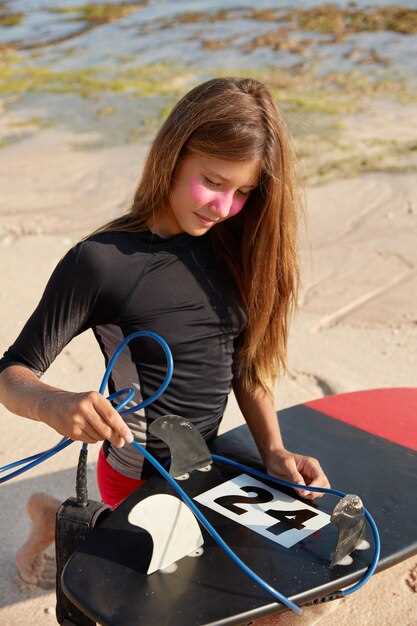
Do this first: secure the platform, strap on a U.S. Coast Guard-approved life vest, and keep a whistle within reach as you plan the ride on time.
Review the official guidelines for your model and the rental provider; confirm the kill-switch lanyard is attached and test ignition, battery, and cooling systems before starting.
Inspect the impeller and intake grate for debris; verify the lower unit is sealed; listen for unusual noises or water expelled from the exhaust; if you detect anything out of the ordinary, do not ride and seek service.
Check fuel level, capacity, and weight distribution; keep the load lower than the maximum; choose a suitable configuration to maintain a tuoreet ja vibrant ride; this is a practical option for learners to stay comfortable.
Avoid riding if you are pregnant or have medical restrictions; pregnancy affects balance and reaction time, so postpone until you can ride with full awareness of your limits.
Adopt proper posture and grip; slowly advance the throttle to learn steering; you should feel the hull respond and be able to handle the craft in light turns; unlike car driving, braking relies on engine and rider weight, so practice feeling the balance and time your movements.
In guided tours, follow the instructor’s directions, stay within designated zones, and remain aware of known hazards and nearby boats as you pass through busy channels.
Opt for an ideal learning platform and consider a model from kawasaki that offers stable handling and built-in safety features; this makes the learning path better and sets you up for success.
Tämä step is part of a longer safety routine; after a ride, inspect for leaks, check the systems again, and review any notes to improve your next session or tours.
Registration, Local Rules, and Required Documentation
Always confirm registration with the rental operator and carry all required paperwork in hand, reviewing it yourself before heading out. This prep protects against penalties and helps you plan a safe ride into the waterways.
Local rules cover life jackets, permitted operating zones, and speed limits. Weather affects visibility and control, so adjust speed and keep a safe distance from other vehicles while you maintain awareness of surroundings. Braking should feel intuitive, and you must handle the craft smoothly to operate with confidence, minimizing challenges in traffic around crowded shorelines. Slow down and avoid sharp maneuvers around mangrove channels until you know the route.
Documentation and verification: carry a government-issued photo ID, proof of age if required, the rental agreement, and a valid payment method. Some stations accept a motorcycle license as an alternative ID, but confirm with the operator. Have an emergency contact listed and any required permits on board, in a waterproof pouch, to ensure you can respond quickly if needed. Pregnancy restrictions may apply in some locations; if you are pregnant, avoid operation and seek assistance for transport.
To stay prepared, familiarize yourself with the local area before riding. Finding their safest entry points around mangrove boundaries reduces risk. Secure all loose items, adjust the seat for balance, and use the hand grips to maintain control as you enter the water. This enhances awareness and ensures you operate with a calm, deliberate approach rather than abrupt maneuvers in traffic.
Weather and tides influence decisions; if the forecast warns of rough seas or shifting currents, postpone use. Always have an observer on shore when possible to assist with parking and retrieval, and review local signage for changes in rules or restricted areas. Paying attention to awareness and capacity in real time helps you stay safe and compliant.
| Documentation / Requirement | Details |
|---|---|
| Proof of identity | Carry a government-issued photo ID; present on request; verify age and eligibility with operator. |
| Rental agreement | Keep a copy on board in a waterproof pouch; ensure your name is listed and terms are understood. |
| Payment method | Have a valid credit/debit card or accepted method; be aware of possible pre-authorization. |
| License reference | Local rules may accept a motorcycle license as ID; confirm acceptance with the operator. |
| Emergency contact | Provide one contact; store details securely on board. |
| Safety equipment | Life jacket worn at all times; check fit and secure loose items before departure. |
| Area awareness | Know mangrove boundaries, no-go zones, and safe routes; review a map beforehand. |
Starting, Steering, and Acceleration: Hands-on Basics
Attach the safety lanyard and verify ignition, then idle the engine before any movement. For getting underway, keep your weight centered and use sit-downs to balance, with feet flat and knees slightly bent. The watercraft should be equipped with a life vest, kill switch, and a clear signal light; verify safety indicators are on. With the engine idling, perform a light pump on the throttle to confirm immediate thrust when you push forward. This design is designed to reduce risk of a sudden surge; источник guidelines suggest keeping 10–15 m from shore and other craft. Getting the basics right now makes subsequent handling easier and safer.
Steering technique Keep hands on the bars with elbows relaxed, look well ahead toward the skyline and surrounding landmarks. Use small, wide arcs rather than abrupt turns; enhancing control by gradual input reduces spray toward others. For beginning control, lean with the boat’s natural balance and let the craft respond to your wrists; turn gradually, then resume straight tracking to avoid cross-currents. When turning in tight spaces, shift weight slightly toward the inside of the turn and maintain even throttle; staying around buoys and docks helps keep distance from other watercraft. If you’re first-time rider, practice on calm water and stay near a sheltered area.
Acceleration and rhythm To get moving, advance throttle in small increments; aim for a steady thrust while watching for other vessels. Start from idle to about one-third of throttle, then ease up to cruising power as you gain confidence. Because abrupt shifts pull the front of the craft, keep weight centered and shoulders relaxed; this also helps prevent spray and water intake problems at rough seas. The importance of smooth inputs is clear for maintaining direction. Use a light pump on the throttle to pace acceleration and avoid sudden surges. Impeller should spin freely; if you hear grinding, stop and check for debris. Spark is part of ignition; a clean spark ensures reliable starting and smoother acceleration. If performance seems off, consult the source (источник) or a pro.
Safety, docking, and hazards Always inspect the path for hazards and keep a wide berth around other craft and swimmers. When approaching a dock, reduce speed to idle early, steer toward a broad angle, and gently ease into docking by aligning the front of the craft with the wharf. Follow the following safety instructions from the brand manual; using used equipment requires regular checks. Ensure to maintain a steady pace to avoid collisions. When in doubt, stop at a safe area and reset; beginning riders should practice with a skilled instructor in calm bays. Ensure the hull is free of debris and the impeller spins freely; if you notice odd spark or vibration, discontinue use and seek service from a qualified technician. This setup is suunniteltu to give you a stable platform for exploring the skyline while keeping you safe.
Navigating Key Zones: Buoys, Marine Life, and Protected Waters
Keep at least 50 meters away from navigation buoys and markers, and reduce speed to no-wake when approaching channels. This isnt the moment to test limits; a collision with swimmers or a submerged line can end a ride quickly. A powerful jetski, whether kawasaki or waverunner, carried with guard-approved safety gear enhances stability and allows you to perform controlled turns even in moderate chop. The goal takes safety first and delivers exhilaration in every ride, turning recreation into memorable excitement without risking the craft or crew.
- Poiju- ja merkkialueet
- Pysy selvästi merkityillä väylillä; ylitä merkit loivassa kulmassa ja mahdollisimman pienellä teholla. Pidä vähintään turvallinen etäisyys kiinnityspoijuihin ja ankkuriköysiin, väistä punaisia/vihreitä sivuja ja peruuta, jos näkyvyys heikkenee tai liikenne lisääntyy.
- Merielämän käytävät
- Pidä riittävä etäisyys merikilpikonniin, delfiineihin, rauskuihin ja manaatteihin; verkkoihin tai siimoihin sotkeutumisen riski on todellinen, joten pidä pientä veistä mukanasi ja ole valmis katkaisemaan ne tarvittaessa. Jos villieläimiä nousee pintaan lähellä, hidasta tyhjäkäynnille, peruuta hitaasti ja anna niiden mennä ohitse.
- Suojellut vesialueet ja rauhoitusalueet
- Noudata kielto- ja hiljaisen vauhdin alueita; pysy valvojan hyväksymillä reiteillä, kun niitä on tarjolla. Herkillä elinympäristöillä vähennä nopeutta tyhjäkäynnille ja vältä voimakkaita aaltoja; täällä opasteet selittävät reitit ja aukioloajat, ja aluetta kutsutaan tässä suojelluiksi vesialueiksi.
- Käytännön Ratsastusharjoituksia
- Ennen vesillelaskua, tarkista nopeasti ohjaus, kaasu, tappokytkin ja turvanaru; pidä mukana peruskorjaustarvikkeita ja merkinantoväline; tarkista aina uudelleen sää, näkyvyys ja veden kirkkaus. Lisää valppautta ruuhka-aikoina, jotta hurjapäät pysyvät turvassa ja toiminta on skaalautuvaa, varmistaen, että ajelusi pysyvät jännittävinä turvallisuudesta tinkimättä.
Sään, vuorovesi ja päivänvalo turvallisen ajon kannalta
Varmista aina tuuli, aallokko ja valoisa aika ennen jokaista ajokertaa; jos ennustettu tuuli ylittää 7 m/s tai lähellä rantaa aallokko nousee yli 0,5 metriin, lykkää ajoa ja tarkista uudelleen seuraavina mahdollisina ajankohtina. Ennen kuin nouset kyytiin, suorita tarkistuslista ennen ajoa: varmista, että moottorin käynnistysprosessi on käynnistynyt, testaa tappokytkin ja varmista, että turvajärjestelmät ovat täysin toiminnassa. Käytä vartijan hyväksymiä takkeja ja tarkista hallintalaitteet estääksesi odottamattomat liikkeet vedessä, samalla kun pidät roiskeet loitolla läheisestä liikenteestä.
Rannikon sää vaihtelee tuulen mukaan; suunnittele ajelut tyynen sään aikaan myöhäisestä aamupäivästä alkupuoleen iltapäivää, jolloin näkyvyys on parhaimmillaan. Huomioi auringonpaisteen huippukohdat optimoidaksesi näön ja vähentääksesi häikäisyä. Seuraa virallisia merisäätiedotuksia ja tee tarvittavat muutokset päivän ennusteen puitteissa; erityisiä vaaroja ovat äkilliset tuulenpuuskat, kuurot tai trombit.
Vuorovesi ja merivirrat: Vuorovesi on kohtalainen; virtaukset lahtien ja salmien ympärillä voivat voimistua laskuveden aikaan; pysy 200 metrin säteellä rannasta ja vältä kapeita kanavia lähellä mangroveja.
Päivänvalo ja näkyvyys: Toimi vain päivänvalon aikaan; aamunkoitto ja iltahämärä aiheuttavat häikäisyä ja heikentävät syvyysnäköä. Pidä alukset suoraan näkyvissä ja säilytä leveä puskurivyöhyke liikennekaistoihin. Pysy määrätyllä alueella ja noudata paikallisten toimijoiden antamia navigointipisteitä, jos saatavilla.
Turvallisuus ja harjoittelu: Suurin osa tiedoista turvallisista ajoista saadaan ennen ajoa suoritettavasta koulutuksesta ja ohjatusta harjoittelusta; ymmärrä kaasu- ja ohjauslaitteet, pidä kaveri mukana mahdollisuuksien mukaan ja käytä aina takkeja; huuhtele istunnon jälkeen suolan poistamiseksi ja tee muistiinpanoja tekniikan ja ajoituksen parantamiseksi.
Ajotoimenpiteet ajon jälkeen: Kiinnitys, tankkaus ja veneluiskan käyttäytymissäännöt
Lähesty laituria aina moottori sammutettuna ja perä laituria kohti, ja kiinnitä ensin keulaköysi estääksesi ajelehtimisen. Nämä koneet kukoistavat kurinalaisuudella: hidasta nopeutta tyhjäkäynnille, vapauta kaasu ja kytke tappokytkin pysäyttääksesi moottorin ennen kuin kosket ramppiin. Tämä ele suojaa kuljettajaa, muita veneitä ja laiturin pintaa.
Telakoiduttaessa kohdista vesijettisi laiturin suuntaisesti ja käytä hallittua, suoraa lähestymistapaa. Pyydä miehistön jäsentä avustamaan keulan kanssa samalla kun hallitset perää, pitäen painosi tasapainossa – yleensä istuen vakauden vuoksi – äläkä koskaan tuki liikenneväylää. Pidä mukana varaköysiä ja -lepuuttajia minimoidaksesi kosketuksen laitureihin; takaosan suojaus on olennaista, jotta vältät naarmut rungossa kiinnityksen aikana. Jos tuuli tai virtaus muuttaa aluksen asentoa, kokeneen tiimikaverin ohjaama ohjailu estää törmäyksen ja lyhentää palautumisaikaa.
Polttoainetäydennyksen ajaksi pysäytä kaikki liikkeet, kytke moottori irti ja siirry pois syttymislähteiden läheisyydestä. Käytä hyväksyttyjä säiliöitä ja staattista sähköä poistavaa, läikkymätöntä menetelmää; täytä hitaasti roiskeiden välttämiseksi ja pyyhi kaikki tipat välittömästi. Älä tankkaa kyydissä ollessasi; nopeuden jännitys päättyy heti, kun läikkyminen tapahtuu. Viiden minuutin odotus tankkauksen jälkeen antaa höyryjen haihtua ja suojaa sekä ympäristöä että aluksen suorituskykyä. Kuittaa tarkistuslistasi: polttoainekorkki suljettu, turvaköysi säilytetty ja alue vapaa sivullisista ennen kuin nouset takaisin kyytiin.
Veneenlaskupaikan etiketti edellyttää järjestystä: odota vuoroasi, pidä nopeudet alhaisina laskualueella, äläkä tunge jonoon. Seisoma-alustat rampin lähellä väistävät istuvia käyttäjiä, jotka ovat tulossa alueelle tai poistumassa sieltä; käytä pilliä ilmoittamaan aikeistasi, jos näkyvyys on rajoittunut. Lastattaessa aja ramppiin loivasti, peruuta hitaasti vapauttaaksesi veneen ja vapauta vene vasta, kun kaikki köydet ovat kiinni ja miehistö on poissa roiskealueelta. Useimmat onnettomuudet johtuvat kärsimättömyydestä – pidä tasainen tahti ja kommunikoi tiimisi kanssa turvallisen rytmin ylläpitämiseksi.
Ajolen jälkeisissä tarkastuksissa on syytä tarkistaa varusteet ja suojavarusteet: tarkista potkurisuojat, varmista, että turvakytkin ja -naru toimivat ja varmista ajon yleinen suorituskyky. Kuormasta purettua pyyhi pinnat, laita varusteet paikoilleen ja varmista, että kaikki suojavarusteet palautetaan kantolaukkuun. Ohjattu jälkipuinti miehistön kanssa auttaa tunnistamaan onnistumiset ja korjaustarpeet, mikä vahvistaa taitoja tulevia kertoja varten.
Hallinnan tunne syntyy rutiinista: listaa toimenpiteet, jotka teet jokaisen reissun jälkeen, ja harjoittele niitä, kunnes niistä tulee automaattisia. Nämä käytännöt tukevat itsevarmoja, innostavia sessioita ja vähentävät riskejä koko aluksen miehistölle. Kurinalaisella telakoinnilla, huolellisella tankkauksella ja kohteliaalla käytöksellä rampeilla varmistat, että veneesi on aina valmiina seuraavaan elämykseen, samalla suojellen ihmisiä ja vesiväylää.