


 Suomi
Suomi  English (UK)
  Русский
  العربية
  日本語
日本語  한국어
한국어  Magyar
  Türkçe
  Español
  Čeština
  Svenska
  Português
  Ελληνικά
  Nederlands
  Română
  Italiano
  Français
  Polski
  Українська
  Deutsch
  简体中文
简体中文  Slovenčina
 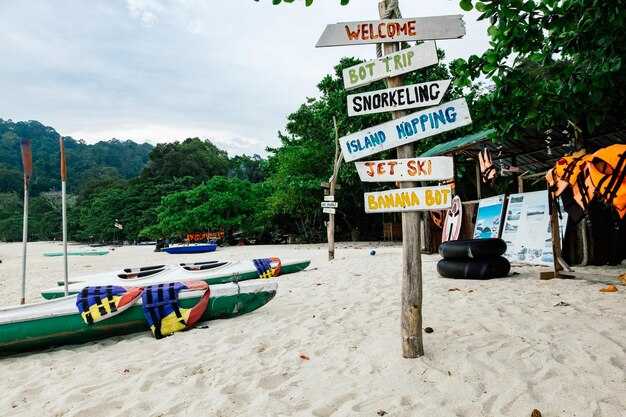 8 Fun Things to Do in Anegada – A Complete Island Guide">

morning: rent a scooter and ride to the white sands of the northern coast; check the wind forecast, then hop in for a calm swim – theres no rush here. This start sets the tone for a day made for exploring.
Most travellers come for solitude and color, and you’ll notice white beaches and a calm sea that stays clear away from ships; exploring off the beaten path reveals hidden coves, quiet spots, and a pace that’s right for travellers seeking a slower day.
Horseshoe Reef snorkeling, Cow Wreck Beach strolls, and a slow paddle around Loblolly Bay offer options for making memories–already a favorite for self-reliant travellers who like hands-on days.
For a cultural touch, check in with local crews at salt ponds and small harbors, and order fresh lobster from seaside shacks; give yourself a true local lunch, then post to socials so friends back home here can follow along.
When winds shift, wonky currents can appear, but the crew will steer you to calmer corners; you’ll still catch a dawn or dusk light that paints the sea white, turning the horizon into a moving painting.
thank local hosts for a warm welcome and store the memory for later; there’s always a next morning to explore more, and hope that the sea keeps giving new scenes as you travel.
Anegada Island Guide: Practical and Fun Experiences
Start with a concrete move: grab a dawn taxi to the wreck near the north coast; two taxis share the ride, and drink a fresh coconut at the dock as light hits the reef when it first appears.
The day started with a full, specific plan that would turn into a sequence of easy, varied adventures: snorkel along a shallow reef, explore the surrounding flats on foot, and finish with a salt-pond viewpoint to watch bird life.
Family moments: join short tours that keep to safe paths; a curious person would enjoy shell collecting, and watching a flock of seabirds circle over the flats.
Cuisine and drinks: local cuisine relies on conch, crab, lobster, and grilled fish. Think of pairing with a lime drink or coconut water; bcuz the heat, these choices feel refreshing and natural, adding a novelty stop at a salt-pond market.
Practical rules for navigation: winds shift with the season; check tide tables; rules for reef entry keep divers and snorkelers safe; there are different ways to plan, visit during daylight hours; there are limited taxis after dusk, and you can escape to a sheltered cove if seas deteriorate.
| Time | Activity | Sijainti | Huomautukset |
|---|---|---|---|
| 06:30 | Dawn taxi to wreck | North coast | Light, calm, photo opportunities; taxis available at the dock |
| 08:00 | Snorkel along shallow reef | Shallow lagoon | Keep to shallow water, depth under 4 m |
| 11:00 | Visit salt pond and crafts stall | Harbor edge | Fresh air, local salt, handmade goods |
| 15:00 | Walk the flats and bird-watching | Surrounding marshes | Binoculars recommended |
| 17:30 | Sunset cruise | Harbor | Wind directions vary; plan to return before dark |
Snorkel Horseshoe Reef: gear, best times, and safety tips
Start with a snug mask, a dry-top snorkel, and fins that fit; begin in 4–6 m depth and drift with the channel current using a surface marker buoy for safe entry and exit.
- Mask, snorkel, and fins that fit snugly to prevent leaks
- Rash guard or light wetsuit for sun protection and minor scrapes
- Reef-safe sunscreen applied before entering the water
- Surface marker buoy (SMB) and whistle for signaling
- Underwater camera or waterproof case to capture fish and reef life
- Dry bag for valuables and a compact towel
- Water and a small snack from local shops nearby
Best times to go: choose mornings with light winds and glassy water; first light through late morning usually offers the clearest visibility, and slack water around the channel reduces current. Plan a longer session on days with high clarity and calm seas; the gold tones of reef life pop under bright sun, and you’ll see more schooling fish in shallow pockets.
- Stay in shallow zones (about 4–8 m) until you understand the layout; gradually explore deeper pockets as comfort grows
- Move slowly and watch for reef fish, stingrays, and resident birds above the surface; a small baby reef creature may appear in sheltered spots
- Be aware of changes in current; if it shifts, switch to a controlled drift with the SMB
- Check a few local sources for conditions; ask at nearby shops for up-to-date notes
Safety tips: Snorkel with a buddy; never solo. Keep hands down and avoid touching corals or resident fish to protect reef life and prevent injuries. Shuffle your feet in sandy patches to avoid stepping on stingrays, and give baby stingrays and other young creatures space. Monitor boats and stay clear of the channel mouth when craft pass. Respect wildlife–do not chase birds or a flock of seabirds–as it can disrupt behavior. If you decided to stay longer, pace yourself and surface regularly to reassess conditions. If conditions worsen, exit calmly and head toward shore. Local knowledge is a good source of real-time advice, and after snorkeling you can grill a quick snack at a nearby spot somewhere along the coast to stretch the stay and enjoy the genuine beauty.
Stop 2 Anegada Beach Club: activities, lodging, and dining options
Start your stay by reserving a beachfront bungalow close to backside for direct sand and waters access; you can arrange transfers from tola (Tortola) in advance to avoid delays. If you decided to combine this stop with a Tortola connection, ferries run regularly and make the transfer straightforward.
heading along the boardwalk, you’ll spot a compact cluster of cottages on the shoreline, a second row of shaded paths, and the main hub over the lagoon. This location is excellent for snorkelers and sun lovers alike, with easy heading to the reef edge and trails toward mangroves where iguanas and seabirds gather near rocks. Check weather and sea conditions yourself to time the best windows; caveats include wind shifts and occasional swells that can affect visibility.
-
Lodging options
Accommodations range from beachside cabanas perched over the sand to dune-adjacent bungalows and family suites. Some units sit directly over the sand, others are set back with more privacy and shade. Baby cribs are available on request, and backside units typically offer the best proximity to the water. For a longer stay, a second-row layout still keeps you within easy reach of the shore while delivering more quiet and breeze.
-
On-site activities for snorkelers and beach lovers
The waters around Anegada’s coral atoll invite calm morning snorkel sessions; test gear on arrival, then explore sheltered coves where a rainbow of reef fish dart past. You can arrange a guided boat trip to nearby reefs or a sunset cruise over shallow banks. Expect to encounter endangered iguanas basking on sun-warmed rocks, and perhaps baby iguanas scurrying along paths. A bunchie of coconuts and a steady supply of fresh seafood keep the beach scene lively, while nearby shops offer souvenirs and beach gear. A few caveats: wind shifts and stronger currents can limit visibility, so plan a session when conditions feel favorable.
-
Dining and local cuisine
The on-site dining emphasizes cuisine that highlights sea produce, Caribbean spices, and island flavors. A coffee bar opens early for a quick caffeine fix, and light bites are available along the water’s edge. For a longer meal, choose somewhere along the shoreline where the breeze keeps you comfortable while you savor grilled seafood and regional specialties. The nearby shops provide snacks and cold drinks, and for Ladies and travelers seeking casual vibes, outdoor decks offer comfortable seating. If you want additional options, a quick ferry ride to Tortola (tola) expands possibilities, but the on-site venue is worth the visit for its view and convenience.
Bike or scooter the coast: routes to Lobster Beach, Cow Wreck, and Loblolly Bay
Vuokraa luotettava skootteri tai pyörä ja aloita Lobster Beachiltä aamunkoitteessa. Jatka sitten pohjoisrannikkoa pitkin Cow Wreckiin ja päätä Loblolly Bayhin. Näin saat aikaan liikuttavan ja maisemiltaan upean lenkin, jonka voit suorittaa parissa tunnissa.
Aja siirtokunnasta pohjoiseen rantatietä pitkin; reitti kulkee suolalammikoiden ja matalan pensaikon vieressä, ja piikkirauskut liukuvat usein matalissa kohdissa nousuveden aikaan. Pinta vuorottelee päällystettyjen osuuksien ja hiekkalaikkujen välillä, joten hidasta vauhtia mutkissa, joissa näet paikallisia ja muita autoilijoita liikkuvan rannikkoa pitkin; kun näkymä avautuu avomerelle, voit leikitellä tuulella pyörällä ja nauttia tuulesta veneiden levätessä ankkurissa.
Tämä reitti on suosittu matkailijoiden ja purjehtijoiden keskuudessa, jotka etsivät omatoimista päiväretkeä. Pidä yllä tasaista tahtia sen sijaan, että kilpailisit; maisemista ei voi nauttia kiireessä, ja sinulla on aikaa postata someen tai jutella paikallisten kanssa jokaisella pysähdyspaikalla. Jos et halua polkea takaisin, taksit rannikkoa pitkin tarjoavat paluukyydin, vaikka monet pyöräilijät nauttivat koko lenkistä ja tuulenvireestä; viikonloppuisin suosittujen rantojen lähellä voi olla juhlatunnelmaa, mutta rauhalliset osuudet pysyvät hiljaisina.
Lobster Beachilla varo matalassa vedessä lähellä rantaa litteäkaloja laskuveden aikaan; Cow Wreck tarjoaa rauhallisemman poukaman varjopuineen; Loblolly Bay on leveämpi alue ja rantanen, jossa kivet muodostavat pieniä altaita. Vuokraveneet ankkuroivat lähelle; pidä arvoesineistäsi huolta ja palaa samaa tietä minimoimaan kiertotiet; täällä liikennesäännöt suosivat hidasta, kunnioittavaa liikennettä ja lyhyttä, sosiaalista pysähdystä veden äärellä.
Ennen kuin lähdet, tarkista tuuli ja sää; pohjoisrannikko voi muuttua, ja suolalampien lähellä oleva polku voi olla pehmeä sateen jälkeen. Suunnitelmaasi tulisi sisältyä valokuvaushetki, nopea uinti ja mahdollisuus tavata muita matkailijoita, jotka päivittävät somekanaviaan. Jos tuntisit tämän rannikon hyvin, sanoisit, että lenkki on ihanteellinen rennolle tahdille ja aidolle tunnelmalle tällä liikkuvalla rannalla.
Aloita kartoittamalla pysäköintipaikat lähellä kutakin rantaa; vilkkaalla osuudella on enemmän toimintaa viikonloppuisin, joten saavu ajoissa. Reitti tarjoaa tasapainoisen sekoituksen liikkuvaa liikennettä, suolaista ilmaa ja mahdollisuuden bongata ohikulkevia veneitä ja melojia. Rannikkoajelustasi tulee yksinkertainen ja nautinnollinen tapa kokea pohjoisrannikko, ja se jättää sinulle uudenlaisen näkökulman tähän suolan kyllästämään rannikkoon päivän päättyessä, kun kultainen valo varjostaa rantaviivaa.
Hummerijuhlat: mistä löytää tuoreita saaliita ja hintaluokkia

Lähde satama-alueelle heti aamunkoitteessa hankkimaan tuoreinta hummeria ja vahvistamaan hintahaarukat miehistön kanssa. Pyydä eläviä yksilöitä, tarkista pyrstön kiemurrus ja väri, ja pyydä nopea tuoreustesti; jos olet onnekas, he tarjoavat samana päivänä puhdistuksen, jotta voit nauttia illallisen viipymättä. Jos haluat myös kalaa, laiturin myyjillä on sekä kalaa että hummeria, mikä on todella kätevää, jotta joku ryhmästäsi voi arvioida laadun.
Suoraan veneestä -ostokset tapahtuvat lähellä laituria, johon miehittämättömät vuokrausmiehistöt kiinnittyvät; ne tarjoavat usein eläviä hummereita tai juuri pyydettyjä saaliita. Jos snorklaat aamulla, näet säiliöitä, joissa on kirkkaan valkoisia kuoria; viime kauden saalis on usein säilytetty niitä varten, joten pyydä nopea tuoreustesti varmistaaksesi, että saalis on vielä elävä, ja juttele siellä olevien naisten kanssa siitä, miltä kausi näyttää.
Hinnat vaihtelevat koon ja sesongin mukaan; odota raakojen hummerien maksavan noin 25–40 USD pauna elävänä ostettuna, sekä 5–12 USD siivousmaksu, jos haluat ne valmiina kypsennettäväksi. Valmis keitto- tai grilliateria rantakioskissa maksaa 45–70 USD kokonaisesta hummerista lisukkeineen, kuten riisiä ja salaattia. Voit myös tilata rommipunssin siemaillaksesi odottaessasi – se todella kruunaa hetken.
Maksimoidaksesi arvon, valitse ehdottomasti näkemisen arvoinen rantakoju, jossa kokki voi valmistaa sen heti; halusitpa sen höyrytettynä tai grillattuna, monet paikat tarjoavat yksinkertaisen hummeriannoksen sekä pizzapalan lapsille silloin, kun muu porukka on kiireinen. Jos haluat paikallista makua, kysy lisukkeena tarjottavia pieniä hummereita tai pientä hedelmäcocktailia; se on täällä yleinen käytäntö.
Perheillan viettoon sopii loistavasti esimerkiksi merenrantakahvila tai rantakoju: voit tehdä ostoksia ja sitten ruokailla ulkona ilman pitkiä odotusaikoja. Yleensä ne tarjoavat lautasliinoja ja sitruunaa; tämä uutuus tekee ateriasta mieleenpainuvan. Jos joku seurueestasi haluaa jotain muuta kuin mereneläviä, hän on varmasti tyytyväinen peruspizzaan tai kasvisvaihtoehtoon.
Etsitpä sitten nopeaa pakomatkaa tai pidempää lomaa, yhdistä ateriasi lyhyeen snorklaushetkeen kallionmuodostelmien ja luonnonaltaiden yläpuolella; aterian jälkeen huuhtoudu rantasuihkussa ja kävele takaisin valkoisia hiekkoja pitkin. Tuo näkymä todella osoittaa, kuinka riutan yläpuolinen rannikko on osa kokemusta, merieläinten suhaillessa ohitse.
Auringonlasku ja villieläinten tarkkailu: parhaat paikat ja etiketti
Suuntaa Setting Pointiin kultaiseen hetkeen auringonlaskua ihailemaan lintujen kanssa. Kultainen horisontti hehkuu ja suolatasangot heijastavat taivasta; yhdessä näkymät horisontissa kertovat tarinan hiljaisesta illasta.
Flamingolammikko tarjoaa selkeän näkymän turvalliselta kävelytieltä; pysy vähintään 15 metrin päässä pesivistä linnuista ja veden rajasta; pysy hiljaa, vältä salamaa ja anna niiden tottua ihmisten läsnäoloon.
Sen lisäksi Wheatleyn alue tarjoaa länsipuolella toisen tarkastelupaikan pitkillä varjoilla suola-arojen yllä; läheinen maatila muistuttaa vierailijoita, että tämä paikka ylläpitää elinkeinoja ja elinympäristöä; pysy merkityillä poluilla vaikutuksen minimoimiseksi.
Auringonlaskun jälkeen yksinkertainen huivi lähistöltä kannustaa helppoon livahtamiseen; naiset ja muut vierailijat voivat jakaa hetken paikallisen, tyylikkään brändin kanssa, jonka paikalliset uskovat lisäävän tunnelmaa, sekä pienen lasin viiniä tai amaria; tämä on ollut pitkä perinne, ja voit jatkaa tämän rannikon taikuuden lähteen kunnioittamista.
Päiväretken suunnittelu: vuorovesi, sää ja pakkauslista
Suunnittele matka alhaisen veden aikaikkunan mukaan ja tarkista vuorovesitaulukot verkosta kaksi päivää etukäteen ja uudelleen lähtöaamuna. Päiväsi alkoi aamunkoitteessa, jotta pääset laajoille rannoille ja hiekkasärkille; aikaa tutkia on vähän, koska liikkuva vesi muokkaa kulkureittejä vuoroveden muuttuessa.
Tuuli ja sää: Koillistuulten odotetaan olevan 10–20 mph, rannikon lähellä kovempia puuskia. Kuivan kauden päivät ovat aurinkoisia; sadekauden iltapäivisin lyhyitä sadekuuroja. Tarkista aina paikan online-sääennuste ja varo ylittäviä puuskia, jotka voivat tehdä merioloista arvaamattomat.
Vuorovesivaikutus on tärkeä elinympäristön ja turvallisuuden kannalta: laskuveden aikaan pääset suolalammikoille ja matalaan meriluontoon; nousuveden aikaan pysy syvemmissä kanavissa. Liiku hitaasti koralli- tai meriruohopetien lähellä suojellaksesi merielämää. Ymmärrä polkujen ja ylityspaikkojen rajat välttääksesi joutumista pulaan kauas avusta.
Pakkauslista: ota mukaan vettä (vähintään 2 litraa per henkilö) ja elektrolyyttijuomia tölkeissä; ota leveälierinen hattu, riuttaystävällistä aurinkovoidetta, kevyttä vaatetusta, uimakengät, sandaalit, kuivapussi, pienikokoinen ensiapupakkaus, luonto-opas, tulostettu kartta tai offline-GPS, välipaloja ja pieni veitsi tai monitoimityökalu. Koko päivän retkelle pakkaa lisäkerroksia vaatteita ja kevyt sadeponcho, jos rintama liikkuu alueen yli.
Logistiikkaa ja paikallisia makuja: sijaintiin perustuva suunnitelmasi voi sisältää lyhyitä pysähdyksiä paikallisia herkkuja tarjoavissa liikkeissä; ota mukaan käteistä pieniä ostoksia varten ja turvallisen, vastuullisen tarjonnan tukemiseksi. Huomioi villieläimet ja elinympäristö – kerää kaikki tölkit ja käärepaperit mukaasi ja pidä eläimet turvallisen välimatkan päässä. Tarkista paikallisten ja purjehtijoiden online-ilmoitustaulut ajankohtaisten olosuhteiden ja merivaroitusten varalta; kokemuksesi on rikkaampi, jos kunnioitat elinympäristöä äläkä jätä jälkeesi kuin jalanjälkiä.