


 Suomi
Suomi  English (UK)
  Русский
  العربية
  日本語
日本語  한국어
한국어  Magyar
  Türkçe
  Español
  Čeština
  Svenska
  Português
  Ελληνικά
  Nederlands
  Română
  Italiano
  Français
  Polski
  Українська
  Deutsch
  简体中文
简体中文  Slovenčina
 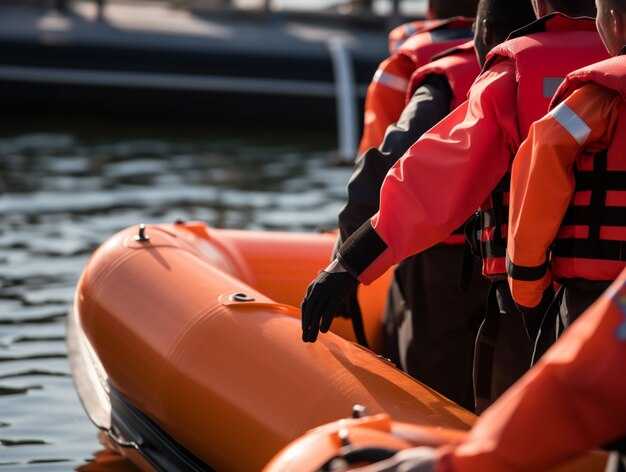 7 Essential Steps to Take After a Boating or Jet Ski Accident">

Begin now with safety: call emergency services immediately and move everyone away from the vessels’ path. In the wake of a collision, rescue teams assess injuries, secure the scene, and prevent further harm. Gather those on board and keep personal belongings accessible while you evaluate the circumstances. Think about what you saw, what was reported by others, and whether you can provide your mmsi and registration details to responders; these elements help proving responsibility and states of the incident, and indicate where those involved were located. If you were aboard, your actions should focus on safety first and protecting property while staying clear of danger. However, do not delay aid or documentation; capturing facts while they’re fresh matters for those who will review the case later.
Action 1: secure the scene and assess injuries Immediately check for injuries on all parties, provide aid if trained, and request medical support if signs of pain or shock appear. Note which individuals were affected, their positions relative to the collision, and whether any gear or fuel leaks exist. Use clear, time-stamped notes and digital photos of the scene to support later reports; this process takes effort but increases your protection. Keep property secure and avoid creating further hazards.
Action 2: gather identifiers and evidence Collect craft IDs, hull numbers, and, if available, the mmsi number, vessel type, operator names, and insurance details. Photograph or video the damage to property and the positions of craft relative to navigation aids. Record weather, visibility, current, and watercraft traffic at the time; these circumstances influence fault and safety duties. Save any radio calls or official communications to digital logs for later proving what happened.
Action 3: report and corroborate details Notify local authorities and your insurer with a concise account: where the collision occurred, what you observed, who was involved, and what injuries or property damage existed. Include what was reported by witnesses and the statements of those on board; if you are the one recording the facts, ensure your notes indicate whether the other operator complied and what instructions responders gave. For those handling claims, digital records and time stamps help tie events to the reported facts and support proving responsibility.
Action 4: preserve evidence and follow safety protocol Do not alter the scene beyond what is necessary; preserve damaged gear, fuel containers, and navigation equipment. Document distances, speeds if known, and whether alarms or lights were active. Remove nothing from the area that could help reconstruct what happened, and keep responders informed as conditions change. Those records, properly kept, remove ambiguity and help those reviewing fault or responsibility later.
Action 5: seek legal guidance and review expectations Schedule a consultation with a marine attorney or a trusted advisor who understands how collision matters are treated in your states. They can guide you through reporting obligations, how to document property damage for claims, and what information you should share with others. They may advise you on avoiding statements that could be used against you; stay factual, and avoid speculation, which can complicate proving liability. If you were the one responsible for the collision, early advice can reduce risk and outline next steps for settling claims with the other party.
Action 6: coordinate with responders and follow up with the insurer Keep lines open with rescue teams and shoreline authorities. Share your contact information, personal details, and the exact location so they can reach you. Document any medical or transportation needs and arrange evacuation for injured passengers if required. For those who operate multiple craft, coordinate with the other operators and log any instructions given; this helps establish accountability, especially when mmsi communications or digital dispatches are involved.
Action 7: review, improve and report as needed Following the immediate procedures, review what happened, identify any operational changes to prevent recurrence, and file a formal incident report with the agency that handles watercraft safety in your state. Consider whether training, equipment upgrades, or changes in maintenance schedules are needed. Use the collected records to support personal claims or third-party investigations. Those actions improve readiness for future events and help ensure property and people are better protected, even if circumstances differ from prior incidents.
Boating and Personal Watercraft Incident Guide
Call emergency services immediately if there is injury or someone is unresponsive. Knowing those accidents demand quick, focused action to protect the whole crew and limit exposure to hazards.
- On-site safety and scene control: actions include shutting off power, securing the ship, deploying life jackets for every passenger, and keeping debris and fuels away from ignition sources; use bilge pumps to remove water and keep decks dry. When the hull is metal, be mindful of grounding risk and avoid sparks.
- Documentation and witnesses: photograph damage, vessel identification numbers, position, weather, and the number of people involved; collect statements from those aboard and any bystanders. These records support those handling claims and the next steps in the process.
- Authority reporting and policy alignment: determine which agency must be notified; calling the appropriate authorities and filing any required report; federal requirements may apply depending on location and severity. Keep a log of times, calls, and responses to ensure accuracy and continuity of care or investigation.
- Medical assessment and injuries: assess for concussion symptoms such as headaches, confusion, dizziness, or memory issues; arrange medical evaluation for any victim with head impact; do not assume a simple bruise means no injury. Monitor the person until medical care is obtained or symptoms stabilize.
- Evidence preservation and safety reminders: avoid moving damaged equipment or shifting the scene unless necessary for safety; document with photos or video from multiple angles; note fuel levels and state of pumps, safety gear, and control devices. This is common practice for those handling claims and investigations; preserving the scene includes not throwing anything overboard or altering positions.
- Insurance claims and recordkeeping: contact the insurer promptly, file a claim, and request a police or incident report if required; gather receipts for any repairs, medical costs, or tow services; maintain a closing bundle with all documents, photos, and witness contacts.
- Public communications and follow-up: if media inquiries arise, direct them to the designated press liaison per policy, and provide only verified details; review what happened to identify possible causes such as weather, operator error, or equipment failure. Inspect metal fittings, pumps, and safety equipment; update training and safety policy to reduce suffering in future incidents; keep those involved informed and understanding the required actions until complete recovery.
- Closing and ongoing awareness: keep the whole record accessible; knowing those details helps in communicating with insurers, authorities, and family; maintain contact information for those involved and plan for any needed safety updates to policy and practice until all matters are resolved.
7 Key Steps to Take After a Boating or Jet Ski Accident – Put Safety First
Action 1: Prioritize immediate safety by keeping feet firmly on a stable surface, securing passengers, and preventing further movement. If someone goes overboard, deploy a ring and the lifesling, then guide them toward the vessel while you assess breathing and responsiveness.
Action 2: Create a digital record with pictures, time stamps, and basic vessel details. Capture shots from above and, if possible, under the water line; store files securely and share with your attorney tai insurer when appropriate.
Action 3: Contact the insurer promptly and request a claim reference related to the incident. State the location, vessel type, weather, and any equipment failures factually; avoid admitting fault and keep conversations concise.
Action 4: Seek medical evaluation, especially if symptoms seem subtle or appear later; Knowing what to tell the clinician helps ensure appropriate care. Some injuries may not manifest immediately, so arrange a check with a marine‑savvy doctor and keep all reports for your file, including notes about what you were told at the scene.
Action 5: Preserve evidence and refrain from discussing fault publicly. Gather witness statements from crew or bystanders; a marine services member may assist, and keep the scene intact while you secure photos, footage, and notes with proper times. Mean that early statements can influence liability later.
Action 6: Review eligibility for compensation with an attorney ja asiakkaat group; damages may cover medical bills, lost time, repairs, and other needs. Morgan (morgan), a client, might appreciate how a clear plan reduces stress and speeds settlement. A seasoned attorney can handle negotiations with the insurer to protect your rights.
Action 7: Create a follow-up plan and timeline with your legal team, outlining required services, documentation, and deadlines. A dedicated member of the firm can coordinate evidence exchange, ensure timely requests, and keep you informed about eligibility for further support.
Secure the scene: move yourself and others to a safe location and prevent further danger
Act quickly: guide everyone to a firm, sheltered area well clear of fuel and engine wash, then press the kill switch and shut down power if safe.
Turn off propulsion that you can reach without risking others; keep people away from any leaking fuel, battery bays, or hot components. A calm, deliberate move reduces risk of capsizes and further injuries. That experience reinforces the need for rapid scene protection.
Once in a safe spot, establish a gathering of everyone and run a quick check: note the times, identify injuries, and look for signs of concussions. If someone is unresponsive or in distress, seek help immediately.
Use your dsc-vhf to relay your position and situation to responders; if you’re near shore, provide a precise location and the number of people involved. Whether you’re on busy channels or open water, an early report helps responders reach you faster, and they can coordinate with nearby vessels or land units as needed.
Determine fault only after hazards are addressed and all lives are accounted for; collect basic information about what happened, the types of craft involved, and the sequence of events. If there’s property damage, identify the owner and note needs to safeguard the site or secure the equipment as an immediate priority; this option keeps records tidy for later review.
theres always value in staying composed: consider the needs of everyone affected, ensure theres someone to monitor the area, and avoid creating additional risk. Logs and notes help in reviewing events across the days ahead, and they are helpful for everyone involved.
Maintain open communication, log witness accounts, and turn findings into a concise report for responders. This helps everyone stay informed and protects people and property from further harm. Accidents can be managed more safely with clear, timely action, benefiting safety for everyone, anywhere in the world.
Check for injuries and provide immediate first aid to the wounded
Secure the craft at a safe location, shut down the engine, and begin a rapid assessment for life-threatening injuries. If smoke or fumes rise, move the wounded to open air while keeping the vessel stable and use a radio to request assistance if needed. This first action might mean the difference in outcomes and sets the tone for the care that follows.
Perform a structured airway, breathing, circulation check. If the casualty is unconscious and not breathing, begin rescue breaths or CPR if trained; if there is a pulse but no breathing, provide rescue breaths at about one every 5–6 seconds. Control active bleeding with direct pressure using a clean cloth; immobilize suspected fractures with a rigid splint such as a board or improvised device. If the person is in water, deploy a lifesling to bring them to safety while continuing care. Record the exact location of the casualty and injuries to aid responders, and ensure the care provided is maintained with warmth to prevent shock. Monitor the emotional state of bystanders and the wounded to prevent panic.
Evaluate the surrounding environment: note location features, weather, current, and hazards such as docks, debris, or dams. Use a firm, clear approach to direct bystanders away from the patient and maintain attention on safety. Use the radio to relay status and location to responders and document any equipment failures that could affect care. In cases where transport is delayed, continues life-saving actions and prepare for transfer to a medical facility.
Post-incident actions include documenting key details for claim and closing processes: time, location, circumstances, visibility, vessel owner, and equipment status; injuries and actions taken; care provided. The experience drawn from cases informs safer practices and might push the responsible party to raising standards with the board. The aim is to reduce negligence and create safer habits on board; ensure ongoing monitoring and follow-up until professional help assumes responsibility.
Request emergency assistance and notify the coast guard or local authorities
Ring your local emergency number and alert the coast guard or local authorities immediately if anyone is overboard or you cannot determine your location yourself.
Provide the exact location using GPS coordinates or a visible landmark, and share the vessel’s name and MMSI if known; some responders may request additional details to speed a response.
State how many people are aboard, who is overboard or injured, whether anyone is caught in gear, and what conditions threaten safety above all.
Report maritime conditions: wind, visibility, wave state, current, and any hazards in the area so responders can plan a safe approach.
If safe to do so, capture pictures of the scene, including the property and vessel damage, and note any hazards on shore that responders should avoid; these images can support later cases and compensation discussions.
Understand that authorities provide policy guidance and may outline the legally required steps in maritime accidents; having policy details handy helps when those conversations begin, and the information should be provided accurately.
Record the time, approximate coordinates, and the names of witnesses if possible; this supports cases and compensation discussions later, and keep the line open for updates.
Ask for hins where applicable and confirm you will ring back if conditions change or officials request new details; maintain contact until you are told it is safe to proceed.
Limit sharing to official channels and those who need it; avoid posting anything publicly to prevent confusion and protect everyone involved, including your property and those on shore.
Gather evidence: photos, GPS coordinates, times, vessel details, and witnesses
Document evidence without delay: photograph the scene from multiple angles, focusing on hull markings, vessel name, port of registry, and seacocks status. Capture wind, wave, and wake conditions, plus safety gear and any visible damage. Create a sequence of shots that shows the progression of events for later review by authorityfigures or rescue teams.
Record exact GPS coordinates and times for each milestone using a reliable device; note time zone or UTC when possible. This data helps reconstruct what happened, whether a course change occurred or a distress signal was issued, and supports survival assessments in the following actions.
Compile vessel details: type, color, length, registration numbers, hull ID, and name if visible. Note seacocks position and any signs of water ingress, as these details influence risk evaluation. Document damage patterns and critical fittings to show what might have contributed to the situation, keeping both parties’ information aligned for the investigation.
Gather witness accounts: collect names and contact information for anyone nearby, including other boaters and shore observers. Ask what they saw regarding maneuvers, wind, wave height, speed, and distress indicators. Having similar statements helps the authority and rescue teams, and someone can be contacted for a corroborating timeline when needed.
Maintain a safe, organized archive: save photos, notes, and audio or text messages as documents, with clear file names and dates. Without redundancy, a single device failure won’t erase evidence. This collection supports rescue decisions and ensures documents remain available for press inquiries or official review.
| Item | Mitä tallennetaan | How to capture | Why it matters |
|---|---|---|---|
| Photos | Hull, name, registration, seacocks, damage, safety gear | High-resolution images from 10–15 m, include reference objects | Creates a visual record for authority review and safety assessment |
| GPS & Times | Coordinates, timestamps, time zone/UTC | Phone or GPS device, map links, metadata | Establishes sequence and supports rescue and investigation |
| Vessel Details | Type, color, length, hull ID, name, markings | Close-ups plus wide shots showing overall condition | Assists identification and risk analysis |
| Seacocks & Water Status | Valve position, bilge state, ingress indicators | Photographs or notes from inspection | Indicates potential mechanical or flooding risks |
| Witnesses | Name, contact, observed actions | Direct interviews or written statements | Provides corroboration and timeline when needed |
Exchange information and start documentation for insurance and reports
On the spot, turn to the other party and exchange names, numbers, emails, and insurance details. Gather vessel identifiers–ship name or registration, color, make and model, length–and note where the incident occurred. If you represent a firm, state that you act on behalf of your company. Photograph the scene from full and close‑up angles, focusing on hull damage, pumps, and any smoke, and capture equipment such as lifesling and the lanyard. Record time stamps and GPS coordinates to anchor evidence. Also identify any witnesses.
Preserve the scene and avoid moving vessels unless safety requires it. If anyone is injured or there is risk of life-threatening harm, call mayday and alert police immediately. Collect witness contacts, including James, and document any statements. Note whether a loved one aboard experienced symptoms and document communications with responders.
Document all details in writing and digitally: weather, sea state, visibility, lighting, and the sequence of events. Gather statements from the other party and passengers, and note the status of safety gear and pumps. Keep full copies of any photos, videos, and notes; these form the basis for insurance claims and potential cases with attorneys. If you have a professional involved, record their name, the firm, and the services provided.
Once youve secured the scene, assemble a clear timeline and organize evidence so your legal team can review cases efficiently. Share copies with your insurer and, when required, with your attorneys. Depending on your policy, you may need to file a formal report with police or marine authorities and obtain the report number. If youve stored all records in a digital drive, label files by scenario and vessel to simplify retrieval later.