


 Suomi
Suomi  English (UK)
  Русский
  العربية
  日本語
日本語  한국어
한국어  Magyar
  Türkçe
  Español
  Čeština
  Svenska
  Português
  Ελληνικά
  Nederlands
  Română
  Italiano
  Français
  Polski
  Українська
  Deutsch
  简体中文
简体中文  Slovenčina
  6 Pro Fishing Tips – How to Become a Better Fisherman">

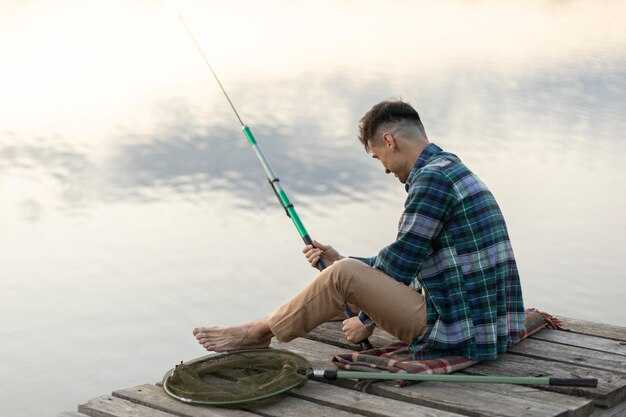
There is one concrete recommendation to jump-start your progress: set up a dependable, compact rig and test it on the water. For an adult angler aiming to improve quickly, use a 6’6″–7’0″ medium-light rod, 8–12 lb test line, and a diameter 0.28–0.30 mm line. Pair with a size 6–8 hook and a small slip-float or light jig. This combo will provide consistent feel and fewer tangles, so you can practice timing and line control more effectively and allow quicker feedback.
Apply a clean casting rhythm: stand with feet shoulder-width apart, keep your shoulder aligned to the target, and use a controlled wrist flick backed by hip rotation. This ehdottomasti builds strength and accuracy, and you can study images from local events to refine your form.
Read the water by watching weed edges, sunfish haunts, and the first drop-offs near the woods. Identify place where currents converge and baitfish swirl; these spots work well, especially early morning.
Keep a simple kit with extra jigs, hooks, and a spare bobber. If you spot sunfish showing quick movements, try a bright jig on a short line and a slow, irregular rhythm. This approach lets you test different lures quickly and learn what can happen under changing light.
Keep a compact log: date, location, wind, water clarity, lure tried, and result. Review images from your sessions to spot patterns, then apply what you learned next time. A few focused sessions raise your bites per hour and help you place consistent catches.
Advanced Angling Mastery: Practical Steps for Real Results
Start with a precise line diameter check and re-tie all critical knots to prevent failures; this gives you instant reliability on every cast and builds a sturdy platform for training, something you can count on.
Understand water structure by mapping current seams, depth changes, and forage zones where fish concentrate, especially in morning light. Note the colour of the water and bottom, then choose lures and leaders that match the forage and the pattern you expect. For brook and other species, adjust diameter and leader length to the target size; use a 0.12–0.18 mm leader in tight brooks and a 0.20–0.25 mm leader where clarity is higher. Cast unto the bank near weed edges to test how the current influences bait presentation.
Try special, uncommon rigs for shallow, calm runs; a dropper setup with a small bead and a light fluorocarbon leader keeps the presentation natural and reduces line glare, helping fish take easily. In beattie Brook, locals call the stretch beattie, a place to test subtle actions. The brook tests the method under changing light. Channel a superman mindset. Hold the rod with a steady, confident grip, and if a take occurs, lift smoothly and relax your grip. Maintain a deliberate cadence; this approach shines in green weed edges where hides are tight.
At events across various waters, compare results and log what works. Track bite windows as light shifts and adjust your cast angle to keep line quiet; short, controlled sweeps win in tight cover. Understand when to switch from broad presentations to subtle taps; this adaptation reduces the problem of missed takes and improves consistency.
Maintain gear care and place discipline into daily routine: clean reels, examine drag, and replace worn lines or beads. The habit gives training value and translates to real results, with the performance becoming smoother each week. After each session, store gear in a dry place and check knots once more; this simple step prevents surprises and keeps you on track for future catches. This approach has been tested by guides and pros, and it continues to yield reliable outcomes.
Choose the Right Rod and Reel for Your Target Species
Begin with a versatile setup: a 6 ft 6 in to 7 ft rod, medium-light power, fast action, paired with a 2500 reel. This answer gives you sensitivity for shy bites along brush and in brook pockets, plus enough backbone to handle adult fish in moderate current. Ask staff for guidance on line diameter and reel size for your local conditions, but start with 6–8 lb test in clear water or 10–14 lb in stained water. A small fluorocarbon leader (2–4 ft) helps you stay stealthy and keep everything presenting cleanly.
-
Trout, brook trout, and panfish: 6 ft 6 in to 7 ft, medium-light, fast action; reel 1000–2500; line 4–8 lb test; line diameter kept minimal for quiet presentations in shade. Fish near brush and along the bank to locate likely bites; you should be able to lodge the rod in a holder during pauses. This setup is nice for small jigs, live bait, and light lures on clear streams.
-
Bass and larger open-water fish: 7 ft to 7 ft 4 in, medium-heavy, fast action; reel 3000–4000; line 12–20 lb test; consider black braided line with a fluorocarbon leader. This tactic handles cover and be reached through weed edges and open water alike, where you need steady backbone. Use a larger spool to avoid line twist and keep pressure on the fish without overtaxing your shoulder.
-
Walleye and river species: 7 ft to 7 ft 6 in, medium, moderate action; reel 2500–3000; line 6–14 lb test; use a fluoro leader for subtle presentations in clear water. Its diameter is a compromise between sensitivity and abrasion resistance, and you can easily adjust to stealthy, accurate casts to structure and lanes where fish hide.
-
Large predators or heavy cover: 7 ft 6 in to 8 ft, medium-heavy, fast action; reel 5000+, line 20–30 lb test; consider a strong, dark braid for abrasion resistance. In thick brush or fallen timber, a longer rod helps you keep pressure on the fish while you lodge the line and keep the presentation tight. This setup is ideal when you expect big bites after a long beat along bank and rock, and it gives you control where the fish are likely to sit.
Read Water: Identify Structure, Currents, and Likely Hangouts
Start by reading water in three steps: identify structure, pinpoint currents, and mark likely hangouts. For beginners this quick read yields immediate targets and boosts confidence on the water. Note the opportunity to move to better angles; the easier you see early structure, the sooner you can target key spots with precision. Throughout the day, many guides taught this three-zone read as a simple, repeatable routine – and the beauty of it is how fast you can gain confidence and make smarter calls. Never underestimate the clarity a few minutes of water reading gives you.
Identify structure quickly. Scan the shoreline and water column for sunken cover (trees, limbs), rock piles, and abrupt depth changes. Use your eyes to trace weed edges and edge transitions. When you find a point or bend that turns toward deeper water, mark it as a target. Move your boat or adjust your approach so your cast travels along the edge, not across it–this puts the lure into the hold zones where fish sit. Elite anglers and bassmaster competitors stress structure first; regardless of lake or season, structure holds more bites than open water. Note the location of cover that breaks the current and creates an ambush zone. For coaches who teach clients, the structure read builds confidence and speed. The leader mindset follows this rule: structure first, every time. Three cues to watch: cover, ledge, and edge.
Read currents to locate seams. Look for fast water meeting slower pockets, places where a point creates a seam, and eddies behind rocks or brush. These seams concentrate bait and increase your chance to get a bite. Cast up current and drift your lure along the edge, pausing to let the bait sink into the target depth. Use a steady speed on the retrieve; speed up slightly in faster seams and slow down in slow sections. Three-second counts to depth work well for moderate water; in clear lakes you can see depth transitions with your depth finder, if you have one. What happens next often hinges on timing, so keep a mental clock and adjust accordingly. Reels should run smooth to maximize feel and efficiency.
Target likely hangouts and apply a targeted plan. Inside bends, outside bends, and points that drop into deeper water are your primary hangouts. Inside bends hold fish that feed under varying light conditions; outside bends hold cruising fish that ambush from the current edge; points offer a funnel and a quick drop to deeper holds. Regardless of lake clarity, weed lines and timber edges attract prey and bass alike. Use targeting to pick three spots on your map and run through them in order before moving to the next area. Note how many bites you get at each spot and whether your lure should run shallower or deeper to keep pace with depth change. Many followers and coaching clients see more success when they stay disciplined and targeting the obvious ambush zones.
Practical moves you can apply now. Keep reels silky; a smooth retrieve helps you feel subtle bites. Place three casts per structure to verify depth and reaction, then shift downstream to the next structure. Build confidence by repeating this pattern with different lures: a spinnerbait or swimbait on windy days, and a soft jerkbait on calm mornings. The founder of many local clubs and the sport’s leaders would tell you that consistency beats flashes; practice the same routine across three spots per lake, regardless of mood. This habit creates more opportunities, moves your average catch upward, and trains you to read water with elite-level discipline.
Set Up Your Tackle: Hooks, Lines, and Weights to Match Your Lure
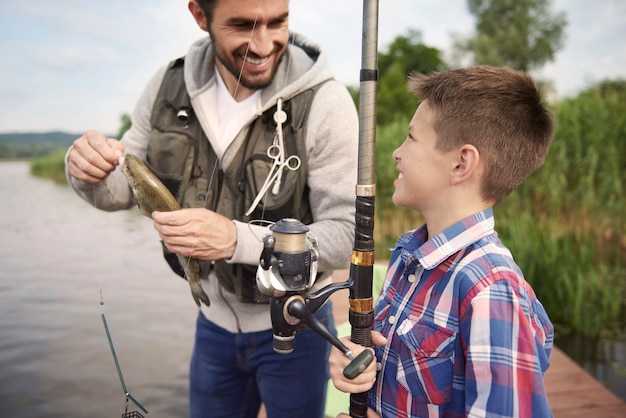
Always start with a braided main line in the 60–80 lb range and a 60–100 lb fluorocarbon leader; match hooks and weights to lure size for the conditions and the windows of opportunity you’re pursuing. For muskies, use bigger gear to handle heavy plugs and aggressive hits, and keep the setup balanced so you can learn quickly and stay confident on the water.
Hooks, not leaders, set the hook. For muskies choose heavy-wire trebles in the 8/0–12/0 range or dependable singles in the 9/0–11/0 range when the lure calls for a stout bite. For smaller lures aimed at smallmouths chasing in lakes, 2/0–4/0 trebles or offset singles keep action clean and reduce missed grabs. Pick rust-resistant finishes (black nickel or mega-strong stainless) and keep gaps matched to lure mouth size; making this fit is the simple step that boosts hookups every time you swing for the front edge of weedbeds or rocky shoals.
Line choice matters as much as the hook. Use braided main line in the 60–100 lb class for muskies, paired with a leader in the 60–120 lb range when you fish through timber or rough rock. If you target smallmouths in clear lakes, a 10–20 lb fluorocarbon leader pairs well with mid-weight plugs. Wire leaders are an option for razor-sharp teeth or heavy cover, but they reduce feel; test both in local waters to see what gives you the best balance. After tying, run a quick patrol of the knot to verify security.
Weights must match lure weight and technique. Start with jig heads around 1/4–3/8 oz for finesse presentations; switch to 1/2–2 oz for mid-size swimbaits; for big musky baits, 3–6 oz or more keeps your lure deep and lively in current or wind. In backcountry lakes with deeper structure, use the heavier end; in calm, shallow bays, lower the weight to improve the lure’s action and sound.
A simple rule: heavier gear for bigger, louder lures; lighter gear for smaller, more subtle baits. This approach makes it easier to control the drop and anticipate the hit, which improves your learning and confidence over multiple sessions, last season on the water highlighted how small changes added up. If you fish with a buddy like mike or a lady angler on a local lake, share notes after each outing; multiple small changes add up to a big gain over the season.
Keep a quick-change kit ready: extra hooks, spare leaders in multiple lengths, and weights in varied sizes. This setup minimizes gaps in your tackle, keeps you safe on the water, and helps you stay focused on improving every outing–whether you’re chasing muskies in backcountry lakes or smallmouths along Brook streams. Continuous adjustment makes you faster, more precise, and ready for whatever the day brings.
Valitse syötit ja vieheet veden lämpötilan ja vuodenajan mukaan
Käytä lämpötilaporrasta: viileä vesi vaatii syvempiä ja hitaampia virityksiä; lämpötilojen noustessa kohti kevättä, siirry keskikokoisiin uistimiin ja monipuolisiin vaappuihin; kuumat päivät suosivat nopeutta ja väijytyksiä vesikasvien reunamilta. Tämä lähestymistapa antaa sinulle välittömän edun kohdistamalla syötit niiden todennäköisiin ruokailuaikoihin.
- Viileä vesi (alle 10 °C)
- syötit ja vieheet: jigit rapujigeillä, hienostuneet uintijigit (3–4 tuumaa), drop shot -rigit ja syvälle sukeltavat vaaput, kaikki pidettyinä pienikokoisina
- Valmistelut: käytä fluorocarbon- tai braid-to-fluoro -perukkeita, 6–12 paunan siimaa hienosteluvälineille ja 1/8–3/8 unssin jigipäitä; kalasta pensaiden ympärillä ja syvemmissä notkoissa vesikasvillisuuden reunojen takana
- Missä kalastaa: syvemmät matalikot, hitaasti loivenevat rannat ja rakenteet lähellä syvännettä; alkukevään aamu- tai iltahämärä tuottaa parhaiten tulosta
- kuvioita: etsi hidasta, tuntuvaa tuntumaa pohjasta; opettele lukemaan hienovaraisia tärppejä kylmässä vedessä, kun kalat ovat uneliaampia
- Siirtymä (10–16°C / 50–60°F)
- vieheet ja uistimet: lipattomat vaaput, keskikokoiset uintisyötit (4–5 tuumaa), creature-vieheet ja spinnerbaitit, joissa on kompaktit lusikat
- valmistelut: 5–14 g jigit ravun näköisillä lisukkeilla, 5–6 kg siima ja monipuolisuus, jotta soveltuu sekä tiheikköön että avoveteen; säädä väriä kohti luonnollisia vihreitä ja ruskeita
- Missä kalastaa: Vesikasvillisuuden reunat, 50–150 cm pinnan alla oleva risukko ja matalien lahtien ja syvempien alueiden väliset siirtymävyöhykkeet
- käyttäytymismallit: tarkkaile koulukunnan siirtymistä ja veden kirkkauden lisääntymistä; kirkkaammat vedet usein vastaavat aggressiivisempia puremia
- Lämmin vesi (16–21 °C / 60–70 °F)
- syötit ja vieheet: suuremmat uintisyötit (12–18 cm) sekä värisevät jigit, chatterbait-vieheet ja keskinopeasti tai nopeasti liikkuvat vaaput
- vieheet: käytä 1/2–3/4 oz jigipäitä tai uistimia painavammilla päillä; 12–20 lb siimaa pidempiin heittoihin; kalasta ruovikoita ja niemiä tasaisella, maltillisella tahdilla
- Kalastuspaikat: vesikasvillisuuden reunat, aurinkoiset matalikot ja pensaikkojen ja ruovikkojen muodostamat taskut; Ontarion järvissä näkyy voimakasta rintaman jälkeistä syöntiä keväisessä lämmössä
- käyttäytymismallit: varhaiset aamut ja myöhäiset illat syttyvät pintavieheiden räjähdyksillä; keskipäivän puremat siirtyvät keskisyvänteen suojiin auringon lämmittäessä vettä
- Helteiset päivät (>21°C / >70°F)
- syötit ja vieheet: nopeasti uitettavat swimbaitsit, squarebill-/vaaput ja chatterbaitit; pintavieheet ensimmäisen tunnin ajan auringonnousun jälkeen
- asetukset: käytä kevyempiä jigipäitä nopeutta ja ketteryyttä varten, 6–9 kg:n siimaa, ja pidä varalla kevyempi setti nopeita vaihtoja varten; kohdista matalat, aurinkoiset matalikot ja kasvustotaskut
- Mistä kalastaa: matalat rakenteet lähellä risukkoa, vihreiden kasvillisuusrajojen reunat ja virtaavien alueiden viereiset niemekkeet
- käyttäytymismallit: etsi kirkkaassa valossa parvikaloja; ruokailuikkunat lyhenevät, joten valmistaudu siirtymään nopeasti hotspotien välillä
Vaihtelevina aikoina pidä pää joustavana ja seuraa heidän tuntumaansa veteen. Keväällä kalastajat Ontarion alueella näkevät usein kaksi selvää muutosta: alkukaudesta pusikko- ja vesikasvillisuusvyöhykkeen aktiivisuus, sitten kauden puolivälissä siirtyminen syvempiin, viileämpiin taskuihin. Pidä mukanasi kompakti setti asiakastyylisiä settejä, jotta voit sopeutua viipymättä, ja harjoittele lyhyttä oppimislenkkiä heittojen välillä terävöittääksesi havaintokykyäsi. Sovittamalla syötit lämpötilaan ja vuodenaikaan, saat konkreettisen edun ja pidät pääsi pelissä sen sijaan, että ajaisit arvailujen perässä.
Heittämisen ja Kelauksen Hallinta: Tahti, Tauot ja Vastaiskut
Sääntö: säädä kelaus syvyyden ja odotusten mukaan. Sovita rytmi syvyyteen, pidä siimat kireällä vavan kärjessä ja keskity puremaan. Tee puhdas heitto, jonka jälkeen harkittu 0,5 sekunnin tauko, jota seuraa 0,6–0,9 metrin kelan pyyhkäisy; toista 6–8 kertaa per veto ajoituksen lukitsemiseksi. Tämä lähestymistapa tekee ensimmäisestä kontaktista selkeän ja vähentää hukkaan menneitä osumia.
Ota oppia ympärivuotisesta kalastuksesta ja säädä nopeutta veden lämpötilan ja näkyvyyden mukaan. Viileinä ja raikkaina aamuina laske viehe syvemmälle ja pidennä pysähdyksiä; kirkkaina ja lämpiminä iltapäivinä lyhennä pysähdyksiä ja kelaa aggressiivisemmin. Siiman tarkkailu auttaa havaitsemaan heikot tärpit, jotka eivät välttämättä ole ilmeisiä. On olemassa hieno tasapaino siimaan kohdistuvan paineen ja houkuttelevan liikkeen ylläpitämisen välillä iskualueella.
Tutkimuksesta siiman paksuuden ja vieheen liikkeiden osalta parhaat tulokset saadaan räätälöimällä varusteet tilanteen mukaan. Kirkkaassa vedessä ohuempi siima parantaa herkkyyttä; tiheässä kasvustossa paksumpi siima kestää tarttumista ja auttaa vetämään kalat läpi. Harjoittelemalla eri yhdistelmillä huomaat onnistuneiden tärppien määrän kasvavan.
Umpikelavapa tarjoaa sujuvan oppimispolun, mutta tarkkaile toimintahäiriöitä ja säädä sen mukaan. Jos huomaat esimerkiksi löysyyttä heitossa tai karkeaa kelausta, kiristä jarrua hieman ja kokeile kevyempää viehettä. Siirry sitten avokelavälineisiin, kun olosuhteet sen sallivat, saadaksesi paremman hallinnan, mikä parantaa yleistä tarkkuutta.
Vastaiskut vaativat harkittua ja itsevarmaa liikettä. Kun tunnet tärpin, nappaise vapaa olkapäällä ja iske koukku läpi suun; pidä sitten yllä tasaista jännitystä tärpin loppuun saattamiseksi. Pyri nopeaan ja puhtaaseen reaktioon, kun tunnet puraisun, ja vältä nykiviä ranneliikkeitä, jotka tuhlaavat energiaa ja jättävät iskun tarkoituksen huomiotta.
Jaetut harjoitukset auttavat kehittämään tarvittavia vaistoja. Vaihtele harjoituksia, joissa keskitytään vauhtiin ja taukoihin, ja harjoituksia, joissa keskitytään tarkkoihin vastaiskuihin. On osoitettu, että johdonmukaiset, lyhyet harjoitukset ovat tehokkaampia kuin satunnaiset, pitkät ponnistelut; parannus näkyy jokaisella järvellä ja joella, jolla kalastat. Menetelmä on jo ansainnut luottamusta oppailta ja kalastajilta.
| Pikaopas kunnon mukaan | |
| Condition | Vinkki |
|---|---|
| Matala, kirkas vesi | Lyhyitä taukoja, nopeampia kelan lisäyksiä, ohut siima tuntoa varten |
| Syvä vesi vai tiheä kasvillisuus | Pidempiä taukoja, hitaampi kelaus, paksumpi siima vastustamaan tarttumista |
| Raikkaat, viileät aamut | Heitä kauemmas, pidennä pitoaikaa pysäytyksessä, harkitse painavampaa viehettä tarvittaessa |
| Ympärivuotinen harjoittelu | Ylläpidä tasaisen rytmin; kirjaa ajat ja otokset sääntöpohjaisten päätösten tarkentamiseksi |
Nopea ja hellävarainen vapautusmenetelmä säästää kaloja ja elinympäristöä
Vapauta nopeasti ja inhimillisesti: pidä kala vedessä samalla kun irrotat koukun, suorita vapautus salamannopeasti, ihannetapauksessa alle 30 sekunnissa, ja käytä väkäsettömiä koukkuja; tämä salamannopea rytmi säästää aikaa ja vähentää stressiä.
Kädet kosteina, kannattele ruumiita ja vältä koskemasta kiduksiin tai silmiin. Tue vatsan alta, pidä kala vaakasuorassa ja siirrä se varovasti takaisin virtaan elvytettäväksi; pyri sekunnin murto-osan mittaiseen taukoon ennen vapauttamista tarkistaaksesi, että kala hengittää taas.
Minimoi ilman altistusta pysymällä pohjan yläpuolella käsitellessäsi kalaa veneestä Ontarion vesillä ja palauta kala pystyasennossa, erityisesti syksyllä, kun aktiivisuus ja kidusreaktio muuttuvat. Jos sinun on nostettava kala, pidä pää pyrstöä ylempänä ja vältä kiertämistä; tämä nopeuttaa palautumista ja pitää kalan ehjänä.
Tiedä, mitä tavoittelet ja mihin pystyt: Ontarion vesissä käytettäessä pyöreät koukut tai väkäsettömät yksittäiskoukut vähentävät sisäelinten vahinkoja ja nopeuttavat vapautusta. Ymmärrä kohdelajisi – kuha, basso, aurinkoahvenet – ja miten niiden käyttäytymismallit vaikuttavat onnistumiseen, sekä miten ruhjeet reagoivat nopeaan käsittelyyn. Viime aikoina Ellis Tactic -vinkit ovat auttaneet muita ylläpitämään elinympäristön laatua Ontarion järvillä ja joilla.
Nopean vapautuksen mestariksi tuleminen alkaa hyvällä rutiinilla: varusteet valmiiksi, irrotusharjoituksia ja kalan tuntemuksiin keskittymistä. Hieman harjoittelua auttaa ajoituksen löytämisessä, mikä nopeuttaa prosessia ja suojelee ympäristöä. Kovalla tuulella tai aallokkoisessa vedessä rauhallisen, harkitun rytmin säilyttäminen tuntuu aluksi vaikealta, mutta heti kun pääset vauhtiin, kuulet loiskahduksen vaimenevan, kun palautat kalan veteen ja katsot sen toipuvan; se tyyni hetki voi auttaa pitämään suuret populaatiot kukoistavina.