


 Suomi
Suomi  English (UK)
  Русский
  العربية
  日本語
日本語  한국어
한국어  Magyar
  Türkçe
  Español
  Čeština
  Svenska
  Português
  Ελληνικά
  Nederlands
  Română
  Italiano
  Français
  Polski
  Українська
  Deutsch
  简体中文
简体中文  Slovenčina
  50 Costa Rica Activities – Cut Through Tourist Traps for Authentic Adventures">

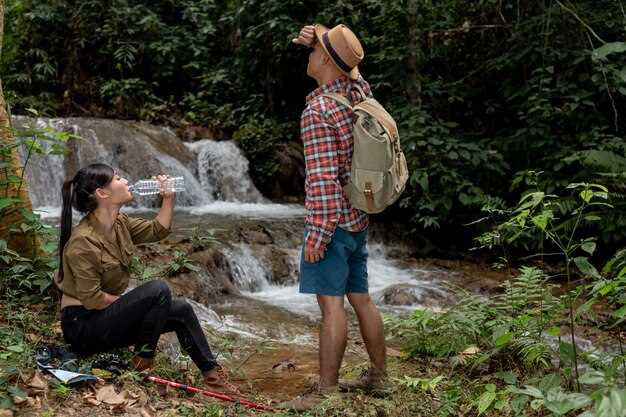
Take a slow, multi-day loop instead of a quick day-trip to see the country’s pulse. Taking a 2–3 day rainforest trek on the Osa Peninsula reveals sounds and microclimates you won’t catch on package itineraries.
Giant trees crowd the dirt trails as you actually hear howler monkeys overhead. Hiked sections reward patience with glimpses of jaguar signs and macaws. Includes a night-walk with a local guide to spot frogs and owls, plus a river raft along the Sierpe estuary. If logistics align, a cocos island leg can be added, and you’ll end the day in uvita with a coconut-cream sunset and a few stories from towns where locals know every hidden trail. Absolutely worth it to travelers who love true, unfiltered nature.
The north Pacific belt brings a different rhythm: sun, surf, and quiet forests. A true lover of slow travel should linger in a couple of family-run towns that are made to feel like home. A kobo-guided hike, cocoa tastings, and a craft-beer pause under palm fronds are common breaks. Local guides share stories about the region’s biological heritage and the way communities care for their rivers and reefs, deepening your understanding of this place.
Biological reserves around Cahuita, Tortuguero, and the surrounding coastline are located along protected corridors that sustain a living mosaic of forest, reef, and shore. Located along the Caribbean slope, these pockets host guided night walks to spot caiman, snakes, sloths, and bioluminescent plankton. Adrenaline seekers can rappel down a wet cliff by a hidden canyon, then swap stories on a canoe trip through mangroves where spoonbills and pelicans ride the breeze. Trips here balance wildlife encounters with community-led lodging and conservation-minded hosts.
Offshore, cocos islands await a snorkel with pelagic schools and the chance to swim with manta rays–logistics demand patience and a multi-day mindset, but the payoff is real. Back on land, the Osa’s rainforests reward hikers with sights of sloths, toucans, and giant iguanas, made more vivid by night walks that reveal an entirely different world. This combination of trips creates a cohesive arc that respects pace and place.
To finish, stitch together a loop that links the north, the south, and the Nicoya coast, using ferries, private shuttles, and classic buses. The plan includes rainforest hikes, river trips, and beach days with time to sip beer, sample fresh fruit, and admire a slow sunset. Admire the stars on a quiet beach as you plan your next trip.
Authentic Costa Rica experiences beyond tourist traps and when long drives pay off
Take the longer route to montezuma’s coast and teñideros lookout; the open road reveals markets, a forest trail, and frogs at dawn. Those journeys reveal the process of truly connecting with locals, offering bright light in the morning, a slower tempo, and nothing rushed.
Local guide elena runs a short zipline session with a forest-edge view, stopping near a curious squirrel and sharing insights on the level of thrill and the climate shifts between high and low ground.
Volunteering in coastal ecosystems adds substance to a vacation: the short project includes tree planting, trash cleanups, and teaching children basic ecology. This includes a simple process that teaches patience, resulting in better, truly meaningful outcomes.
Visit a village market and café and savor tastings of local fruit, coffee, and cacao; admission is modest and tickets are available at the stall. The bright light and open space create a memorable moment, nothing flashy.
Families can keep children engaged while having open conversations with farmers and shopkeepers; the opportunities include insight into small business, and options to buy locally produced crafts.
elena reminds visitors to slow down, making those moments truly yours and leaving amazing memories. Learned stories from guides, local families, and farmers enrich your vacation even more.
Identify wildlife encounters and ecosystems off the typical path
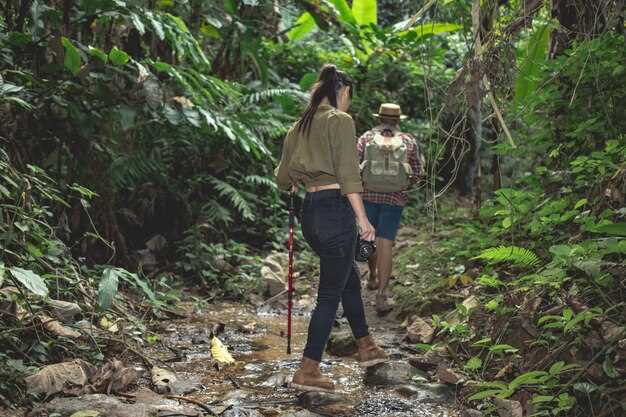
Hire a local indigenous guide such as churchill to begin a dawn trek into central forest pockets that stay off regular routes. This small group approach increases chances of close encounters with howler monkeys, scarlet macaws, and stream-dwelling caimans. Bring a rental headlamp, water bottle, and a compact field notebook to note signs near chorro streams. Have spare packs of energy bars in your daypack.
Panoramic viewpoints reveal layered canopies while pure air sharpens attention to subtle cues: leaf litter reveals tracks, understory flora hints at mutualism, and coconut palms shade river bends that host small clusters of wildlife. Instead of chasing big mammals, focus on microhabitats along streams, where you may spot tarantulas, tree frogs, and flocks of scarlet macaws. Some sightings are nice photo opportunities.
Descent into a mossy ravine often uncovers nesting or hatching activity along stream banks; specifically, look for chewed twigs, fresh footprints, and resin drips that signal primate or small cat activity. Night walks reveal howler calls echoing across the canopy and provide chances to notice bioluminescent insects along the banks.
Accessibility is built into the plan with routes accessible to hikers of varied fitness levels. A riverside restaurant serves yummy, simple meals built around fresh produce and coconut; this taste of cultura helps visitors connect with local life. The experience can provide context to understanding regional ecology and conservation values.
Wants of travelers are met by flexible pacing, capital of cultura values, and opportunities to learn from a local group or guide. furthermore, packing lists emphasize packs, rain gear, and a compact camera. This approach allows respectful observation, a sport of fieldcraft, and a deeper appreciation of flora and fauna beyond typical itineraries.
Long-drive routes that reward patience: top destinations and time estimates
Recommendation: begin with a budget-friendly, long-drive loop that crosses mangroves and blue estuaries, via the monteverdes area, returning after an afternoon pause.
Destination one: monteverdes foothills offer cooler air, coffee stops, and ziplines. Driving from the origin takes about 2 hours; on-site exploration another 1 hour, total around 3 hours. This right sequence fits riders who value quiet vida, a ground park vibe, and a dash of adventure.
Destination two: mangroves corridor along a sinac zone near damas. Drive 1.5 hours from monteverdes; boardwalks and wildlife watching 45 minutes; total roughly 2.5 hours. Offshore, sharks glide by in calmer afternoons.
Combo packages from local companies stitch two stops into a budget-friendly plan. These packages reduce wasted time, leaving space for a quick eggs snack or a coffee break, and open options to swap a park visit depending on mood. tico guides and sister crew members coordinate opening slots to maximize shade and wildlife viewing.
Practical tips: start at opening hours to catch cooler air; by 3 pm the light shifts to gold over blue water. Changes in weather are common; pack a light layer, sunscreen, a snack like eggs, and a bottle. First, start with patience–weve found that almost extinct life along the banks and tarzan moments in the canopy reward those who slow down.
Which natural wonders justify extended drives: a practical ranking
Top pick: Diamante delivers the strongest return after a long haul, offering dramatic headlands, sea pools, and mirador viewpoints that reward careful planning.
- Diamante coast and treetop miradors
- Why it earns the long haul: rugged coastline, dramatic lines, and tracks that connect sea caves with high viewpoints create a memorable memory of stark beauty.
- Getting there: from Liberia, expect a multi‑hour journey with a mix of paved sections and isolated ground conditions near the end; depart early, check online maps, and pace your day with coffee stops.
- Season and weather: high seas and stable beach conditions prevail in the dry season; october rains can tighten schedules, so plan flexible departures.
- Local flavor: stop in a village for a dish or a salad at a roadside cafe, then sip cold drinks while watching the horizon.
- What to watch: snakes along tracks, gusts at exposed miradores, and ramón trees shading roadside farms; bring a light jacket for higher elevations.
- Ballena National Marine Park (ballena)
- Why it earns the long haul: vast tidal flats, whale watching bays, and boat routes that reveal a living, breathing seascape; a true memory-maker for experienced travelers.
- Getting there: departs from coastal towns north of the central valley; road ground conditions vary seasonally, so check local updates online before leaving.
- Season and wildlife: whale and dolphin sightings occur year round, with peak activity in migration windows; plan a longer visit to experience several sightings during calm seas.
- Food and rest: try a local fish dish and a cold drink after a morning on the water; there are simple pools and refreshment options along the route.
- Practical note: wear sturdy footwear for shoreline tracks; bring water, sunscreen, and a small salad snack for the road.
- Monteverde–North highlands and treetop experiences (treetopia)
- Why it earns strong value: cloud‑kissed forests, suspension tracks, and a canopy walk that add a vibrant layer to any itinerary; high viewpoints sharpen the senses.
- Getting there: winding mountain roads from the north or a via Grecia route; plan a slow drive with early departs and a coffee stop to reset after hairpin bends.
- Season and conditions: year‑round cooler temperatures; october can bring misty mornings; dry pockets in late winter improve visibility from miradors.
- What to do: book a treetop circuit, then explore nearby village markets for local bites and a memorable memory of the day.
- Bringing essentials: light rain layer, sturdy footwear, and small snacks such as a fresh salad or fruit; watch for snakes along lower tracks.
- Rincon de la Vieja highland trails and hot‑spring pools
- Why it earns a place on lengthy drives: volcanic landscapes, volcanic crater rims, and natural pools create a multi‑scene day that stays with you.
- Getting there: routes from Liberia require several hours of driving; road conditions shift with seasons, particularly after heavy rain; online updates help planning.
- Season and ground: dry spells ease trail footing; october showers can refresh the scenery but slow some segments; mornings often offer clearer air for photos.
- What to eat: sample a regional dish in a nearby village, then cool off in a hot‑spring pool; bring drinking water and a light snack to share.
- Wildlife note: snakes and other forest inhabitants appear on shaded tracks; stay on marked paths and watch your step in leaf litter.
- Grecia corridor and north‑west coffee routes (coffee culture, ramón groves, and baru fruit stops)
- Why it earns a place: scenic drives through highland villages, with coffee farms, ramón shade trees, and occasional baru fruit stands offering a sweet pause.
- Getting there: the route from the north or from Liberia combines long stretches with short, scenic breaks; plan online departures and keep a flexible timetable.
- Season and conditions: october rain can shift road grip; dry months improve clarity of distant miradors and the overall drive experience.
- Stops worth adding: a treetop lookouts, a canal of tracks through ramón groves, and a quick pit stop in a village for a local dish and coffee tasting.
- Practical tips: carry a small salad side item for a quick lunch on the way, and ensure you have maps saved offline for remote segments.
Seasonal road conditions, access windows, and safety for remote areas
Plan ahead: verify seasonal road status with a reputable local company specializing in backcountry routes before heading into remote areas. Driving at dawn reduces risk, and always carry a basic safety kit.
Accessibility shifts with weather in the central highlands; after heavy rain the 30-meter descent sections become slick, and some bridges may close. A sedan handles light gravel, but better outcomes come with a budget-friendly SUV or a small truck. If proximity to farming plots exists, slow down to protect loose gravel and livestock.
Jacó and Fortuna routes often offer the clearest windows; mornings are best for crossings. Unless rain is forecast, expect dry lanes in the central spine and watch for washed-out shoulders near coastal cliffs, including a 30-meter descent along some riverbeds.
Wildlife and local guides: Sightingsguides can coordinate safe detours when a tortuga nesting season coincides with passable routes. Protect mother tortuga by avoiding beach access during nesting; snorkeling spots near calm coves may entice you to stay near shore, avoiding off-limits dunes that could be unstable.
Local pros: Petrina runs a small fishing operation near the central corridor; her mother teaches safe river crossing techniques. Learning from Petrina’s program helps travelers stay safe and enjoy delicious fresh catches.
Budget-friendly stays near proximity to bridges and central villages help you relax; calmer morning air supports a calm pace as you take in scenery and delicious regional flavors after a snorkeling session or a quick fishing stop with local guides.
| Season | Conditions | Access window | Vehicle advice | Safety notes |
|---|---|---|---|---|
| Dry season | Clear roads; dust may reduce visibility; some river crossings are stable; occasional 30-meter descent near rivers is manageable with caution. | Mornings to early afternoon; avoid late afternoon heat; bridges checked; prefer daylight. | Sedan can work on compact gravel; better to have a budget-friendly SUV or high-clearance vehicle; confirm with sightingsguides. | Keep to posted limits; drive slowly near farming zones; watch for wildlife; respect mother tortuga nesting in coastal areas; consider snorkeling trips only near permitted coves. |
| Wet season | Mud, landslides risk; some bridges may be closed; water levels rising near riverbeds; coastal routes accessible with care; tortuga nesting can affect beach access. | Morning openings; avoid crossing after heavy rains; check water rise forecasts; always confirm with a local contact. | High-clearance 4×4 required; sedan discouraged on remote lanes; rent from a reputable company. | Never cross flooded sections; keep a safe distance from wildlife; carry emergency gear; follow Sightingsguides advice for detours. |
Gear essentials, budgeting, and planning for self-guided rainforest explorations
Start with a 30L waterproof daypack, a lightweight rain shell, and a compact headlamp with spare batteries; this setup keeps hands free during walking and sudden showers. Add a 2L water bottle, a basic first-aid kit, insect repellent, sunscreen, a whistle, and a compact field notebook to note birds, plants, and blancas.
Budgeting starts with lodging; hospedajes around 25–40 USD, mid-range cabins 60–120 USD, camping 10–15 USD. Eating out increases costs; cooking at the hostel kitchen keeps daily spend to about 8–12 USD. Local transport by bus runs 1–3 USD per ride; boat or taxi between towns 4–8 USD; a scooter rental runs 15–25 USD daily. If you hire a guide on a day in a remote area, budget 60–100 USD. This plan supports activities that suit your pace.
Choose bases near varied ecosystems: cloud-forest zones, river valleys, and accessible trails across the areas around pozo pools and canopy walkways. Keep a starting point in mind and map an itinerary that blends two long hikes with a night-walking segment; a 25-hour window spread over two days plus a final half-day yields a balanced, easy-to-manage rhythm. If you want variety, add another short loop to cover a different microhabitat. Certain areas require permits or seasonal closures, so check posted signs before heading out. Some game trails are marked, enabling wildlife watching.
Learn basic Spanish phrases, especially at trailheads and ranger stations; they appreciate simple greetings and a respectful tone. You might reach out to local contacts such as carlos or churchill at the park office; they can share safety notes and highlight must-visit spots. Building rapport also helps when explaining family needs or special accessibility considerations.
Experiencing this landscape on your own terms yields generous rewards: you’ll spot blancas, birds, and other wildlife in quiet zones. Another day may end on playas where you can surf or simply rest in pure sand. The four main trails offer easy options for families, while keeping the biggest moments for the last hours of daylight. A relaxed cruise across a river delta can connect you to a different rainforest area outside the main valley.
Safety notes: tropical showers can affect visibility and trail surfaces; carry rain covers for packs and boots; always share your route with a trusted contact such as carlos or churchill and confirm your starting point each day. Use a basic map, a compass, and an offline GPS; avoid handling unknown plants; keep voices low to reduce disturbance to birds like gallo and blancas. Leave no trace and keep a clean campsite to preserve the area outside main routes.
This approach keeps you in control, delivering an once-in-a-lifetime moment of natural immersion. It supports family trips, easy days, and pure, noise-free experiences while avoiding crowded routes. The biggest thrill often comes from quiet observation of forest life and the sound of surf in the distance, with a final night at a coastal cruise stop.