


 Suomi
Suomi  English (UK)
  Русский
  العربية
  日本語
日本語  한국어
한국어  Magyar
  Türkçe
  Español
  Čeština
  Svenska
  Português
  Ελληνικά
  Nederlands
  Română
  Italiano
  Français
  Polski
  Українська
  Deutsch
  简体中文
简体中文  Slovenčina
  5 Essential Waterway Rules You Need to Know for Safe Navigation">

Aloita jokainen matka nopealla turvallisuuskatsauksella ja varusteiden tarkastuksella. minuuteissa, varmista, että pelastusliivit ovat valmiina, heittoliinat ovat saatavilla, palokalusto on paikallaan ja radio tai karttaplotteri on ulottuvilla, ennen kuin moottorit käynnistetään.
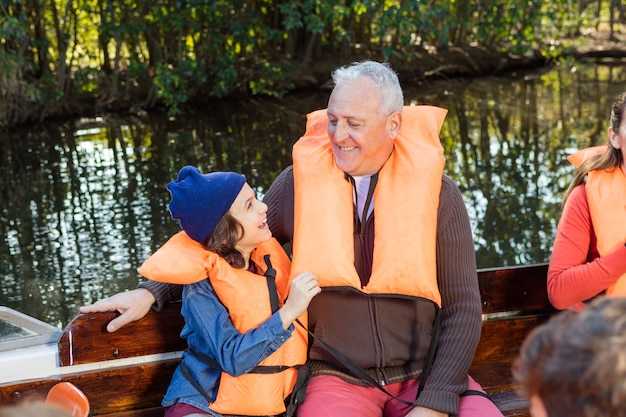
Sääntö 1: Varmista, että jokainen henkilö aluksella käyttää pelastusliiviä aluksen ollessa liikkeellä. Always Tämä yksinkertainen tapa estää hukkumisen kaatumisen tai äkillisen liikkeen yhteydessä ja pitää miehistön turvassa ohjausta uudelleenarvioitaessa.
Sääntö 2: Pidä turvallinen etäisyys muihin aluksiin ja vältä ruuhkaisia väyliä, kun näkyvyys on rajoittunut. Käytä selkeää kurssia Ohittaaksesi, vähennä nopeutta hyvissä ajoin ennen risteyksiä ja nimeä tähystäjä havaitsemaan lähestyvät alukset ajoissa reagoidaksesi.
Sääntö 3: Käytä selkeitä signaaleja ja varmista aikomus muiden kippareiden kanssa radion tai äänimerkin avulla. Äänimerkit auttaa ehkäisemään tahattoman kontaktin ja selkeyttämään etäisyyksiä risteämis- tai ohitusliikkeiden aikana. Varmista aina, että toinen osapuoli ymmärtää suunnitelman, ennen kuin jatkat.
Sääntö 4: Tarkkaile sää-, näkyvyys-, tuuli- ja virtausennusteita ennen lähtöä ja matkan aikana. Jos sumua muodostuu tai sade heikentää näkyvyyttä, vähennä nopeutta, lisää tähystystä ja suunnittele muuttavasi kurssia pysyäksesi erossa liikenteestä ja vaaroista.
Sääntö 5: Laadi pelastussuunnitelma ja varmista luotettava tapa hälyttää apua sekä pidä harjoituksia laitteiden rikkoutumisen tai henkilön veteen putoamisen varalta. Harjoitelkaa miehistön kanssa, varmistakaa että VHF-radio tai ladattu matkapuhelin on saatavilla, ja tietäkää miten pelastusrenkaat ja merkinantolaitteet otetaan käyttöön avun nopeaa hälyttämistä varten.
Veneen turvallisuusopas: Käytännön navigointia vesillä
Väistä aina SUP-lautailijoita ja muita moottorittomia vesikulkijoiden käyttäjiä; pidä kohtelias etäisyys ja vähennä nopeutta lähestyessäsi kapeaa kohtaa ja ylitä kulkulinja vain, kun siinä on turvallinen aukko.
Väistämissäännöt suosivat alusta, jonka ohjailukyky on heikoin. Melontalautoja ja muita moottorittomia aluksia on väistettävä; jos olet moottoriveneessä, hidasta ajoissa ja anna reilusti tilaa, kun lähestyt takaa tai sivulta. Jos sinun täytyy tehdä muutoksia, tee ne asteittain hallinnan säilyttämiseksi ja kaikkien osapuolten riskin vähentämiseksi.
Pidä vähintään 15 metrin (50 jalan) etäisyys ohittaessasi SUP-lautailijoita, etenkin rannan lähellä, missä ihmisiä voi olla vedessä. Käytä leveää, ennakoitavaa kaarta ja säädä nopeutta ennen ohituksen suorittamista, jotta pysyt omalla kaistallasi, kuten tiellä, jossa on selkeät kaistat läpiajoliikenteelle.
Veneilyreitin suunnittelu on tärkeää: tulosta perusmuistilista taskuun ja tarkista vesiväylien säännöt lähteestä. Tarkkaile opasteita ja merkkejä, pidä yllä kohteliasta ja ennustettavaa reittiä ja tee siellä turvallisuussuunnitelma, jossa otetaan huomioon kaikki osallistuvat alukset.
Jos kohtaat SUP-lautoja tai suppailijoita, hidasta vauhtia entisestään, anna tilaa ja vältä äkillisiä liikkeitä. Ole kohtelias, pysy reitilläsi ja muista, että vesiväylä on yhteinen; tekosi vaikuttavat muihin, joten ymmärrä nämä ohjeet ja noudata niitä jokaisella matkalla.
5 tärkeää vesiväyläsääntöä turvalliseen navigointiin; 5 yksinkertaista sääntöä, joiden avulla pysyt turvassa veneillessäsi
Aloita lähtöä edeltävällä turvallisuustarkastuksella: varmista, että jokaisella matkustajalla on pelastusliivit, moottorit ovat valmiina, polttoainetta on riittävästi suunnitellulle matkalle ja merkinantovälineet toimivat; tämä välitön toimenpide varmistaa nopean reagoinnin hätätilanteessa, pitää miehistösi turvassa ja paljon paremmin valmistautuneena ennen lähtöä.
Sääntö 1: Käytä aina oikeankokoista pelastusliiviä ja varmista, että jokaisella matkustajalla on sellainen ulottuvillaan. Tämä taitopohjainen tapa minimoi hukkumisriskin ja tukee turvallista pysähtymistä, jos äkillinen liike tai virta osuu veneeseesi.
Sääntö 2: Noudata väistämissääntöjä: pysy väylän oikealla puolella, väistä aluksia, jotka ylittävät linjasi, ja suorita ohitukset selkeällä näköyhteydellä ja riittävällä tilalla; noudata merkkejä, poijuja ja merenkulun opasteita törmäyksen välttämiseksi.
Sääntö 3: Ruuhkaisilla vesiväylillä vähennä nopeutta ja minimoi aallot lähellä rantaa ja uintialueilla; sopeuta nopeus tuulen ja liikenteen mukaan ja pidä turvallinen etäisyys ankkuroituihin aluksiin ja muihin veneisiin.
Sääntö 4: Viestintä ja varautuminen hätätilanteisiin: pidä mukana VHF-radiota, tarkkaile kanavaa 16 ja käytä ytimekästä hätäkutsua, jos tarvitset apua; tunne hätämerkkisi ja noudata suunnitelmaasi päästäksesi nopeasti turvasatamaan.
Sääntö 5: Tarkista sääennuste ja seuraa säätä ennen matkaa ja sen aikana; tarkista polttoainemäärät ja moottorin mittarit, laadi varasuunnitelma suojan hakemiseksi tuulen tai sateen muuttuessa ja ole valmis ajamaan rantaan tai satamaan; Uuden-Seelannin risteilyllä tai rannikkomatkalla tunne lähellä olevat merkit ja satamavaihtoehdot ja jaa vinkkejä muiden veneilijöiden kanssa LinkedInissä.
| Rule | Action | Why it matters |
|---|---|---|
| Sääntö 1 | Pidä pelastusliivit mukanasi ja päälläsi; varmista, että turvavarusteet ovat ulottuvillasi | Estää hukkumisen ja mahdollistaa nopean pysähtymisen hätätilanteissa |
| Sääntö 2 | Säilytä paapuurin puoleinen sijainti; suunnittele ohitukset selkeällä näköyhteydellä | Vähentää yhteentörmäyksen riskiä; vastaa merenkulku- ja vesiliikennevirtoja |
| Sääntö 3 | Hidasta lähellä rantaa; minimoi aallot; tarkkaile uimareita | Suojaa uimareita ja rantarakenteita; parantaa tuulen hallintaa |
| Sääntö 4 | Käytä VHF-kanavaa 16; laadi ytimekäs hätätilanne suunnitelma | Liipaisimet auttavat nopeasti; pienentää miehistön ahdistuksen riskiä |
| Sääntö 5 | Säätietojen tarkistus; satamasuunnittelu; merimerkkien ja opasteiden tunteminen | Ennakoi sääyllätyksiä; tarjoaa turvallisia satamavaihtoehtoja |
Väistämisvelvollisuustilanteet: Väistäminen risteävissä, kohtaavissa ja ohittavissa aluksissa
Väistä aina oikealta puoleltasi tulevia aluksia ja ryhdy ajoissa toimiin törmäyksen välttämiseksi. Tähystä eteenpäin, hidasta pehmeästi ja aseta turvallinen suunta hyvissä ajoin ennen reittien yhtymiskohtia, jotta liikenne pysyy selkeänä vesiväylällä. Tämä käytäntö noudattaa ydinsääntöä ja estää veneiden kasaantumisen kapealle kanavalle.
Ylitys: Jos vene on oikealla puolellasi, olet väistämisvelvollinen alus. Vähennä nopeutta, muuta kurssiasi siten, että ohitat toisen aluksen perän takaa tai riittävän etäältä, ja vältä ajamasta sen eteen. Käytä selvästi kuultavaa äänimerkkiä ja valoja ilmoittamaan aikeistasi. Suppailijat ja muut moottorittomat vesillä liikkujat tarvitsevat enemmän tilaa. Viikonloppuisin veneilyliikenne usein ruuhkauttaa väylät, joten käytä polttoainetta tehokkaasti ja vältä äkillisiä käännöksiä, jotka yllättävät muut. Ole kaikissa tapauksissa tietoinen merkeistä ja navigointimerkeistä, jotka opastavat turvalliseen reitinvalintaan.
Kokous: In a meeting, both vessels should alter course to starboard to pass port-to-port. Announce intentions with brief communications, keep speed steady, and avoid last-minute changes. If space is limited, reduce speed early and give way as needed. This approach maintains etiquette while handling circumstances like busy weekend marinas or waters with marked channels.
Overtaking: The overtaking vessel must stay well clear and pass on the port side; do not cut in front of the other vessel or use its wake. The overtaken vessel should maintain heading and speed until the pass is complete. Use persistent communications to confirm when you are clear; never take actions through the other vessel’s path. Use the rules in all boating conditions while considering currents and turns marked by buoys.
Practical tips for safe navigation: Always follow the rule and tailor your actions to the circumstances. Take into account the heading, current, and traffic density, and be prepared to adjust while boats cross paths. Communicate early and clearly; introduce signals with horn or radio to keep everyone aware, and keep to etiquette that respects paddleboarders, rowers, and other waterway users. On trips that begin on the weekend or pass through busy channels, plan fuel and timing to avoid rushing. By taking these steps, you become more confident and consistent boater who can handle the modern maritime environment.
Interpreting Channel Markers, Buoys, and Depth Indicators for a Clear Route
Stick to the marked channel and verify your plan with the nearest markers and depth indicators before you move. Check your weight and draft against the shown depth to prevent an accident, and track your location as you proceed.
Channel markers use colors and shapes to separate navigable water from hazards. Red markers generally mark the left edge of the channel when returning to port, and green markers the right edge; these cues help you stay inside the safe line. If you’re unsure whether you should cross the marker line, stay well inside the channel and follow proper navigational etiquette.
Buoys come in fixed and floating forms; use them to stay within the center of the channel. These markers act as a visible boundary that helps boats, engines, paddleboarders, and swimmers share the water without collisions. Align your hull with the markers, not against them, and don’t crowd into the line formed by these buoys.
Depth indicators on boards, charts, or dock-side gauges show water depth along the route. If forecasts indicate low water near a bend or shoal, adjust your path before you reach that shallow point. For paddleboarders and other light crafts, choose the deeper lane to reduce grounding; keep within the marked water and avoid the seabed near marinas where boats frequently turn. These practices reduce risk for all vessels and protect the marina side of the channel.
In congested marinas and busy waterfronts, give slow crafts like swimmers and paddleboarders a separate lane and maintain extra space. Theyre often harder to spot in traffic, so expect movement near docks and stay clear of engine wakes. When you see no-wake zones, drop speed and stick to the marked route; this approach lowers risk for all, even in heavy traffic and near vessels approaching from multiple directions. Use such guidelines to understand the waterway and be prepared for shifts in channel position as forecasts change.
Quick checklist: read markers first and at least once more as you pass; confirm depth indicators in both the front and rear sections of the channel; plan to stay within the centerline, and be ready to yield to paddleboarders, swimmers, and other boats. With this mindset, you reduce the chance of accident and keep everyone safe while navigating a busy waterway.
Navigation Lights and Signal Rules for Day and Night Boating
Check your navigation lights before sunset and ensure they function clearly across the body of water. A quick check at the dock reveals flicker, dimness or cracked lenses, letting you replace bulbs or clean housings to enhance visibility for other boats. Another thumb rule is to test them again in darkness to confirm they perform as expected when you’re actually on the water.
Night operations rely on a standard three-lights layout: red sidelight on the port side, green sidelight on the starboard side, and a white masthead light if the vessel is underway; add a white stern light when moving forward or astern. Keep lenses clean, verify battery or generator power, and carry spare bulbs or fuses to prevent outages and keep the body of the boat visible. This setup will help other vessels see you across crowded channels and calm waters alike.
During the day, stay visible with clear navigational cues and predictable behavior. Use clear, audible signals when required to clarify intent in busy channels, and maintain a steady course to reduce confusion. Even in bright light, a well-lit, well-spaced profile helps families and beginners stay peaceful on the water and lowers the chance of a collision.
Right-of-way rules: when crossing, the vessel on your starboard side holds the right-of-way; the give-way vessel slows or changes course to avoid contact. If a risk of collision exists, both boats should take early action and communicate with sound signals or radio to adjust speed or direction. In any close-quarters situation, reduce your speed and make your intentions obvious to the other boat.
For beginner crews and family outings, plan simple routes, travel at a manageable pace, and keep a clear watch around you. Maintain a safe distance from wakes and larger boats, and always yield when another vessel approaches from the port or starboard side. A calm, predictable approach makes the water feel more peaceful for everyone around you.
Practical tips you can apply today: perform a monthly test of all navigational lights, polish lenses, and confirm battery backups. Use the rule-of-thumb approach: check, enhance, then test again before you depart. Carry a basic toolkit and spare fuses, and keep a small first-aid kit ready for minor injuries (blood). Ensure fueling areas are ventilated to minimize vapors and avoid ignition sources. If you spot a potential hazard, contact the other vessel and adjust your plan to maintain a good margin of safety. Sharing these steps on linkedin can help fellow crews stay prepared and informed.
Speed, Wake Reduction, and Safe Distances on Popular Waterways
Reduce speed to idle or no-wake within 100 feet of swimmers, canoes, paddlers, and near shore. This action clearly protects anyone in the water and minimizes wakes that can affect small craft and shorelines much.
Wakes increase with speed; heavy hulls and motorboats draw larger waves that can throw a paddleboarder off balance or push a canoe toward the wake. Slowing down a little cuts wakes and gives you much better control in busy channels.
Given these guidelines, on popular waterways maintain at least 100 feet from swimmers, 50 to 100 feet from canoes and other paddle craft, and 200 feet from large, fast-moving vessels when conditions are crowded. These distances reduce risk of collision or loss of stability for smaller boats and keep operation safe, especially around boards and kayaks.
In such narrow sections, heading changes require gradual steering and steady speed. If conditions are uncertain, ease off and allow more space. This approach helps you manage draws from passing boats and reduces wash that can carry across the water.
Use aids and posted signs to plan your path. When you see swimmers, they require extra care; give them space. Remember to signal your intentions and adjust speed before closing the distance, so anyone on the water has time to react. This offers assurance to other users that you will act predictably.
Ultimately, this is part of your responsibility; whether you’re on a board, a motorboat, or a canoe, keeping speed low, reducing wakes, and respecting safe distances helps them enjoy the water safely over many trips to come.
Safety Gear and Pre-Departure Checklist: PFDs, Whistles, Flares, and Fire Extinguisher
Put on a properly fitted PFD for every person before starting the engine. Verify each PFD is USCG-approved or local equivalent, adjust the straps for a snug, stable fit, and keep jackets within easy reach on deck. Ensure they stay accessible for quick response in rough wakes or sudden maneuvering, and stick to a clear plan that keeps the crew safe on every boating outing.
- PFDs and fit: Select a nautical-approved PFD sized to each person, typically Type III for recreational boating or Type I for extended ranges. Fasten all buckles, snug the straps, and test buoyancy by lifting the wearer from the shoulders. Inspect for wear or stiffness and replace damaged units promptly to protect against injury or loss of flotation; ensure every person wears their PFD close to the body for maximum effectiveness.
- Whistles and signals: Attach a whistle to each PFD and keep a backup signaling device on hand. Teach the crew to use 1 long blast to attract attention and 3 short blasts to indicate distress, and verify the sound carries over wakes and wind so others on the water can hear you clearly.
- Flares and signaling devices: Pack at least two handheld red flares and one aerial flare kit. Check expiration dates and replace if needed; store in a waterproof container near the helm. Use flares only as part of a planned emergency signal to avoid unnecessary alarms and potential spills or injuries.
- Fire extinguisher: Carry a portable ABC extinguisher in an accessible location, with the gauge in the green zone. Inspect monthly for damage; ensure the pin and tamper seal are intact. Learn and apply PASS: Pull, Aim, Squeeze, Sweep. Replace after any discharge or expiry date to keep you ready for a small fire and protect property.
- Pre-departure checks: Here is a concise general checklist: forecasts and weather updates for the planned route; verify fuel level and oil; test batteries and lights; inspect bilges for moisture; coil lines and secure equipment to avoid trips or injuries. Confirm anchor, rope, and fenders are ready, and walk the deck to confirm everyone’s feet have a stable footing before moving.
- Fueling, spills, and vapors: During fueling, avoid ignition sources and ventilate the area. Wipe up any spills immediately to prevent slick decks and vapors buildup that could spark a fire. Have the extinguisher accessible and know how to respond to a small fire to avoid a collision or property damage.
- Courtesy and awareness on the water: Maintain wide distances from other craft, especially near docks or crowded areas. Signal clearly, slow down in confined spaces, and keep wakes away from smaller boats to protect others on the water. Courteous behavior reduces risk and builds confidence among your crew and nearby boaters.
- Injury prevention and first aid readiness: Keep a basic first-aid kit on board and train the crew in simple safety skills. If injury or bleeding occurs, apply pressure to control blood loss and seek medical help as needed. Regular drills reinforce readiness and help everyone react calmly under pressure, even when conditions are changing.
Following these steps shows others your commitment to safety, minimizes the chance of a collision, and keeps the boating experience enjoyable for everyone on the water.