


 Suomi
Suomi  English (UK)
  Русский
  العربية
  日本語
日本語  한국어
한국어  Magyar
  Türkçe
  Español
  Čeština
  Svenska
  Português
  Ελληνικά
  Nederlands
  Română
  Italiano
  Français
  Polski
  Українська
  Deutsch
  简体中文
简体中文  Slovenčina
  3 Boating Safety Tips – What Every Boater Needs to Know">

Always wearing a properly fitted PFD is the strongest defense on water. Before leaving dock, verify säännökset in your area and check the forecast; if conditions worsen, head back or adjust plans and avoid returning in darkness or rough seas.
On the water, the environment can vary with weather, traffic, and time of day. Practice keeping a safe distance from others, and when overtaking, proceed with clear signals and a predictable approach. The majority of incidents happen during close passes when visibility or communication breaks down, so stay alert and adjust speed as needed.
Participation in recognized courses expands knowledge and teach-based drills for emergencies. Whether you are returning to shore after a short outing or planning a longer voyage, such practice keeps your crew calm, keeping equipment working, and helps you respond quickly when signals fail or conditions change. Much of the risk is avoided by keeping a formal checklist that is made to align with real-world scenarios, and maintaining links with authorities and säännökset.
In boating scenarios, a disciplined approach reduces mistakes: inspect gear, verify säännökset before every trip, and practice crew communication. They emphasize preparedness and respecting other crafts. The majority of concerns vary with wake, currents, and visibility, so adapt plans and return to dock if you cannot maintain control.
Practical actions for staying secure on each voyage and tracking new advances
Begin with a concise pre-departure plan: captain assigns a navigator, another crew member monitors weather, and returning crew verifies gear is secured. Prepare a one-page checklist covering craft type, planned route, forecast, water depth, and emergency contacts. Share the plan with family and ensure someone on land knows it. This is a good baseline to keep everything focused, so you think through the steps instead of acting on impulse.
Distribute clearly fitted PFDs for all aboard: specify a type and size appropriate for the activity, fasten closures, inspect for wear, and replace any device close to its expiry. Keep line lanyards, a compact whistle, and a waterproof signaling device within reach. Maintain a simple maintenance log and replace items according to the manufacturer’s recommended schedule; this helps ensuring readiness in changing conditions. Follow the only critical items list to prevent distraction.
Maintain up-to-date communications: set the VHF to channel 16 for distress and switch to a working channel for routine calls; a satellite messenger offers coverage in remote zones and can send check-ins. Carry spare batteries and ensure the device stays dry. However, log position changes and distances to shore to compare with the plan; if someone onboard feels unwell or you lack signals, returning to port is the right call. Following the plan makes it easier to avoid improvisation, and theyre more reliable when stress rises. Share updates regularly so crew is knowing the latest plan.
In crossing busy waterways, maintain vigilance: enable AIS if available, use radar or lookouts, and adjust speed to maintain safe separation from other vessels. Assign a lookout and practice standard hand signals to reduce miscommunication. If visibility drops, switch to a slower, controlled approach and call out every change in course; this reduces risk in situations where lines of sight are limited.
After returning, run a debrief: note what worked and what didn’t; update knowledge bases for future voyages, and share findings with others. Record details immediately, without relying on memory. If you think something could be done better, document it and assign a responsible party. Make sure proposed changes will work in practice. The captain should ensure that actions were taken and that everything is ready for the next journey.
Track new advances in gear and guidance by subscribing to manufacturer alerts and regional advisories; check whether devices meet current requirements and plan for updates. Compare new options with current equipment and determine if upgrading offers real benefits or simply adds complexity. Understanding the limits of each option helps avoid overreach and keeps tasks taking manageable time and effort. If risks were underestimated previously, adjust the baseline accordingly.
Bonus: use a lightweight checklist app to store type-specific steps and deliver reminders before each departure, helping the crew stay aligned even when returning to routine duties. Such tools can save time and improve consistency.
Wear a properly fitted PFD at all times
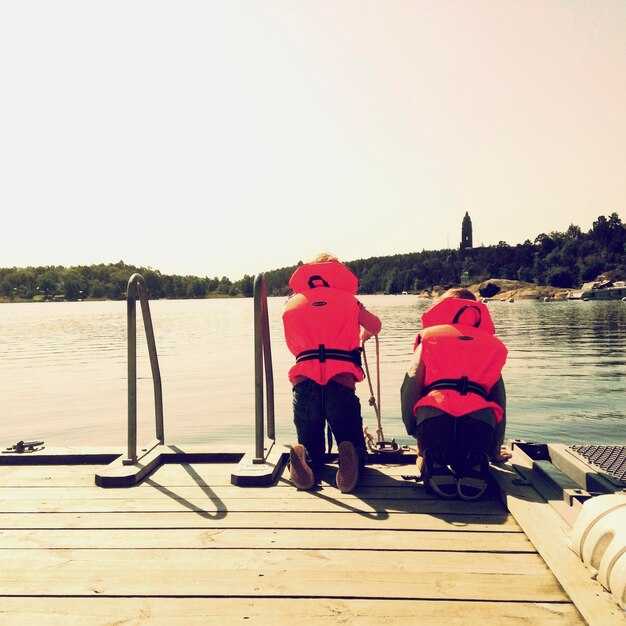
Put on a properly fitted PFD before any trip and keep wearing it through all activities. A snug, non-restrictive fit keeps you buoyant in rough water and reduces ride-up in waves, making stressful conditions easier to manage. This habit improves awareness and lookout for changing seas and traffic, to ensure you stay afloat during sudden shifts and contribute to much safer outcomes and more enjoyable experiences.
- Fit and selection: choose a Coast Guard–approved Type II or Type III; check chest measurement and torso length; a unit that fits properly provides reliable buoyancy and stays in place in various trips and situations.
- Donning and securing: put on before leaving shore, tighten shoulder and side straps, and use a crotch strap if included; correct securing prevents riding up in waves and makes you more stable during rough coast conditions.
- Fit test: after fastening, raise arms and twist; the PFD should remain centered and not roll up toward the chin; if it does, switch to a different size or model.
- Maintenance and lifespan: inspect monthly for tears or foam compression, rinse after saltwater use, and air-dry away from direct sun; replace when buoyancy is compromised or after about year intervals as recommended by the manufacturer.
- Behavior and awareness: wearing during all trips in varied weather boosts protection; in majority of emergencies, the PFD provides vital flotation and buys time to help others.
- Education and course: take a basic watercraft course; it provides practical actions to avoid unwell situations, teaches how to deploy flotation aids, and helps you act calmly in stressful moments.
- Equipment coordination: keep extinguishers accessible and verify onboard gear regularly; maintenance of gear reduces confusion and simplifies decisions in stressful moments.
Conduct a pre-departure safety gear and equipment check
Do a full gear sweep before departure; verify that every occupant has a properly fitted personal flotation device, and ensure all items are working and within reach. Confirm whether the craft carries the required devices and signals and that storage cases remain closed to prevent moisture exposure, whatever the trip duration. Stay staying alert to critical issues, and note the difference between worn parts and fresh replacements to avoid neglect in emergencies.
- Personal flotation devices: inspect seams, straps, and inflation mechanisms; verify correct sizes for all riders; ensure placement within 3 feet of each seating position for quick deployment; recheck buoyancy after exposure to sun or spray; understand the difference between inflatable and inherently buoyant types and choose accordingly.
- Throwable devices and flotation lines: confirm a Type IV device is accessible from the helm or cockpit; inspect lines for knots, fraying, or stiffness; maintain a reach length of about 15–20 feet for rapid deployment in distress.
- Fire extinguisher: verify gauge reads in the green, safety pin engaged, and seal intact; replace if corrosion appears or service date is exceeded; reapply the inspection tag after maintenance; position away from heat but within easy reach in a crash or fire scenario.
- Visual distress signals and devices: check expiry dates on flares and electronic beacons; keep multiple daytime and nighttime signaling options; replace expired items; store in a dry, clearly labeled case and test where applicable.
- Sound signaling and alert gear: test horn or whistle for audibility over engine noise; confirm spare CO2 canisters or batteries are on hand; keep a backup signaling device within arm’s reach for emergencies.
- Navigation and communications gear: confirm VHF radio is charged and functional; test key channels (including 16) and have a backup power source; keep up-to-date charts or GPS data and a waterproof bag for electronics.
- First-aid kit and emergency supplies: inventory bandages, antiseptics, medications, and trauma supplies; replace expired items; ensure dry, accessible storage; log routine checks for ongoing emergencies preparation.
- Tools, spare parts, and repairs: include a multi-tool, duct tape, zip ties, spare fuses, hose clamps, and a small pump or repair kit; verify bilge pump works and that hoses and clamps are secure for after rough passages.
- Lighting and visibility: test headlamp and handheld flashlight; carry spare batteries and a small lantern; verify navigation and deck lights function for night operations; store signals in a quick-access bag near the helm.
- Fuel and engine gear: check fuel level for planned duration and consider contingencies; inspect for leaks around tanks, lines, and fittings; ensure vent caps are secure; carry a portable fuel can for extended stays; never mix old and fresh fuel in the same container; keep a clean, labeled case for fuel-related tools.
- Mooring, anchor, and securing gear: inspect anchor, chain, and line; verify proper length and condition; test retrieval and ensure the anchor seating works reliably in various bottoms; store line neatly within its case to prevent tripping hazards.
- Documentation and plan: carry registration and operator credentials; prepare a float plan and share with a trusted contact; note route, milestones, forecast, and potential wildlife corridors; keep copies in a dry case.
- Weather watch and wildlife awareness: review forecast for wind, waves, and showers; plan for changing conditions; bring extra clothing and an emergency tarp; stay alert for wildlife crossings and other traffic that may alter staying patterns or clearance.
- Right-of-way and lookout duties: designate a lookout for all movements; maintain clear hand signals and radio phrases; keep a steady approach to other craft and yield when necessary to avoid a crash; ensure the crew understands the right-of-way rules to minimize confusion.
- Tarkistus ja huolto: Tarkista jokaisen etapin tai pysähdyksen jälkeen kaikki kohteet kulumisen tai toimintahäiriön merkkien varalta; korjaa ongelmat nopeasti; vaihda tai huolla osia tarpeen mukaan; pidä kirjaa tulevia lähtöjä varten ja pitääksesi laitteet toiminnassa.
Tarkista sää-, tuuli- ja näkyvyysennusteet ennen lähtöä
Tarkista vähintään kaksi ennusteiden lähdettä ja varaudu pahimpaan. Seuraavat vaiheet maksimoivat luotettavuuden: esimerkiksi tarkista ennusteet meriennusteiden sivustolta, satamahallinnon päivitykseltä ja sovellukselta, jossa on aallokkovoittojen tietoja, ja tee päätökset varovaisimpien lukemien perusteella.
Arvioi tuulet suunnan, jatkuvien nopeuksien ja puuskien perusteella; jos ennustetut tuulet ylittävät 20 solmua puuskineen 30 solmuun, viivästytä lähtöä tai valitse suojaisat vesistöt ja lyhyemmät etapit, koska ne lisäävät juoksuriskejä ja vähentävät hallintaa.
Arvioi näkyvyys: ennustettu näkyvyys alle 5 kilometrin, sumu, sade tai ruiskutus voivat heikentää näkyvyyttä; jos havaitset heikentyneen näkyvyyden, lykkää toimenpidettä, kunnes olosuhteet paranevat ja voit nähdä vaarat turvalliselta etäisyydeltä.
Miehistön kokemuksen perusteella suunnitelmat on pidettävä linjassa kyvykkyyden kanssa: aloittelijaryhmät ja perhelomaretket tulisi suosia rauhallisia, suojaisia pätkiä ja ylläpitää ohjautuvaa alusta, joka reagoi nopeasti liikenteen tai esteiden muutoksiin.
Nimeä kumppani aluksella, pidä näköyhteys ja ota käyttöön hätäsignaalit; varmista, että pelastusresurssit ovat valmiudessa ja että joku rannalla tietää suunnitelman, jotta apu on tavoitettavissa tarvittaessa.
Huolto edeltää lähtöä: tarkastukset on aloitettu moottoriin, ohjaukseen ja valaistukseen; varmista, että pelastusliivejä on riittävästi kaikille, varmista toimiva merkinantojärjestelmä ja tarkista, että polttoainetta ja varaosia on saatavilla turvallista paluuta varten.
Harjoittele nopea hätätilanteen harjoitus miehistösi kanssa
Aloita tänään 3 minuutin hätäharjoitus, sekä kolme skenaariota: henkilön yli laidalta, moottorivika ja palo aluksella. Harjoitus aloitettiin ennen jokaista matkaa; kapteeni jakaa roolit, miehistö reagoi nopeasti ja kaikki riisuvat takit 10 sekunnin sisällä hälytyksestä, luoden korkean valmiuden osana vakiomenetelmää.
Pidä varusteet valmiina omassa säilytystilassa ohjaamon lähellä; pelastusheittopussi, pelastusliivit, VHF-radio ja varaparistot saatavilla, joista yksi varasarja säilytetään kylmälaatikossa elektronisten laitteiden suojaamiseksi, varmistaa nopea pääsy hädän hetkellä.
Riippumatta siitä, ovatko vuokrat laitteet käytössä vai käytätkö omia varusteitasi, varmista sopivuus ja pidä takit päälläsi aluksella ja siirtojen aikana satamassa; harjoittele ensin tyynissä vesissä rakentamaan itseluottamusta ennen siirtymistä tänään kovempiin olosuhteisiin.
Suorita harjoitus suojaisassa poukamassa tai venesatamassa lähellä tyyntä vettä, riippumatta siitä, ovatko tuulet kevyet tai kohtalaiset; harjoitus lisää miehistön itseluottamusta, älä epäile vakiosekvenssiä, sekä käytännöllinen kylmälaukku kannella pitää signaalilaitteet käden ulottuvilla.
Tarkista tulokset ja kirjaa parannukset pitkäaikaiseen käyttöön miehistön palautteen perusteella; käytä näitä tietoja koulutuksen säätämiseen rannikkovesillä tehtäviä matkoja varten ja vähennä epävarmuutta sekä nosta toimintastandardeja.
| Scenario | Key Actions | Kohdeaikatavoite | Vaadittu varustus | Huomautukset |
|---|---|---|---|---|
| Man overboard | Varoita miehistöä, laske heittopussi alas, nimeä pelastaja, vedä takaisin kaiteeseen, tuo ohjaamoon | 60–90 sekuntia | PFD, heittopussi, kelluva köysi, pilli | Pidä näköyhteys; miehistö ei hätäile; korkean prioriteetin vastaus |
| Moottorin pysähtyminen | Sammuta polttoaine, katkaise virta, yritä käynnistää uudelleen, pyydä apua, ohjaa turvalliseen alueeseen | 120 sekuntia | VHF-radio, vara-adapteri, köysi, pelastusrengas | Ilmoita kanavalla 16; sovi miehistön kanssa |
| Rungon palo | Arvioi, sammuta moottori, evakuoi moottoritila, käytä sammutinta, pyydä apua | 180 sekuntia | Palosammutin ABC, moottorin sammutin kahva, sammuttimen sijainti | Pysy rauhallisena; pidä kohdat selkeinä |
Pysy ajan tasalla turvatekniikasta, koulutuksesta ja määräyksistä
Varmista välittömästi, että jokaisella matkustajalla on päällä pelastusliivi liikkeellä ollessa, jopa tyyninä päivinä, ja pidä ylimääräinen pelastusliivi helposti saatavilla; vaihda kuluneet liivit viiden vuoden kuluessa tai UV-altistuksen jälkeen; kiinnitä tukeva köysi takaisinvetoa varten ja harjoittele nopea yli laidan -harjoitus onnettomuusriskin vähentämiseksi.
Useimmat merenkävijät luottavat laitteisiin, kuten AIS, VHF DSC:llä, GPS/karttaplotteriin ja sääsovelluksiin; päivitys antaa ohjeita nykyisistä vaatimuksista ja tulee voimaan aluekohtaisina päivämäärinä; pidä laiteohjelmistot ajan tasalla ja kartat päivitettyinä; älä koskaan luota vain yhteen työkaluun; ja lisäksi, kajakkiin ja muihin pieniin veneisiin, ota kannelle signaalilaite ja tutka; ne on suunniteltu lyhentämään reagointiaikoja.
Aloittelijakoulutus on hyödyllistä; valitse kursseja, jotka käsittelevät navigointia, sään tulkintaa ja hätätilamenettelyjä; harjoittele harjoituksia kuukausittain; muokkaa pitkän aikavälin suunnitelmaasi kokemuksen kasvaessa; noudata yleisimpiä vaatimuksia pelastusliiveissä, signaalilaitteissa ja rekisteröinnissä; väistämissäännöt on hallittava ja harjoiteltava; älä koskaan törmää muihin veneisiin, etkä heitä roskia potkurien lähelle.
Jotta pysytään säännösten mukaisena, tarkista viralliset tiedotteet, seuraa sääntelypäivityksiä ja suunnittele harjoituskertoja pätevän kouluttajan kanssa; ne ovat käytännöllisiä ja toteutettavissa, ja tämä lähestymistapa auttaa varmistamaan jatkuvan valmiuden ja vähentämään sakon riskin.