


 Español
  English (UK)
  Русский
  العربية
  日本語
日本語  한국어
한국어  Magyar
  Türkçe
  Čeština
  Svenska
  Português
  Ελληνικά
  Suomi
Suomi  Nederlands
  Română
  Italiano
  Français
  Polski
  Українська
  Deutsch
  简体中文
简体中文  Slovenčina
  Yacht Charter in Saint Lucia – Luxury Caribbean Voyages Aboard Private Yachts">

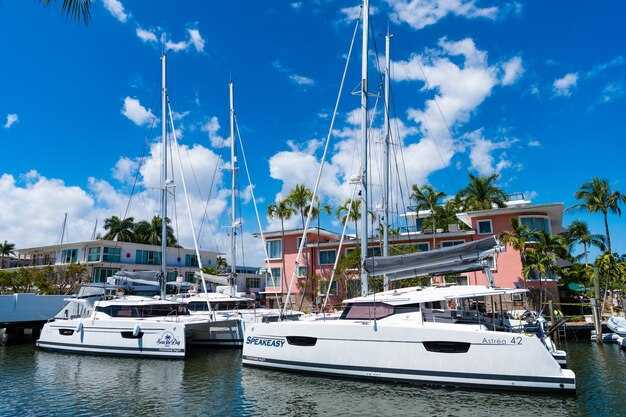
Book a private catamaran charter in Saint Lucia for your next Caribbean escape–it’s the fastest way to reach secluded anchorages, tailor routes, and travel with your group without crowds. They provide a dedicated crew who handle navigation, provisioning, and safety, so your people can focus on the views and conversations.
Three offers fit different budgets: a four-hour private catamaran charter for anchorages near Rodney Bay, with sunset views; a two-to-three-day circuit through Marigot Bay, Soufrière, and the Pitons; and a seven-day luxury voyage along the coast with a dedicated chef and on-board wines. Our captains manage navigation around protected anchorages and respond to wave patterns and weather.
Prices vary by vessel size and season. Prices for a four-hour charter start around $600-$1,200; a two-to-three-day charter typically runs $4,000-$9,000; a week-long private crewed catamaran often falls in the $12,000-$25,000 range, plus provisioning.
A bordo, cookies baked fresh with island ingredients await, and the crew curates local productos for each day. We often see three-course lunches, island fruit platters, and coffee made with beans sourced from nearby farms, adding a personal touch to every stop.
caribbeans Saint Lucia sits in the caribbeans, offering great scenery and great sailing along the coast. The area features protected bays like Rodney Bay, Marigot Bay, and Soufrière, ideal for short hops, snorkeling, and easy beach landings. The best time to sail is December through April when trade winds are reliable and waves are gentler.
For yachting enthusiasts, choose a company with a solid safety record and a fleet that includes catamaran models up to 60 feet, so you can find the right balance of space, price, and comfort. They often offer seasonal promotions and bundled itineraries that include guided snorkel trips, land transfers, and chef-crafted meals–everything you need for a memorable voyage in the caribbeans.
Onshore activities and practical itineraries for Saint Lucia yacht charters: where to go, how to plan, and what to book ahead
Start with a practical anchor-point: anchor at Marigot Bay Marina and arrange a private land day to Soufrière. The Tet Paul Trail and Diamond Falls make the ideal intro, and a local guide will handle navigation and bring to life the five landscapes of Saint Lucia. Have your crew book a driver for when you want to combine stops, and plan to receive fresh fruit and pastries from a small local vendor as you pause along the way.
Onshore stops to consider include Soufrière for trails and views; Anse Chastanet for light snorkelling from the shore; Pigeon Island National Landmark for coastal trails and fort ruins; Castries Market for a taste of island trade and local people; Marigot Bay for waterfront charm and provisioning; Anse La Raye and Canaries for seafood lunches; Rodney Bay for a relaxed stroll and rums tasting. Each location offers a different island scene: five landscapes–coastline, rainforest, volcanic hills, mangroves, and bays–balanced with vibrant village life. Whether you chase solitude or culture, the options are available and well suited to a Caribbean itinerary that keeps waves manageable and plans flexible.
Practical itineraries provide a clear path. For a short onshore focus, Day 1 Soufrière loop covers Tet Paul Trail and the Diamond Falls Botanical Gardens, with a lunch stop at a garden restaurant, followed by a relaxed afternoon at a sheltered coastline spot for light snorkelling if conditions allow. Day 2 northbound classics include Pigeon Island National Landmark for coastal trails and fort ruins, Castries Market for a snapshot of trade and local crafts, and a sunset stroll through Gros Islet before returning to the yacht. These routes are designed to offer great scenery, easy logistics, and chances to explore local life without long drives.
Booking ahead is essential. Reserve private guides and driver services in advance, especially during peak season, and confirm access to island experiences that are offered by small local operators. Plan provisioning at the marina and arrange a private shore excursion package that includes travel between stops, a mid-day meal, and a rum tasting or distillery visit to sample rums from a nearby producer. When you book ahead, you lock in preferred times and avoid delays caused by weather changes or limited slots; aim to confirm four to six weeks ahead for peak periods and two to three weeks for shoulder seasons. If maps or signs seem unfamiliar, consult a trusted источник of recommendations (источник) and request a written plan with contacts. Signs at docks sometimes feature clues like dolore or fugiat as placeholders; your assistant at the marina can help verify real options and translate local terms.
Practical notes for planning and budgeting: US dollar is widely accepted, and some vendors will quote prices in local currency–keep small notes for street-level purchases and tips. The marina team can assist with navigation and arrange shore transfers to keep a tight schedule; expect weather to influence onshore plans, with wave and swells dictating more sheltered routes. Go with a local guide when possible; they offer authentic stories about people, trade, and islands, and they can tailor a route to fit five or fewer guests or a larger group. If you’re curious about Tobaga and other Caribbeans isles, your guide can frame Saint Lucia as part of a broader circuit that could include a future stop on Tobago or other isles. For a richer experience, book a mix of land-based adventures and light snorkelling or beach time, and let the itinerary evolve with changing conditions so you can explore great landscapes while staying comfortable. They provide a flexible framework, enabling you to trade fatigue for memorable moments and to receive maximum value from your onshore time.
Gros Piton Sunrise Trek: logistics, guides, and shore-side timing for charter guests
Book a private, sunrise-led Gros Piton trek with a certified local guide and align shore-side timing to reach the trailhead by 5:00 am. A small private group of up to four guests keeps the experience exclusive, and the first light beams across the ocean to accent the stunning peaks above Saint Lucia.
Start at the marina with a private transfer to the trailhead in Soufrière, typically a 40–60 minute drive. Bring your passport for park check-in, and verify identifiers on your guide’s credential and park permit. The Gros Piton trail sits within the Piton Management Area; guides and rangers manage entry, and the standard park fee (around USD 10–15 per person) is paid on site. Plan for 3–4 hours on the ascent and descent, with 1.5–2 hours to reach the summit and another 1–1.5 hours returning to base, depending on pace and weather.
Choose a private, licensed guide who offers exclusive attention and a clear orientation for your party. Guides provide safety briefings, plant and bird identifiers, and context on the local trade winds and culture; some guides also share stories about nearby islands like Tobago. Private guiding fees commonly range from about 60–120 USD for a small group, with added costs for private transport, a light snack, and water. If you want a longer, more immersive option, some operators can tailor a two-part climb that fits your day’s purposes and keeps you cruising toward other ports with minimal downtime. Some guides describe aute rums produced nearby to add a regional touch to the post-trek unwind.
For shore-side timing, coordinate with your captain to have a 4:45–5:15 am tender available, land by 5:10–5:30 am at the trailhead, and return to the marina by 8:45–9:30 am. The aim is to enjoy the ascent in cooler air and still have days left for private island visits or a lunch on board. The guided ascent is designed to be efficient, with the guide leading your party through the more accessible routes and avoiding crowded times during peak season, while using the finest pacing to maximize the experience.
What to wear and bring: sturdy hiking shoes, a light fleece, hat, sunscreen, a bottle of water (2–3 liters for longer climbs), insect repellent, and cash in dollars for park fees and tips. Some guests enjoy a post-hike tasting of local rums on a private platform near the marina, enriching the day with an enchanting close. If you’re cruising with a larger crew, consider a private party plan that includes a short orientation for land-side activities and a quick photo session with the Pitons in the background, reinforcing the world-class memories from your Saint Lucia itinerary.
Sulphur Springs and Diamond Falls Botanical Gardens: access routes, best times, and safety tips
Begin your visit by entering Sulphur Springs from the Soufrière side around 8:00 am to enjoy cooler air and fewer crowds. This timing helps you cover the area including the stunning Diamond Falls Gardens, and you’ll have time to photograph waterfalls above the pools while listening to the wave of steady trade winds from the southwest. This world offers a balance of geothermal sights and tranquil gardens that suit both small groups and larger party plans, with options from a private guide to a local company.
Vías de acceso
- From Castries or the northwest: take the West Coast Road toward Soufrière, then follow signs to Sulphur Springs and Diamond Falls. The drive passes through some scenic villages with restaurants and viewpoints, and it’s a north-south corridor that lets you cover multiple sites in one trip.
- From Soufrière: a short 5–10 minute ride to the two sites; ample parking is available near the entrance, with a nearby cover where you can regroup before heading into the gardens.
- By yacht: coordinate with a local tour company for a private shore excursion. Many operators meet at the Soufrière harbour or the anchor, then offer a combined visit to Sulphur Springs and Diamond Falls Gardens, often with a guide and a light lunch as part of the package.
Best times to visit
- Early morning hours (8:00–11:00) deliver cooler temperatures, softer light for photography, and fewer crowds around the gardens and waterfalls, making it easier to cover multiple sites.
- Late afternoon (3:00–5:00) provides warm tones and gentler conditions for portraits and quiet viewpoints along the north-south coastal route.
- In the rainy season, the area becomes greener and the waterfalls look more dramatic, but some trails can be slippery; always check the latest safety notes and wear appropriate footwear.
Safety tips and practical notes
- Wear sturdy, non-slip footwear and stay on marked paths, especially near the falls and around damp garden steps.
- There are geothermal vents at Sulphur Springs; if you have respiratory sensitivities, keep a respectful distance from the vents and follow posted warnings. Theres ample cover near the facilities if you need a moment’s break.
- Bring water, sunscreen, and insect repellent; the humidity can be high, and winds from the coast can shift quickly, so a hat helps during the wave of sun exposure.
- Respect the sanctuary areas within the Diamond Falls Gardens and the smaller sites around the main paths; do not pick flowers or feed wildlife.
- Pricing varies by site and whether you book a private tour with a company; check current price details at the gate or through your tour operator, and consider a combined package for a better value.
- For a yacht itinerary, specify a number of participants and timing with the operator to avoid delays; some tours are designed for intimate groups, while others accommodate larger parties.
- Photography is allowed, but avoid flash in shaded garden sectors and respect any restricted zones marked as off-limits or private property.
- There are smaller walkable routes around the main gardens that reveal different viewpoints; pace yourself and take breaks at shaded seating areas as needed.
- Local uses of the area include cultural signs and interpretive displays; some placards feature Latin phrases like cillum, dolore, and voluptatem as part of an art installation–note them as you explore.
Castries Market and Fort Walk: shopping, culture, and museum stops close to port
Start at the Castries Market for a practical, value-packed first stop. Here, service and trade unfold at every stall, with vendors negotiating price and offering samples. Grab fresh basils and herbs, taste a gingerbread cookie, and compare sale items from carved trinkets to woven baskets. This is the first of three stops along a port-side loop, with plenty of shade and friendly chatter that reflects esse traditions in lucias culture. You can explore the stalls at your own pace, sampling spices and watching artisans at work. Some stories carry dolore, but the mood stays upbeat and welcoming.
From market to Fort Walk, the ascent toward Fort Charlotte begins. The route runs between the quay and the hillside, with west winds cooling your feet as you look out over the swells and reefs along the south coast, with coastal landscapes visible. The walk is a gentle hike, and you’ll notice gingerbread façades on colonial buildings and sandy coves tucked near the anse. If you prefer, switch to a bike for a breezier pace, with signage pointing to the fort and the small museum stops. When you’re ready to head back, you can ride back along the same route to the port.
Museum stops near the port complete the loop: three compact options featuring a maritime exhibit with ship identifiers, a photo gallery, and a small heritage display inside the fort complex. These stops tie the market’s trade energy to Castries’ past, with plaques that offer clear identifiers of eras and influences. Many pieces were made by local artisans, underscoring how lucias culture grew from daily trades and community effort.
Practical tips: check websites for current hours and opening days, especially Sundays when markets shift. Expect price ranges and occasional sale items; vendors often offer bundles if you buy multiple pieces. The loop sits between beaches and the city, with plenty of great photo spots and rich colors along the way. Using comfortable shoes and sunscreen, you can cover the three stops on foot or swing a short bike ride. Bring water and plan a follow-up visit to enjoy more lucias cuisine and crafts.
Pigeon Island National Park: routes, viewpoints, and kid-friendly options for land days
Park at the main entrance and begin with the Fort Rodney lookout. A short, shaded climb leads to multiple vantage points above the Atlantic, where you scan the coast and the sandy coves. From these overlooks you can spot Baradel and Mayreau to the south, along with nearby islets that sit between the coast and the open water, offering a sense of scale above the horizon.
Routes: The Fort Rodney route is the easier option, featuring a gently graded path, a few stairs near the top, and benches for rests. The coastal loop follows the peninsula’s edge, passing sandy beaches and rocky points with views toward the southwest. A longer, combined option uses inland trails to connect back to the main lawn, allowing kids to stretch their legs while staying on safe, well-marked paths. The park uses simple language on its panels to explain the park’s history, the sailors who once used these shores, and stories linked to Lucias and Esse legends.
Viewpoints: The Fort Rodney terraces provide broad panoramas over the Atlantic and Rodney Bay, while the western ledges deliver intimate views of the water and the island arc. Look from above the pines to spot the reefs, boats, and distant islets; on clear days you can pick out Mayreau and other small islets scattered off the coast.
Kid-friendly options: Choose flat sections near the lawn for a short, easy stroll with frequent stops. The fort terrace offers safe rails and wide platforms for supervision, and there are shaded benches along the loop for brief rests. Pack cookies or fruit for a quick snack, and use the language-friendly signs with simple visuals to explain the site’s past–sailors, trading routes, and local culture. If a longer outing appeals, you’ll find some benches placed at scenic lookouts to pause and breathe in the salty air.
Practical tips and updates: Bring water, hats, and sunscreen. During peak hours shade is limited along the coastal path, so plan the walk in the morning or late afternoon. After your land day, explore nearby restaurants or small sites in Rodney Bay for a casual meal or a quick sale of local crafts. Staff can assist with maps, and you can connect with local guides who operate from Saint Lucia’s west coast to hear more about Mayreau, Baradel, and other nearby islands in the wider world. For updates, check the park Facebook page and official sites; Using these resources provides current routes, safety notices, and event ideas to fit your family’s plans. Some hotels and venues around Rodney Bay host parties on certain evenings, adding a festive option after your land day.
Cuisine, Distilleries, and Local Culture: planning onshore dining, tastings, and village experiences
Plan a focused two-day onshore dining arc, trimmed to a tight, efficient pace: start with Castries and Gros Islet markets, then visit a boutique rum distillery to taste rums made from local molasses, and finish with a village lunch that pairs coastal flavors with live music.
Begin with markets on the first morning: these market attractions offer fresh fish, peppers, spices, and local crafts. Bike rental lets you glide between stalls, while navigation apps keep you on these shaded pathways; walk with your feet to feel the rhythm, and use a little local language to connect with vendors. These stalls showcase uses like dried herbs and spice blends, with sale items visible at every corner. Try saltfish fritters, callaloo, and jerk-seasoned prawns, paired with local drinks–more options await at every corner.
The third stop covers a micro distillery near the south coast. Here you can observe the aging process and sample three pours to appreciate how the blend evolves; the third pour is a richer, aromatic rum with a long finish made by careful selection of casks. Data sheets detail aging times and cask types, so you know exactly what rests in each bottle.
In a nearby village, pathways wind between whitewashed cottages and lush hills. Local hosts run short cooking demonstrations, offer a market stroll, and arrange a small boat ride or a beach canoe if available. These experiences are great for families or groups; you may end with a sunset walk along the marina and a final round of drinks on the pier. You’ll feel the world come alive in the rhythm of waves and the beam of the setting sun.
To maximize days on shore, book ahead for tables and tastings; look for places that offer full menus and vegetarian options. For navigation feedback, ask the concierge for a map and suggested routes; a tiny wall plaque reads ‘aute cillum’ as a playful touch. If you fly in, data on flights helps you land before lunch, and plan to stay through sunset to catch the beam over the marina; the number of boats at the pier adds texture to the scene.
| Experiencia | What to expect | Best time |
|---|---|---|
| Castries/Gros Islet Market Walk | Local produce, spices, seafood bites; market attractions and sale items; warm welcomes from vendors | 09:00–11:00 |
| Rum Distillery Tasting (Third Stop) | Three pours with aging notes; learning about cask influence; rums made from local molasses | 15:00–17:00 |
| Village Seafood Lunch | Grilled catch, callaloo, root vegetables; fresh drinks and light bites | 12:30–14:00 |
| Cooking Class or Market-to-Table Workshop | Hands-on prep, local herbs, lime juice; pairing with a light rum cocktail | 14:00–16:00 |
| Sunset Marina Walk & Beachside Drinks | White-sailed boats, wave breeze, live music; sunset beam | 17:30–19:00 |